Menswear and Lifestyle

Summer Style Sanctuaries: Navigating Warm-Weather Wardrobes with Sophistication

Summer often promises a sartorial liberation: a welcome reduction in layers, an embrace of freedom, and ample opportunities to express personal flair. Yet, as temperatures rise, a significant number of men find themselves navigating the season’s style landscape with considerable missteps. These errors range from the socially awkward appearance of pervasive sweat patches, projecting an image of perpetual stress, to the sartorial faux pas of wearing flip-flops in decidedly inappropriate settings. The challenges of warm-weather dressing are numerous, and understanding how to circumvent these common pitfalls is crucial for maintaining both personal presentation and social grace. This guide aims to equip men with the knowledge to avoid the most prevalent warm-weather style blunders and offer actionable solutions to ensure their look remains polished and appropriate, irrespective of the mercury’s ascent.

The Unwelcome Spectacle of Sweat Patches

Few fashion mishaps can undermine an otherwise carefully curated ensemble as swiftly as visible underarm perspiration or a damp lower back. This is not merely about appearing "too hot" in terms of physical attractiveness, but rather about conveying an unintended message of being overwhelmed by the heat. When clothing begins to betray sweat within a mere thirty minutes of departure from a climate-controlled environment, a fundamental re-evaluation of the outfit is necessitated.

The Worst Men’s Summer Fashion Mistakes (And How to Fix Them)

Understanding the Science of Sweat and Fabric: The primary culprit behind excessive visible sweat is often the fabric choice. Synthetic materials, while offering certain functional benefits, tend to trap heat and moisture, exacerbating the problem. The key to combating this lies in embracing breathable natural fibers. Linen, renowned for its exceptional airflow and moisture-wicking properties, stands as a prime candidate. Lightweight cotton poplin, seersucker with its characteristic puckered weave that creates air pockets, and any fabric with an open weave structure will facilitate air circulation and allow perspiration to evaporate efficiently. This not only contributes to a more comfortable experience but also significantly reduces the likelihood of unsightly damp patches.

The Impact of Fit and Color: Beyond fabric selection, the fit of one’s clothing plays a pivotal role. Shirts that adhere too closely to the body, particularly around the torso and underarms, restrict airflow and increase contact points where sweat can accumulate. Opting for looser cuts and relaxed silhouettes allows for greater ventilation, mitigating the problem.

Color selection, while often considered primarily for aesthetic reasons, also carries strategic weight in managing sweat visibility. Light-toned fabrics, such as white and beige, possess the advantage of reflecting solar radiation, thus helping to maintain a cooler body temperature. While these colors offer a crisp appearance, they can also be less forgiving when it comes to showcasing sweat stains, particularly for individuals prone to profuse perspiration. Conversely, darker hues like navy and black are more adept at concealing moisture but may absorb more heat. However, a particular color, mid-grey, warrants special mention as a fabric to be approached with extreme caution. Its tendency to dramatically darken and highlight moisture, especially in the underarm area, has led to its informal designation as the "T-shirt equivalent of turning on a UV light in a hotel room" – an unflattering revelation of an otherwise hidden issue.

The Worst Men’s Summer Fashion Mistakes (And How to Fix Them)

Advanced Strategies for Perspiration Management: For those who experience significant perspiration, additional measures can be employed. The strategic use of moisture-wicking undershirts can create an effective barrier between the body and the outer garment. Furthermore, specialized sweat-absorbing pads or shields, discreetly placed within clothing, offer an extra layer of protection. On a personal care front, transitioning from standard deodorants to clinical-grade antiperspirants can provide a more robust and long-lasting solution to managing sweat production, moving beyond mere odor masking.

The Ubiquitous Flip-Flop: A Contextual Blunder

Flip-flops, by their very nature, occupy a specific niche within a man’s footwear collection. Their intended domain is typically confined to environments such as poolside lounging, communal shower areas, or the immediate vicinity of a beach. The moment these casual thong sandals are ventured onto paved surfaces like concrete or cobblestones, or into settings where a degree of formality is expected – such as a restaurant or a social gathering – their presence drastically diminishes the overall sartorial impression, often reducing it to a mere 3 out of 10.

Beyond Aesthetics: Practicality and Perception: The unsuitability of flip-flops in many urban or semi-formal contexts extends beyond mere aesthetic incongruity. They offer minimal structural support, making prolonged wear impractical and potentially detrimental to foot health. Their inherently casual nature can project an image of carelessness or a lack of effort, a sentiment often encapsulated by the distinctive "slap" sound they produce with each step, a noise that can be interpreted as a declaration of "having given up" on presenting a polished appearance.

The Worst Men’s Summer Fashion Mistakes (And How to Fix Them)

Elevated Alternatives for Warm Weather: The solution to this common pitfall lies in selecting footwear that balances comfort and breathability with a more refined aesthetic. High-quality leather sandals, particularly those with minimal detailing in brown or black, can offer a surprisingly sophisticated option. These can evoke a timeless, almost "Roman holiday" charm, a stark contrast to the "lads on tour" vibe often associated with ill-placed flip-flops.

For those who appreciate textural variety, woven leather or fabric sandals introduce an element of interest that pairs exceptionally well with linen garments or tailored shorts. If the slide sandal silhouette is preferred for its ease of wear, opting for versions crafted from matte leather or suede can elevate the look significantly.

The overarching principle in choosing appropriate summer footwear is intentionality. The goal is to select sandals that convey a sense of considered style, footwear that one would feel confident wearing into a restaurant or a stylish café, rather than solely for traversing hot sand.

The Worst Men’s Summer Fashion Mistakes (And How to Fix Them)

The Misappropriation of Board Shorts

The vibrant, often logo-emblazoned board shorts that served a young man well during his teenage years, or at a casual beach party, are generally ill-suited for more mature occasions. When worn by an adult, particularly in settings beyond the immediate proximity of the water, these shorts can appear out of place. Their characteristic length, often extending below the knee, combined with a typically baggy silhouette and graphic embellishments, can project an image of a lingering "hangover" rather than a sophisticated "holiday" aesthetic.

The Case for Tailored Swimwear: The sartorial upgrade for warm-weather lower halves involves investing in tailored swim shorts that possess the versatility to function as regular shorts. These garments are designed with a cut that closely resembles that of chino shorts: a mid-thigh length, a subtle taper, and often featuring a clean waistband or adjustable side tabs for a customized fit.

When it comes to color and pattern, a conservative approach is often most effective. Solid colors such as olive green, deep navy, or rich burgundy are timeless choices. Tasteful stripes can also add visual appeal without compromising the shorts’ versatility. Brands specializing in resort wear, such as The Resort Co., Orlebar Brown, and Frescobol Carioca, offer options that are not only quick to dry but also maintain a stylish appearance long after the initial toweling off. The true test of their efficacy is their ability to transition seamlessly from a beach environment to a casual lunch at a beachside café or a chic beach club without appearing out of context.

The Worst Men’s Summer Fashion Mistakes (And How to Fix Them)

Moderation in Chest Exposure

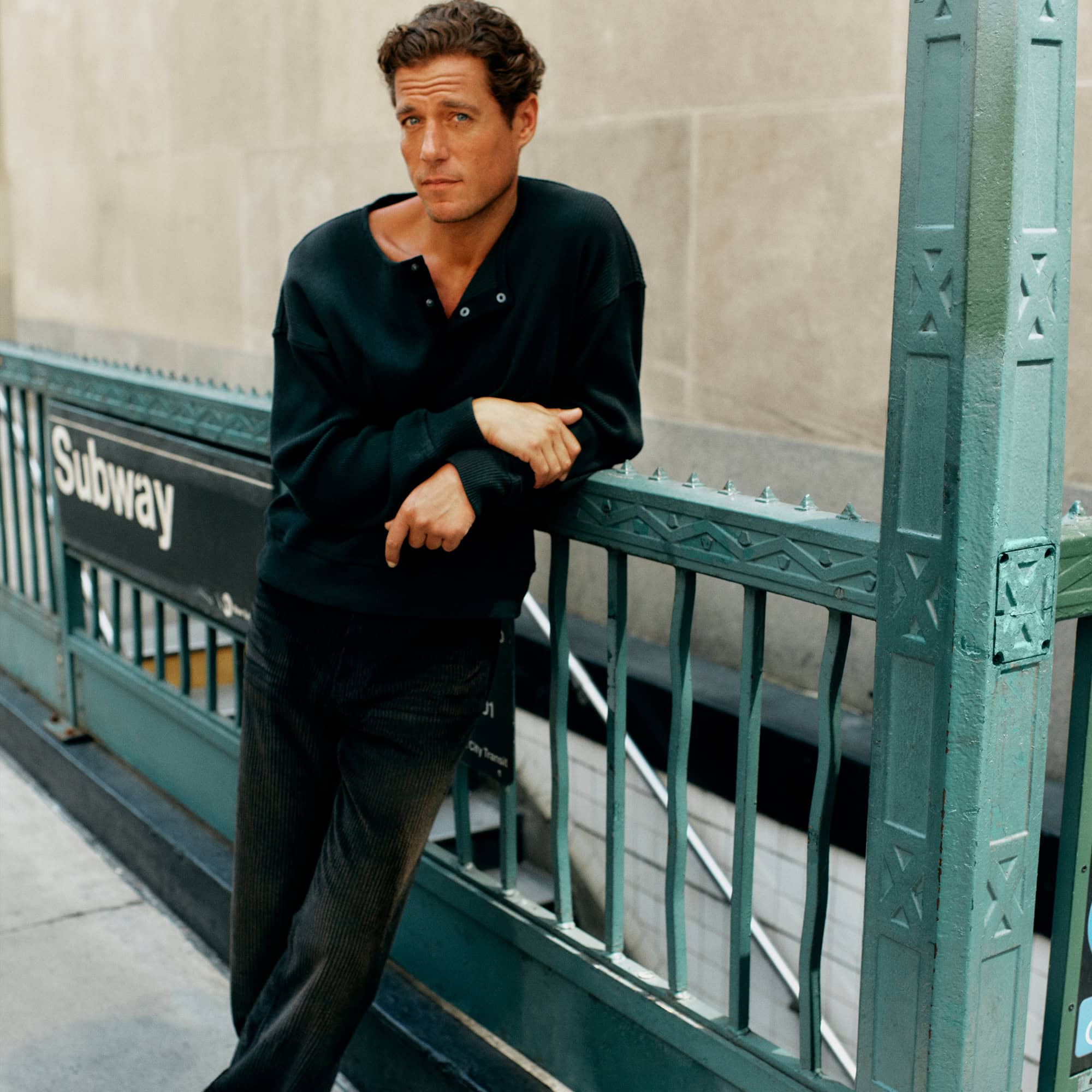
The emergence of the deep V-neck as a symbol of summer swagger has, for some, led to an overestimation of acceptable chest exposure. When paired with linen shirts unbuttoned to an extreme degree, this can result in an excess of décolletage that borders on the ostentatious. The deep V-neck, in many instances, fails to flatter, tending to elongate the torso in an awkward manner and drawing undue attention to areas that might be better left understated. It can project an image of being overly conscious of one’s physique, often reading as an attempt to appear more alluring than is contextually appropriate. Similarly, shirts unbuttoned to the navel can blur the fine line between relaxed Riviera elegance and the appearance of a performer on a cruise ship.

The Art of Subtle Reveal: The principle of moderation is paramount when it comes to revealing skin. Unbuttoning a shirt to reveal one or two buttons is generally acceptable, allowing for a sense of ease and airflow. However, once the sternum and beyond are exposed, one enters a realm of questionable taste. For those who favor V-neck garments, selecting styles with a shallower neckline is advisable. Alternatively, a well-fitted crew neck or a relaxed open-collar shirt can provide a similar sense of ventilation and comfort without the associated risk of appearing too provocative. The key takeaway is that showcasing one’s physique is best reserved for environments where it is expected and appropriate, such as a poolside setting, rather than in more public or casual daytime scenarios.

Reconsidering the Sleeveless Gym Tank

The desire to remain cool during summer months is entirely understandable, but adopting attire that mimics gym wear is rarely the solution for everyday style. The ubiquitous gym tank, characterized by its narrow straps, oversized armholes, and plunging neckline, has become a recurring summer fashion misstep. While a well-developed physique is a personal achievement, its public display via this particular garment may not always align with the desired social impression, especially at events such as brunch.

The Worst Men’s Summer Fashion Mistakes (And How to Fix Them)

Stylish Alternatives for Sleeveless Comfort: The focus for warm-weather tops should be on breathable fabrics and a well-considered fit. T-shirts crafted from soft, textured materials like towelling, or high-quality cotton polos, offer a more stylish and appropriate alternative. A slightly boxy or relaxed-fit T-shirt provides both ample airflow and a contemporary silhouette without appearing overly casual. For those who are insistent on sleeveless options, it is advisable to opt for structured tank tops made from heavier cotton. These garments typically feature wider shoulder straps and a clean, well-defined neckline, offering a more polished and intentional look than their flimsy gym-oriented counterparts. Ultimately, style often lies in knowing when to temper one’s presentation; not every occasion calls for an overt display of physical attributes.

The Glare of Shiny Fabrics in Sunlight

The combination of glossy materials and direct midday sun can transform an outfit into an unintended, albeit uncomfortable, disco ball. While sweating is a natural physiological response to heat, actively reflecting sunlight can amplify the discomfort for both the wearer and those in their vicinity. Silky shirts and high-sheen synthetic fabrics tend to cling to the skin, highlight areas of perspiration, and offer minimal breathability, making them unsuitable for daytime wear in warm weather.

Embracing Matte Textures: The solution lies in prioritizing fabrics with a natural, matte finish. Materials such as slubbed cotton, which features inherent irregularities in its weave, washed linen that has a softer, more lived-in appearance, and brushed poplin all offer visual depth without the unwelcome glare. These fabrics are not only more comfortable in the heat but also lend a sophisticated texture to an ensemble. For garments made of silk or satin, it is best to reserve them for evening events or indoor settings with robust air conditioning, where the risk of overheating and fabric adherence is significantly reduced. The guiding principle here is to favor texture over shine for optimal summer style and comfort.

The Worst Men’s Summer Fashion Mistakes (And How to Fix Them)

The Fallacy of Heavy Layers in Extreme Heat

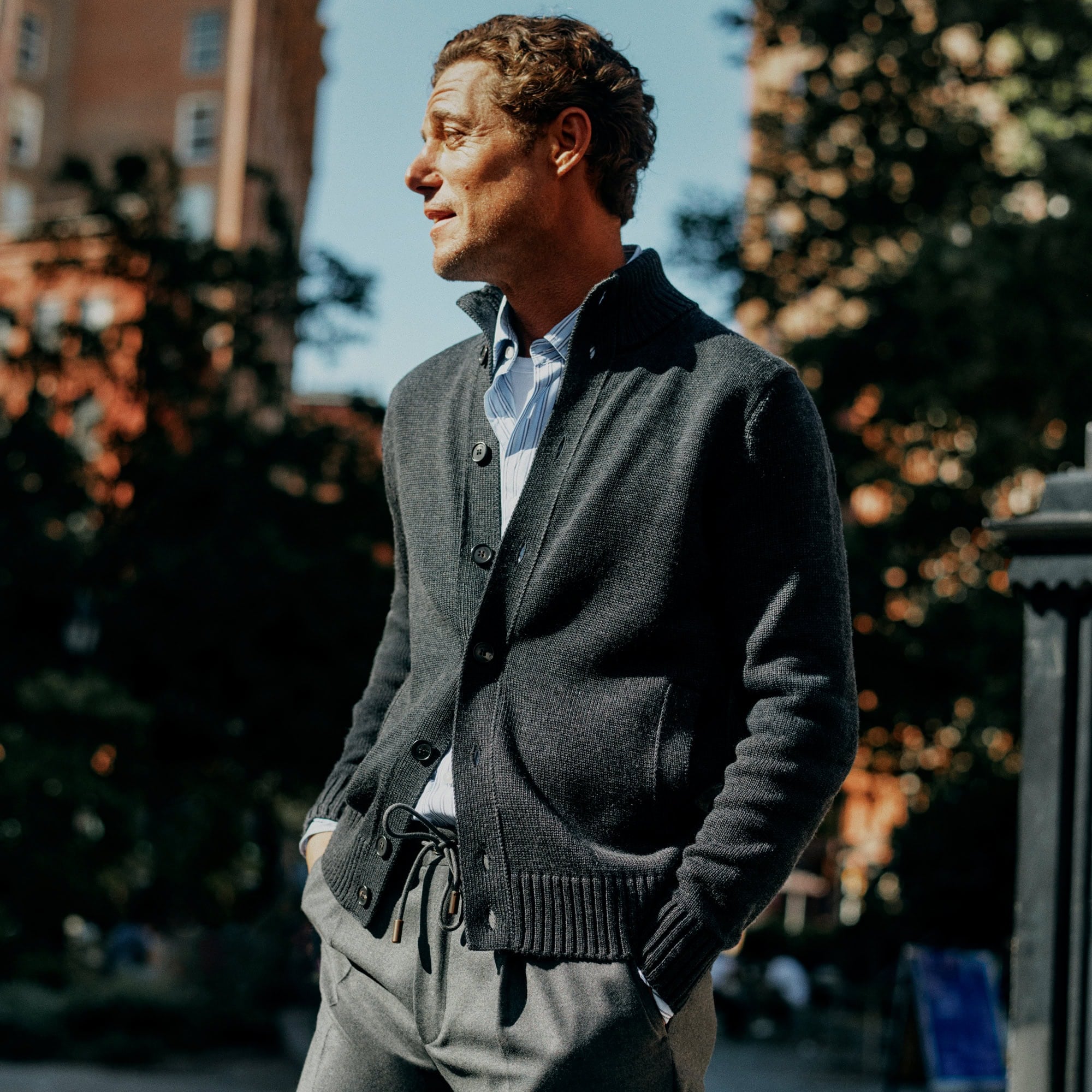
While some individuals maintain a year-round preference for layering, it is imperative to adapt one’s wardrobe to prevailing climatic conditions. When temperatures soar to 30 degrees Celsius (approximately 86 degrees Fahrenheit), the continued insistence on wearing heavy or overly structured garments, such as thick overshirts or dense jackets, becomes counterproductive. Such choices, while potentially contributing to a desired aesthetic, can create an impression of discomfort and exertion, as if one has just completed a strenuous physical activity.

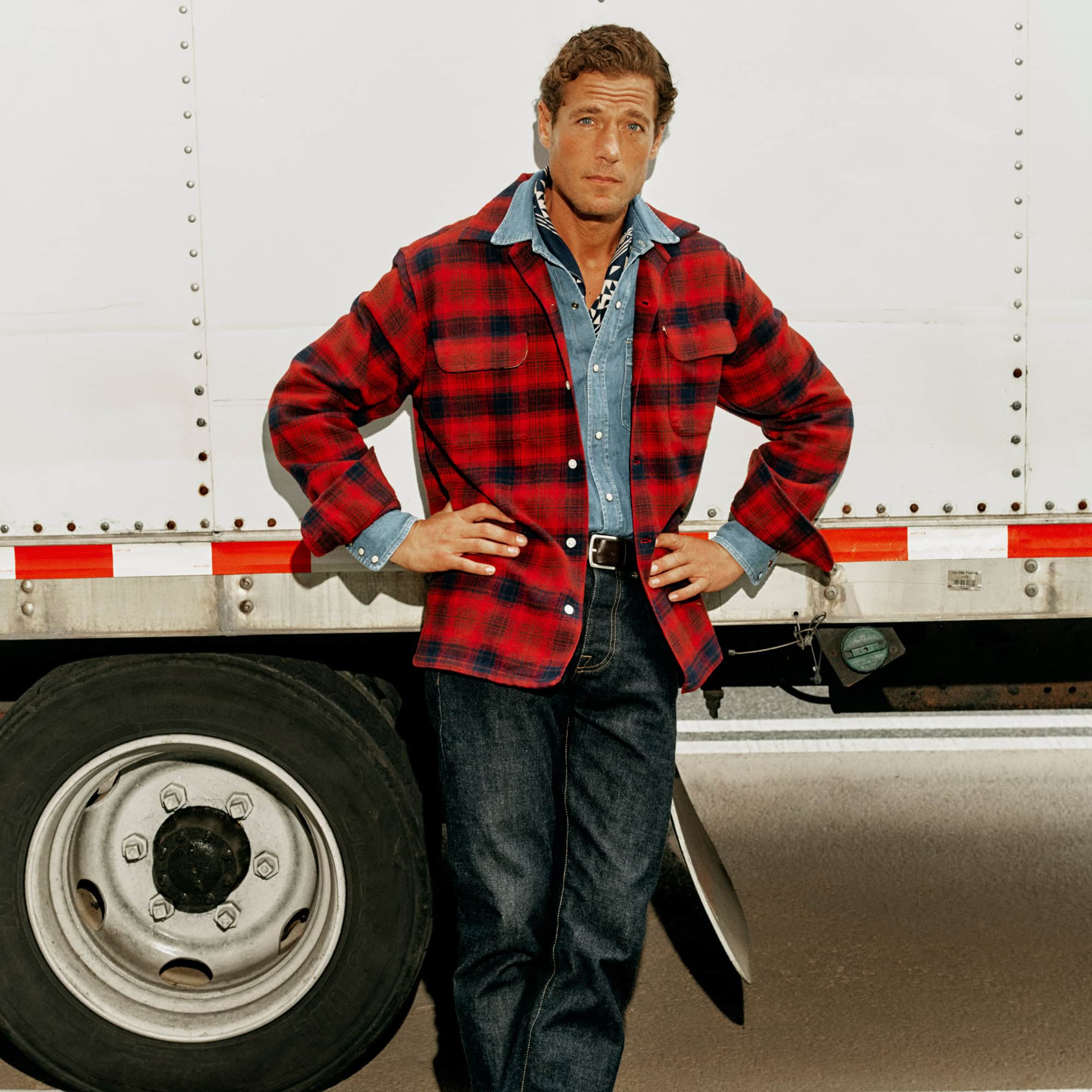
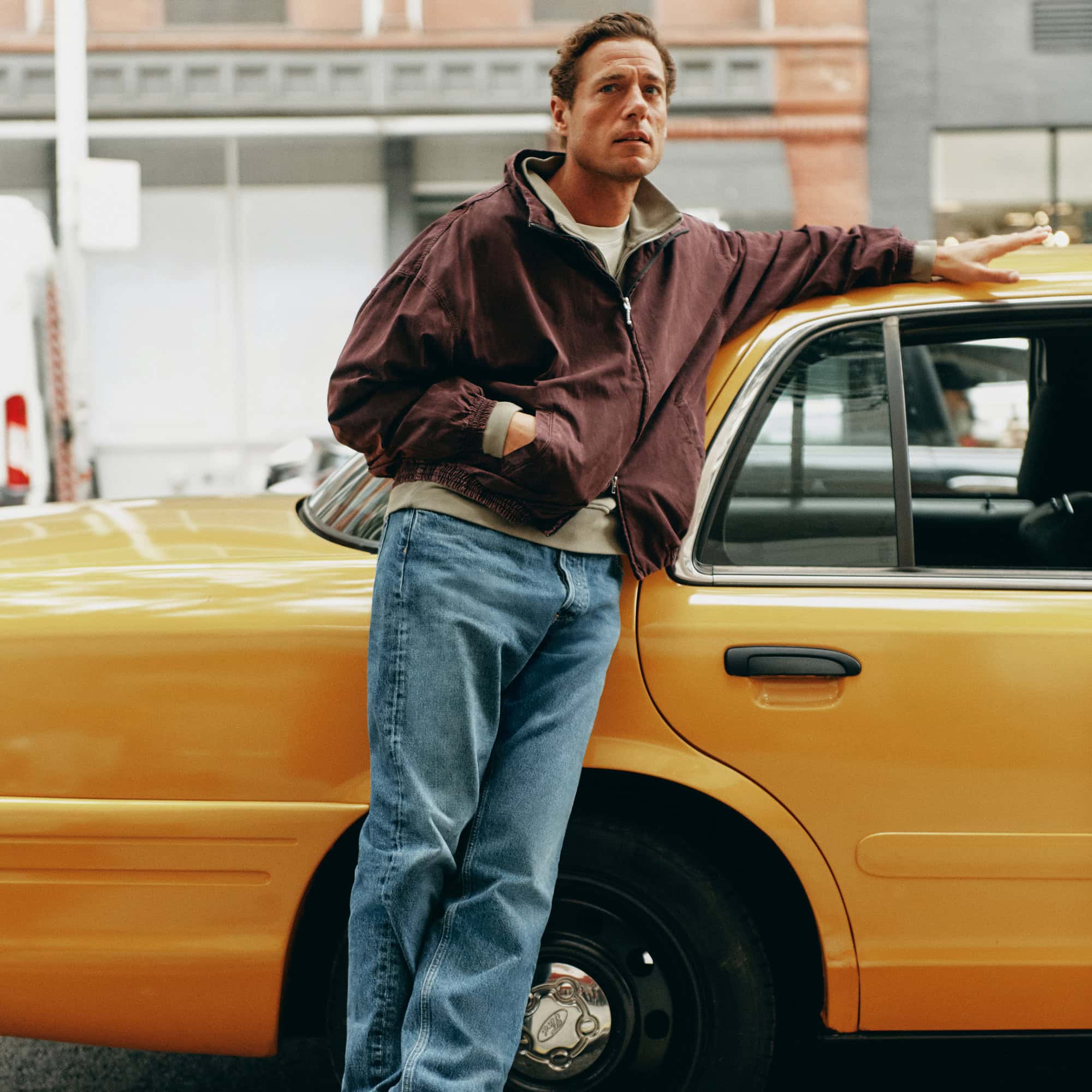
The Power of Lightweight Layering: The key to maintaining visual interest and stylistic intention in hot weather lies in employing lightweight layering techniques. This can involve the strategic use of unlined blazers made from linen blends, gauzy overshirts that offer a sheer, airy quality, or cotton popovers that provide a touch of structure without adding significant insulation. These pieces can add dimension and polish to an outfit, particularly when paired with relaxed trousers or elevated shorts. Furthermore, these lighter layers can offer a degree of protection from the sun’s direct rays, serving a dual purpose. Therefore, layering is still a viable strategy in summer, but it demands a discerning approach to fabric weight and construction.

The Nuance of Linen: Structure Over Sheerness

Linen is undeniably the quintessential fabric of summer, celebrated for its breathability and relaxed drape. However, this inherent characteristic does not grant a carte blanche for wearing overly thin, transparent garments that appear as though they have been hastily retrieved from the bottom of a travel bag. Thin, excessively sheer linen can not only compromise modesty but also convey an impression of low quality and a lack of meticulous grooming.

The Worst Men’s Summer Fashion Mistakes (And How to Fix Them)

Seeking Structured Linen: The ideal linen garment possesses a degree of inherent structure. Medium to heavy-weight linen retains its breathability while offering a more substantial feel and greater resilience to wear and tear. Crucially, the cut of the garment plays a significant role. Pieces that feature defined shoulder construction, a slightly boxy yet well-proportioned fit, and a well-formed collar contribute to a more polished appearance. While a degree of natural rumpling is characteristic and often desirable in linen, excessive creasing and translucency detract from its inherent elegance. When styled appropriately, linen can effortlessly transition from casual daytime wear to more sophisticated evening occasions.

The Underarm Amplification of Grey T-Shirts

Grey T-shirts, when considered in isolation, can be a stylish wardrobe staple. However, their susceptibility to heat and perspiration presents a significant challenge. As sweat comes into contact with the fabric, it causes a dramatic darkening, leading to the prominent appearance of underarm stains that can be perceived as unsightly and detract from an otherwise neat appearance. This phenomenon transforms a neutral color into a beacon for visible moisture.

Strategic Color Choices and Fabric Innovations: To circumvent this issue, a strategic approach to color selection is recommended. Off-white, navy, sage green, or muted earth tones such as clay offer superior camouflage for perspiration. These colors tend to blend more harmoniously with natural body moisture or simply reflect light in a manner that minimizes the appearance of dampness. For those who are particularly fond of grey, opting for heathered textures or incorporating performance fabrics designed for activewear can be a viable solution. These advanced materials often possess enhanced breathability and quicker drying times, allowing one to retain the aesthetic appeal of grey without the attendant risk of prominent underarm wetness.

The Worst Men’s Summer Fashion Mistakes (And How to Fix Them)

Fragrance: A Symphony of Summer Notes

The selection of fragrance in summer requires a thoughtful approach, distinct from the heavier, spicier notes often favored during colder months. A smoky, opulent scent that might be highly effective in winter can become cloying and overwhelming in the heat of July, creating an unpleasant olfactory cloud rather than a subtle, refreshing aroma.

Embracing Citrus, Herbal, and Aquatic Accents: The key to successful summer fragrance lies in choosing scents with bright, uplifting notes. Citrus elements, such as neroli and bergamot, provide an immediate sense of freshness. Herbal undertones, like those found in vetiver, offer a sophisticated and grounding presence. Aquatic or marine notes can evoke the feeling of a cool ocean breeze. Eau de colognes (EDCs) or lighter Eau de Toilettes (EDTs) are generally more suitable for summer, as they offer a less concentrated and more ephemeral scent profile. These can be reapplied throughout the day without becoming overpowering. A light application to pulse points, rather than directly onto clothing, is recommended to ensure the fragrance evolves with body heat and offers a subtle, inviting aura. The objective is to evoke the sensation of stepping out of a refreshing Mediterranean breeze, not to replicate the intensity of being enveloped in a warm sauna with an overly potent oud-based fragrance.

The Restraint of Summer Accessories

Summer is not the season for ostentatious displays of jewelry or an excessive accumulation of accessories, particularly those crafted from metal. The more adornments one layers onto their person, the greater the potential for discomfort due to heat retention. A stack of necklaces, while perhaps appearing stylish in the controlled environment of a dressing room, can quickly become a source of irritation when it clings to damp skin under the midday sun, necessitating constant readjustment.

The Worst Men’s Summer Fashion Mistakes (And How to Fix Them)

The Elegance of Minimalism: The antidote to over-accessorizing in the heat is a commitment to minimalism. The selection should focus on one or two pieces that serve to complement, rather than dominate, the overall outfit. A slim silver chain, a subtly woven bracelet, or a refined watch with a fabric strap can add a touch of personality without compromising comfort or style. This restrained approach to accessories not only contributes to a cooler physical experience but also projects an image of considered elegance and self-assuredness, qualities that are intrinsically linked to sophisticated personal style.

Related Articles

Leave a Reply

Your email address will not be published. Required fields are marked *

Back to top button