Style Without Shrinking The Temuification of the Alternative Wedding Industry

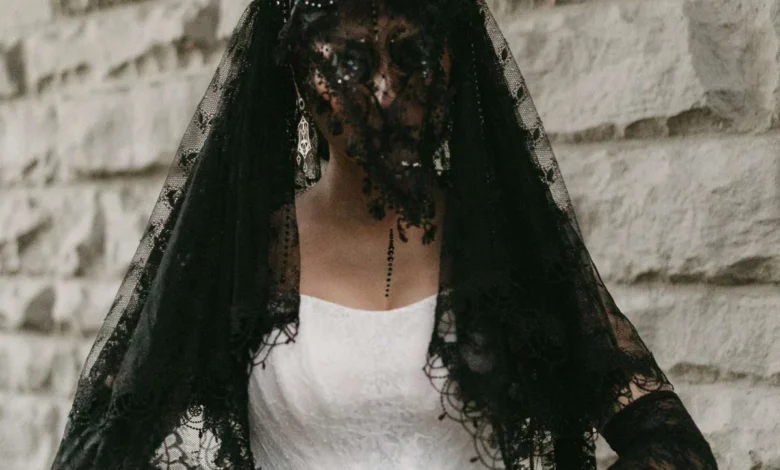
Capitalism has never met a counterculture it couldn’t commercialise; goth was just next in line. In the pursuit of weddings that feel uniquely personal, many nearlyweds have begun to abandon the conventions of traditional bridal culture, leading to a significant surge in the popularity of goth and alternative wedding aesthetics. However, as this movement gains traction, industry analysts are noting an alarming trend: the commodification of subcultural identity. What began as a radical rejection of societal conformity is increasingly being repackaged into a sanitized, consumer-driven template. The shift from white satin to black velvet may signal a departure from traditional bridal norms, but the underlying mechanism—mass consumption—remains identical.
The Evolution of the Alternative Wedding Boom
The gothic subculture, which traces its roots back to the late 1970s and early 1980s UK music and fashion scenes, was historically defined by its opposition to mainstream consumerism. It served as a bastion for individualism, artistic expression, and a curated engagement with themes of mortality, romance, and non-conformity. For decades, the aesthetic was built from the ground up by artists, local designers, and tight-knit communities.
In recent years, the "alternative wedding" market has shifted from a niche interest to a lucrative vertical. According to recent market intelligence reports on the bridal industry, the demand for non-traditional wedding attire and decor has grown by approximately 15% annually since 2020. This growth has attracted the attention of global e-commerce platforms such as Temu, Shein, and Amazon, which have flooded the market with mass-produced, low-cost gothic-themed accessories. This influx has fundamentally altered the landscape for independent artisans, who now find their original designs rapidly replicated and sold at a fraction of the cost by dropshipping entities.
A Chronology of Commercialization
The trajectory of this trend can be broken down into three distinct phases:
- The Artisan Phase (1980s–2010s): During this period, alternative weddings were highly localized and DIY-centric. Brides and grooms sourced clothing from vintage shops or commissioned work from independent designers. The aesthetic was deeply personal, often tied to specific music scenes, subcultural literature, or local art communities.
- The Social Media Amplification (2015–2020): Platforms like Pinterest and Instagram allowed alternative wedding aesthetics to reach a global audience. While this increased visibility for independent creators, it also created a "standard" look for what an alternative wedding should entail—standardized motifs like ravens, laser-cut bats, and specific "Til Death" typography.
- The Temuification Phase (2021–Present): The rise of rapid-manufacturing e-commerce platforms enabled the mass production of these specific, standardized motifs. The aesthetic is no longer organic; it is now a digital product, designed by algorithms to capture search traffic rather than reflect personal history.
The Economic Impact on Independent Designers
The proliferation of mass-produced, disposable wedding decor has had a direct impact on the viability of small-scale designers. When a consumer can purchase a "goth-themed" table setting for a nominal price on a global marketplace, the perceived value of artisan-crafted goods is challenged.
"We are seeing a paradox where the aesthetic is more popular than ever, but the communities that birthed it are being hollowed out," says Dr. Helena Vance, a sociologist specializing in subcultural fashion. "When you strip the historical and artistic context away from goth and turn it into a ‘category’ on a dropshipping site, you are not celebrating the culture. You are consuming a hollowed-out image of it."
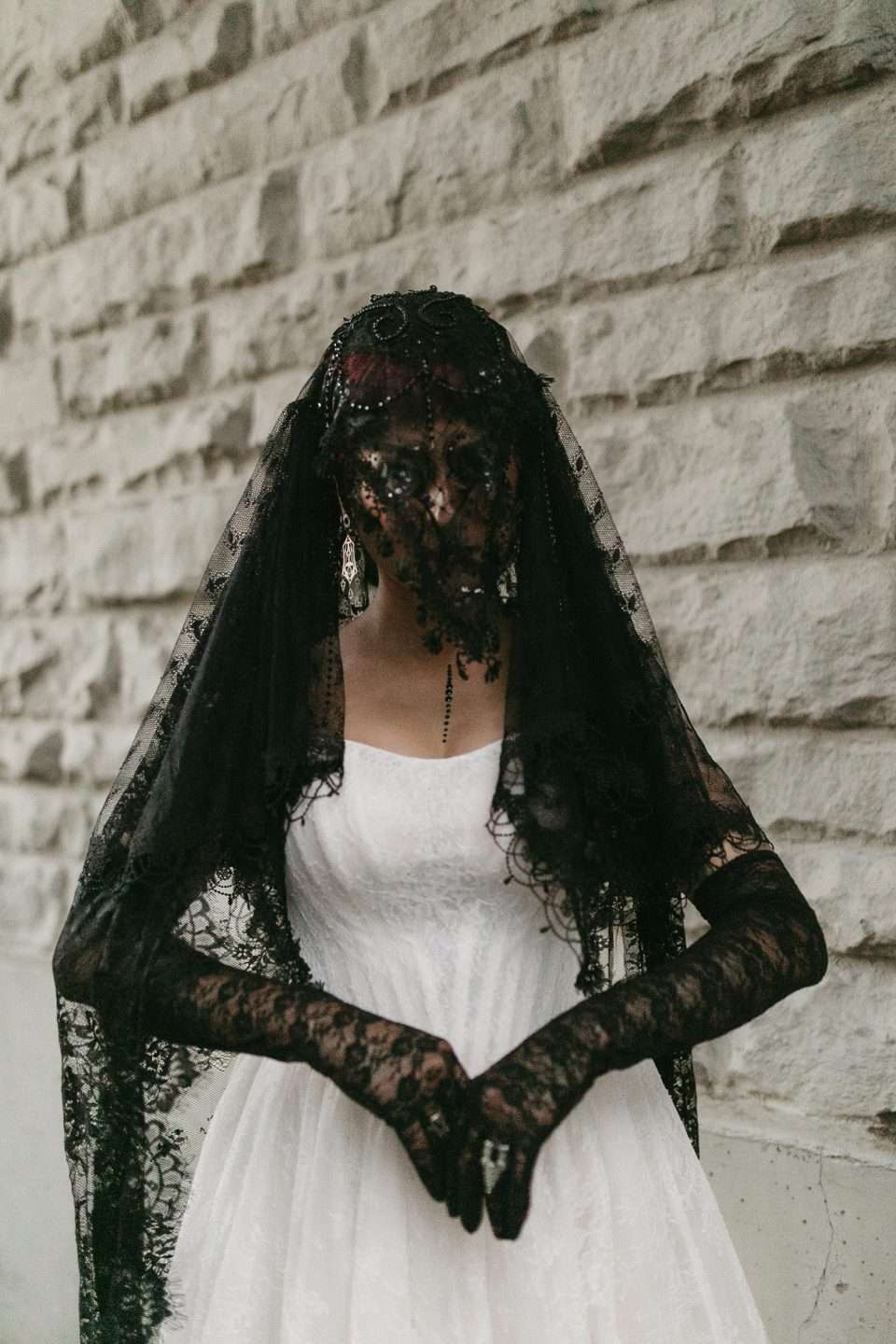
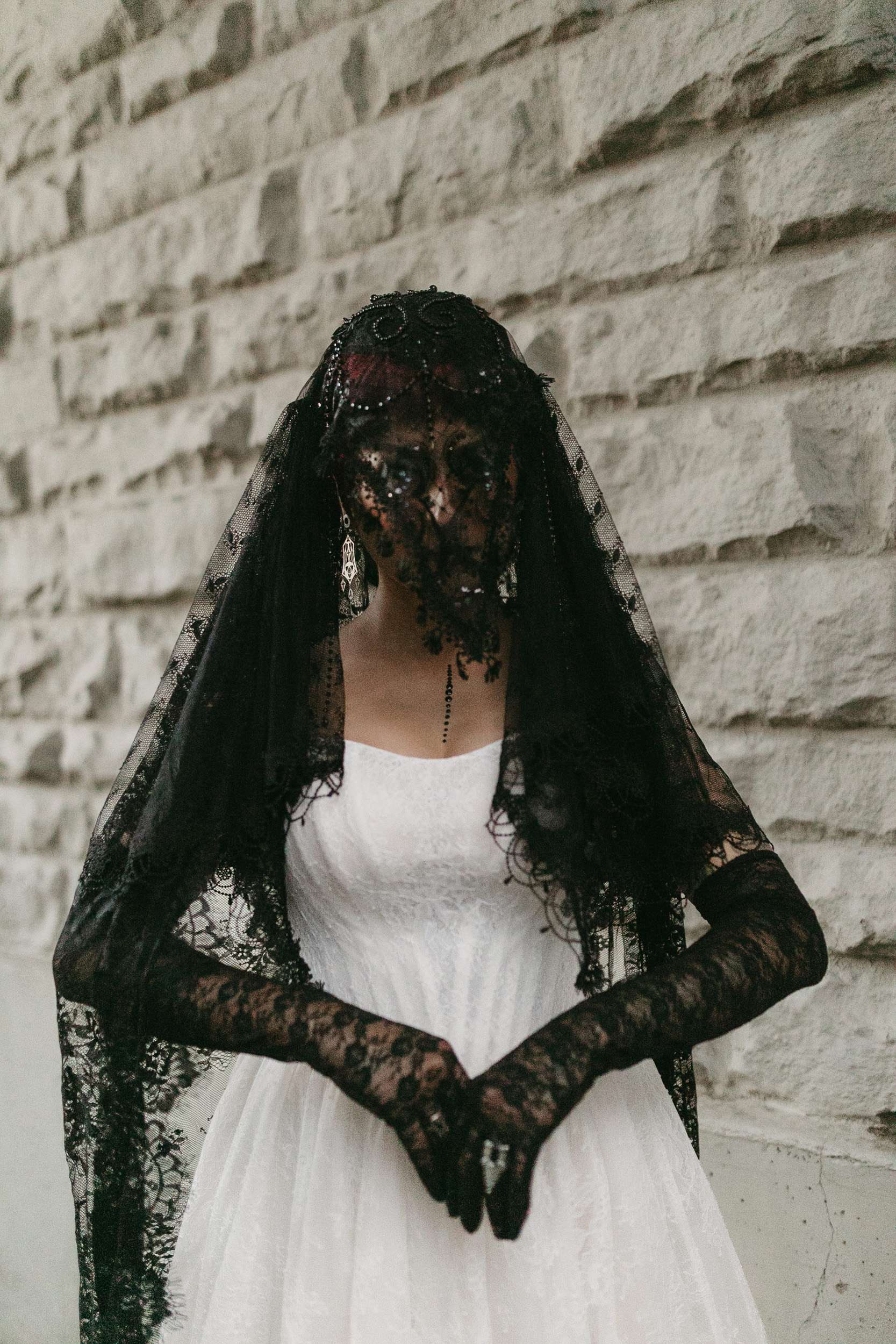
Independent designers, such as those at Bête Noire, Legend Bridal, and Ritual Unions, emphasize that their work relies on sustainable practices and individual client relationships—elements that cannot be replicated by automated supply chains. Similarly, jewelers like Martha Rotten and Mysticum Luna maintain that their pieces are not merely "decorations" but cultural artifacts that carry the weight of tradition.
The Illusion of Choice
Despite the overwhelming volume of gothic wedding products available, industry experts argue that the modern alternative wedding is becoming increasingly homogenous. A search for "alternative wedding decor" on major retail platforms yields results that are almost indistinguishable from one another. This "algorithm-driven" aesthetic forces couples into a narrow set of visual expectations: the black dress, the specific font, and the mass-produced plastic motifs.
This phenomenon has created a "scripted" version of rebellion. If every "alternative" couple utilizes the same mass-produced products, the act of choosing those products ceases to be a signifier of individuality. Instead, it becomes a new form of conformity—a "goth uniform" provided by the very corporations the subculture once sought to resist.
Implications for the Future of Bridal Fashion
The pressure to conform to an "alternative" aesthetic is now as pervasive as the pressure to conform to traditional bridal norms. Nearlyweds are increasingly feeling the weight of the "alternative bride" expectation, which dictates that they must wear black, adopt a specific dark-romantic theme, and utilize pre-packaged decor to be considered authentic.
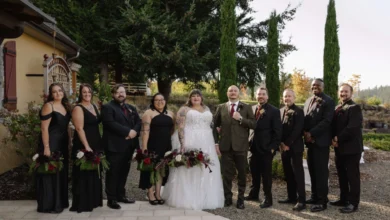
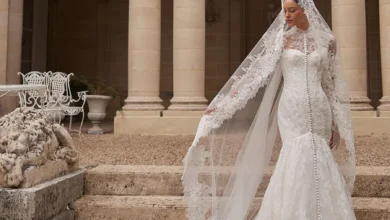
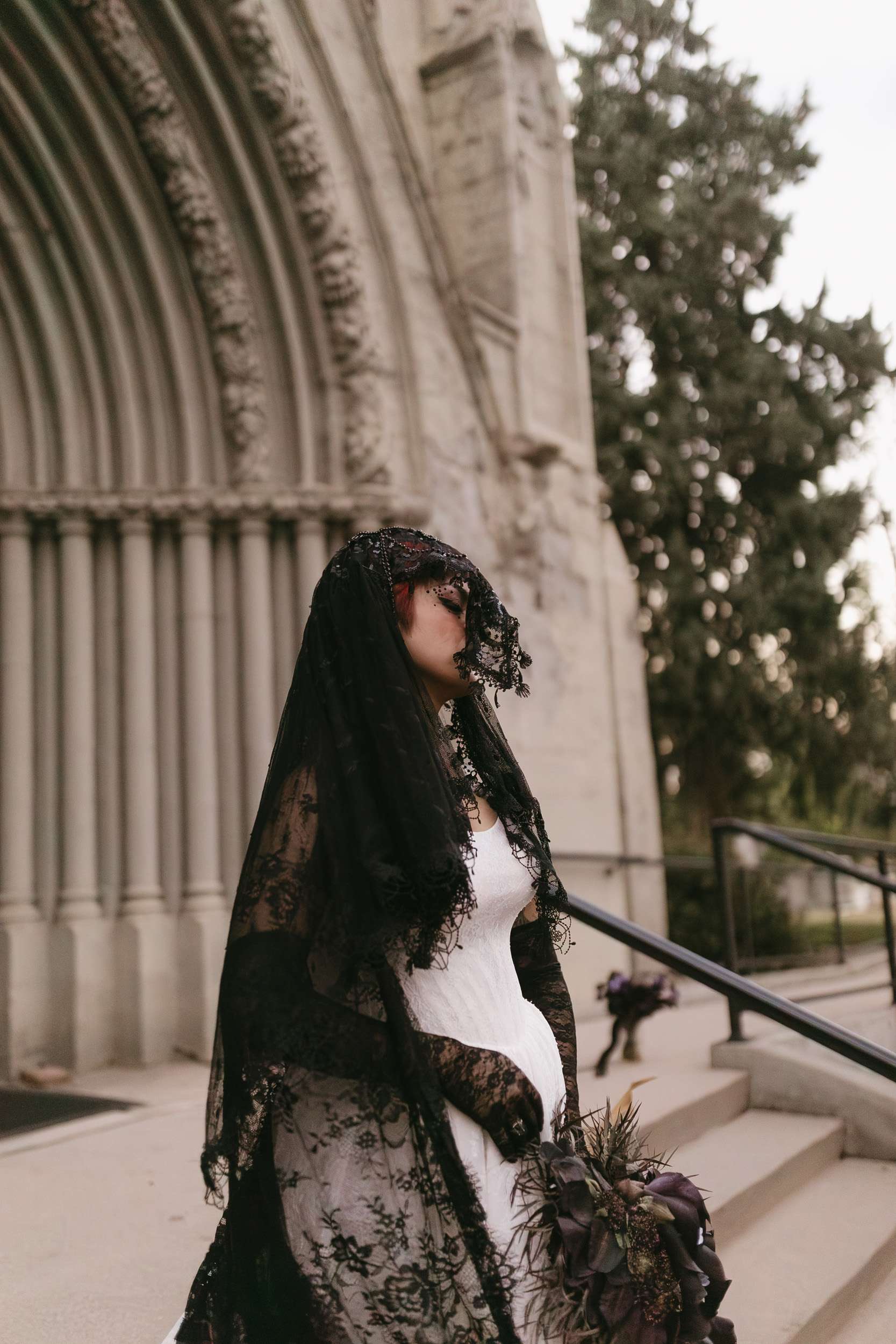
However, the reality of the subculture is far more fluid. Historically, the defining feature of being "alternative" was the freedom to deviate from any standard, including the standard of the "goth wedding" itself. The expectation that a gothic bride must wear black is a recent, industry-manufactured constraint. Many within the subculture argue that a white dress, if worn by a person who identifies with alternative values, does not negate their identity.
Reclaiming Personal Expression
Industry observers suggest that the most effective way to counter the "Temuification" of the wedding industry is a return to participation-based planning. This involves shifting the focus from "what an alternative wedding looks like" to "what represents the couple."
This approach encourages several specific strategies:
- Prioritizing Provenance: Investing in pieces from independent designers, vintage markets, and local artisans rather than mass-produced marketplaces.
- Curated Personalization: Incorporating elements that reflect specific shared interests—music, literature, or niche hobbies—rather than relying on generic gothic motifs.
- Resisting the "Category": Rejecting the urge to adhere to an aesthetic label. A wedding that feels "unmistakably like the people getting married" is inherently more alternative than one that follows a trend-based template.
Conclusion: The Sustainability of Identity
The current state of the alternative wedding industry serves as a clear case study in how capitalism identifies, absorbs, and commodifies countercultural movements. The "goth wedding" has become a shopping category, and with that comes the risk of losing the very spirit of individuality that made the subculture compelling in the first place.
As the industry continues to evolve, the distinction between "marketed aesthetics" and "personal identity" will become increasingly critical. For those planning a wedding, the most rebellious act is not the purchase of black-hued mass-produced goods, but the refusal to allow an algorithm to dictate the visual and emotional landscape of their union. True alternative expression, as history has shown, is not found in the items one buys, but in the unique, unreplicable experiences one creates. The future of the alternative wedding lies in the hands of those who are willing to ignore the trends and define their own narrative, regardless of whether that narrative fits into a predefined, retail-friendly box.