The 2026 holiday shopping season has officially arrived, bringing with it a highly anticipated wave of retail activity as brands across the menswear sector initiate their Black Friday campaigns. As consumer spending patterns shift toward a blend of essential wardrobe building and high-quality investment pieces, retailers have responded with a diverse array of promotional structures. This year’s landscape is defined by a departure from blanket site-wide discounts in favor of tiered savings, flash sales, and strategic inventory liquidations. Analysts note that for 2026, the retail sector is prioritizing higher conversion rates by focusing on inventory that balances current fashion trends with timeless utility.
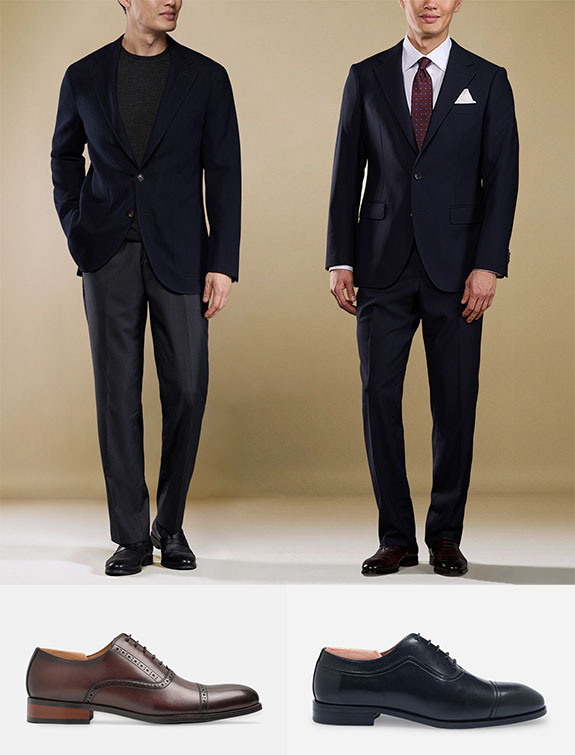
Market Context and Consumer Strategy
The retail environment for the final quarter of 2026 reflects a cautious optimism. Following a period of fluctuating supply chain costs, apparel manufacturers have moved toward more controlled promotional events to protect profit margins. Unlike previous years where aggressive price-slashing was the industry standard, this year’s Black Friday is characterized by "select" sales—promotions tailored to specific collections or performance lines. For the male consumer, this means that while the volume of discounted goods remains high, the strategy requires more diligence in identifying which items offer genuine long-term value.
Breakdown of Key Retailer Offers
Brooks Brothers has initiated a 1-day flash sale on their shirting collection, with prices starting at $69. This promotion is particularly notable for its inclusion of both flagship dress shirts and the newer Explorer line. The Explorer collection represents a significant shift in the brand’s strategy, integrating performance-based fabric technologies into their traditional long-staple Supima cotton offerings. By emphasizing durability and ease of care, Brooks Brothers is positioning these items as staples for the modern, travel-oriented professional.
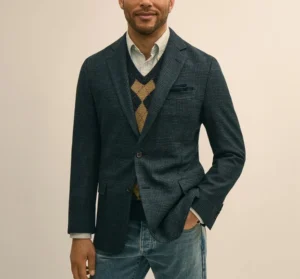
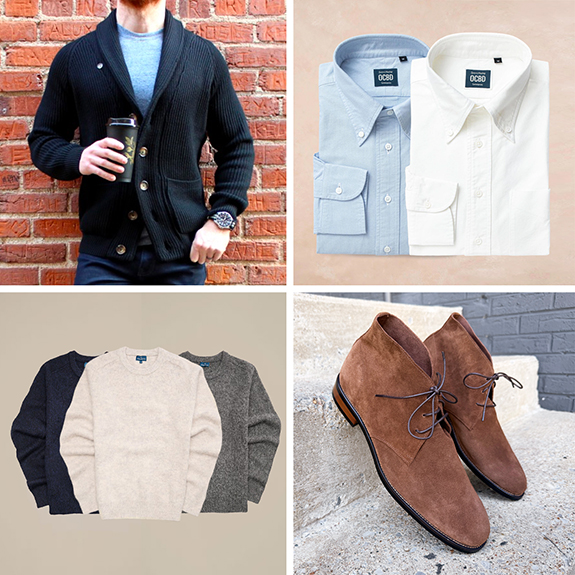
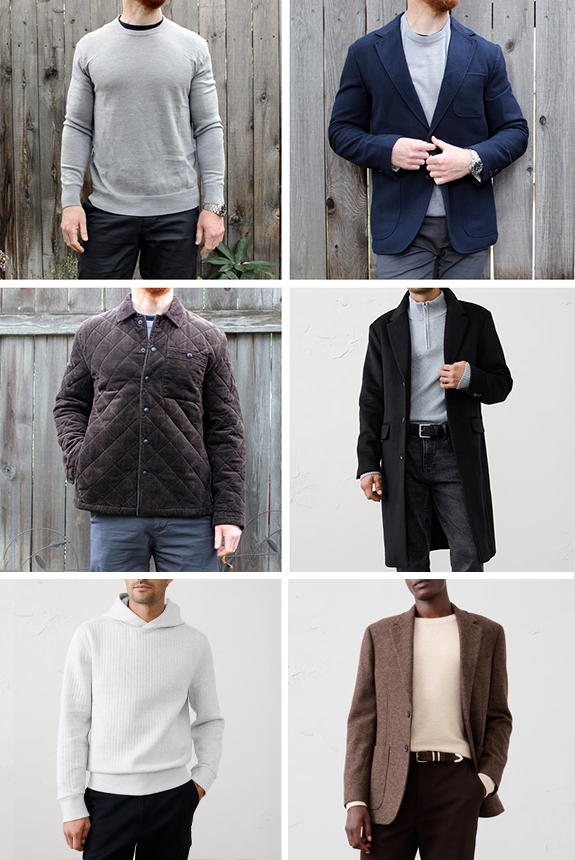
Spier & Mackay has launched a tiered promotional event offering up to 20% off selected merchandise. This campaign is divided into two distinct categories: formal "dressed up" apparel and casual wear. Market observers have noted that this is one of the most comprehensive sale events for the company in recent years, encompassing a wide range of categories. Of particular interest to value-conscious consumers is the inclusion of the brand’s shawl collar sweaters, which have become a signature item in their seasonal rotation. The sale is scheduled to run through December 2nd, providing a significant window for holiday gift procurement.
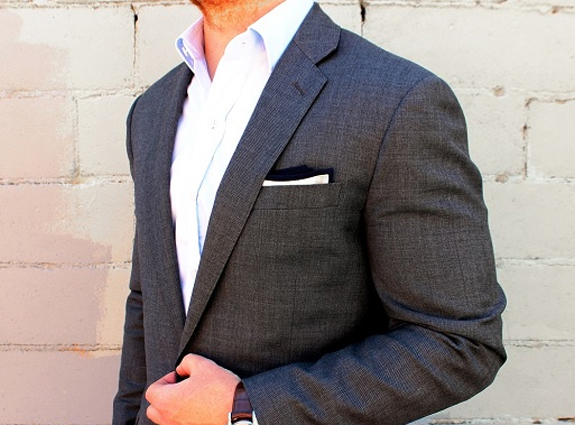
In the luxury and premium goods sector, Ledbury is providing a 35% discount across its entire inventory using the code SALEVIP. Unlike competitors who rely on minimum spend thresholds, Ledbury’s flat discount structure is designed to appeal to customers seeking high-end, made-to-order (MTO) options. The brand’s MTO program, which allows for customization of collar styles and sleeve lengths to the half-inch, remains a focal point for consumers seeking tailored fits without the overhead of traditional bespoke services. Due to the made-to-order nature of these garments, shipping times are estimated at two to three weeks, reflecting the brand’s commitment to sustainable, on-demand manufacturing.
Watchmaking and Accessories
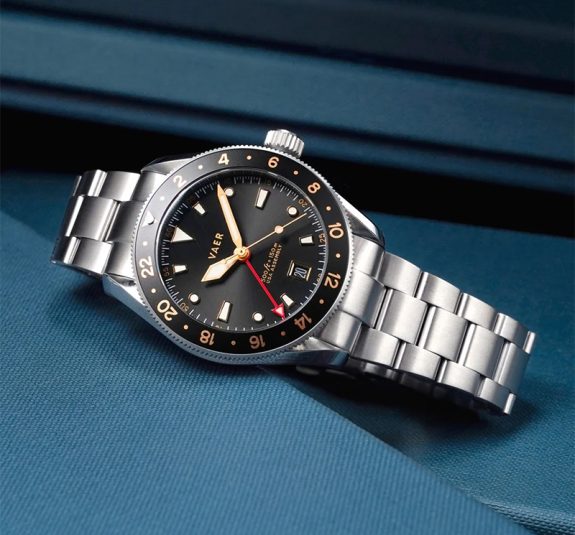
The watch industry is seeing a varied approach to holiday discounting. VAER has launched a holiday sale targeting select items within their catalog. The brand, known for its diverse range of movements and "Assembled in the USA" initiatives, continues to gain market share by offering horological variety at accessible price points.

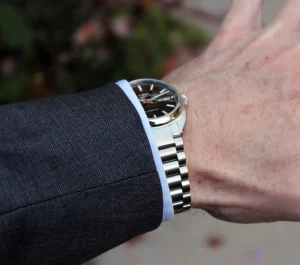
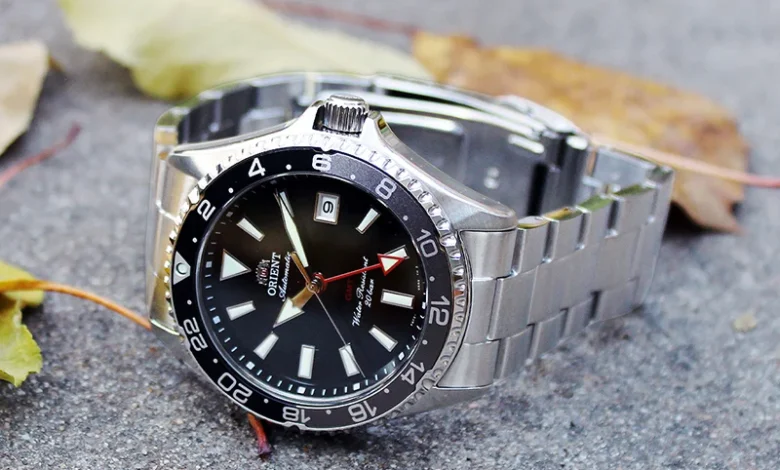
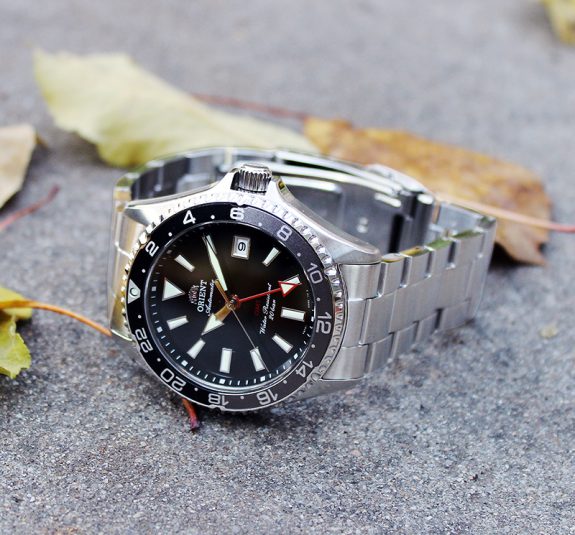
Concurrently, Orient Watches has implemented a 15% discount site-wide, a move that experts consider aggressive for the brand. Historically, Orient has limited promotions to 10% off through various channels; this increase is viewed as an effort to capture a larger share of the entry-level automatic watch market during the peak holiday period. The brand’s new Kamasu GMT model has been a point of discussion among enthusiasts. Utilizing a "traditional" GMT movement—where the GMT hand is fixed to the hour hand and the bezel is used to track secondary time zones—the watch offers a classic aesthetic that caters to a specific segment of the watch-collecting community.
Shinola has opted for a tiered savings model, offering discounts ranging from $75 off a $500 purchase to $400 off a $2,000 spend. This strategy is specifically engineered to increase average order value, encouraging consumers to consolidate their purchases. Retail analysts suggest that this approach is highly effective for lifestyle brands that carry a wide variety of accessories, as it allows customers to reach higher discount tiers by adding smaller items, such as journals or leather goods, to their cart.
Broad-Market Trends and E-commerce Implications
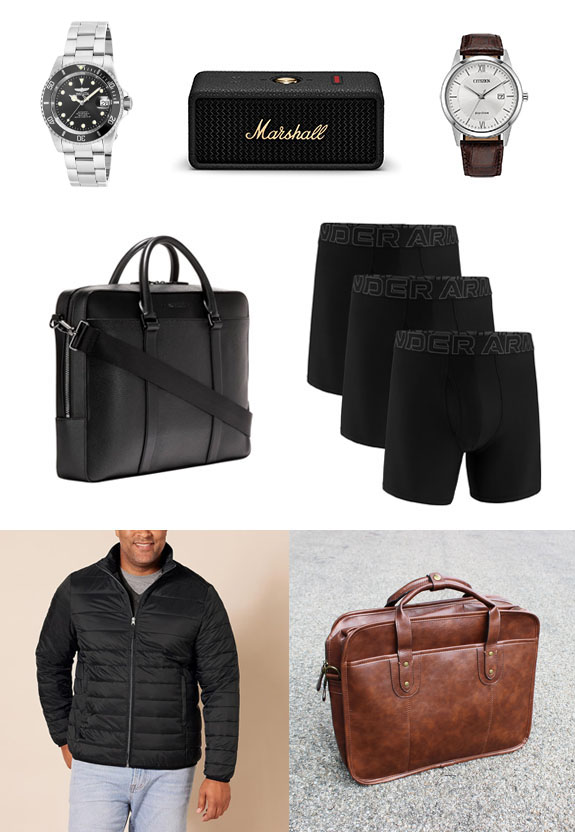
Amazon continues to dominate the broader e-commerce landscape with its week-long Black Friday event. While typically known for electronics and household goods, the platform has made significant strides in its men’s style department. The company is currently promoting its gift card segment, offering up to 20% off select cards. This remains a strategic maneuver to drive platform loyalty, as these cards often function as a gateway to subsequent purchases within the broader Amazon ecosystem.

Meanwhile, the mid-market segment sees Banana Republic Factory offering a 68% total discount on most items. This is achieved through a combination of a 60% initial discount followed by an additional 20% off the reduced price. Despite recent public feedback regarding inconsistencies in their denim lines, the brand’s wool-blend sweaters and outerwear continue to perform well in the "value-for-money" category.

Nike has also entered the fray with a 25% discount on select items using the code EARLYBF. The promotion extends beyond their iconic sneaker lines to include performance-oriented athletic wear and seasonal outerwear. The company’s focus on its digital-first strategy is evident in the platform-specific nature of the code, which aims to drive traffic directly to its e-commerce site rather than third-party retailers.
The Impact of "Final Sale" Policies
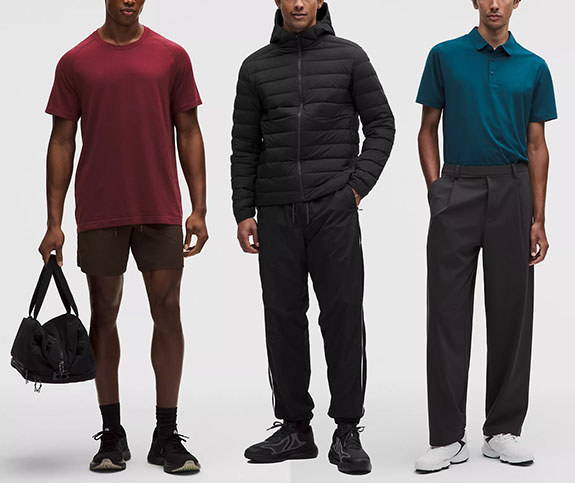
A notable trend across several major retailers, including lululemon, is the prevalence of "final sale" designations on discounted inventory. While these items are offered at significant price reductions, the lack of return or exchange options represents a risk for the consumer. Industry data suggests that retailers utilize these policies to manage warehouse space and mitigate the costs associated with reverse logistics, which remain one of the most expensive components of modern e-commerce operations. Consumers are advised to review sizing guides and return policies with increased scrutiny before completing transactions during these high-volume sales.
Conclusion and Future Outlook
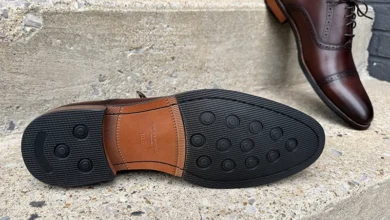
The 2026 Black Friday season is demonstrating a maturing retail market. Consumers are increasingly moving away from impulse purchases toward calculated acquisitions. The shift toward higher-quality, multi-functional items—such as the performance-enhanced dress shirts from Brooks Brothers or the durable leather footwear from Allen Edmonds—suggests that the modern male consumer is prioritizing longevity and versatility. As the season progresses toward Cyber Monday and the subsequent end-of-year clearances, the focus for both retailers and shoppers will remain on balancing inventory efficiency with the desire for premium style. The current retail landscape suggests that while the era of "everything on sale" may be waning, the opportunity for strategic, high-value purchasing has never been more accessible for the informed shopper.