Smartex.ai Unveils Revolutionary AI-Driven Fabric Inspection Platform to Transform Global Textile Supply Chain Efficiency

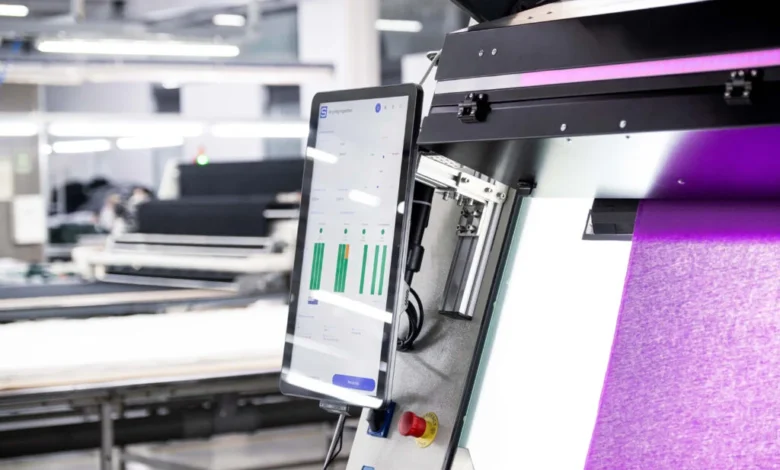
The global apparel industry is on the cusp of a significant technological shift as Porto-based Smartex.ai prepares to debut its integrated fabric inspection and quality management platform at the SmartCollab event. Scheduled for November 27th at the DX Design Hub in Hong Kong, the launch represents the culmination of eight years of rigorous research and development into machine vision and artificial intelligence. By digitizing quality control, Smartex.ai aims to address a critical systemic failure in textile manufacturing: the lack of standardized, actionable data, which currently leads to massive financial waste and operational inefficiency.
The Technological Foundation
At the heart of the Smartex.ai platform is a sophisticated architecture built upon an immense dataset. The company has trained its proprietary AI models on approximately 50 billion images of textiles captured directly on operating production lines. This vast visual training set allows the system to recognize minute defects—those smaller than 2mm—with a level of precision that human operators, prone to fatigue and inconsistency, cannot replicate.
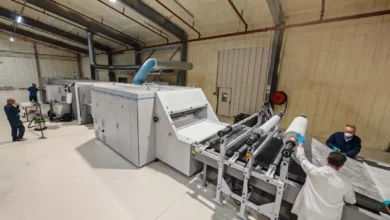
The platform is divided into two core, synergetic components: Inspect and IQ. The "Inspect" hardware module is designed to be retrofitted onto existing fabric inspection machinery, effectively upgrading legacy equipment with high-resolution cameras, specialized sensors, and real-time AI processing. This hardware operates continuously, identifying and mapping the precise location of flaws along every roll of fabric produced. Simultaneously, it performs high-accuracy color variation analysis, identifying subtle discrepancies that often result in rejected batches only after they have arrived at the garment factory.

The "IQ" software acts as the digital backbone of the system. It aggregates the data captured by Inspect and presents it in a centralized dashboard accessible to stakeholders across the supply chain—from the mill floor to the garment assembly line and the corporate offices of global fashion brands. By moving away from subjective, manual inspection reports, the system creates an immutable record of fabric quality.
Addressing the Information Gap
Industry analysts have long noted that fabric accounts for roughly 50% of the total cost of a finished garment. Despite this, the quality assurance process remains remarkably antiquated, often relying on spot checks or manual inspections that occur only after the fabric has been shipped. This delay creates a "blind spot" in the supply chain, where defects are often discovered weeks later at the cutting table, leading to production delays, forced discounts, or the complete disposal of unusable materials.
Smartex.ai CEO Max Easton characterizes this not as a manufacturing problem, but as an "information problem." Currently, many garment factories order an average of 5% extra fabric to compensate for the uncertainty of quality. In a global supply chain where $2 billion is spent annually on fabric, this "buffer" represents $100 million in overspending. By providing transparency, Smartex.ai estimates that this precautionary waste could be slashed to as little as 1%, significantly improving the bottom line for manufacturers and reducing the environmental footprint of the fashion industry.
Chronology and Development
The development of this platform has been a long-term strategic effort. Since its founding in Porto, Portugal, Smartex.ai has focused on a methodical expansion of its technology.

- 2018–2022: The company focused on refining its machine vision algorithms, successfully installing over 800 systems across ten countries to stress-test the technology in diverse industrial environments.
- 2022: H&M Group, recognizing the potential for this technology to solve systemic waste, joined as a minority investor through H&M Group Ventures.
- 2024–2025: Collaboration deepened with strategic suppliers within the H&M network to co-develop the current integrated platform, ensuring the solution was tailor-made for real-world production challenges.
- November 2026: Official debut at SmartCollab in Hong Kong, marking the platform’s transition from a pilot program to a commercial standard.
Strategic Leadership and Industry Support
The launch coincides with a major leadership milestone: the appointment of Tony Fadell as chairman of the board. Fadell, widely known as the "father of the iPod" and the founder of the smart home technology company Nest, brings a wealth of experience in scaling complex hardware-software ecosystems. His involvement goes beyond governance; Fadell has been actively involved in co-designing the Inspect hardware, ensuring it meets the rigorous demands of the high-speed textile manufacturing sector. His investment firm, Build Collective, is also a key backer of the company.
Nanna Andersen, managing director at New Growth & Ventures for H&M Group, underscored the importance of this partnership. "Quality issues can be identified earlier, resources can be used more efficiently, and waste can be prevented before it happens," she stated. By integrating Smartex.ai’s tools into their supply chain, major apparel groups are signaling a shift toward a data-driven manufacturing model where quality is no longer a post-production variable, but a verified input.
Implications for the Apparel Sector
The adoption of AI-based inspection systems has profound implications for global trade policies and sustainability mandates. As European and North American regulators move to increase transparency in supply chains—mandating better tracking of resource usage and waste—platforms like IQ provide the objective evidence required to comply with new circular economy standards.
Furthermore, the resolution of disputes is expected to become significantly more efficient. Historically, quality disputes between mills and brands have been settled through negotiation and arbitrary price discounts, which fail to address the root cause of the defect. With the Smartex.ai system, evidence is recorded digitally, providing an objective basis for quality claims. This shift is expected to reduce the time and capital lost to litigation and adversarial negotiations.

Beyond the immediate financial benefits, the broader impact lies in the potential for "just-in-time" production optimization. When a brand knows exactly which segments of a fabric roll are defective, they can program their cutting machines to avoid those areas, maximizing yield from the same amount of material. This capability could prevent millions of tons of textile waste from entering landfills annually, aligning with the industry’s stated goals of reducing carbon emissions and resource depletion.
Market Outlook and Future Scaling
While the current rollout is targeted at major manufacturers within the H&M ecosystem, the scalability of the Smartex.ai platform suggests a wider application. The system’s ability to function on existing machinery means that the barrier to entry is significantly lower than replacing entire production lines.
As Smartex.ai expands its presence in the Asian market—a move solidified by the Hong Kong debut—it faces the challenge of adapting to diverse manufacturing cultures and localized production methods. However, the backing of high-profile investors such as Lightspeed Venture Partners, DCVC, SOSV, and Fashion for Good indicates a strong consensus that the textile industry is ready for digital transformation.
The transition from traditional, manual oversight to an AI-augmented, data-centric model represents a fundamental change in how textiles are valued and traded. As factories continue to digitize, the "information problem" highlighted by Max Easton may soon be a relic of the past, replaced by a transparent, efficient, and significantly less wasteful era of apparel production. By bridging the gap between raw production and final garment assembly, Smartex.ai is not merely selling a piece of hardware; it is providing the infrastructure for a more resilient and sustainable fashion future.
Related posts: