Queer Disco Forest Fairy Festival: A New Paradigm for Communal Wedding Celebrations in the Hudson Valley

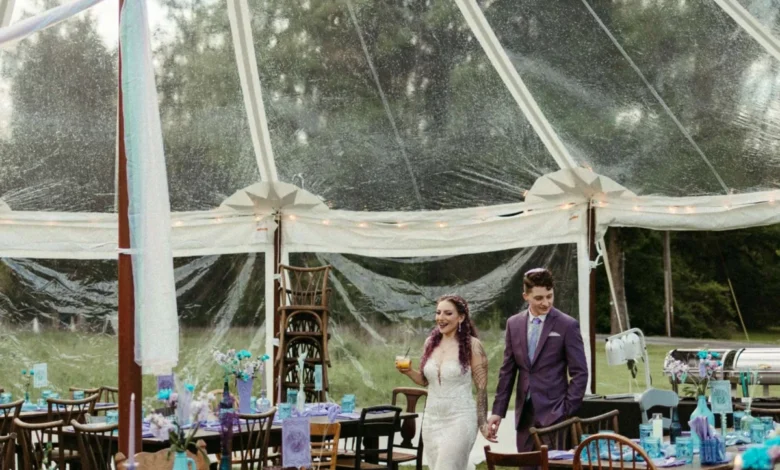
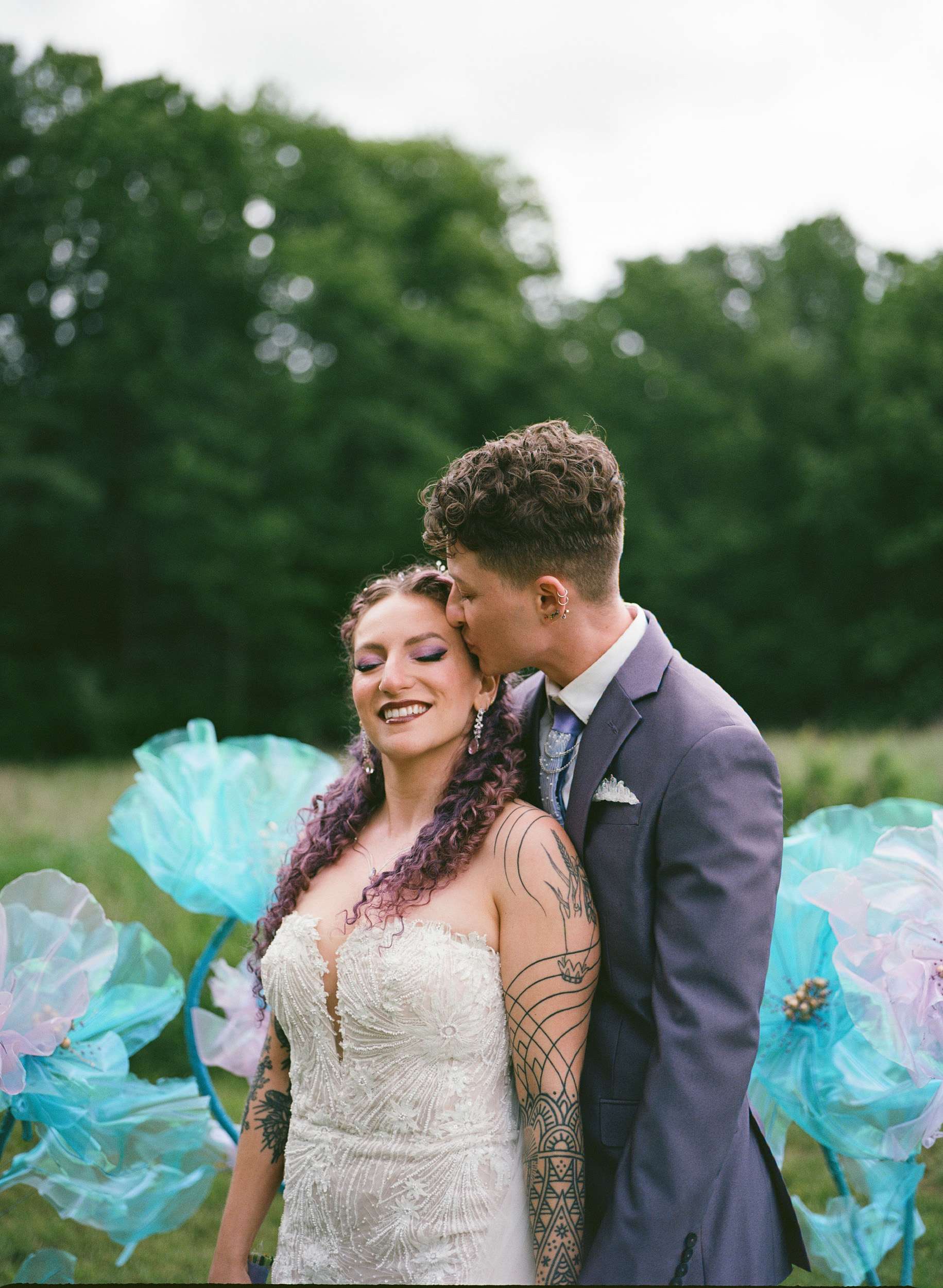
In the rolling landscape of the Hudson Valley, New York, a recent wedding ceremony has set a new benchmark for DIY event planning, community-driven aesthetics, and the integration of non-traditional values into established cultural rituals. The marriage of Aviva and J.D., held on November 19, 2026, was not merely a private union but a carefully curated immersive experience that blended 1970s disco nostalgia with the fantastical elements of an ethereal renaissance festival. By challenging the industry-standard "default" wedding model, the couple created a blueprint for future celebrations that prioritize accessibility, creative agency, and the authentic representation of queer identity.
A Weekend of Curated Communal Rituals
The celebration was designed as a multi-day festival rather than a single-day event, a trend gaining traction among couples seeking to foster deeper connections with their guests. The festivities commenced with a "Welcome Festival," which functioned as an ice-breaking communal event. This opening segment included a curated talent show featuring close friends, a surprise musical performance by the bride’s band, and concluded with a communal campfire karaoke session. This structure served to deconstruct the traditional hierarchy of a wedding, where the couple is often the sole focus, instead emphasizing the role of the community in the couple’s life.
The following day was dedicated to the formal ceremony and reception. The transition from the informal, high-energy festival atmosphere to the structured, meaningful ritual of the wedding ceremony provided a deliberate contrast, ensuring that the emotional significance of the day remained paramount.
The Economics of DIY and Creative Agency
One of the most notable aspects of the event was its financial and logistical execution. Faced with the often-prohibitive costs of the modern wedding industry, the couple opted for a DIY-first approach that allowed for greater personalization while maintaining fiscal responsibility.
The couple’s budget-conscious strategies included:
- Second-hand Procurement: The bride’s wedding attire was a pre-owned designer garment sourced for $300, later tailored to fit, demonstrating a significant departure from the average bridal spend in the United States, which often exceeds $2,000 for a dress alone.
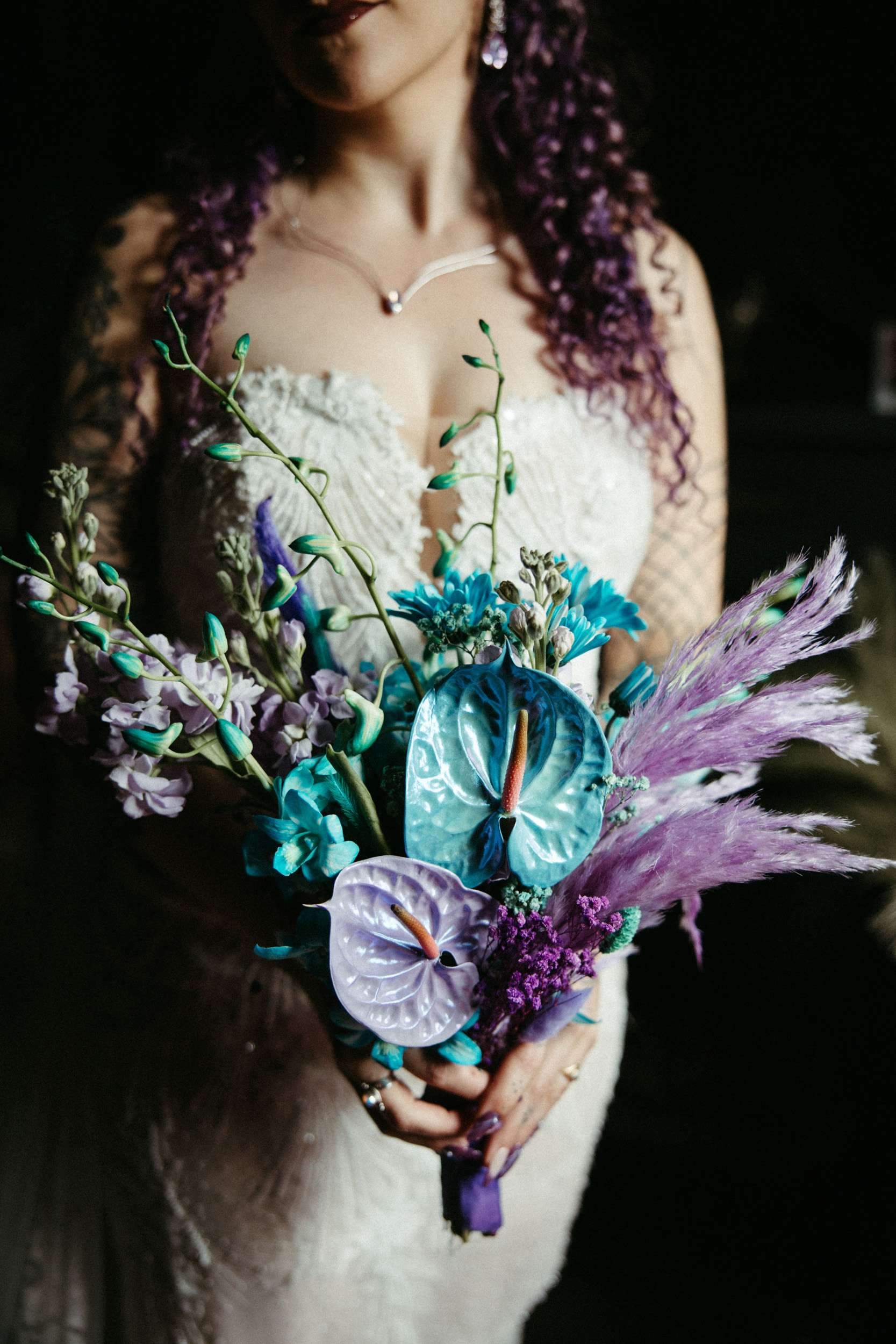
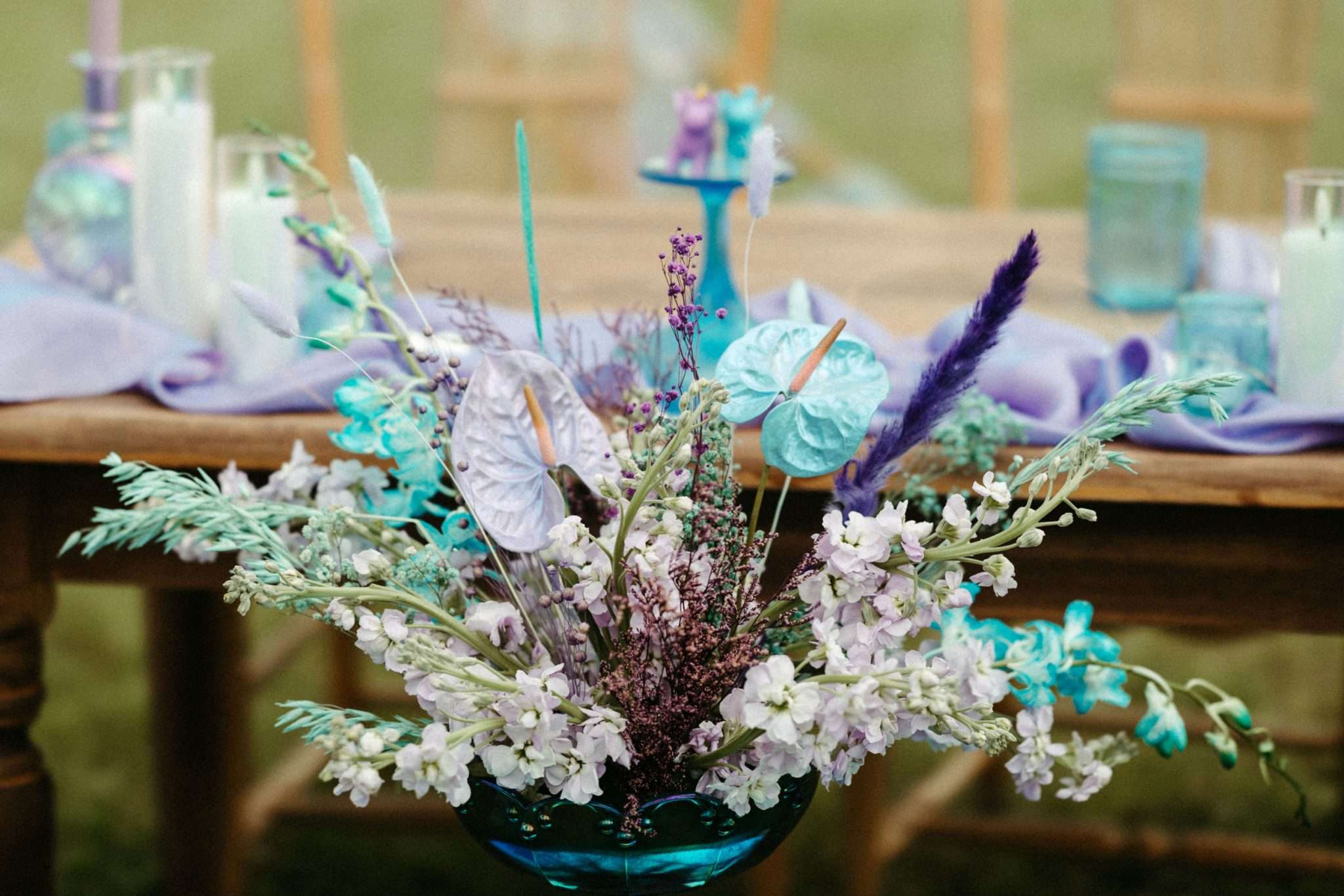
- Wholesale Sourcing: Rather than engaging professional florists, which can account for 10% to 15% of a total wedding budget, the couple sourced stems wholesale and designed the floral arrangements themselves.
- Repurposing and Upcycling: Decorations, including centerpieces, were thrifted and subsequently repainted to adhere to the event’s specific color palette of purple and turquoise.
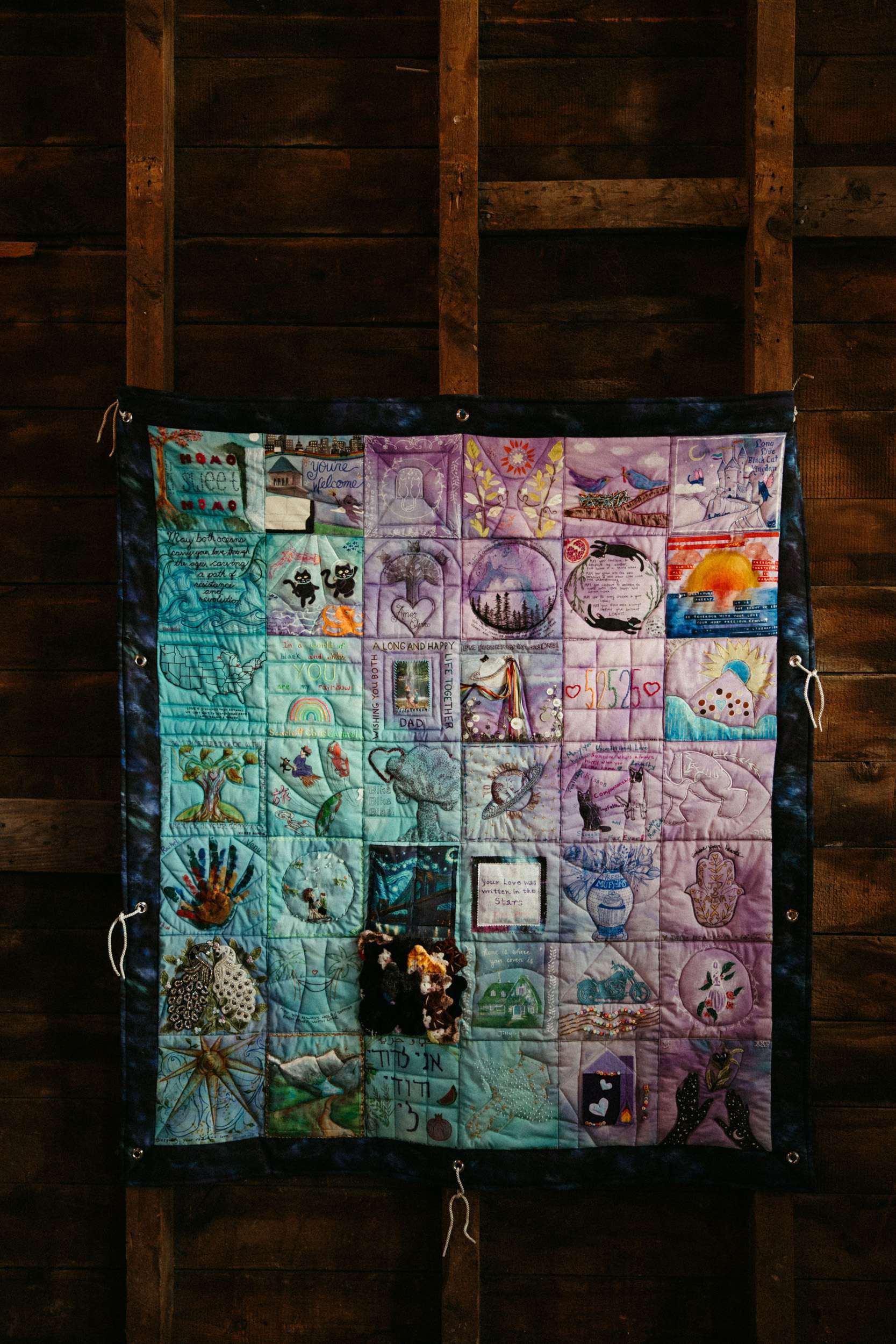
- Collective Crafting: The chuppah, a central element of the Jewish wedding tradition, was constructed through a collective effort. Forty friends and family members contributed fabric squares, which were then quilted by a relative. This object serves as a physical representation of the community’s support, now functioning as a permanent heirloom in the couple’s home.
This strategy not only minimized costs but also served as a project management exercise that allowed the couple to exercise total creative control over the environment.
Redefining Traditional Rituals for a Modern Context
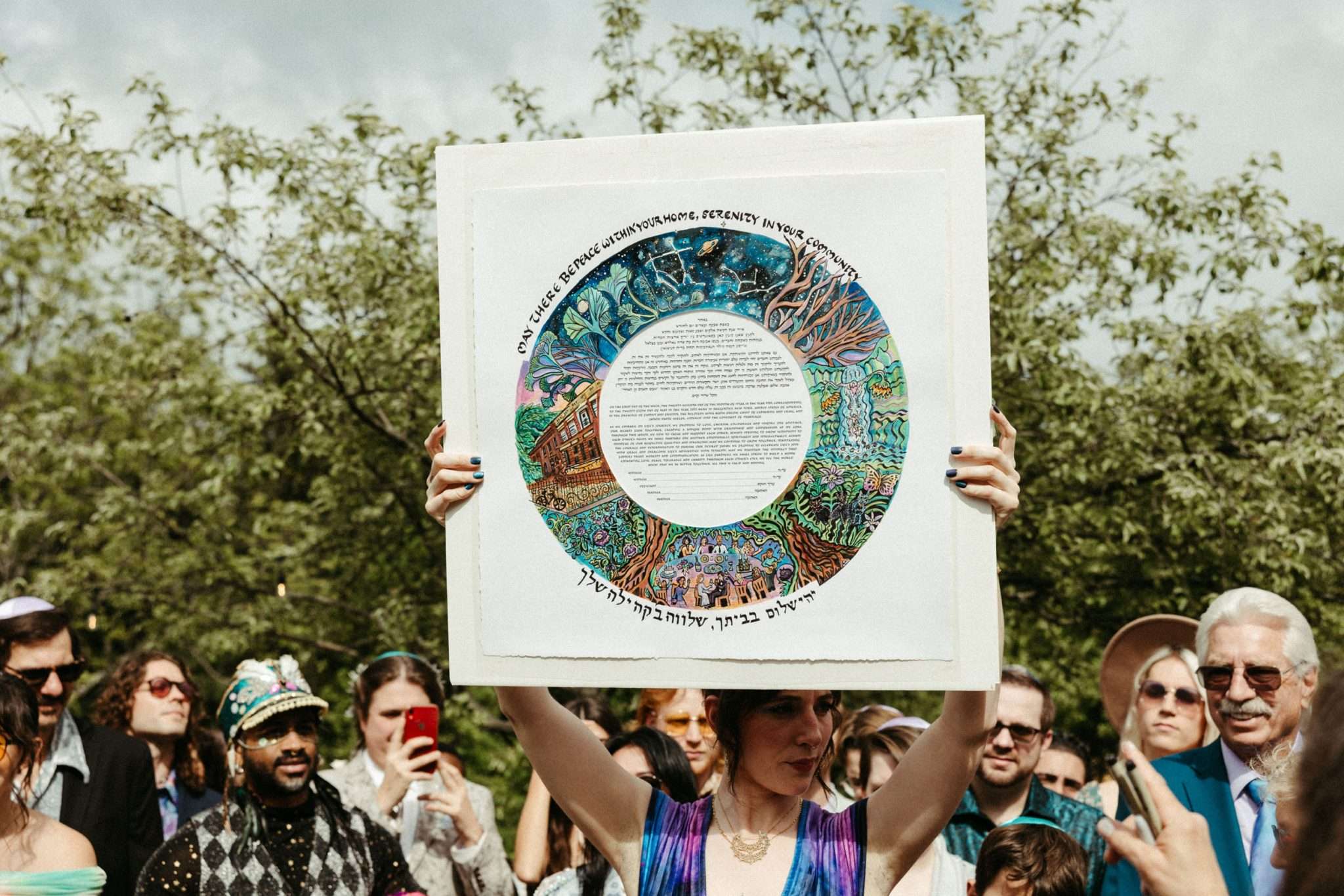
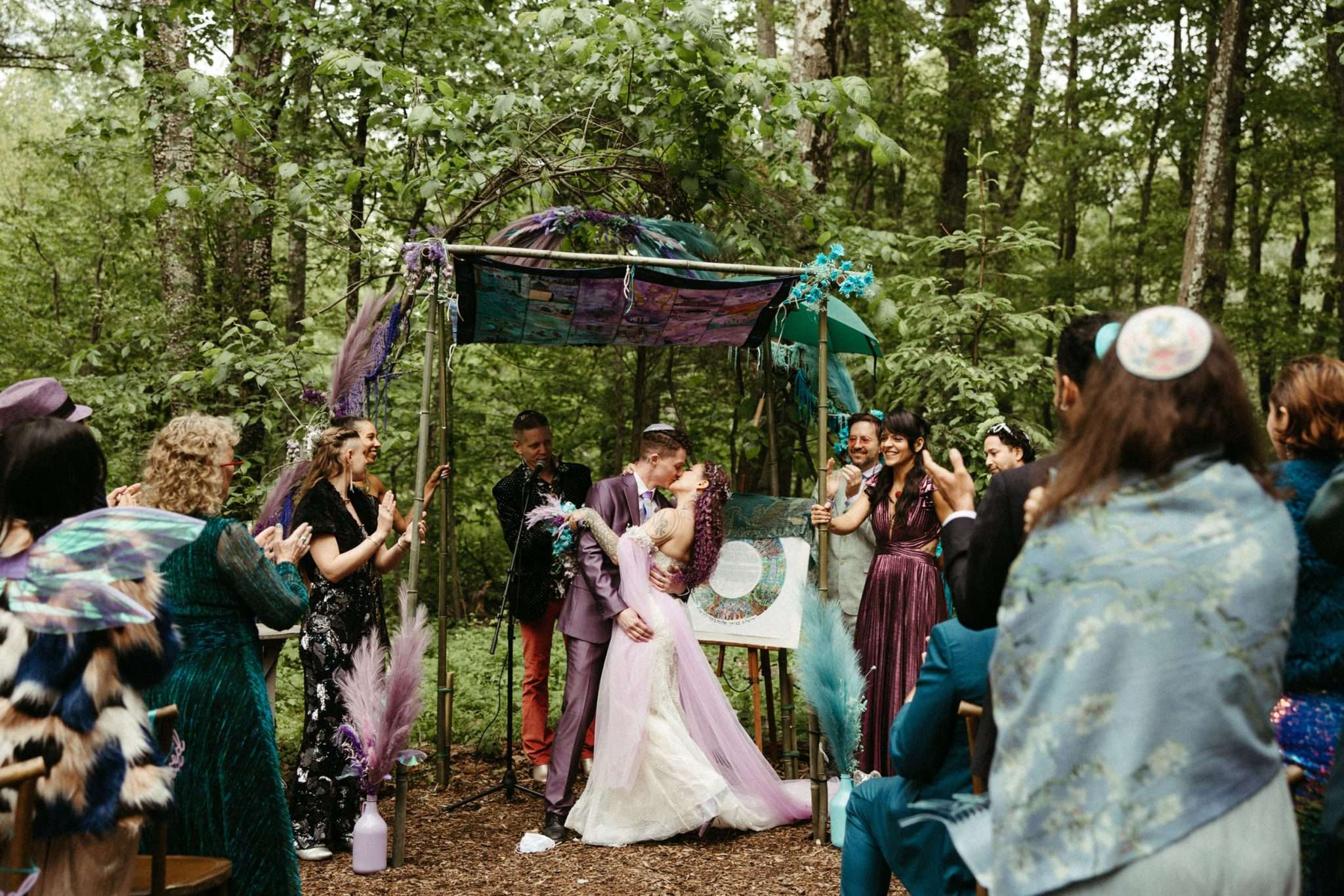
A critical component of the event was the integration of Jewish customs into a framework that felt inclusive and representative of the couple’s values. Officiated by a queer rabbi, Shir Meira Fete, the ceremony served as a case study in how religious traditions can be adapted to reflect contemporary identities.
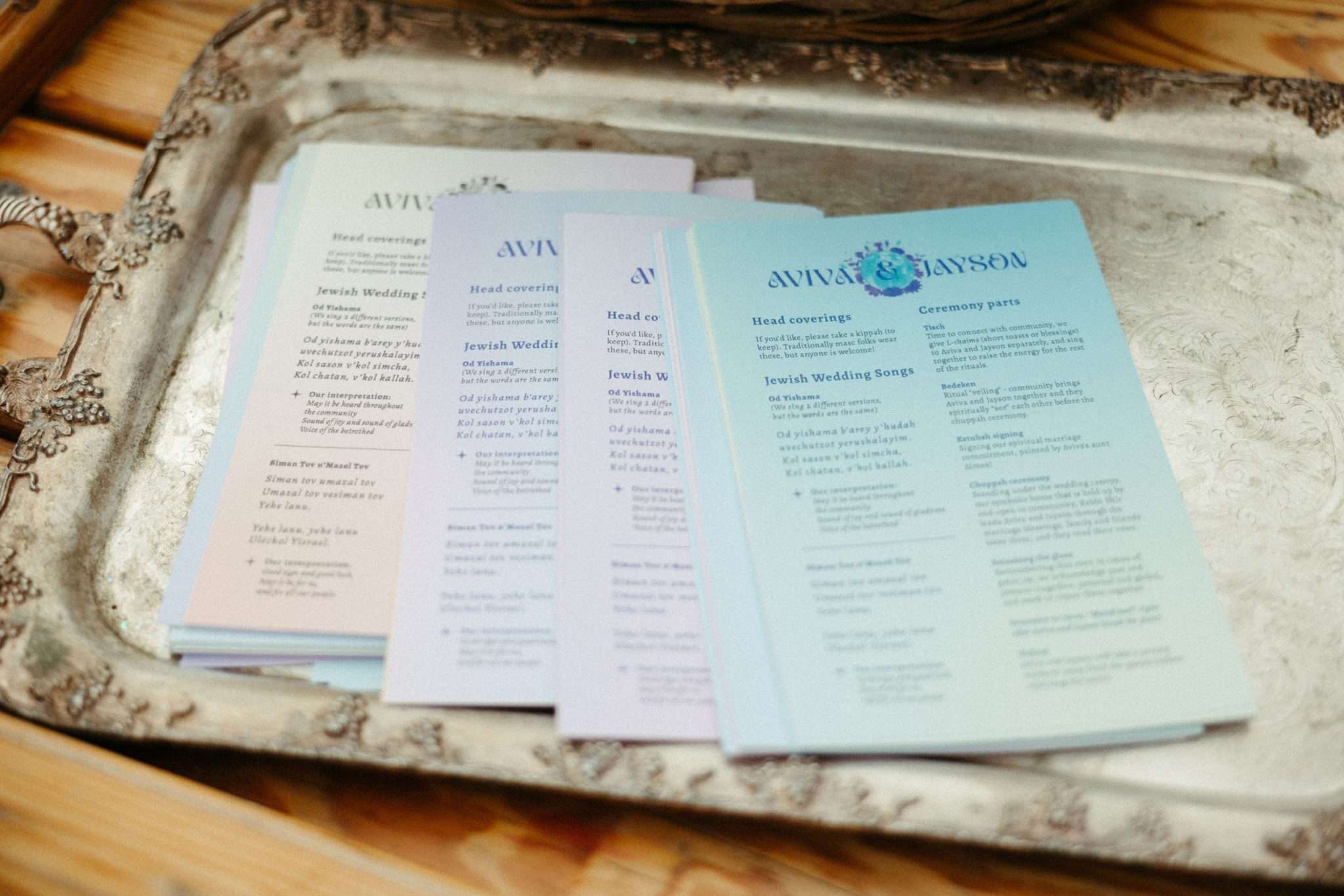
To ensure that all guests—regardless of their background—could participate fully, the couple produced a detailed, accessible guide. This document provided context for the various Jewish rituals involved, shared the musical selections, and explained the symbolism behind each act. According to anecdotal feedback from attendees, this level of intentionality resulted in one of the most meaningful ceremony experiences they had encountered. By reframing traditional language and actions, the couple successfully bridged the gap between religious heritage and modern, queer-inclusive ethics.
The Broader Context: Queer Joy as Resistance
The event carried significant sociopolitical weight. In an era where legislative challenges to the rights of queer and trans individuals remain a prominent concern in the United States, the wedding was framed by the couple as a radical act of visibility.
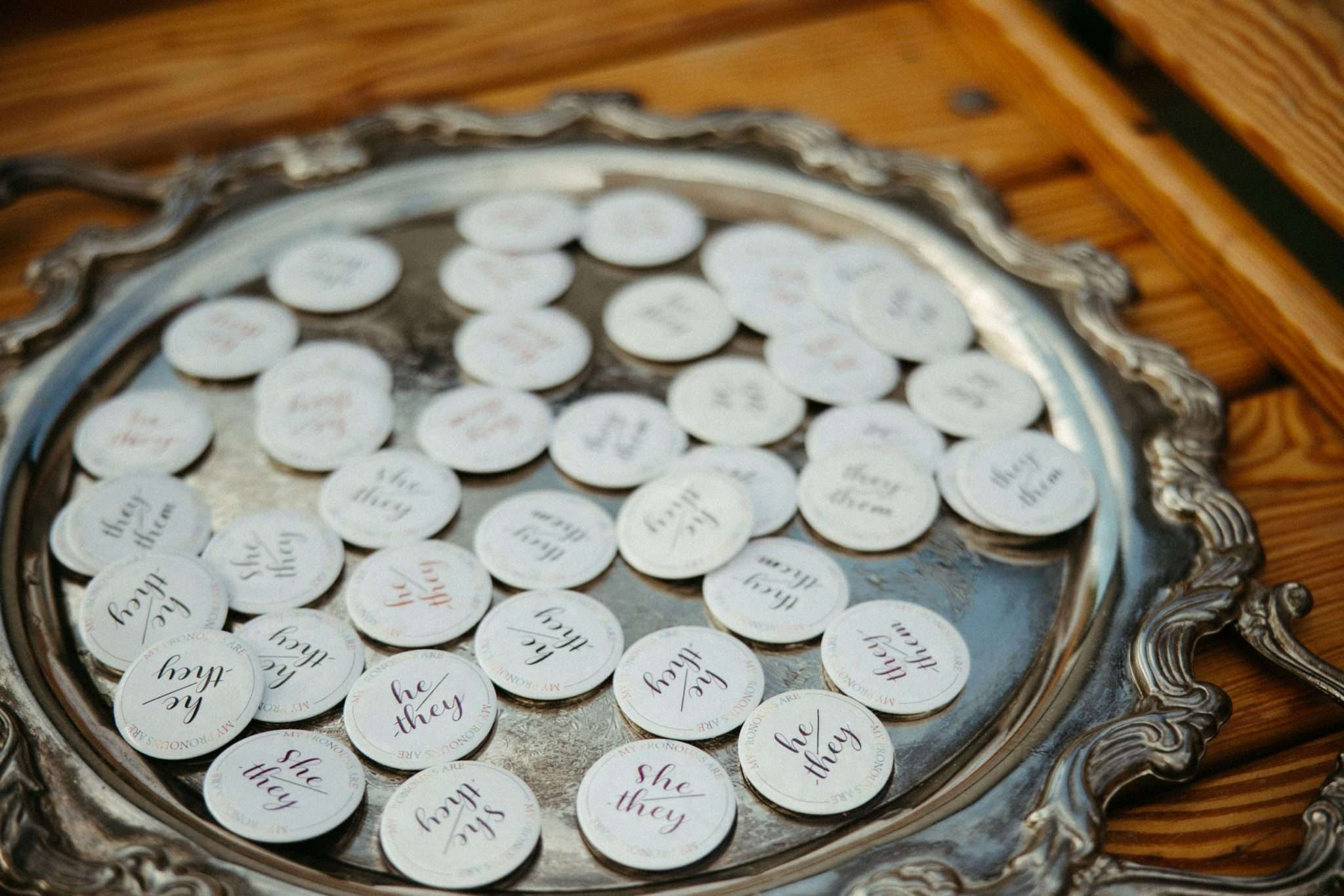
"Queer and trans existence is being threatened every day, and our wedding was truly a testament to the resilience and expansiveness of our love, and the radical joy and creativity of our community," the couple stated. By centering their relationship within a highly visible, celebratory, and unapologetically queer context, the couple transformed their nuptials into a public declaration of endurance.
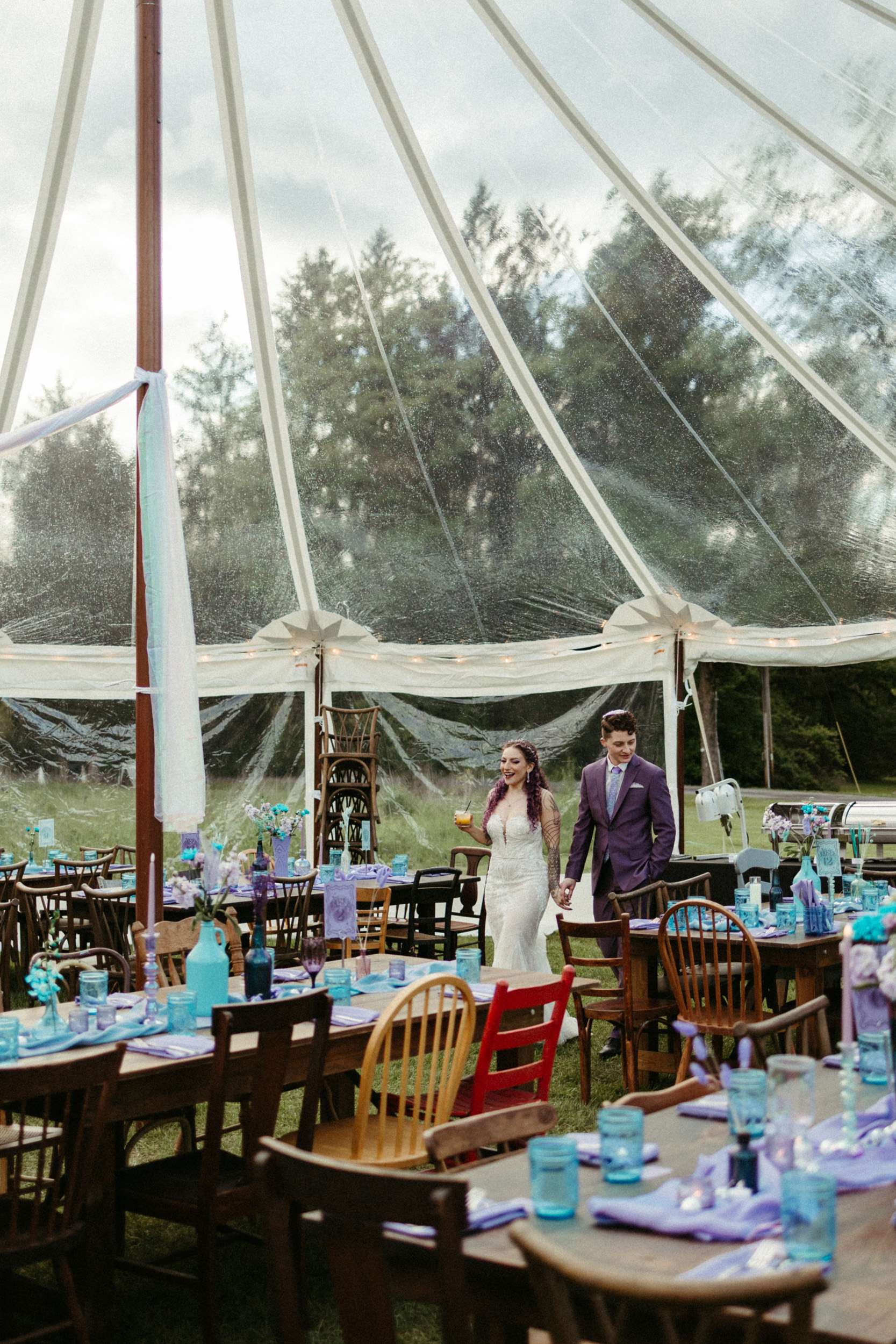
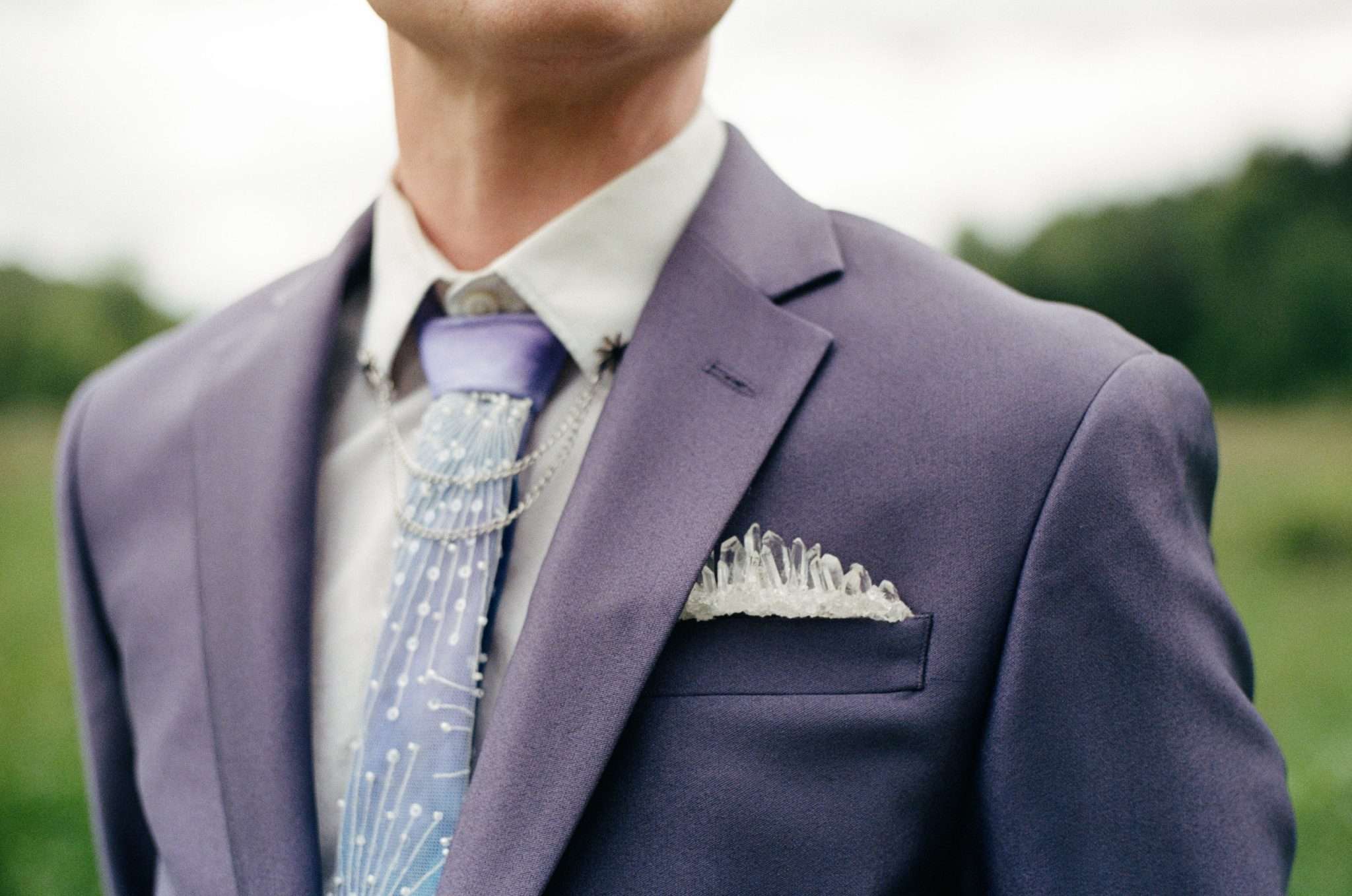
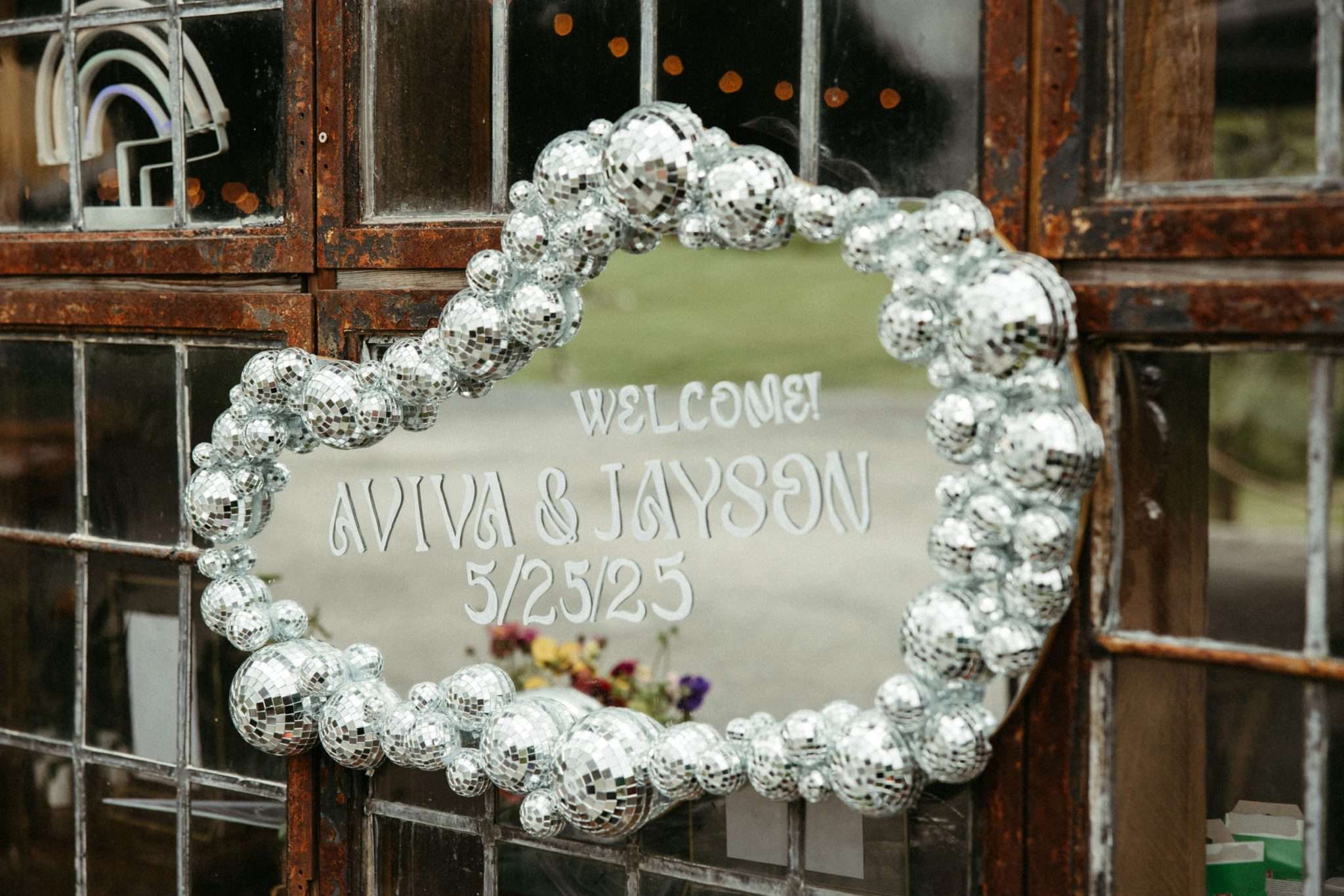
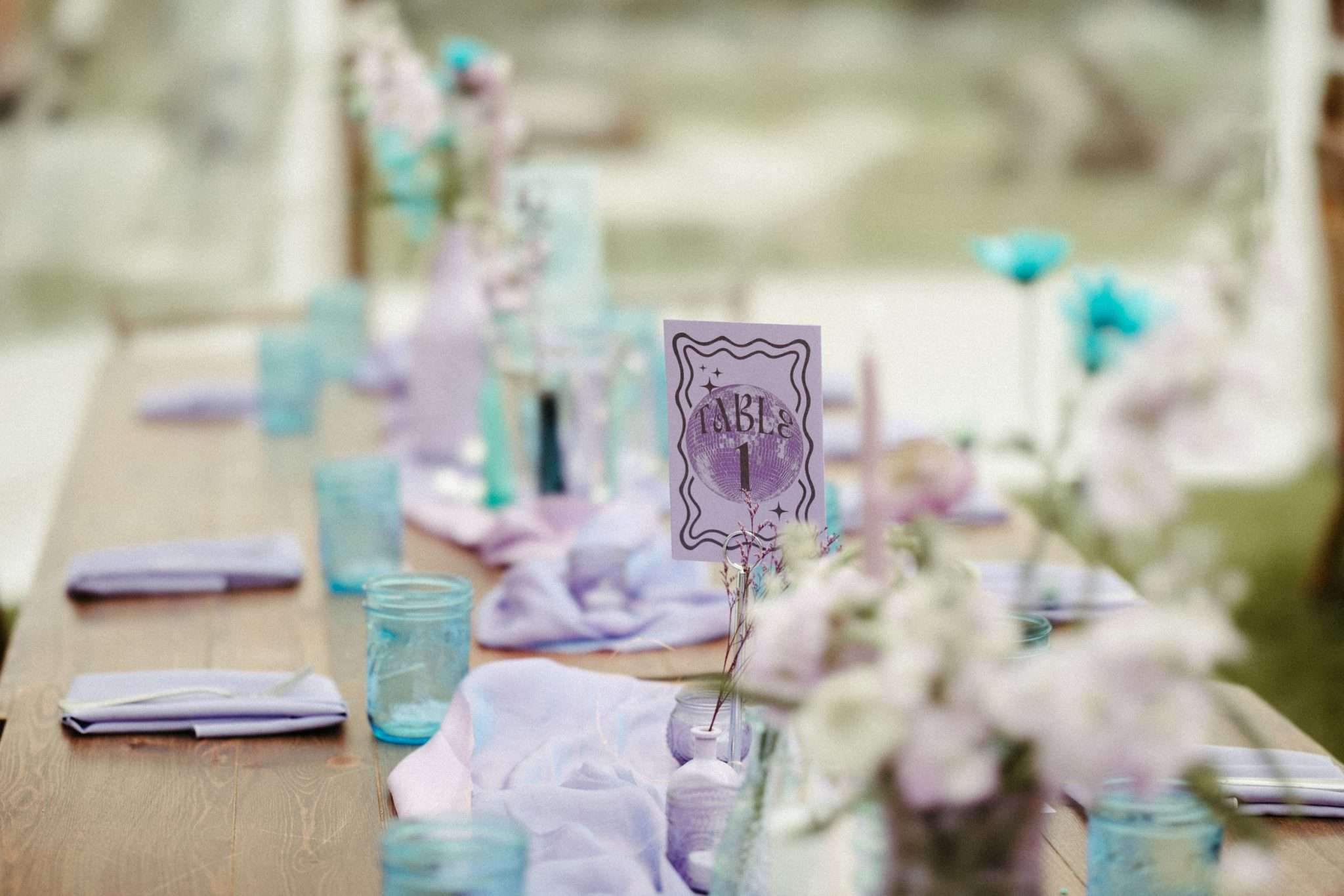
The choice of aesthetic—iridescent textures, wings, disco balls, and a vibrant color palette—served as an extension of this philosophy. The theme, described as "1970s disco fever meets ethereal drag renaissance festival," was not chosen merely for visual appeal but as a reflection of the expansive, non-conforming nature of their community.
Industry Implications and Future Trends
The success of this Hudson Valley wedding highlights a shifting tide in the wedding industry. For decades, the industry has relied on standardized packages and traditional expectations. However, the move toward "intentional event design"—a term used by wedding planners to describe weddings that prioritize the couple’s specific values over industry conventions—is becoming more pronounced.
The implications for the industry include:
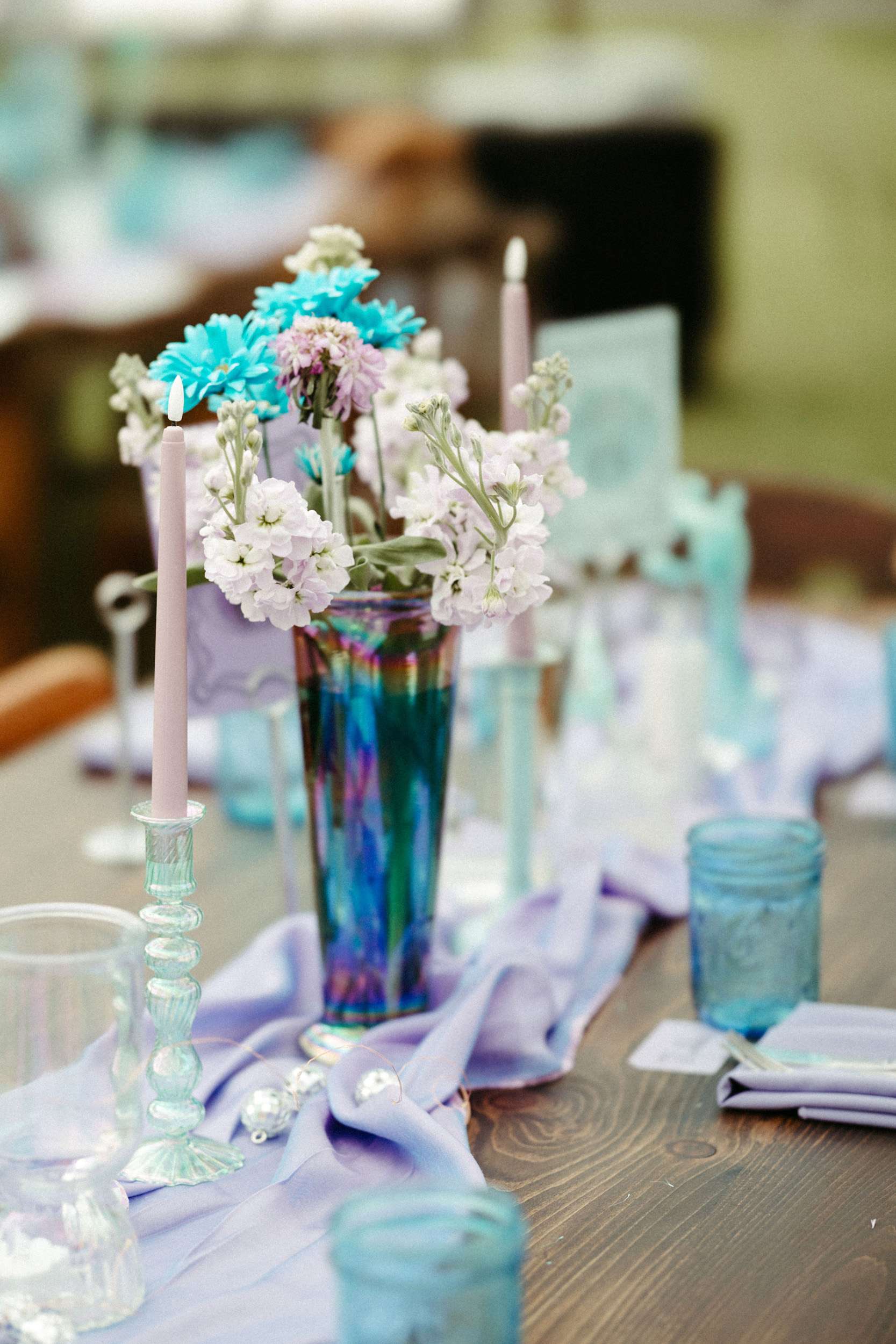
- The Rise of the Micro-Community Event: Couples are increasingly looking for ways to include their "chosen family" in the logistical aspects of the wedding, transforming the event into a collaborative project.
- De-professionalization of Decorative Elements: As seen in the couple’s use of wholesale florals and thrifted decor, there is a growing trend toward DIY elements that require more time and labor but offer higher sentimental value and lower financial overhead.
- Inclusive Ritual Design: The demand for officiants who are willing to adapt religious or cultural rituals to fit diverse gender and relationship models is growing.
Conclusion: A Blueprint for Personalized Celebration
The wedding of Aviva and J.D. serves as a compelling case study in the power of personal agency. By rejecting the "default" paths offered by the wedding industrial complex, they were able to create an environment that was deeply reflective of their personal and communal identity.
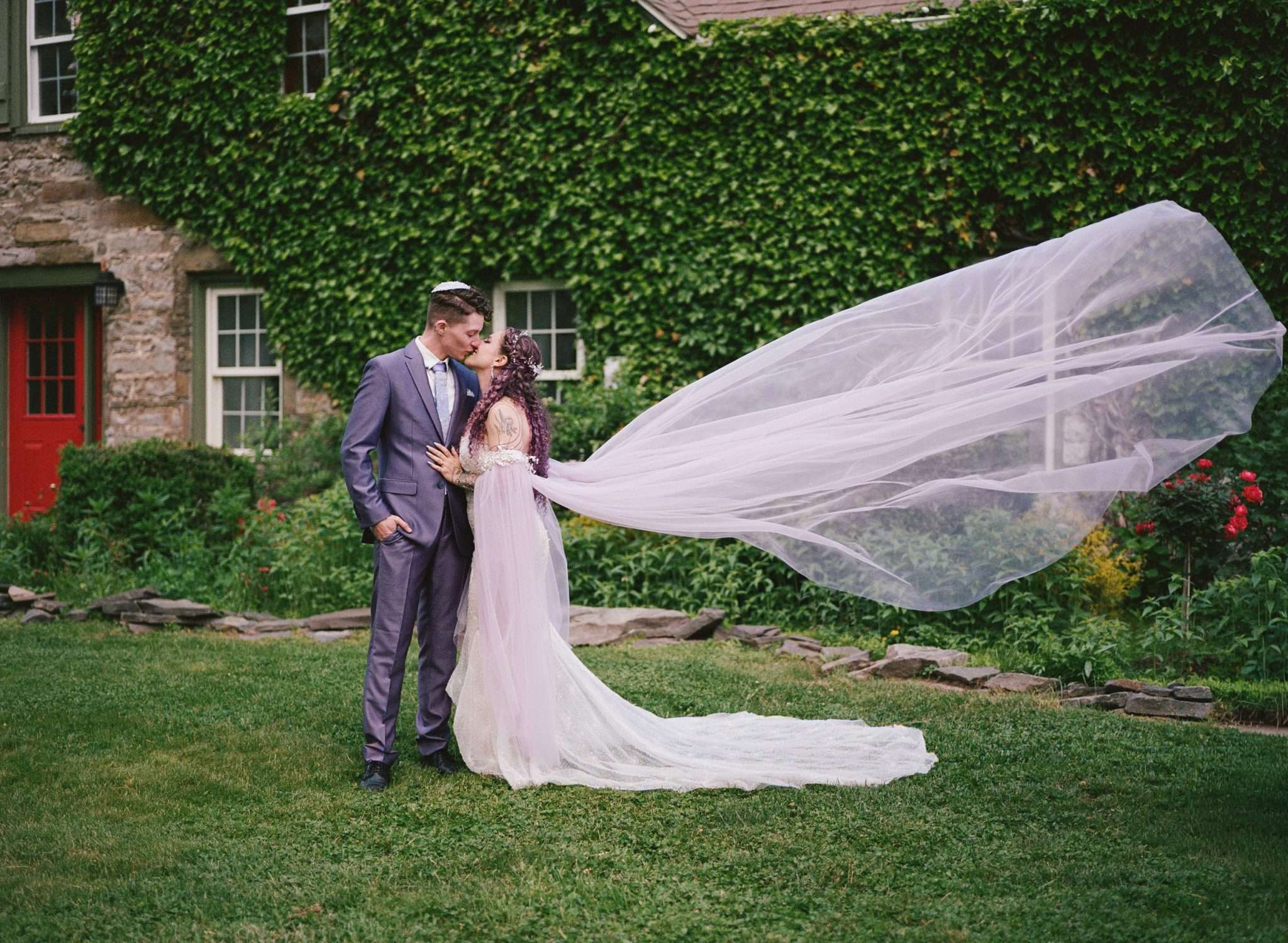
The event was a synthesis of labor, art, and tradition. From the meticulous application of mirror tiles to hundreds of disco balls to the collaborative stitching of the chuppah, every element served to reinforce the idea that a wedding is not a product to be purchased, but a ritual to be constructed. As couples continue to navigate the balance between tradition and personal expression, the model demonstrated in the Hudson Valley offers a roadmap for those seeking to prioritize authenticity, inclusivity, and communal connection in their own celebrations.