Challenging the Gaze: Debora Brune’s UNCOOL Redefines Disability and Beauty in Contemporary Photography

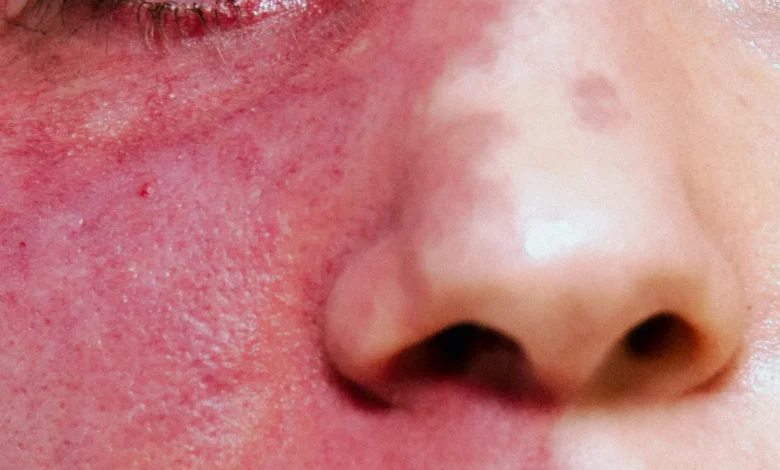
In an era saturated by digital filters, algorithmic homogenization, and the hyper-curated obsession with physical perfection epitomized by modern “looksmaxxing” trends, photographer and artist Debora Brune has released a compelling antidote. Her new photobook, UNCOOL, cuts through the noise of contemporary beauty culture to offer a raw, uncompromising meditation on identity, physicality, and the societal hierarchies of representation.
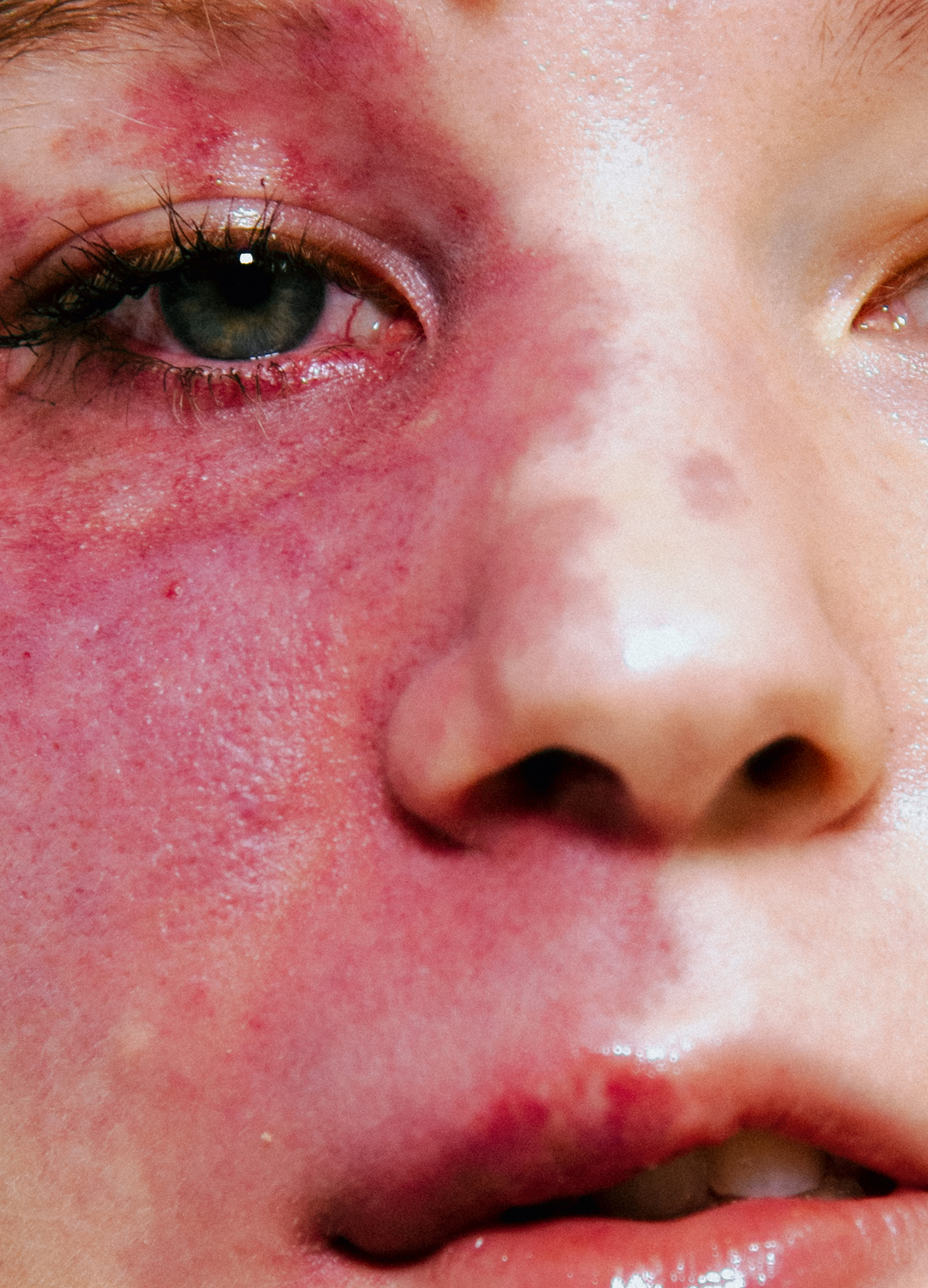
Featuring striking portraits of 27 individuals—including Brune herself—the project deliberately sidesteps traditional tropes of inspiration, pity, and medicalized voyeurism. Instead, it presents its subjects with the same rigorous aesthetic ambition, striking composition, and creative liberty typically reserved for high-fashion editorials. By confronting the viewer with bodies that routinely fall outside society’s narrow, conventional parameters of desirability, UNCOOL asks a fundamental and uncomfortable question: Which bodies are normally granted visibility, and under what conditions?
The Anatomy of Exclusion: Background and Context
To understand the cultural weight of UNCOOL, one must examine the prevailing visual economy of the twenty-first century. Mainstream media, advertising, and fashion have historically marginalized individuals with physical differences, rendering them either entirely invisible or hyper-visible solely as objects of charity, inspiration, or medical curiosity. When disabled individuals do appear in commercial media, they are frequently subjected to the "inspiration porn" phenomenon—a term popularized by disability rights activist Stella Young—where their everyday existence is framed as inherently heroic simply to make non-disabled audiences feel better about their own lives.

Debora Brune’s project systematically dismantles this paradigm. For UNCOOL, Brune turned her lens toward a diverse cohort of participants, encompassing wheelchair users, amputees, cancer survivors, individuals with Down syndrome, and those experiencing hearing loss or visual impairments. Rather than attempting to soften, explain, or visually integrate these differences to make them more palatable to mainstream audiences, Brune embraced them as the foundational visual elements of her artistic compositions. What conventional media might erroneously label as "flaws" or "undesirable" traits are transformed into points of distinct visual specificity and striking beauty.
As participant Kjell aptly noted in a sentiment that echoes throughout the volume, “I no longer want to explain myself as a body.” This powerful declaration underscores the exhaustion many individuals face when forced to constantly justify, contextualize, or apologize for their physical forms in a world obsessed with standardization.

A Chronology of Creation: From Concept to Publication
The genesis of UNCOOL required a meticulous, long-term commitment to reshaping how photographic subjects are engaged. Unlike commercial shoots where models are directed to conform to pre-established ideals, Brune’s collaborative process involved deep dialogues with her subjects, treating them as active co-creators of their visual narratives rather than passive objects.
While the final publication materializes as a definitive milestone in 2026, the underlying framework of the project builds upon over a decade of shifting discourse surrounding corporeality in photography. Over the development phase, Brune conducted extensive interviews alongside her portrait sessions, ensuring that the voices of her subjects would accompany their visual representations. The resulting collection features 27 distinct portraits, including notable contributions from subjects such as Natalie-Amber, Hannah, Gui, Apollonia, Lauren H., Sophie, Catrin, Kjell, Helene, and Brune herself.

The production timeline prioritized artistic autonomy. Brune deliberately avoided the cautious, kid-gloved approach often adopted by photographers working with marginalized communities. By utilizing stark lighting, deliberate framing, and uncompromising angles, she placed her subjects firmly within the tradition of high-art portraiture, demanding that the viewer look not away, but closer.
Supporting Data and Societal Implications
The release of UNCOOL arrives at a critical juncture in cultural sociology and media studies. According to data from the World Health Organization (WHO), approximately 16% of the global population—or roughly 1.3 billion people—experience a significant disability today. Despite representing over one-sixth of humanity, disabled individuals remain severely underrepresented or stereotyped in commercial media and advertising.

Recent industry studies on media representation indicate that tokenism remains rampant, with less than 5% of mainstream commercial campaigns featuring individuals with visible physical differences. Furthermore, when representation does occur, it is frequently concentrated in niche publications rather than mainstream cultural spaces. UNCOOL challenges this segregation by demanding space within the broader discourse of contemporary art and photography.
From an analytical standpoint, the implications of Brune’s work extend far beyond the art gallery or the coffee table book format. By subverting the "gaze" of the viewer, the photobook forces an internal reckoning within contemporary visual culture. It exposes the fragility of societal beauty standards, which are revealed not as universal truths, but as culturally constructed hierarchies that serve to exclude and marginalize.

Official Perspectives and Critical Reception
While UNCOOL is primarily an artistic endeavor rather than a political manifesto, it has naturally drawn praise from arts critics, disability advocates, and cultural commentators alike. Critics have highlighted Brune’s ability to navigate the fine line between aesthetic innovation and ethical representation.
Art historians note that Brune’s approach recalls the traditions of post-modern portraiture, where the power dynamic between photographer and subject is fundamentally renegotiated. By including herself in the collection, Brune removes any clinical distance, positioning herself as an equal participant within a shared human experience rather than an objective observer peering in from the outside.

Reactions from the participating subjects emphasize a profound sense of liberation. For many, participating in UNCOOL provided a rare opportunity to be seen entirely on their own terms—stripped of medical categorization, societal pity, or forced inspiration. The portraits—ranging from Natalie-Amber’s commanding presence to the quiet introspection captured in portraits of Hannah, Gui, and Apollonia—demonstrate a wide spectrum of human emotion, agency, and individuality.
Broader Impact and Future Outlook
As UNCOOL finds its way into bookstores, universities, and private collections internationally, its long-term cultural impact is already taking shape. The book serves as a vital educational tool for students of photography, journalism, and sociology, illustrating how visual media can either reinforce systemic inequalities or actively dismantle them.

In an age where digital manipulation and unrealistic physical standards continue to take a heavy toll on public mental health, projects like UNCOOL offer a much-needed course correction. They remind society that true diversity is not merely a box to be checked in corporate marketing strategies, but a rich, complex, and beautiful reality of the human condition.
Ultimately, Debora Brune has delivered more than just a collection of photographs. UNCOOL is a visual and intellectual challenge to a world obsessed with conformity—a persistent reminder that dignity, strength, and beauty reside far beyond the narrow confines of conventional standards.