Comprehensive Wedding Planning Tools Emerge as Couples Face Rising Costs and Logistical Complexity in 2024 and 2025

The landscape of the global wedding industry is undergoing a significant transformation as couples increasingly turn to sophisticated digital management tools to navigate the rising costs and logistical hurdles of modern event planning. With the average cost of a wedding in the United States hovering between $30,000 and $35,000, and similar inflationary pressures affecting markets in Europe and Australia, the demand for precision budgeting has never been higher. In response to this shift, industry leaders and digital platforms are releasing advanced organizational frameworks designed to mitigate the financial stress associated with large-scale celebrations. Most recently, the prominent wedding resource Bridal Musings, in collaboration with the digital shop The Creations, has unveiled a tiered suite of planning tools, ranging from accessible entry-level spreadsheets to comprehensive premium management systems, signaling a broader move toward the democratization of professional-grade event planning.

The introduction of these tools comes at a critical juncture for the "wedding boom" of the mid-2020s. Following the post-pandemic surge in ceremonies, the industry has settled into a new reality defined by high vendor demand and increased service fees. For couples planning ceremonies for 2024, 2025, and beyond, the primary challenge is no longer just aesthetic inspiration, but granular financial oversight. Data from recent industry reports suggests that over 40% of couples exceed their initial budget by at least 20%, often due to a lack of centralized tracking for hidden costs such as service tips, taxes, and last-minute logistical adjustments.

The Evolution of Wedding Budgetary Management
Historically, wedding planning was managed through physical binders or high-cost professional consultants. However, the rise of the "DIY" (Do-It-Yourself) movement, coupled with the ubiquity of cloud-based software like Google Sheets and Microsoft Excel, has shifted the paradigm. Digital spreadsheets offer a level of dynamism that paper planners cannot match—allowing for real-time updates, automated calculations, and collaborative access for partners and family members.

The latest offerings from Bridal Musings highlight this evolution. The platform has released a foundational Wedding Budget Spreadsheet, a tool born from the personal planning experiences of its founders, Elizabeth and Zee. By utilizing a framework that they personally employed to manage their own nuptials, the founders have prioritized a "detail-enthusiast" approach. This foundational tool is designed to assist couples from the earliest stages of vendor research through to the final payment cycles. It allows users to estimate costs across dozens of categories, track actual expenditures against those estimates, and maintain a historical record of payments made to confirmed vendors.

Granular Oversight: The All-in-One Premium Framework
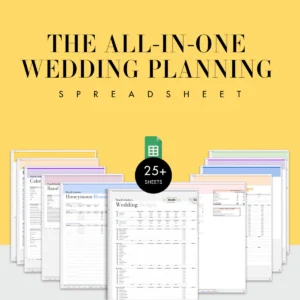
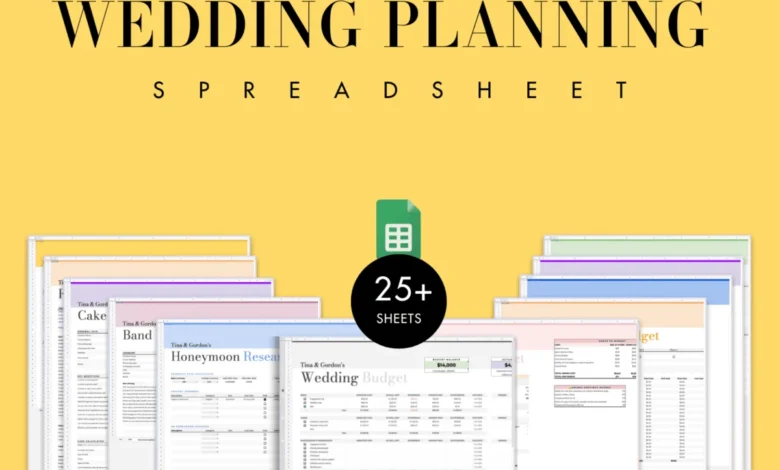
While the free version addresses the fundamental need for expense tracking, the market has seen a growing appetite for "All-in-One" solutions that integrate budgeting with every other facet of the event. The premium Wedding Planning Spreadsheet, developed through a partnership with The Creations, represents the high-water mark of this digital integration. This system includes over 25 custom-designed sheets, reflecting the increasing complexity of modern celebrations which often span multiple days and involve diverse international guest lists.

One of the most significant additions to this premium framework is the inclusion of specialized calculators. For instance, the drinks and alcohol cost calculator addresses one of the most volatile expenses in wedding catering. By allowing couples to input guest counts and expected consumption rates, the tool helps prevent both under-ordering and the costly waste of over-purchasing. Similarly, the cake cost calculator and specialized research tabs for florists and caterers allow couples to compare multiple quotes side-by-side, a practice that financial experts say is essential for maintaining budget integrity.

Chronology of Planning: From Engagement to Honeymoon
The utility of modern planning tools is best understood through the timeline of a typical engagement. The process generally follows a standardized chronology, and the new suite of digital tools is structured to mirror this progression:

- The Research Phase (12–18 Months Out): Couples utilize venue research and catering tabs to identify providers that align with their initial financial ceiling.
- The Organizational Phase (9–12 Months Out): Tools like the Guest List and Wedding Planning Checklist become central. The premium suite includes an automated seating plan tool, which has historically been one of the most time-consuming aspects of reception planning.
- The Granular Logistics Phase (6 Months Out): Specialized sheets for music playlists, decor checklists, and the "Wedding Party" details are populated.
- The Execution Phase (1 Month Out): The "Wedding Day Timeline" and "Emergency Kit" checklists ensure that the couple and their vendors are synchronized for the 24-hour period of the event.
- The Post-Wedding Phase: Travel-related sheets and honeymoon research budgets allow for the seamless transition from the ceremony to the post-nuptial celebration.
Market Analysis and Consumer Response
The pricing strategy for these tools reflects a competitive digital marketplace. The premium planner, normally valued at $105, is currently being offered at a discounted rate of $69 through the end of September. This type of promotional pricing is common in the digital goods sector, as platforms seek to capture the "peak planning season" that occurs in the late summer and early autumn.

Industry analysts suggest that the success of these digital products is tied to the psychological relief they provide. Financial anxiety is cited as one of the leading causes of interpersonal conflict during the wedding planning process. By providing a "single source of truth" for the budget, these spreadsheets act as a neutral arbiter between partners, parents, and vendors.

Furthermore, the inclusion of "Wedding Weekend" spreadsheets in the premium package acknowledges the trend toward multi-day events. Modern couples are increasingly hosting welcome dinners, farewell brunches, and organized excursions for out-of-town guests. Managing these secondary events requires a separate but integrated budget, a feature that was largely absent from older, more simplistic planning templates.

Broader Implications for the Wedding Industry
The rise of professional-grade planning tools for the general public has significant implications for wedding coordinators and consultants. As couples become more adept at managing their own logistics through sophisticated software, the role of the professional planner is shifting toward "Day-of Coordination" rather than long-term administrative management.

Additionally, the emphasis on vendor research and quote comparison within these tools puts pressure on service providers to be more transparent with their pricing. When a couple can easily compare five different florist quotes in a standardized spreadsheet, vendors must be more competitive and clearer about the value they provide.

The travel and honeymoon components of the Bridal Musings suite also point to a growing integration between the wedding and tourism industries. By including packing lists for both the bride and groom, and detailed honeymoon research budgets, the tools encourage couples to view their wedding not as a single day, but as a comprehensive travel experience.

Conclusion
As the wedding industry continues to navigate a period of high costs and high expectations, the reliance on digital organizational tools is set to become the standard rather than the exception. The release of the Bridal Musings and The Creations toolkit—from the free foundational spreadsheet to the 25-sheet premium planner—provides a roadmap for how couples can maintain financial control without sacrificing the quality of their celebration. In an era where "the details" are more numerous and expensive than ever, these tools offer a vital lifeline for those seeking to balance their dreams with their bank accounts. The move toward integrated, user-friendly, and highly granular planning software is a definitive step toward a more organized and less stressful future for couples worldwide.