Jewelry Denim, New Heritage and Imperfect Jeans Top Denim Dudes’ Trend Forecast

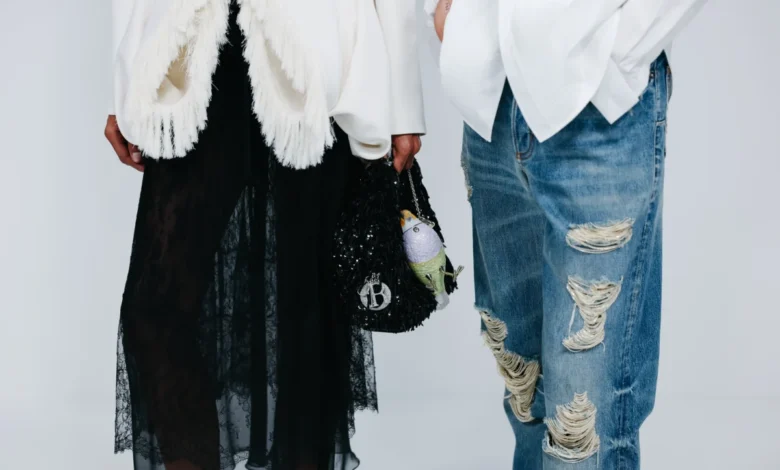
Amy Leverton, the influential founder of Denim Dudes, has presented her visionary trend forecasts for Fall/Winter 2027-2028, signaling a profound shift in the global denim industry. Unveiled last month at the prestigious Denim Première Vision event in Milan, Leverton’s projections highlight three overarching themes: a return to high romance reminiscent of Marie Antoinette, a celebration of denim with a distinct human touch, and the emergence of a new generation of heritage brands. These themes collectively point towards a future where denim transcends mere utility, becoming a canvas for emotional expression, individual authenticity, and enduring value.
Denim Première Vision: A Global Nexus for Innovation
Denim Première Vision, held annually in Milan, stands as a pivotal event in the international textile calendar. It serves as a crucial platform for the denim ecosystem, bringing together yarn spinners, fabric weavers, manufacturers, accessory makers, and technology innovators from across the globe. For industry professionals, it is the essential forum to explore the latest advancements, forge partnerships, and, critically, absorb the trend forecasts that will shape collections years in advance. Leverton’s presentation at such a high-profile event underscores the significance of her insights, offering a strategic roadmap for designers and brands navigating the complexities of future fashion cycles. The biannual gathering is not just a trade show; it is a barometer for the industry’s health, a launchpad for sustainable practices, and a crucible where the aesthetic directions of denim are forged. Its Milan iteration specifically emphasizes the blend of technical innovation with high fashion sensibilities, a characteristic that resonates deeply with Leverton’s romantic and sophisticated predictions.
Amy Leverton: A Guiding Voice in Denim Futures
As the founder of Denim Dudes, Amy Leverton has cemented her reputation as one of the most respected and forward-thinking voices in denim trend forecasting. Her expertise extends beyond surface-level aesthetics, delving into the cultural, social, and technological undercurrents that drive consumer behavior and design innovation. Through her consultancy, publications, and presentations, Leverton provides invaluable guidance to brands ranging from established global players to emerging labels, helping them to anticipate shifts and craft collections that resonate with future markets. Her ability to synthesize disparate influences into coherent, actionable trend narratives makes her presentations eagerly awaited, offering a strategic advantage to those looking to stay ahead in a rapidly evolving industry. Her insights are grounded in extensive research, global market analysis, and a deep understanding of textile development, ensuring her forecasts are both aspirational and commercially viable.
The Macro Landscape: Shaping Denim’s Evolution
The trends for Fall/Winter 2027-2028 do not emerge in a vacuum; they are a direct reflection of broader societal and technological shifts. The post-pandemic era has ushered in a renewed appreciation for comfort, longevity, and meaningful consumption, moving away from purely ephemeral trends. Simultaneously, the accelerating influence of artificial intelligence across creative industries has sparked a counter-movement towards celebrating human ingenuity, visible imperfection, and authentic narratives. Economically, consumers are increasingly discerning, seeking garments that offer both emotional connection and practical durability. Furthermore, the pervasive demand for sustainability continues to be an underlying driver, pushing brands towards innovative production methods, responsible material sourcing, and designs that encourage repair and extended product life cycles. These forces collectively set the stage for Leverton’s three core themes, each addressing a unique facet of the evolving consumer psyche and market demand.
High on Romance: A Royal Reimagining of Denim
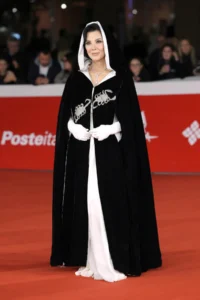
The first and arguably most visually striking theme Leverton introduced is "High on Romance," proposing a denim aesthetic "befitting Marie Antoinette." This signifies a decisive pivot away from the minimalist and "quiet luxury" trends that have dominated recent seasons. Instead, designers are embracing a renewed sense of maximalist romance, characterized by fluidity, ruffles, opulent florals, and intricate decorative detailing. Leverton points to major couture houses like Valentino, Dior, Chanel, Chloé, and Alexander McQueen as pioneers of this shift, with their collections showcasing an increasingly expressive and emotional approach to fashion. This resurgence of romanticism is not merely a fleeting trend but a deeper cultural current, influenced by the enduring popularity of period dramas such such as "Wuthering Heights" and "Hamlet," which have catapulted historical silhouettes and luxurious fabrics back into the zeitgeist. The allure of escapism, grand narratives, and a yearning for beauty and artistry in an often-turbulent world fuels this aesthetic.
The industry’s embrace of its own heritage also plays a significant role. Leverton highlights Gucci Memoria, a collection of tapestries illustrating the brand’s 105-year history, as a prime example of how labels are romanticizing their archives. This introspection allows brands to tell rich, emotional stories, moving beyond transient micro-trends and algorithmic-driven dressing. The explicit reference to John Galliano’s seminal ’90s collections—renowned for their theatricality, historical opulence, and profound emotional depth—further underscores this industry-wide shift towards more thoughtful, introspective, and mood-driven self-expression. It signals a desire for fashion that evokes feeling, softness, and intricate storytelling.
In denim, this romantic mood translates into a rich tapestry of textures, colors, and embellishments. The palette moves towards soft blushes, deep moody indigos, burnished browns, and luxurious deep reds, each hue chosen to evoke an emotional response. Fabric surfaces become crucial: sluggy textures provide a tactile depth, inky indigos and green casts offer sophisticated color variations, and wool and cashmere blends introduce an unprecedented softness to denim. Flocked finishes, seen extensively, are reimagined with a "destroyed" aesthetic, adding a touch of rebellious glamour.
Silhouettes and detailing are transformed. Traditional Western denim acquires a serious, opulent tone through velvet accents and saturated darks. Heritage denim codes are subtly reworked with romantic elements like cinched backs and split pockets. Napoleonic tailoring, with its inherent grandeur and structure, is reinterpreted through a modern lens, offering sharp yet romantic forms. Demure details are replaced by extravagant ruffles at necklines and opulent bows, adding drama and flair. A notable trend is the pairing of denim with sheer, fluid fabrics such as chiffon, lace, and silk, creating a captivating contrast between ruggedness and delicacy. Furthermore, "jewelry-inspired denim" is on the rise, featuring intricate embellishments like silver threads woven into the fabric, extensive crystal applications, or delicate beadwork, transforming jeans into objets d’art. This romantic narrative even embraces the "indie sleaze" aesthetic, manifesting in low-slung bootcut denim with a "worn-in rock star attitude" and distressed finishes, proving that romance can be both grand and gritty.
Keeping It Real: The Human Touch in an AI Era
In stark contrast to the opulence of "High on Romance" yet equally driven by profound cultural shifts, Leverton’s second theme, "Keeping It Real," champions visible humanity and authenticity. As artificial intelligence continues its rapid ascent, permeating visual culture and creative processes, Leverton observes a growing consumer rejection of anything that feels overly resolved, optimized, or perfectly rendered. Instead, there’s a palpable pivot towards celebrating the "sloppy, messy side of creativity," embracing imperfection as a hallmark of genuine human endeavor.
The pervasive nature of AI has introduced a layer of skepticism regarding online imagery, eroding trust in digital representations. "Everything is visible, but nothing is fully believable," Leverton notes, creating a paradox that fuels a desire for tangibility and raw honesty. This psychological response manifests as a longing for "careless abandon" in fashion—a spontaneous, uncalculated approach that prioritizes individual expression over manufactured perfection. This sentiment translates into a chaotic, playful, yet deeply meaningful trend story for denim.
Core denim staples are subjected to deconstruction, moving beyond their traditional forms. The iconic Trucker jacket and 5-pocket jeans are re-envisioned through frayed edges, exposed seams, and patchwork elements, showcasing the construction process and celebrating raw materiality. Existing trends like twisted seams and barrel fits evolve into more organic and expressive forms, such as "tulip jeans," which imply a softer, more rounded silhouette that drapes uniquely on the body.
The finishes for this theme are deliberately imperfect and artisanal. Crinkled textures, achieved through specific washing or drying processes, lend a lived-in feel. Spray washing creates unique, non-uniform color variations, emphasizing individuality. "Unexpected remnant repairs" become a key design feature, celebrating visible mending, sashiko-inspired stitching, or the deliberate incorporation of contrasting fabric patches, turning flaws into features. A diverse array of coatings—from matte to super glossy to distressed—are applied to create varied tactile and visual effects, each contributing to a sense of uniqueness.
Leverton emphasizes that silhouettes in this trend feel "assembled, not designed." This speaks to a DIY aesthetic, where garments appear to have been personally customized or lovingly repaired over time. The mixing of delicate and distressed elements, disparate textures, varied proportions, and references from different eras culminates in an "unintentionally undone but emotionally driven look" that feels deeply personal, lived-in, and authentic. This trend implicitly supports sustainable practices by encouraging repair, upcycling, and an appreciation for the unique narrative of each garment, counteracting the disposability of fast fashion with a celebration of enduring, characterful pieces.
New Heritage: Accessible Authenticity for a New Generation
The third theme, "New Heritage," offers a more commercially grounded yet equally significant direction, rooted in the enduring appeal of classic styles filtered through a contemporary lens. This trend draws inspiration from the distinct sartorial codes of New York City, sportswear aesthetics, and the pre-social media eras of the ’80s and ’90s. What differentiates "New Heritage" from traditional heritage brands (like Levi’s or Lee, with their deep historical archives and stories of cowboys) is its accessibility and modern relevance. Leverton highlights a new generation of brands, such as Buck Mason, that adeptly borrow the established codes of tried-and-true older labels but reinterpret them to feel more approachable and current for today’s consumers. These brands often prioritize quality, timeless design, and a coherent brand narrative without necessarily having a century of history behind them.
This theme taps into a deeper consumer attachment to garments, valuing quality and longevity over fleeting trends. The nostalgia for simpler, pre-digital times is a powerful undercurrent, manifesting in a desire for clothing that feels authentic, well-made, and curated. The aesthetic blends collegiate prep influences (think Ivy League sophistication), a more wearable interpretation of "editor style" or power dressing (elevated, tailored basics), and subtle Southwestern references (rugged, earthy tones and textures). The result is an eclectic yet highly wearable wardrobe that feels deeply personal and thoughtfully assembled.
In denim, "New Heritage" translates into a careful selection of silhouettes, washes, and styling cues. The ’80s 501 fit—a relaxed, straight-leg silhouette—makes a strong return, celebrated for its comfort and classic appeal. High-waisted, belted jeans offer a flattering and timeless option, echoing a refined sensibility. Weekend jean jackets are re-imagined with cocoon-like shapes, providing modern volume and a relaxed elegance. Styling embraces practicality and sophistication, with jeans frequently tucked into boots for a clean, elongated line, and denim often mixed with classic plaid patterns, invoking Americana and rugged charm.
Fabrics tend towards mid-to-dark washes, often in rigid or selvedge denim, signaling quality and durability. The emphasis is on well-constructed garments that are built to last and age gracefully, developing character with wear. This trend caters to consumers who seek investment pieces, building a wardrobe of enduring essentials rather than constantly chasing newness. "New Heritage" signifies a maturation of consumer taste, moving towards a more considered and sustainable approach to fashion, where quality and timeless design are paramount. It represents a synthesis of classic appeal with contemporary relevance, proving that enduring style can always be reinvented for the modern age.
Broader Implications for the Denim Industry
The convergence of these three powerful themes for Fall/Winter 2027-2028 points to a dynamic and evolving future for the denim industry. The "High on Romance" trend challenges manufacturers to innovate in textile finishes, embellishment techniques, and sustainable dyeing processes that can achieve opulent and fluid effects without compromising environmental integrity. This push for sophisticated detailing and luxurious blends will likely drive advancements in responsible material development, such as recycled cashmere blends or eco-friendly flocking.
"Keeping It Real" underscores the growing importance of craftsmanship, artisanal techniques, and circular design principles. Brands will need to invest in visible mending programs, upcycling initiatives, and design methodologies that encourage customization and repair, thereby extending garment lifespans. This theme could foster the growth of smaller, specialized denim brands focused on unique, handcrafted pieces, appealing to a consumer base eager for authentic, non-mass-produced items. It also signals a need for transparency in production, allowing consumers to connect with the human story behind their denim.
"New Heritage" presents a significant opportunity for brands to focus on core products, quality construction, and timeless design. It encourages a shift towards durable, investment-worthy denim that can be worn for years, directly aligning with sustainability goals through reduced consumption. This trend will likely see an increased demand for premium, responsibly sourced raw materials and meticulous manufacturing processes. For the broader market, it implies a move towards versatile, multi-functional denim that can seamlessly transition between casual and more formal settings, catering to a lifestyle that values practicality alongside understated style.
Collectively, Leverton’s forecasts highlight a consumer base that is increasingly discerning, emotionally engaged, and environmentally conscious. The future of denim lies in its ability to tell compelling stories, celebrate human creativity, and offer enduring value, moving beyond its utilitarian roots to become a central pillar of personal expression and sustainable living. The industry’s response to these trends will not only shape fashion for Fall/Winter 2027-2028 but will also define its trajectory for the decade to come, emphasizing innovation, authenticity, and a renewed commitment to craftsmanship.