Tailored Brands Files for Second IPO Amid Resurgent Fashion Market Optimism

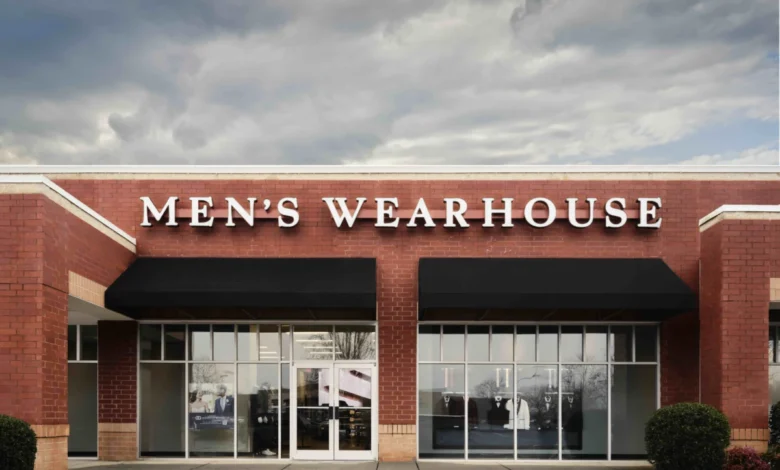
Tailored Brands Inc., the parent company behind prominent menswear retailers Men’s Wearhouse, Jos. A. Bank, and K&G, has officially filed a registration statement with the U.S. Securities and Exchange Commission (SEC) to re-enter the public market. This move signals a significant comeback for the company, which navigated a Chapter 11 bankruptcy just three years ago, and reflects a broader trend among fashion and retail firms seeking to capitalize on renewed investor confidence on Wall Street. The decision to pursue an initial public offering (IPO) places Tailored Brands alongside other notable fashion entities, such as the sustainable fashion brand Reformation, which is also preparing for its own market debut, as companies increasingly look to tap into public capital for growth and expansion.
A Return to the Public Stage: The Context of Tailored Brands’ IPO Bid
The filing marks a pivotal moment for Tailored Brands, representing its second attempt at public market engagement following a tumultuous period. Founded in 1973 as The Men’s Wearhouse, the company grew to become the largest men’s specialty retailer in the U.S., establishing a strong presence in the formalwear and business attire segments. However, its trajectory took a challenging turn after the ambitious acquisition of its key competitor, Jos. A. Bank, in 2014. While the merger aimed to create a dominant force in the menswear market, it burdened the combined entity with a substantial pile of debt, which ultimately proved unsustainable when faced with unforeseen economic headwinds.
The global COVID-19 pandemic delivered a severe blow to the formalwear industry, as lockdowns, remote work mandates, and the cancellation of social events drastically reduced demand for suits, tuxedos, and dress shirts. For a company heavily reliant on these categories, the impact was immediate and profound. On August 2, 2020, the then-public company filed for Chapter 11 bankruptcy protection. The filing was accompanied by a commitment for $500 million in debtor-in-possession (DIP) financing, allowing the company to maintain operations throughout the restructuring process. This period was characterized by aggressive debt reduction and operational streamlining, culminating in its emergence from bankruptcy in December 2020. Upon exiting, the company’s former lenders assumed control, effectively taking Tailored Brands private and placing them "in the driver’s seat" for its future direction.
Since its emergence from bankruptcy, Tailored Brands has embarked on a focused strategy to leverage its considerable scale and deep expertise in the menswear category. This strategy has centered on sharpening its business model, optimizing its store footprint, and adapting to evolving consumer preferences. The company’s recent registration statement underscores the progress made during this period of private ownership, presenting a revitalized entity poised for growth.
Market Dominance and Financial Performance
The S-1 filing submitted to regulators highlights Tailored Brands’ commanding position within the U.S. menswear market. According to internal research cited in the filing, the company sells approximately one in three pieces of tailored apparel and one in five dress shirts in the U.S. This significant market penetration underscores its foundational strength and brand recognition. Furthermore, Tailored Brands holds a nearly 60 percent share of the men’s rental market, a testament to the enduring popularity of its Men’s Wearhouse and Jos. A. Bank tuxedo and suit rental services for weddings, proms, and other special occasions.
Financially, the company has demonstrated a robust recovery post-bankruptcy. For the most recent fiscal year, net sales saw a modest but positive increase of 2.1 percent, reaching $2.5 billion. More impressively, earnings grew by a substantial 25.5 percent, climbing to $217.2 million. These figures suggest a successful operational turnaround, indicating improved profitability and efficiency under its new ownership structure and strategic direction. While specific details regarding the offering, such as the number of shares to be sold and the initial price range, were left blank – a common practice in preliminary filings – the company intends to use the proceeds from any shares sold directly to primarily pay down existing debt and for general corporate purposes, signaling a commitment to strengthening its balance sheet further.
The Broader Landscape: A Resurgent Fashion IPO Market
Tailored Brands’ decision to pursue an IPO comes at a time when the broader fashion and retail sectors are experiencing a resurgence of interest from public markets. After a period of caution, particularly during the height of the pandemic, investors are increasingly looking for growth opportunities in consumer-facing industries. The "SpaceX to the moon" analogy, originally used in the context of fashion IPOs, suggests an ambitious outlook and a desire to capture significant market upside. While Tailored Brands operates in a more traditional retail segment compared to a tech disruptor like SpaceX, the sentiment reflects a broader appetite for compelling growth narratives, whether from innovative startups like Reformation or revitalized legacy players.
Several factors are contributing to this renewed enthusiasm:
- Post-Pandemic Recovery: The gradual return to normalcy, including in-person events, office work (even hybrid models), and social gatherings, has driven a rebound in demand for apparel, particularly formalwear and professional attire. The wedding industry, a significant driver for Tailored Brands’ rental business, has seen a robust recovery and even a backlog of events.
- Shifting Consumer Behavior: While casualization remains a dominant trend, there’s also a renewed appreciation for dressing up for specific occasions. The "polished casual" category, as highlighted by CEO John Tighe, represents a growing segment where consumers seek comfortable yet refined options for various settings.
- Digital Transformation: Many traditional retailers, including Tailored Brands, have accelerated their digital transformation efforts, investing in e-commerce platforms, omnichannel capabilities, and data analytics to better serve modern consumers. These investments make them more attractive to investors looking for resilient business models.
- Private Equity Exits: For companies like Tailored Brands that emerged from bankruptcy with new private equity or lender ownership, an IPO offers a viable exit strategy for these investors, allowing them to realize returns on their restructuring efforts.
Strategic Vision from the Helm: John Tighe’s Outlook
John Tighe, who assumed the role of chief executive officer five years ago, articulated his strategic vision and the company’s investment thesis in a compelling letter to prospective shareholders included in the filing. Tighe emphasizes the deeply human aspect of Tailored Brands’ business, stating, "Our business is built on genuine human connection: customers feeling welcomed, supported and understood." He highlights the emotional significance of tailored apparel purchases, noting that "For many men, buying a suit marks a significant milestone, whether it be a prom, graduation, first job, wedding or another defining life event." This focus on customer experience and catering to life’s important moments is central to the company’s culture and its value proposition.
Tighe outlined several key areas for future growth and investment:
- Expanding Customer Base: The company is actively working to introduce its brands to new demographics while deepening relationships with its existing customer base of millions. This likely involves targeted marketing campaigns, loyalty programs, and an enhanced digital presence.
- Strategic Store Investments: Tailored Brands is making "self-funded investments in highly productive new stores." This suggests a selective approach to physical retail expansion, focusing on locations that offer high foot traffic and strong sales potential, likely incorporating modern retail concepts and personalized service.
- World-Class Marketing Engine: Investments in marketing are crucial for brand visibility and customer acquisition. A "world-class marketing engine" implies sophisticated data-driven strategies, leveraging digital channels, social media, and traditional advertising to reach consumers effectively.
- Penetration of Polished Casual: Tighe specifically pointed to a "deeper presence in the $33 billion polished casual category" as a significant untapped opportunity. This category bridges the gap between traditional formalwear and everyday casual attire, offering versatile options for work, social events, and elevated leisure. By expanding its offerings in this segment, Tailored Brands aims to capture a larger share of consumers’ wardrobes beyond just special occasions.
The CEO’s letter conveys confidence in the company’s ability to unlock its full potential, suggesting that the recent investments are "just beginning" to yield results. This forward-looking perspective is crucial for attracting investors who seek long-term growth stories.
Implications for Tailored Brands, Investors, and the Retail Sector
For Tailored Brands: A successful IPO would provide crucial capital for debt reduction, freeing up resources for strategic investments in technology, supply chain optimization, and further expansion into growth categories like polished casual. It would also enhance the company’s public profile, potentially attracting top talent and improving its standing with suppliers and partners. The return to public markets signals stability and renewed confidence, which can be a significant advantage in competitive retail landscapes.
For Investors: The IPO offers an opportunity to invest in a market-leading specialty retailer with a proven track record of recovery and strong market share in its core categories. The financial performance post-bankruptcy, particularly the robust earnings growth, presents an attractive turnaround story. However, potential investors will meticulously scrutinize the company’s long-term growth strategy, its ability to navigate evolving fashion trends, its digital capabilities, and its resilience against potential economic downturns. The retail sector remains susceptible to consumer sentiment and discretionary spending patterns, which will be key considerations for valuation. Analysts will also likely compare Tailored Brands’ valuation metrics to publicly traded peers in the apparel and specialty retail segments, such as Macy’s, Kohl’s, or smaller direct-to-consumer brands, adjusting for its unique market position and operational characteristics.
For the Retail Sector: Tailored Brands’ re-IPO could serve as an important barometer for the health of the traditional retail segment, especially those focused on specific apparel categories. A successful offering might encourage other privately held or recently restructured retailers to consider public market debuts, signaling a broader recovery and investor appetite for well-managed, profitable retail businesses. It also highlights the ongoing importance of brick-and-mortar retail, particularly when coupled with strong customer service and an omnichannel approach, even in an increasingly digital world. The emphasis on "genuine human connection" and "milestone events" underscores the enduring value of personalized in-store experiences that digital channels alone cannot fully replicate.
The filing of the registration statement marks the initial formal step in a comprehensive process. Tailored Brands will now embark on a roadshow, presenting its investment case to institutional investors. This crucial phase will determine the final valuation, pricing of shares, and ultimately, the success of its return to the public market, signaling a new chapter for this storied American retailer.