The Resurgence of Vintage Bridal Fashion: A Comprehensive Guide to Timeless Elegance and Historical Aesthetics

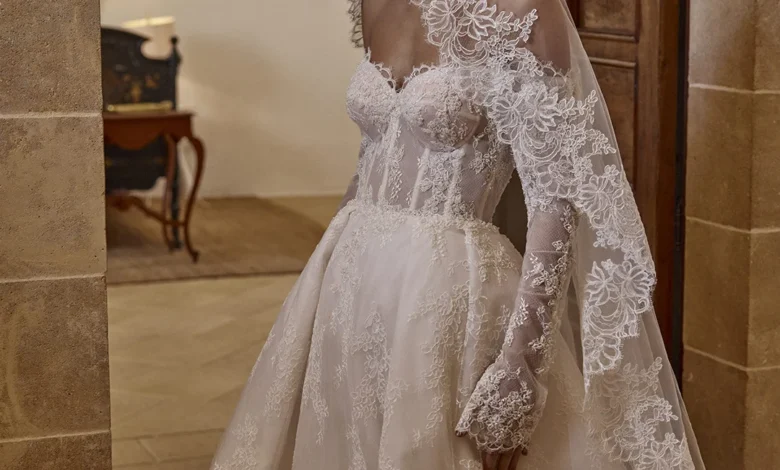
The global bridal industry is currently witnessing a significant shift in consumer preferences as a growing number of brides move away from contemporary, mass-produced designs in favor of vintage-inspired wedding gowns. This resurgence is not merely a fleeting trend but a profound movement toward individuality, sustainability, and the celebration of historical craftsmanship. Vintage-inspired wedding dresses are defined as timeless creations that draw from the silhouettes and decorative elements of previous decades—ranging from the intricate embroidery of the Renaissance and the structured elegance of the Regency era to the rebellious glamour of the 1920s. These garments cater to a diverse demographic of brides who identify with aesthetics of romance, depth, and free-spiritedness. By blending iconic silhouettes with luxury materials such as silk, Chantilly lace, and organza, modern designers are providing a classic yet updated twist for the nontraditional bride.
The Evolution of Bridal Silhouettes: A Historical Chronology
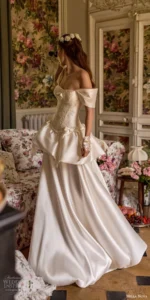
The history of bridal fashion is a tapestry of changing societal norms and artistic movements. To understand the current market, one must examine the eras that continue to influence modern designers. The Renaissance and Regency periods laid the groundwork for the "regal" aesthetic, characterized by high waists and basque bodices that emphasize the torso. Moving into the Victorian and Edwardian eras, the focus shifted toward modesty and intricate lace work, often featuring high necklines and long sleeves.
The 1920s marked a radical departure from these structured forms. The "Jazz Age" introduced the drop-waist silhouette, heavy beading, and fringe, reflecting the era’s newfound sense of female liberation. This "Art Deco" style remains one of the most sought-after vintage categories today. Following the austerity of the 1930s and 40s, the mid-century "New Look" brought back the hourglass figure, which paved the way for the bohemian movements of the 1960s and 70s. These latter decades prioritized fluid fabrics, floral appliques, and a connection to nature—elements that form the backbone of the contemporary "Boho-Vintage" wedding.
Market Analysis and Materiality in Vintage Design
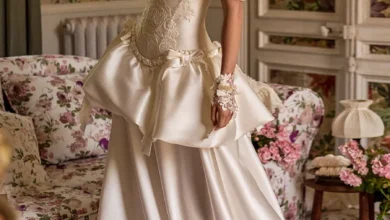
Industry experts suggest that the appeal of vintage fashion lies in its perceived "soul" and the quality of its materials. According to Innocentia, a prominent bridal brand, the most popular fabrics for vintage-inspired gowns are satin and silk, frequently accented with high-end laces such as Chantilly and Alencon. These materials provide a tactile richness that synthetic modern alternatives often lack. Tulle is utilized to create delicate, ethereal layers, while heavier fabrics like velvet and brocade are increasingly chosen for winter ceremonies to add a sense of luxury and historical weight.
The demand for specific lace styles has also seen a localized spike. French Chantilly lace and Italian Brocade are cited by industry specialists as the gold standard for brides seeking an authentic antique look. These fabrics are often layered over Mikado or multilayered tulle skirts to create a balance between historical accuracy and modern structural integrity.
Specific Aesthetic Categories and Their Modern Implications
The Romanticism of Vintage Lace
Lace remains the cornerstone of the vintage movement. Designers such as Dreamers & Lovers have built a reputation on gowns that utilize delicate lace to accentuate the female form while maintaining a modest, timeless appeal. Modern iterations of lace gowns often incorporate lavish beadwork, pearls, and decorative stones. This "lavish" approach to lace allows the bride to bridge the gap between historical reverence and contemporary red-carpet glamour.
Bohemian and Western Vintage
The "Boho" wedding trend has evolved into a celebration of natural environments—forests, mountains, and vineyards. To complement these settings, bohemian vintage gowns often feature lightweight organza, embroidered leaf patterns, and fringe. This style is particularly favored by brides seeking a "free-spirited" persona. The inclusion of paneled trapeze skirts and bottleneck necklines provides a retro vibe that aligns with the 1970s revival seen in broader fashion circles.
The 1920s Art Deco Revival
Perhaps the most distinct vintage category is the 1920s-inspired gown. Characterized by sweetheart necklines, racerback detailing, and scalloped lace trains, these dresses are designed for maximum impact. The use of fabric-covered buttons and intricate embroidery pays homage to the icons of the roaring twenties. Analysts suggest that the popularity of this era is driven by a desire for "extravagance" and "glamour" in a post-minimalist fashion landscape.
Structural Integrity: Basque Waists and Corsetry
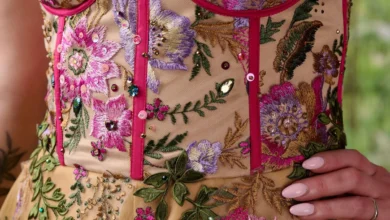
For brides seeking a more regal silhouette, the Basque waist and the corset bodice have returned to the forefront. The Basque waist, which extends past the natural waistline into a V or U shape, is a hallmark of Victorian and Edwardian fashion. It is prized for its ability to elongate the torso and slimming the waist. Similarly, modern vintage corset dresses blend historical structure with contemporary "sizzle," offering a tailored look that provides both support and aesthetic nostalgia.
Inclusivity and the Plus-Size Vintage Market
One of the most significant developments in the vintage bridal sector is the expansion of plus-size offerings. Traditionally, authentic vintage garments were limited by the smaller sizing of past decades. However, modern vintage-inspired designers are now creating inclusive collections that carry the same class and elegance for all body types. By utilizing A-line silhouettes and strategically placed lace detailing, designers are ensuring that the romanticism of previous eras is accessible to every bride, regardless of size.
The Role of Accessories and Total Ensemble Coordination
A vintage bridal look is rarely achieved by the dress alone. Industry leaders, including Katie Yeung of Hera Couture, emphasize the importance of coordinating accessories. Yeung notes that a fully lace-brimmed cathedral veil or an over-the-face net blusher can transform a gown into a cohesive historical statement.
Current trends in hair accessories include:
- Art Deco Combs: Often featuring rhinestones and geometric patterns.
- Floral Fabric Headbands: Popular for bohemian and 1970s themes.
- Pearl-Encrusted Hairpins: A nod to the classic elegance of the 1950s.
- Velvet Ribbons: Used to add a touch of Victorian texture to modern hairstyles.
Preservation and Care: Maintaining Historical Integrity
Given the delicate nature of vintage materials—particularly aged silk and lace—proper care is a critical consideration for the modern bride. Expert consensus suggests that vintage gowns should be stored in cool, dark, and dry environments. The use of breathable cotton garment bags is recommended over plastic covers, which can trap moisture and lead to fabric degradation.
Furthermore, specialists advise handling these gowns with white cotton gloves to prevent the transfer of skin oils. Professional cleaning by experts who specialize in delicate or antique fabrics is considered essential both before and after the wedding day to ensure the garment remains a wearable piece of history for future generations.
Economic and Sustainability Implications
The rise of vintage bridal fashion is inextricably linked to the broader sustainability movement. By opting for vintage-inspired gowns—or authentic vintage pieces—brides are participating in a circular fashion economy that rejects the "disposable" nature of modern trends.
While prices for these gowns vary significantly based on the designer and the intricacy of the handwork, the average investment for a high-quality vintage-inspired piece reflects the cost of premium materials and specialized labor. Sourcing these gowns has also become more streamlined, with specialized boutiques and online platforms like the Wedding Forward Vendors Directory providing curated access to designers who prioritize historical aesthetics.
Broader Impact on the Wedding Industry
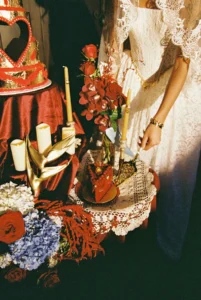
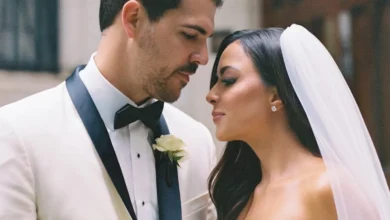
The shift toward vintage aesthetics represents a broader cultural desire for "Quiet Luxury" and "Old Money" styles. This trend has implications for the entire wedding supply chain, from floral arrangements (which are moving toward "wild" and "English garden" styles) to photography (which is seeing a return to film-inspired, grainy aesthetics).
In conclusion, the vintage wedding dress movement is more than a nostalgic whim; it is a sophisticated fusion of past and present. By embracing the silhouettes of the 1920s, the structure of the Victorian era, and the fluidity of the 1970s, modern brides are creating a wedding day statement that is as much about heritage as it is about personal style. As the industry continues to innovate, the "vintage-modern twist" is expected to remain a dominant force in bridal fashion for the foreseeable future.