Ibraaz: A London Hub for Dialogue, Art, and Witnessing, Amplifying Voices Amidst Global Crises

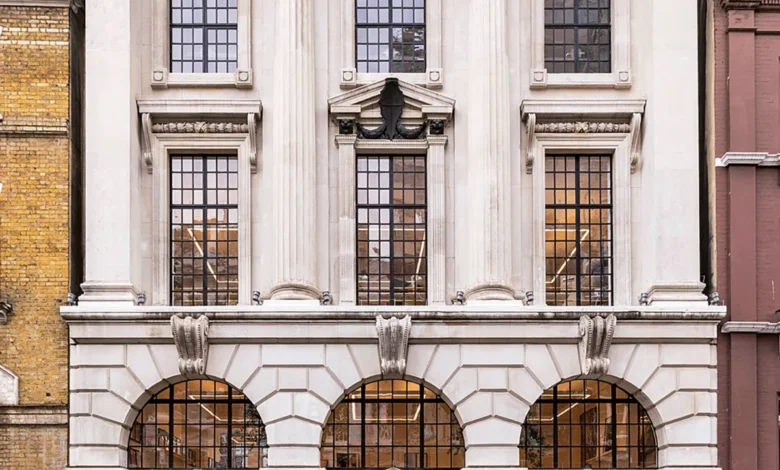
The establishment of Ibraaz’s London centre represents a deliberate departure from conventional exhibition spaces, aiming to foster a dynamic environment of engagement and discourse. Hammad Nasar, a key figure associated with Ibraaz, articulated this vision: "Our ambition is not a traditional ambition for people to come and quietly admire things in a hush and then walk out. We want noise. We want conversations." This philosophy underpins the multi-faceted approach of the centre, which seeks to be more than just a venue for passive observation, but rather an active platform for exchange, reflection, and resistance.
Housed within its London premises, Ibraaz has curated distinct spaces designed to facilitate diverse forms of engagement. On the third floor, the Musalla, translating to "spiritual practice room," offers a sanctuary for contemplation. During a recent visit, this space was occupied by Joe Namy’s "Cosmic Breath," an immersive sound installation featuring recordings of the adhan, the Islamic call to prayer, sourced from across the globe. Louise Oram, Head of Communications and Partnerships at Ibraaz, highlighted the room’s dual purpose, explaining that beyond its role as a place for prayer or reflection, it serves as a respite from the urban environment. In the basement, the Minassa, defined as a "platform, podium, dais, or stage," is designated for cinematic screenings, live performances, and ongoing discussions, talks, and debates.
The ethos of encouraging dialogue extends beyond these dedicated spaces. Meeting rooms and the Oula cafe, managed by French-Tunisian chef Boutheina Ben Salem, are conceived as informal hubs for conversation. The cafe, situated on the ground floor opposite the Maktaba (bookshop), operated in partnership with Burley Fisher Books and curated by the Palestine Festival of Literature, further underscores this commitment. During the visit, Ahmad Al-Bazz’s photobook, "The Erasure of Palestine," was prominently displayed in the shop window. Nasar encouraged a closer look at the publication, recounting a recent event where Al-Bazz himself engaged in a discussion about his work within the bookshop, illustrating the centre’s active programming calendar.
The impetus behind Ibraaz’s physical presence in London, which opened in October, stems from a lineage of digital engagement and a pressing need for tangible spaces of assembly. Originally launched in 2011 as an online publication in the wake of the Arab Spring, Ibraaz’s foundational mission was "to create a platform where people could gather online," as Nasar explained. This core impulse has remained consistent, evolving into a physical "discursive place of gathering." The decision to establish a London centre was significantly influenced by the escalating global political climate, particularly the "ongoing genocidal violence in Gaza, now extending elsewhere," and the concomitant erosion of spaces for free expression. Nasar elaborated, "As we see the spaces for gathering reducing, the spaces for free expression really under assault, these things made Lina keen to have a space where physical gatherings could take place." The centre is envisioned "to act as a vehicle or vessel to hold people."
The Significance of Photography and Visual Documentation
Photography holds a pivotal role in Ibraaz’s operational framework for several interconnected reasons. Firstly, as Nasar observed, photography and lens-based imaging are fundamental components of contemporary art practices. Secondly, the inherent capacity of photography to document and provide evidence is particularly valued by individuals and communities whose realities are frequently marginalized or systematically dismantled. Thirdly, and intrinsically linked to the previous point, photography is recognized as a democratic medium, democratizing the means of both production and circulation of images. "It’s the tool within the armament that virtually every single human being has in their pocket," Nasar remarked, emphasizing the ubiquity of cameras in modern life.
Nasar further elaborated on photography’s capacity for bearing witness, irrespective of the device used, whether a mobile phone or a professional camera. He cited "The Erasure of Palestine" as a prime example of this documentary power. The photobook, he explained, "looks at remnants of Palestinian villages in occupied territories which are now being called Israel; it is actually a visual mapping." This work exemplifies how photography can serve as a critical tool for historical record-keeping and for challenging dominant narratives through direct visual evidence.
Context and Chronology of Ibraaz’s Evolution
Ibraaz’s journey from an online platform to a physical cultural centre reflects a strategic adaptation to evolving socio-political landscapes and the increasing need for physical spaces of solidarity and intellectual exchange.
- 2011: Ibraaz is launched as an online publication. Its inception is directly linked to the Arab Spring uprisings, aiming to provide a digital space for dialogue and engagement among individuals experiencing profound political and social transformations across the region. The initial focus is on fostering online communities and sharing diverse perspectives that might not find mainstream media representation.
- Early 2010s: The online platform gains traction, becoming a recognized source for critical essays, interviews, and visual art related to contemporary art and politics in the Middle East and North Africa. It establishes partnerships with artists, writers, and cultural institutions, building a robust network.
- Mid-2010s onwards: The growing impact of the digital platform, coupled with increasing global challenges, prompts discussions about the need for a more tangible presence. The Ibraaz team, including key figures like Lina and Hammad Nasar, begin to explore the possibility of a physical space that could complement and expand upon their online work.
- Late 2010s – Early 2020s: The intensification of political crises, particularly concerning Palestine, and the observed contraction of spaces for free expression, solidify the imperative for a physical hub. The vision for a centre that can "hold people" and facilitate direct, in-person engagement takes shape.
- October 2023: Ibraaz officially opens its London centre. This launch coincides with a period of heightened global attention on the conflict in Gaza and renewed discussions about art’s role in bearing witness and fostering solidarity. The centre’s programming immediately reflects these urgent realities.
The works displayed at Ibraaz often draw from the extensive collection of the Kamel Lazaar Foundation. However, it is crucial to note that Ibraaz itself is not a collecting institution. Its primary function remains that of a platform for discourse and engagement, with the physical space serving as an amplifier for these activities.
Supporting Data and Contextual Analysis
The establishment of Ibraaz’s London centre arrives at a critical juncture, marked by increased geopolitical instability and a growing demand for spaces that can facilitate critical dialogue on complex issues. Data from various sources highlights the context within which such initiatives operate:
- Global Conflicts and Displacement: The ongoing conflicts in the Middle East, particularly in Gaza, have led to widespread displacement and a humanitarian crisis. According to the United Nations Relief and Works Agency for Palestine Refugees in the Near East (UNRWA), as of early 2024, hundreds of thousands of Palestinians have been displaced multiple times due to intensified hostilities. This context underscores the urgency for platforms that can amplify the voices and experiences of those affected.
- Freedom of Expression Under Pressure: Reports from organizations like Article 19 and Amnesty International have documented a global trend of shrinking civic space and increased restrictions on freedom of expression, particularly for activists, artists, and journalists addressing sensitive political issues. The establishment of Ibraaz’s centre can be seen as a direct response to this trend, offering a sanctuary for free thought and expression.
- The Role of Art in Activism: Academic research and case studies from organizations like the Tipping Point Collective and Visual Arts organizations globally demonstrate the integral role of art and visual culture in social and political movements. Photography, in particular, has been a powerful tool for documenting human rights abuses, raising awareness, and mobilizing public opinion. The emphasis on photography by Ibraaz aligns with this established function of visual media in advocacy and awareness campaigns.
- Cultural Diplomacy and Exchange: In an increasingly polarized world, cultural institutions play a vital role in fostering intercultural understanding and dialogue. Initiatives like Ibraaz, which bridge geographical and cultural divides through art and discourse, contribute to the broader landscape of cultural diplomacy, promoting nuanced perspectives and challenging monolithic narratives.
Implications and Broader Impact
The opening of Ibraaz’s London centre has several significant implications for the cultural landscape and for the discourse surrounding contemporary art, politics, and activism.
- Amplification of Marginalized Voices: By providing a physical platform, Ibraaz offers a crucial space for artists and thinkers from regions often underrepresented in mainstream Western art institutions. This allows for a more direct and unfiltered presentation of their perspectives, challenging dominant narratives and fostering a richer, more diverse understanding of global issues.
- Fostering Critical Engagement: The centre’s emphasis on "noise" and "conversations" signifies a commitment to active, participatory engagement rather than passive consumption. This approach encourages visitors to critically examine the issues presented, to engage in debate, and to form their own informed opinions, thereby contributing to a more robust public discourse.
- Documenting and Preserving Narratives: In contexts where historical narratives are contested or suppressed, the role of documentation and visual evidence, as highlighted by the focus on photography, becomes paramount. Ibraaz’s work, through exhibitions and discussions, contributes to the preservation of these narratives, ensuring that they are seen, heard, and remembered.
- Building Solidarity and Community: The centre serves as a vital hub for individuals seeking to connect with others who share their concerns and interests. In an era of increasing social and political fragmentation, these spaces of gathering are essential for building solidarity, fostering collective action, and providing mutual support.
- Challenging Traditional Art Models: Ibraaz’s model, moving beyond the traditional gallery space, suggests a forward-thinking approach to cultural programming. By integrating cafes, bookshops, and multi-purpose event spaces, it creates a more holistic and accessible cultural experience that caters to a broader audience and encourages sustained engagement.
The initiative also serves as a potential model for other organizations seeking to create impactful cultural spaces that are responsive to contemporary challenges. The deliberate design of spaces like the Musalla and Minassa, alongside the welcoming Oula cafe and Maktaba, demonstrates a thoughtful consideration of how physical environments can shape and enhance the experience of art and dialogue. As Nasar’s quote suggests, the ambition is to create a space that resonates with energy and intellectual curiosity, a stark contrast to the hushed reverence often associated with traditional art institutions. This approach positions Ibraaz not just as an exhibition space, but as a dynamic engine for cultural and political discourse, actively contributing to the ongoing conversations that shape our understanding of the world.