The UK Textile Sector Faces a Graduate Retention Crisis Amidst Persistent Skills Shortages

A stark reality is emerging from the UK’s vibrant textile industry: a significant portion of its freshly trained talent is struggling to secure full-time employment within the sector, despite widespread reports of critical skills gaps. A recent survey conducted by TEX+, a prominent charity dedicated to fostering connections between textile graduates and industry professionals, has unveiled a concerning trend that could have long-term implications for the future of British textile innovation and manufacturing. The findings suggest that the pathway from academic study to a stable, full-time career in textiles is fraught with obstacles for many graduates, leading to a disconnect between industry needs and the available workforce.
The TEX+ survey, which polled 59 UK textiles graduates, revealed that a substantial 56% are not currently working in the industry on a full-time basis. This figure is further compounded by the fact that 36% of these graduates are juggling multiple jobs to make ends meet, while a significant 17% are still actively searching for their inaugural role within the textile sector. This situation is particularly perplexing given the well-documented and ongoing skills shortages that plague various facets of the UK textile industry, from design and technical development to production and sustainable practices.
Bridging the Gap: The Challenge of Graduate Transition
TEX+, formerly known as Texprint, has consistently aimed to act as a crucial bridge between educational institutions and the professional landscape of the textile industry. Its latest survey underscores the difficulties many graduates face in translating their academic achievements into tangible career progression. The charity’s work is predicated on the belief that nurturing emerging talent is vital for the sector’s growth and sustainability. However, the survey results indicate a systemic challenge in facilitating this transition.
One particularly poignant observation from the survey, captured in the words of a respondent, highlights a perceived inertia within the industry: "The industry complains about not having enough workers, yet companies aren’t willing to teach anyone." This sentiment suggests a potential reluctance on the part of some established businesses to invest in the training and development of new entrants, preferring to seek experienced professionals rather than cultivating talent from the ground up. This creates a cyclical problem: graduates possess the foundational skills, but lack the practical experience that employers seem to prioritize, while companies lament the absence of a skilled workforce.
Further insights from the survey reveal that many graduates feel the textile sector operates as an exclusive network, heavily reliant on personal connections and prior industry exposure. "The industry does feel like a secret club," one graduate candidly stated. This perception of exclusivity can be a significant deterrent for ambitious individuals, even those with a fervent passion for textiles. The reliance on professional networks can inadvertently sideline talented individuals who lack the established contacts, thereby limiting the diversity of perspectives and skills entering the industry.
The Economic Realities for Emerging Talent
The economic pressures faced by these graduates are considerable. The necessity for many to undertake multiple part-time jobs or gigs not only impacts their ability to fully immerse themselves in their chosen field but also raises questions about the financial viability of pursuing a career in textiles, particularly in the early stages. This financial precarity can lead to disillusionment and, in some cases, may even prompt graduates to seek more stable or lucrative employment outside the textile sector, further exacerbating the skills shortage.
Jeremy Somers, the chair of TEX+, articulated the gravity of the situation: "The UK textile industry is full of talented, ambitious graduates, but this survey shows that too many are struggling to make the transition from education into sustainable careers. These findings aren’t about a lack of talent, they’re about a lack of accessible routes into the industry." Somers’ statement emphasizes that the issue is not one of insufficient aptitude or desire among graduates, but rather a systemic failure to provide clear and supportive pathways into meaningful employment.
TEX+ Initiatives: Cultivating Future Leaders
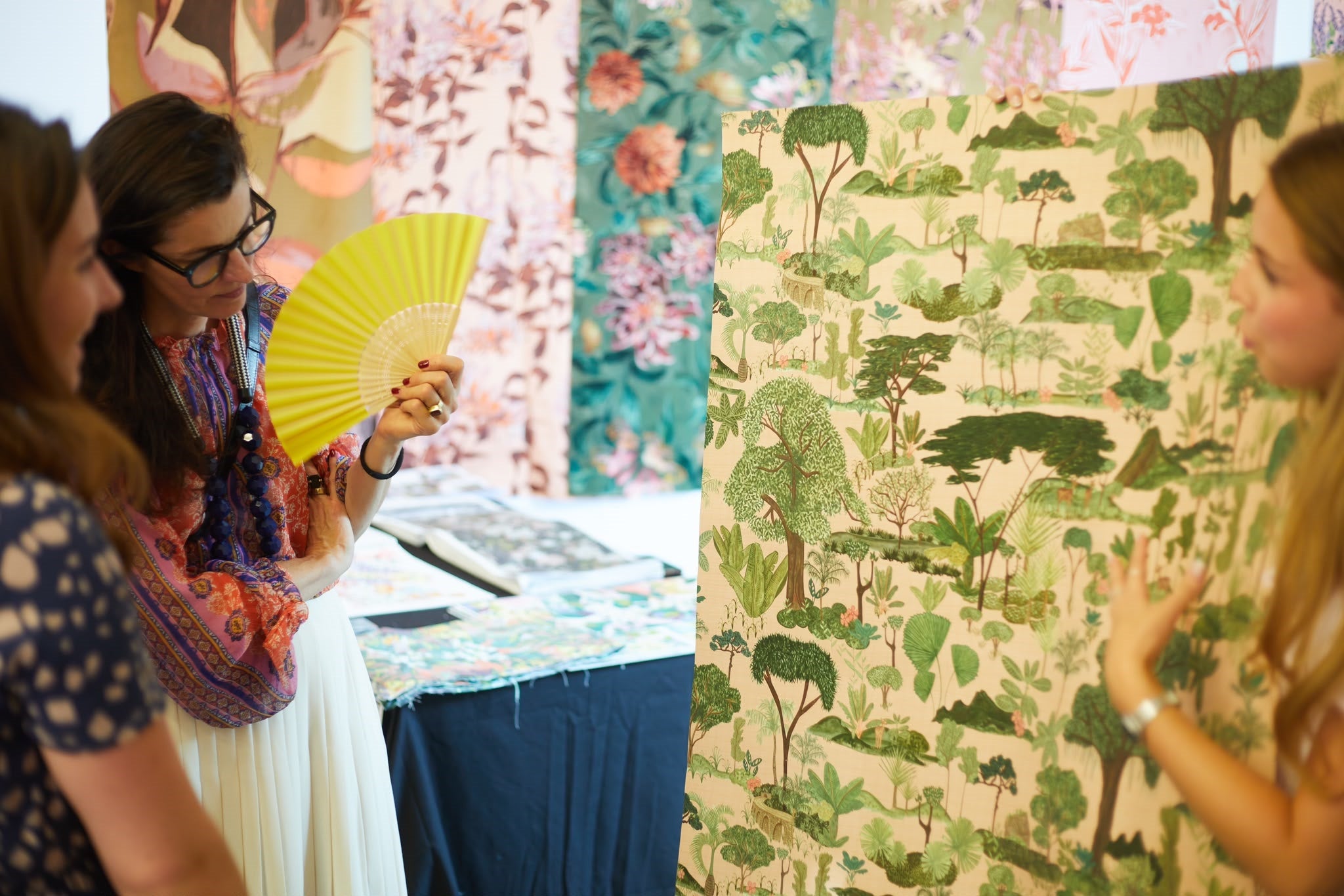
In response to these challenges, TEX+ is actively working to bridge the identified gaps. The organization’s commitment to connecting education, industry, and emerging talent is central to its mission. Through initiatives like mentoring programs, networking events, and practical support, TEX+ aims to equip graduates with the tools and connections necessary not only to enter the textile industry but also to forge long-term, fulfilling careers within it.
"As TEX+ returns this year, we’re bringing together education, industry and emerging talent to create those vital connections. Through mentoring, networking and practical support, we want to help ensure graduates don’t just enter the industry, but that they build long-term careers within it," Somers stated, outlining the organization’s proactive approach. This multi-pronged strategy seeks to address the perceived "secret club" nature of the industry by actively facilitating introductions and providing guidance.
Recognizing and Rewarding Excellence: The TEX+ Showcase 2026
Adding to its efforts to support emerging talent, TEX+ recently celebrated outstanding achievements by announcing the winners of its prestigious 2026 prizes. These awards, presented at the renowned Chelsea College of Arts, serve as a vital platform for recognizing exceptional textile graduates. The prizes offer a combination of financial support, professional development opportunities, and crucial industry connections, providing a significant boost to the careers of recipients. The historical success of previous prize winners, many of whom have gone on to work with globally recognized brands such as Nike, Chanel, and Liberty, underscores the impact and value of these accolades.
This year’s awards saw Maia McLaren receive the esteemed Pentland Prize, which includes a substantial £1,000 in financial support and a coveted work placement. Grace Holden and Xavier Theobald were jointly awarded the Liberty Fabrics Studio prizes, each receiving £500. Beyond these significant awards, the showcase also provided unparalleled opportunities for other talented graduates. Three individuals secured coveted spots to exhibit their work at the influential Premiere Vision Paris trade show, a globally recognized hub for fashion and textile innovation. Furthermore, another graduate earned a month-long placement at Sahara, a respected design and manufacturing company.
Somers expressed profound gratitude for the support that makes these awards possible: "The TEX+ prizes recognise the outstanding creativity, innovation and technical excellence emerging from the UK’s textile graduates today. We’re incredibly grateful to our sponsors and supporters, whose generosity enables us to celebrate exceptional talent while providing meaningful opportunities that help graduates take the next step in their careers." This sentiment highlights the collaborative nature of these initiatives, relying heavily on the goodwill and investment of industry partners.
Broader Implications for the UK Textile Industry
The findings of the TEX+ survey resonate with broader discussions about the future of the UK’s creative industries. A consistent pipeline of skilled and motivated individuals is essential for innovation, economic growth, and maintaining the UK’s competitive edge on the global stage. The current situation, where a significant percentage of graduates are underemployed or in precarious work, represents a potential loss of talent and expertise.
The implications extend beyond individual career prospects. A sector that struggles to attract and retain its brightest minds risks stagnation. This could impact the ability of UK textile businesses to adapt to evolving consumer demands for sustainability, technological advancements, and ethical production. Furthermore, a lack of well-established career paths could deter future generations from pursuing textile-related studies, creating a long-term deficit in critical skills.
The TEX+ survey and its associated initiatives serve as a critical barometer for the health of the UK textile graduate ecosystem. While the challenges are evident, the proactive efforts of organizations like TEX+ offer a beacon of hope. By fostering stronger industry-education links, promoting mentorship, and providing tangible career-launching opportunities, the aim is to ensure that the UK’s textile sector can effectively harness the creativity and potential of its emerging talent, thereby securing its future vitality and relevance. The ongoing dialogue between industry stakeholders, educational bodies, and support organizations will be crucial in addressing these systemic issues and building a more inclusive and sustainable future for textiles in the UK.