Birkenstock’s Meteoric Rise Contrasts with ‘Not Good Enough’ Sustainability Rating, Prompting Search for Ethical Alternatives

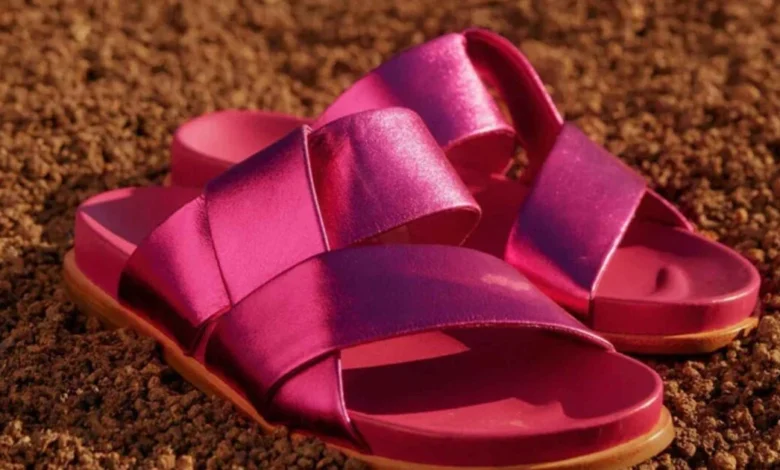
In an era increasingly defined by the fusion of comfort and style, Birkenstock sandals, particularly the iconic ‘Arizona’ style, have firmly cemented their place at the forefront of global fashion. Once considered a niche, counter-culture staple, these chunky German sandals have undergone a remarkable transformation, evolving into a ubiquitous fashion statement that transcends demographic and stylistic boundaries. Their enduring presence in the "dad sandal" trend underscores a broader cultural shift towards practical, yet aesthetically pleasing, footwear. However, despite Birkenstock’s undeniable commercial success and cultural penetration, the brand’s sustainability performance has drawn significant scrutiny, leading to a "Not Good Enough" rating from independent sustainability assessor Good On You, prompting a renewed focus on ethically produced alternatives.
The Unprecedented Ascent of Birkenstock
Birkenstock’s journey from orthopedic footwear to a high-fashion accessory is a testament to its unique design and relentless marketing efforts. Founded in 1774 by Johann Adam Birkenstock, the brand’s core innovation has always been its anatomically shaped footbed, designed for superior comfort and foot health. While it gained a loyal following in Germany throughout the 20th century, its global breakthrough arrived in the 1960s when Margot Fraser introduced the sandals to the United States, appealing to a burgeoning counter-culture movement. For decades, Birkenstocks remained synonymous with bohemian style and practical comfort, occasionally dipping into mainstream appeal but rarely achieving widespread fashion reverence.
The landscape dramatically shifted in the 2010s and accelerated into the mid-2020s. The brand’s resurgence has been multifaceted, driven by a confluence of factors that propelled it from a utilitarian shoe to a luxury-adjacent item. Social media platforms, particularly Instagram and TikTok, played a pivotal role, with influencers and everyday users showcasing Birkenstocks as a versatile wardrobe essential. Celebrity endorsements further amplified their appeal, with A-listers routinely photographed sporting various styles, especially the ‘Arizona’. This organic and paid visibility normalized the sandal within mainstream fashion consciousness.
A significant turning point arrived in 2023 with the release of Greta Gerwig’s blockbuster "Barbie" movie, where the ‘Arizona’ sandal featured prominently in a scene symbolizing Barbie’s transition from an idealized world to reality. This moment provided unparalleled global exposure, intertwining the brand with a cultural phenomenon. Beyond popular culture, Birkenstock strategically entered the realm of high fashion through a series of unexpected and highly successful collaborations. Partnerships with avant-garde designers like Rick Owens, luxury houses such as Valentino, and contemporary brands like Proenza Schouler elevated the brand’s perception, demonstrating its adaptability and ability to command premium pricing. These collaborations often involved limited-edition releases, generating immense hype and reinforcing Birkenstock’s newfound status as a coveted item.
The brand’s expansion strategy in 2026 further illustrates its aggressive pursuit of market dominance and diversification. Beyond footwear, Birkenstock ventured into lifestyle categories, launching a nail polish line that echoed its natural color palette and comfort-centric ethos. Collaborations extended to bridal wear with Danielle Frankel, streetwear with Kith, and even a unique partnership with French ballet shoe brand Repetto. These initiatives collectively underscore Birkenstock’s ambition to transform from a footwear specialist into a comprehensive lifestyle brand, leveraging its iconic status to penetrate diverse consumer segments.
The Shadow of Unsustainability: Good On You’s "Not Good Enough" Verdict
Despite this commercial triumph, a critical examination of Birkenstock’s operational practices reveals significant environmental and social shortcomings. Good On You, a leading platform for ethical fashion ratings, has consistently rated Birkenstock as "Not Good Enough" across its comprehensive assessment criteria, which evaluate a brand’s impact on people, the planet, and animals. This rating, based on publicly available information and verifiable data, casts a long shadow over the brand’s otherwise glittering public image.
Good On You’s methodology is rigorous, analyzing thousands of data points related to a brand’s policies, practices, and supply chain transparency. For Birkenstock, the "Not Good Enough" verdict stems from several key areas:
- Impact on People: A primary concern is the lack of verifiable information regarding living wages throughout Birkenstock’s extensive supply chain. In an industry notorious for exploitative labor practices, ensuring fair compensation that covers basic needs and allows for discretionary income is paramount. Without transparent reporting and independent verification of living wage implementation, questions persist regarding the welfare of workers involved in manufacturing Birkenstock products. This issue is compounded by a broader lack of transparency concerning worker empowerment, safe working conditions, and freedom of association across its global operations.
- Impact on the Planet: The assessment highlights a deficiency in the use of lower-impact materials. While Birkenstock prides itself on using natural materials like cork, natural latex, jute, leather, and suede, the environmental footprint of some of these, particularly conventionally sourced leather and synthetic components, is substantial. Leather production is associated with high water consumption, deforestation, greenhouse gas emissions, and the use of hazardous chemicals in tanning processes. The brand’s efforts to integrate certified organic, recycled, or innovative bio-based materials appear insufficient to warrant a higher rating. Furthermore, detailed information on waste reduction strategies, energy efficiency in manufacturing, and overall carbon footprint reduction targets remains largely undisclosed or inadequate.
- Impact on Animals: The reliance on leather and suede without robust, independently verified animal welfare regulations is another critical factor. The global leather industry often faces criticism for its ethical implications, including concerns over animal cruelty, inadequate living conditions, and the lack of traceability in supply chains. Without clear policies and certifications that guarantee the humane treatment of animals from which materials are sourced, Birkenstock falls short of ethical standards increasingly demanded by conscious consumers. The brand also offers vegan options, but their prevalence and the sustainability of the synthetic alternatives used in those products are also part of the overall assessment.
This lack of transparency and verifiable commitment to best practices across all three pillars of sustainability indicates a gap between Birkenstock’s market success and its ethical responsibilities. While the brand emphasizes its heritage and quality, modern consumers increasingly expect companies to demonstrate a proactive and measurable commitment to environmental stewardship and social equity.
The Broader Implications: Consumer Awareness and Industry Accountability
Birkenstock’s sustainability rating is not an isolated incident but rather indicative of a broader trend in the fashion industry. As consumer awareness of environmental degradation and social injustice grows, the demand for transparency and ethical production practices has intensified. Independent rating systems like Good On You play a crucial role in empowering consumers, providing them with easily digestible information to make informed purchasing decisions. The "Not Good Enough" label serves as a powerful signal, prompting consumers to reconsider their choices and brands to improve their practices.
This shift in consumer sentiment is forcing even established brands like Birkenstock to confront their impact. While a brand’s heritage and quality are valuable, they are no longer sufficient to satisfy the modern, ethically conscious shopper. The market is increasingly rewarding companies that integrate sustainability into their core business models, from material sourcing and manufacturing to labor practices and end-of-life solutions for products.
For Birkenstock, the implications are significant. While its brand recognition and fashion appeal are at an all-time high, neglecting its sustainability performance risks alienating a growing segment of its consumer base. The long-term viability and reputation of any brand in the 21st century are inextricably linked to its environmental, social, and governance (ESG) performance.
Navigating Conscious Consumption: The "Buy Better, Not More" Ethos
Given Birkenstock’s current sustainability standing, consumers are encouraged to adopt a "buy better, not more" approach. The most sustainable item is often the one already owned. Therefore, the advice to continue wearing existing Birkenstocks until they are no longer functional is paramount. Repairing, extending the lifespan of products, and exploring second-hand markets are crucial steps in reducing overall consumption and minimizing environmental impact. Only when a genuine need for new footwear arises should consumers consider purchasing new items, and at that point, ethical alternatives become a vital consideration.
The demand for comfort sandals that align with ethical values has spurred a vibrant market of conscious alternatives. These brands are not merely mimicking Birkenstock’s iconic style; they are innovating with sustainable materials, ethical labor practices, and transparent supply chains, demonstrating that style and sustainability can coexist.
Sustainable Alternatives to Birkenstocks: A Curated Selection
For consumers seeking sandals that marry comfort, style, and a robust commitment to people, planet, and animals, several brands stand out:
-
ESSÄN: Founded in 2016 by Marre Muijs, ESSÄN embodies a philosophy of thoughtful production over rapid consumption. The brand actively counters the fast fashion cycle by limiting production runs and employing low-waste cutting techniques. Rather than adhering to seasonal fashion calendars, ESSÄN offers a single, permanent collection, ensuring longevity and timeless appeal. Their commitment extends to using carefully selected lower-impact materials and maintaining transparency across their supply chain. Good On You rates ESSÄN highly for its dedication to sustainable practices.
-
Elk: A pioneer of independent Australian design since its inception in Melbourne in 2004, Elk is celebrated for its bi-annual collections that harmoniously blend simplicity, innovation, and sustainability. The brand’s design ethos prioritizes enduring quality and responsible sourcing. Elk focuses on using materials with a reduced environmental footprint and ensures ethical working conditions throughout its manufacturing processes. Their commitment to transparency and a considered approach to design makes them a strong alternative, with a wide range of items available in AU sizes 6-18.
-
Up-Fuse: Hailing from Cairo, Egypt, Up-Fuse is a social enterprise with a powerful mission: to promote an eco-conscious lifestyle while fostering social empowerment. Operating under the belief that "one’s trash is another’s fabric," the brand innovatively transforms waste materials into unique products. Crucially, Up-Fuse collaborates with Syrian, Ethiopian, and Sudanese female refugees in Egypt, providing them with dignified employment opportunities and skill development. Their products, often crafted from recycled plastics and other reclaimed materials, exemplify circular economy principles and create tangible social impact.
-
Nisolo: This American brand distinguishes itself through its unwavering commitment to living wages for all workers across its supply chains. Nisolo is a certified B Corp, demonstrating its dedication to balancing profit with purpose. Beyond fair compensation, the brand actively works to combat climate change through various initiatives, including reforestation projects and carbon offsetting programs. Their footwear, crafted with an emphasis on quality and timeless design, utilizes responsibly sourced leather and other materials, appealing to consumers who prioritize both ethical labor and environmental stewardship. Nisolo’s shoes are available in EU sizes 35-42.
-
Vesica Piscis: Based in Spain, Vesica Piscis is a vegan footwear brand that champions environmental responsibility. It utilizes a high proportion of innovative, lower-impact materials, moving away from conventional leather and synthetics. The brand is committed to sustainable manufacturing, powered by renewable energy sources, significantly reducing its carbon footprint. Furthermore, Vesica Piscis operates on a made-to-order basis, a crucial strategy for minimizing waste from overproduction. Their collection, available in sizes 36-46, offers stylish and conscious options for a wide array of customers.
-
Agazi: A vegan footwear brand from Poland, Agazi offers a diverse range of shoes, including sneakers, sandals, heels, and flats. Their entire collection is meticulously crafted using non-animal-derived materials, showcasing innovation in sustainable alternatives. Agazi notably incorporates materials such as hemp, as well as groundbreaking apple skin and grape-based alternative leathers. These bio-based materials provide a compelling, cruelty-free option without compromising on quality or aesthetic appeal, positioning Agazi as a leader in ethical material innovation.
Conclusion: The Evolving Landscape of Ethical Fashion
The story of Birkenstock, from its remarkable rise to fashion icon status to the critical assessment of its sustainability practices, encapsulates the complexities of the modern fashion industry. It highlights the growing tension between commercial success driven by consumer demand and the imperative for environmental and social responsibility. As independent platforms like Good On You continue to shed light on brand performance, the onus is increasingly on companies to adapt, innovate, and transparently demonstrate their commitment to ethical practices. For consumers, the message is clear: informed choices, embracing longevity, and supporting brands that align with one’s values are powerful steps towards a more sustainable and equitable fashion future. The landscape of ethical alternatives is rich and growing, proving that comfort, style, and conscience can indeed walk hand-in-hand.