Swiss Watch Exports Surge in June as Global Markets Show Sustained Recovery and Shifting Consumer Demand

The Swiss watch industry recorded a significant rebound in June 2024, as outbound shipments of timepieces climbed 11% year on year to reach CHF 2.39 billion ($2.95 billion). This performance, reported by the Federation of the Swiss Watch Industry (FH), marks a strengthening of the positive momentum that began to emerge in May. Following a period of volatility and several months of declining growth, the June figures suggest a stabilization in the global luxury watch market, driven largely by robust demand in the United States and Japan, even as the Chinese market continues to face significant headwinds.
The June growth follows a modest 0.4% increase in May, which was the first month of positive movement after a sluggish start to the year. According to the Federation, this recent momentum has helped keep the cumulative performance for the first half of 2024 on an almost even keel, despite the challenges faced in the first quarter. While the industry is not yet back to the record-breaking growth rates seen in the immediate post-pandemic period, the 11% jump represents a vital sign of resilience for Switzerland’s third-largest export sector.
Regional Performance and the US Dominance
The United States maintained its position as the premier destination for Swiss timepieces, showing no signs of the luxury fatigue that some analysts had predicted for the 2024 fiscal year. Exports to the US grew by 13% in June, totaling CHF 349 million ($430.9 million). This growth is particularly notable given the high interest rates and economic uncertainty currently characterizing the American market. The sustained appetite for high-end horology in the US continues to provide a crucial buffer for Swiss manufacturers against downturns in other regions.
In Europe, the data presented a more complex picture. France recorded a staggering 104% increase in export value, reaching CHF 249.6 million ($308.2 million). However, the Federation of the Swiss Watch Industry cautioned that these results remain broadly unrepresentative of actual domestic demand within the French market. Such spikes are often attributed to logistical shifts, inventory restocking by major conglomerates, or the timing of shipments related to high-profile events rather than a sudden doubling of consumer purchases at the retail level.
The United Kingdom also showed healthy growth, with exports rising 12% to CHF 175 million ($216 million). This indicates a recovery in the British luxury sector, which had previously struggled with changes to tax-free shopping regulations for tourists. Elsewhere in Europe and the Middle East, the United Arab Emirates continued its trend of positive results, solidifying its status as a critical hub for luxury consumption in the Gulf region.
The Asian Market Dichotomy: Japan vs. China
The performance of the Swiss watch industry in Asia remains a tale of two very different trajectories. Japan saw a 9% increase in June, with exports reaching CHF 169.4 million ($209.1 million). The Japanese market has benefited significantly from a weak Yen, which has turned the country into a primary destination for "luxury tourism." Travelers, particularly from neighboring Asian countries, have flocked to Tokyo and Osaka to purchase Swiss watches at more favorable exchange rates compared to their home markets.
Hong Kong, once the undisputed capital of the Swiss watch trade, showed signs of stabilization with a 7% advance to CHF 157.9 million ($194.9 million). Singapore matched this growth rate, also gaining 7% to reach CHF 154.3 million ($190.5 million). Both markets benefited from what the Federation described as a "favorable base effect," referring to the lower comparative figures from the previous year.
Conversely, mainland China remains the industry’s most significant concern. June saw a marked fall in exports to China, continuing a trend that has persisted throughout much of 2024. The Chinese economic landscape, hampered by a real estate crisis and cautious consumer spending, has led to a sharp reduction in the purchase of high-end discretionary goods. As the world’s second-largest market for Swiss watches, the continued slump in China remains the primary drag on the industry’s overall global performance.
Price Category Analysis and the "K-Shaped" Recovery
The June data revealed a clear stratification in performance based on price points, illustrating a "K-shaped" recovery where the lowest and highest ends of the market thrive while the middle segment struggles.
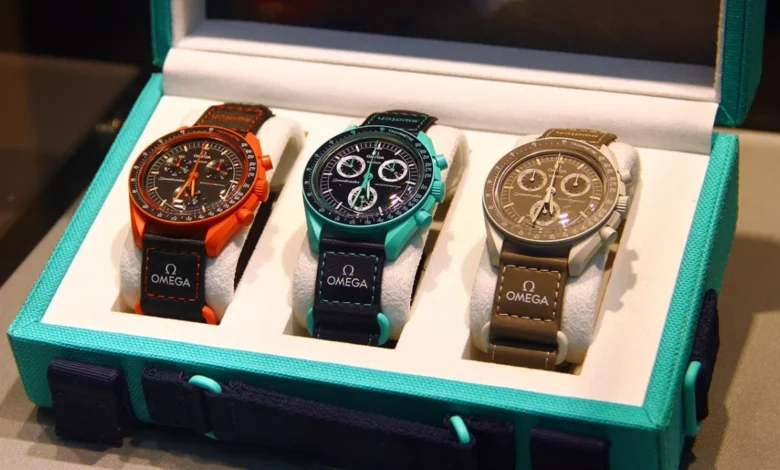
The most dramatic growth occurred in the CHF 200 to CHF 500 ($245 to $617) category, which saw an export spike of 54%. This surge is largely attributed to the continued success of high-volume collaboration pieces and "entry-level" luxury models that have captured the interest of younger consumers and collectors. Similarly, units valued under CHF 200 ($245) rose by 10%, reflecting a steady demand for accessible Swiss-made watches.
At the top of the pyramid, watches valued above CHF 3,000 ($3,703) saw a 14% increase in export value. This segment represents the core of the Swiss watch industry’s prestige and profitability. The ultra-wealthy consumer base remains relatively insulated from inflationary pressures, and the demand for "investment-grade" timepieces from brands like Rolex, Patek Philippe, and Audemars Piguet continues to outpace supply.
However, the "heart" of the traditional Swiss watch market—pieces valued between CHF 500 ($617) and CHF 3,000 ($3,703)—dropped by 4.7%. This price bracket is typically favored by the professional middle class, a demographic that has been more significantly impacted by rising costs of living and economic uncertainty. The decline in this segment suggests that while the wealthy are still buying and the entry-level is buzzing with novelty, the traditional "aspirational" buyer is currently pulling back.
Chronology of the 2024 Export Cycle
To understand the significance of the June rebound, it is necessary to look at the timeline of the Swiss watch industry over the first half of the year.
- January – March 2024: The year began with a period of contraction. Following a record-breaking 2023, the industry faced high comparisons and a cooling of the post-COVID luxury boom. Exports during the first quarter were characterized by single-digit declines as retailers worked through existing inventory and consumer sentiment dipped in key Asian markets.
- April 2024: The downturn continued, though signs of stabilization began to appear in the US market. Manufacturers began adjusting production schedules to align with the softening demand in China.
- May 2024: The industry saw its first glimmer of growth in several months, with a marginal 0.4% increase. This was viewed by analysts as a "bottoming out" of the downward trend.
- June 2024: The 11% surge confirmed a genuine upward trajectory. The strong performance in the US and the spike in the 200-500 CHF category were the primary engines of this growth.
Despite the strong June performance, the cumulative figures for the first half of the year (January to June) show that exports slid 0.7% overall to CHF 12.82 billion ($15.83 billion). This highlights how difficult the first four months of the year were and underscores the importance of the current recovery phase.
Materials and Volume Trends
Beyond price and geography, the composition of the exports provides insight into manufacturing trends. In June, the number of units exported increased across several material categories. Steel watches, which make up the largest volume of exports, saw a steady performance, while watches made of precious metals (gold and platinum) drove much of the value growth in the high-end segment.
The "Other Materials" category, which includes bioceramics and high-tech composites, saw a significant boost in volume, corresponding with the 54% spike in the CHF 200-500 price range. This indicates that innovation in materials and design remains a key driver for volume growth, even if the absolute value of these pieces is lower than traditional mechanical watches.
Industry Implications and Future Outlook
The Federation of the Swiss Watch Industry’s report suggests a cautious optimism for the remainder of 2024. The industry has successfully navigated a period of correction, and the 11% growth in June provides a solid foundation for the second half of the year. However, several external factors will continue to influence the trajectory of Swiss watch exports.
- Currency Fluctuations: The strength of the Swiss Franc (CHF) remains a double-edged sword. While it reinforces the prestige and value of Swiss products, a strong CHF makes watches more expensive in foreign markets, potentially dampening demand if the currency appreciates too rapidly against the USD, EUR, or JPY.
- The China Factor: For a full recovery to take place, the Chinese market must stabilize. Industry leaders are closely watching for any signs of government stimulus in China that could boost consumer confidence and revive the luxury retail sector.
- Inventory Management: After the supply chain disruptions of 2021 and 2022, retailers became more conservative with their orders in early 2024. The June surge suggests that inventory levels have normalized and that retailers are once again confident enough to place larger orders for the upcoming autumn and holiday seasons.
- The Rise of Secondary Markets: The growth of the certified pre-owned (CPO) market continues to influence primary sales. As more brands enter the CPO space, the relationship between new watch exports and total brand revenue is becoming increasingly complex.
In conclusion, the June export data serves as a testament to the enduring appeal of Swiss watchmaking. While the "middle market" faces a squeeze and the Chinese market remains in a lull, the strength of the US, the strategic importance of Japan, and the explosive growth in accessible luxury collaborations have combined to push the industry back into positive territory. As the industry moves into the second half of 2024, the focus will remain on maintaining this momentum while navigating a global economy that remains in a state of flux.