Solid vs. Semi-Hollow Fine Jewelry: A Comprehensive Guide to Material Integrity and Investment Value

The distinction between solid and semi-hollow fine jewelry represents one of the most critical decision points for modern collectors, professional jewelers, and investors alike. While both categories utilize authentic karat gold, their structural compositions, manufacturing processes, and long-term durability profiles differ significantly. As the global gold market continues to experience price volatility, understanding these nuances has become essential for consumers looking to balance aesthetic appeal with financial pragmatism. Solid gold jewelry is defined by its uniform density throughout the piece, whereas semi-hollow jewelry—often referred to as "tubular" or "hollow-core" gold—features a vacuum or non-precious core that is later removed, resulting in a piece that appears substantial but possesses a significantly lower mass.
Structural Definitions and Manufacturing Methodologies
To understand the divergence between solid and semi-hollow pieces, one must first examine the metallurgical techniques employed in their creation. Solid gold jewelry is typically produced through lost-wax casting or hand-forging. In these processes, the entire volume of the item is comprised of a gold alloy, usually 14k or 18k. This results in a high specific gravity, giving the piece a characteristic "heft" that consumers often associate with luxury and quality.

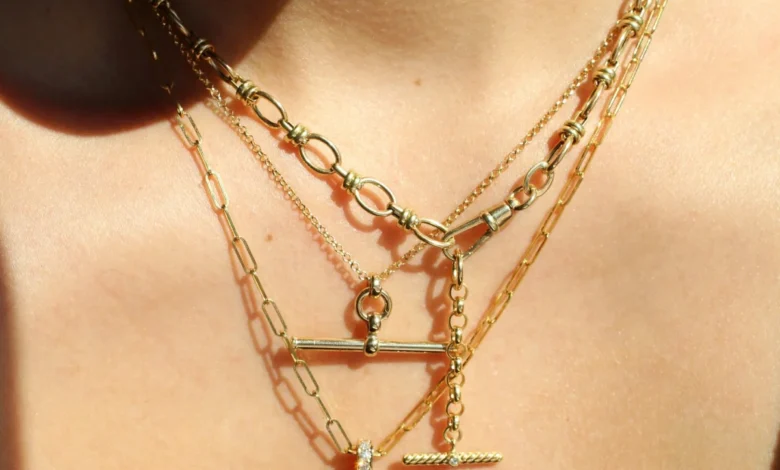
Semi-hollow jewelry, conversely, utilizes advanced engineering to minimize the amount of precious metal required without sacrificing the visual scale of the design. This is often achieved through a process called electroforming or through the use of hollow gold tubing. In tubular construction, thin sheets of gold are wrapped around a base metal core (such as copper or aluminum), which is then dissolved in an acid bath, leaving behind a hollow gold shell. This allows for the production of "bold" looks—such as thick hoop earrings or oversized chain links—that would be too heavy or too expensive to produce in a solid format. While these pieces are made of genuine karat gold, their structural integrity is reliant on the thickness of the exterior "skin," which is often measured in microns.
The Evolution of Gold Smithing: A Chronological Perspective
The preference for solid versus hollow jewelry has shifted throughout history, influenced by economic cycles and technological advancements.
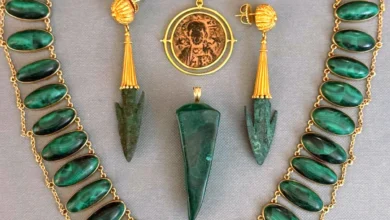
- Ancient Foundations (3000 BCE – 1800s): For millennia, jewelry was almost exclusively solid. In ancient Egypt and Rome, gold was a symbol of divine status, and its weight was directly proportional to its value. While some ancient goldsmiths experimented with thin foils over wood or clay, the "solid" standard remained the benchmark for the elite.
- The Industrial Revolution (1800s – 1900s): The advent of the steam press and industrial stamping allowed for the creation of lightweight, affordable jewelry. This era saw the rise of gold-filled and gold-plated items, though high-end "fine" jewelry remained solid.
- The Mid-Century Shift (1940s – 1970s): Post-World War II economic booms and the rise of the middle class created a demand for "bold" gold looks. Manufacturers began perfecting the art of hollow tubing to create the iconic thick chains and oversized earrings of the 1970s.
- Modern Volatility (2000s – Present): With gold prices soaring from approximately $300 per ounce in the early 2000s to over $2,500 per ounce in the mid-2020s, semi-hollow jewelry has moved from a niche offering to a market staple. It allows brands to maintain price points accessible to the average consumer while delivering the high-fashion "chunky" aesthetic currently in vogue.
Comparative Analysis: The Case for Solid Gold
Solid gold remains the gold standard for heirloom-quality acquisitions. Its primary advantage lies in its resilience. Because there is no internal void, solid gold pieces are virtually immune to the permanent denting that plagues hollow items. When a solid gold ring or bracelet is struck against a hard surface, it may scratch or slightly deform, but it can almost always be buffed out or reshaped by a professional jeweler.

Furthermore, solid gold offers superior repairability. Resizing a solid gold ring is a standard procedure involving cutting the band and soldering in new material. In contrast, resizing or repairing a semi-hollow piece is fraught with risk; the heat from a jeweler’s torch can cause the air inside a hollow piece to expand and burst the metal, or the thin walls may simply collapse. For "workhorse" jewelry—items intended for daily wear, such as wedding bands, engagement rings, and bracelets—solid gold is the recommended choice due to the high-impact nature of hand and wrist movements.
From an investment standpoint, solid gold retains its value more effectively. While both types are valued for their gold content, solid pieces contain significantly more grams of precious metal. In the secondary market, the "scrap value" of a solid gold chain will always far exceed that of a semi-hollow chain of the same dimensions.
The Strategic Utility of Semi-Hollow Jewelry
Despite the durability of solid gold, semi-hollow jewelry occupies a vital role in the contemporary wardrobe, particularly concerning ergonomics and cost-efficiency. The most prominent application of semi-hollow technology is in the earring category. Large, solid gold hoop earrings or heavy dangles can cause significant physical discomfort and even permanent damage to the earlobes (stretching or tearing) if worn for extended periods. Semi-hollow earrings provide the visual impact of high-end luxury while remaining light enough for all-day wear.

Economically, semi-hollow jewelry serves as a bridge between "costume" jewelry and high-investment "fine" jewelry. It allows consumers to participate in transient fashion trends—such as the current demand for heavy "trombone" links or oversized "checkerboard" hoops—without committing the thousands of dollars required for a solid gold equivalent. For items worn on the neck or ears, which face less physical "abuse" than items worn on the hands, semi-hollow construction is often a pragmatic and stylish choice.
Technical Data and Market Implications
The jewelry industry’s shift toward semi-hollow designs is largely a response to the "Gold-to-Value" ratio. According to market analysts, when the spot price of gold exceeds $2,000 per ounce, the manufacturing cost of a solid 18-inch heavy curb chain can exceed $5,000. By utilizing semi-hollow construction, a manufacturer can reduce the gold weight by 40% to 60%, bringing the retail price down to a range that appeals to a broader demographic.
However, consumers must be aware of the "Denting Factor." In a study of vintage jewelry longevity, semi-hollow pieces from the 1980s were found to have a 70% higher rate of structural failure (creasing or collapsing) compared to solid pieces of the same era. This data suggests that while semi-hollow jewelry is "real" gold, it should be treated with the care typically reserved for fragile gemstones.

Industry Standards and Consumer Best Practices
Professional jewelers and industry bodies, such as the Responsible Jewellery Council (RJC), emphasize the importance of transparency in labeling. It is an industry standard to disclose whether a piece is solid or hollow, as this affects both the appraisal value and the recommended care instructions.
For consumers building a long-term collection, a hybrid approach is often recommended:
- Invest in Solid Gold for "High-Contact" Items: Rings, bracelets, and daily-wear "workhorse" chains should be solid to withstand the rigors of daily activity and to ensure they can be repaired or resized over decades.
- Utilize Semi-Hollow for "Statement" Items: Earrings and large, occasional-wear necklaces are ideal candidates for semi-hollow construction. This maximizes comfort and allows for a more diverse collection at a lower total investment.
Broader Impact on the Luxury Market
The coexistence of solid and semi-hollow gold reflects a broader trend in the luxury market toward "accessible opulence." As the price of raw materials rises, the definition of "fine jewelry" has expanded to include pieces that prioritize design and wearability alongside metal purity. While solid gold will always be the choice for those seeking a "security blanket" of tangible wealth and indestructible durability, semi-hollow jewelry has democratized the look of high-carat gold, making bold, sophisticated styles available to a new generation of collectors.

Ultimately, the choice between solid and semi-hollow is not a matter of "better" or "worse," but rather a strategic decision based on the intended use of the piece, the wearer’s lifestyle, and their long-term financial goals. By understanding the structural and economic realities of these two manufacturing styles, collectors can make informed decisions that ensure their jewelry remains both a source of aesthetic joy and a sound material asset.