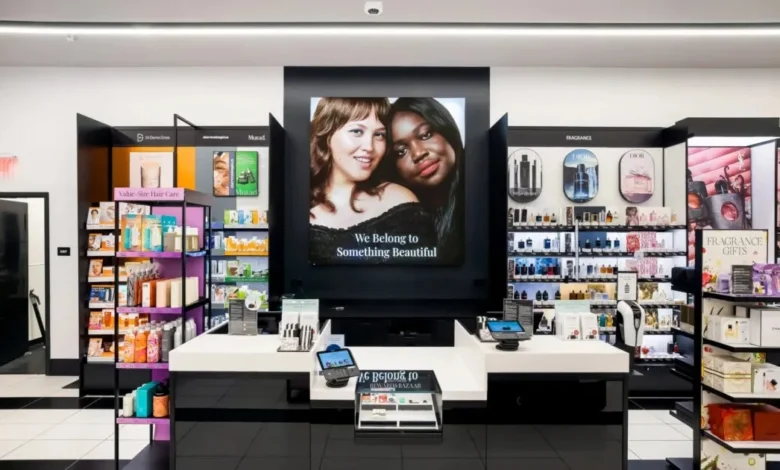
The vibrant energy of a typical Sephora store—a symphony of bright lights, upbeat music, and the lively hum of staff and customers—has long been a hallmark of the beauty retail experience. However, in a significant shift toward greater accessibility and inclusivity, the LVMH-owned beauty giant is now actively curating moments of calm. In June, Sephora officially launched its "Quiet Hours" program globally, a strategic initiative designed to foster a more serene shopping environment. Participating stores worldwide are now dimming their lights, lowering the volume of in-store music, and pausing in-store events during designated periods. Crucially, shoppers will have the autonomy to decide if and when they wish to engage with sales associates, empowering a more personalized and less overwhelming visit.
This move places Sephora alongside a growing number of major retailers that are recognizing the importance of sensory-friendly shopping. The "Quiet Hours" program aims to cater specifically to the needs of neurodiverse shoppers, individuals who may find typical retail environments overstimulating. Walmart introduced a similar initiative in 2023, and Target’s commitment to sensory-friendly shopping dates back to 2016, demonstrating a broader industry trend toward accommodating diverse consumer needs. Sephora itself first piloted "Quiet Hours" in 2025, testing the concept in 32 stores across eight markets. The success of this pilot program paved the way for the current expansive rollout, with approximately 80% of U.S. Sephora stores now participating.
A Paradigm Shift from Sensory Overload
The retail landscape of the past often embraced a strategy of sensory overload, with brands like Abercrombie & Fitch in the early 2000s becoming infamous for their intense music and pervasive fragrances, creating an atmosphere more akin to a nightclub than a shopping destination. This approach was rooted in the belief that such an environment would drive sales through sheer energy and excitement.
Paula Floyd, founder and CEO of retail agency Headkount, reflects on this past era: "Back in the day, [stores were] like, ‘Turn the music up, the louder the better, pack in as many people as you can.’" Floyd, who oversaw MAC stores in the 1990s and early 2000s, recalls that the makeup giant intentionally cultivated a loud and buzzy store atmosphere. "If the store was quiet and people were just standing around, it was extremely intimidating [for customers]. The focus is on you," she explained. "We literally had a guideline for all volumes in each [MAC] store." This strategy aimed to create a sense of urgency and engagement, making customers feel observed and, ideally, more inclined to purchase.
The Pandemic’s Ripple Effect and Evolving Consumer Awareness
The COVID-19 pandemic served as a significant inflection point for many businesses, prompting a reevaluation of operational strategies and a deeper consideration of consumer needs. Retailers began experimenting with initiatives like pre-opening shopping hours for vulnerable populations seeking to avoid crowds. "That’s when I felt like retailers were paying more attention to the consumer, versus paying attention to the retailer’s needs," Floyd observed. This period fostered a greater awareness of the diverse needs and anxieties of shoppers, laying the groundwork for more inclusive practices.
The Growing Recognition of Neurodiversity
The current push for neuroinclusive retail environments is underpinned by a growing understanding and identification of neurodiversity. According to a 2024 YouGov poll, a significant 19% of Americans identify as neurodivergent. Furthermore, CDC data published in 2025 revealed a notable increase in autism prevalence among children in the U.S., rising from 1 in 150 in the year 2000 to 1 in 36 in 2020. This data underscores the increasing visibility and prevalence of neurodivergent individuals in the population, prompting businesses to adapt their practices to be more accommodating.
Dr. Bonnie Mitchell, DBH, LPCC and clinical director at The Mental Health and Stabilization Center of Sacramento, highlights the societal shift in perception: "The one thing Covid taught us is that it’s OK to slow down. And now that we have more people identifying as neurodivergent—meaning that they have PTSD, they have anxiety, they have fears—stores are starting to recognize the importance of these people who need this extra time, who need the dim lighting, who need the dimmer music." This recognition signifies a move away from a one-size-fits-all retail model toward a more personalized and empathetic approach.
Beyond Temporary Measures: Embracing Neuroinclusive Design
While "Quiet Hours" represent a valuable step, some retailers are exploring more permanent, integrated approaches to neuroinclusive design. The husband-and-wife team Olly and Amelia Markeson, who received late-in-life diagnoses of ADHD and dyslexia, and ADHD and autism respectively, co-founded Neurohaus in 2023. Their firm specializes in assisting brands in creating "neuroinclusive" store designs.
Neurohaus’s clients, which include luxury brands like Versace and Pandora, as well as organizations like Goodwill, focus on reducing "triggers" – elements that can cause distress or discomfort – while simultaneously introducing "glimmers," which are aspects designed to positively stimulate the senses. This can involve subtle architectural choices, such as opting for rounded edges over sharp lines, and incorporating designated areas of personal and private space within potentially crowded retail settings.
Olly Markeson emphasizes the goal of creating environments that are not merely less stimulating but actively beneficial: "The opportunity lies in creating things which are positively stimulating for that community, and for everybody. As opposed to this sense that the neurodivergent community kind of needs things to be lesser. There’s no need for things to be lesser. There’s just a need for them to be recalibrated and be intentionally considered in the design to be positively stimulating." This perspective reframes inclusivity not as a concession but as an opportunity for enhanced and universally positive design.
Benefits for Employees and the Evolving Retail Landscape
The implications of neuroinclusive design extend beyond customer experience to benefit retail employees as well. Olly Markeson hypothesizes that neurodiversity is strongly represented within the retail workforce. "Every day is different, and you’re on your feet, and it can be very positively stimulating. And you don’t need traditional formal higher education qualifications for entry into retail, and so for lots of reasons, you get a lot more neurodivergent staff." Creating more supportive and adaptable work environments can therefore enhance job satisfaction and productivity for a significant portion of the retail workforce.
In an era where online retail giants like Amazon and TikTok Shop offer frictionless shopping experiences, brick-and-mortar stores face increasing pressure to provide compelling reasons for consumers to visit in person. "Especially as retail is going to be more experiential and focused on those moments of connection, with in-person moments of connection, [neuroinclusivity] is all the more important," note Amelia Markeson. Experiential retail, which prioritizes sensory engagement and personal interaction, is precisely where thoughtful, inclusive design can create a competitive advantage.
Floyd suggests that Sephora’s "Quiet Hours" could attract a broader demographic than initially intended. She posits that the program might also appeal to older shoppers, a demographic that represents a valuable and growing segment of the beauty consumer market. While Sephora has recently garnered attention for its popularity among tweens, some of whom have been perceived as contributing to a chaotic shopping environment, the brand has also been actively expanding its offerings to cater to multi-generational consumers. The introduction of brands like Evereden, a pre-teen skincare line, and Sarah Creal, a makeup brand targeting the 40-plus demographic, signals a strategic pivot toward broader appeal. "There’s a huge clientele there," Floyd stated. "There are grandmothers and preteens shopping together." The calmer atmosphere of Quiet Hours could create a more comfortable and cohesive shopping experience for these diverse family groups.
Challenges and Future Trajectories
Despite the positive steps, Sephora’s "Quiet Hours" program, as currently implemented, faces limitations. At many locations, these hours are restricted to the first hour of opening on Tuesdays and Saturdays. This limited availability has drawn criticism on social media platforms like Reddit and TikTok, with some users expressing that the program is inaccessible due to its narrow scope. Sephora has not yet provided a public comment on these criticisms.
The conversation around neuroinclusivity in retail is still evolving, but major brands like Versace are setting precedents that can influence the broader industry. The Markesons believe that such leadership can create a ripple effect, encouraging other businesses to adopt similar practices. Furthermore, the potential for future legislation addressing accessibility and neurodiversity cannot be overlooked. The rising number of disability discrimination complaints from neurodivergent workers, as indicated by EEOC data, suggests that legal frameworks may also evolve to mandate greater inclusivity in the workplace and public spaces.
Dr. Mitchell aptly summarizes the broader aspiration for retail environments: "All stores have to be wheelchair-friendly, right? Why can’t they be emotionally friendly, too?" This question encapsulates the fundamental shift occurring in retail—a move from merely accommodating physical needs to also acknowledging and supporting the emotional and sensory well-being of all customers. Sephora’s "Quiet Hours" represent a significant stride in this direction, signaling a future where retail spaces are designed to be welcoming, comfortable, and truly inclusive for everyone.