Puma Bolsters Digital Leadership with Appointment of Dusan Hamlin as Vice President of Ecommerce to Drive Global Growth

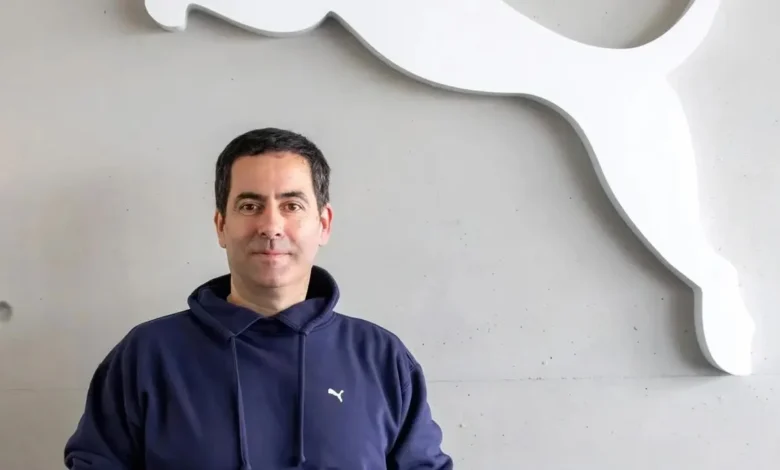
Puma has officially announced the appointment of Dusan Hamlin to the newly established position of Vice President of Ecommerce, marking a significant milestone in the sportswear manufacturer’s ongoing efforts to overhaul its digital infrastructure and direct-to-consumer (DTC) capabilities. Hamlin, a seasoned executive with over a quarter-century of experience in the digital and retail sectors, transitions to the German athletic brand with immediate effect. In his new capacity, he will be responsible for orchestrating Puma’s global digital and ecommerce strategy, ensuring that the brand remains competitive in an increasingly fragmented and technology-driven global marketplace. Hamlin will report directly to Matthias Bäumer, Puma’s Chief Commercial Officer, signaling the high level of priority the company is placing on its digital sales channels.
The creation of this role follows a strategic reorganization initiated by Puma late last year. In a move to sharpen its focus on consumer touchpoints, the company revealed plans to decouple its direct-to-consumer operations into two specialized divisions: Global Retail and Global Ecommerce. By separating these functions, Puma aims to foster more specialized leadership and agility within each channel. Hamlin’s appointment is the centerpiece of this structural shift, as the company seeks to capitalize on the rapid evolution of online shopping habits and the growing importance of digital platforms as a primary source of revenue and brand engagement.
A Legacy of Digital Transformation and Innovation
Dusan Hamlin enters the role with a formidable pedigree in the sportswear industry, having held senior leadership positions at two of Puma’s primary rivals, Adidas and Reebok. During his tenure at these organizations, Hamlin was instrumental in spearheading large-scale digital transformation projects that helped modernize their respective online presence and supply chain integrations. His experience at Adidas, in particular, coincided with a period of intense digital acceleration for the brand, providing him with deep insights into the complexities of scaling ecommerce for a multi-billion-dollar global enterprise.
Beyond his corporate experience, Hamlin is recognized as an entrepreneur and advisor within the digital ecosystem. He co-founded M&C Saatchi Performance, a specialist performance marketing agency, and This Place, a digital design consultancy known for its focus on user experience and strategic innovation. His background also includes a long-term tenure on the board of Asteria Corporation, a software business listed on the Tokyo Stock Exchange. This diverse portfolio of experience—ranging from creative agency leadership to technical software governance—positions Hamlin as a versatile leader capable of bridging the gap between marketing, technology, and commercial operations.
Strategic Context: The Reorganization of Puma’s DTC Operations
The appointment of a dedicated Vice President for Ecommerce is the logical conclusion of Puma’s "FOREVER. FASTER." strategy, which emphasizes speed, efficiency, and a closer connection to the end consumer. For several years, the sportswear industry has been undergoing a fundamental shift away from traditional wholesale-heavy models toward a DTC-centric approach. While wholesale remains a vital part of Puma’s distribution network, the higher margins and data-rich environment of ecommerce offer unparalleled opportunities for growth and brand control.
In December 2023, Puma’s leadership team identified the need for a more granular management structure. By splitting the DTC umbrella, the company can now dedicate resources specifically to the nuances of physical retail—such as flagship store experiences and localized inventory—while simultaneously allowing the ecommerce division to focus on web optimization, mobile applications, and third-party marketplaces. Matthias Bäumer highlighted this necessity, describing Hamlin as a "proven digital transformation expert" whose leadership is required as online channels become "an increasingly important part of the business."
The Digital Landscape: Data and Market Trends
Puma’s push into enhanced ecommerce comes at a time when digital sales are no longer just a supplementary revenue stream but a core pillar of financial stability. According to industry data, the global sportswear market is projected to continue its steady growth, with a significant portion of that expansion driven by online transactions. In its most recent fiscal reports, Puma noted that while the macroeconomic environment remains challenging due to fluctuating consumer sentiment and currency headwinds, its DTC channel has shown resilience.
In 2023, Puma reported annual sales of approximately €8.6 billion. While wholesale accounts for the majority of this figure, the DTC segment—comprising both owned retail stores and ecommerce—has been a focal point for investment. Industry analysts suggest that by strengthening its ecommerce leadership, Puma is aiming to increase its digital share of total sales to align more closely with competitors like Nike, whose digital sales have at times exceeded 25-30% of total revenue. Hamlin’s mandate will involve not only increasing the volume of sales but also improving the quality of the "customer journey," reducing friction from discovery to checkout.
Key Focus Areas: AI, Social Commerce, and Mobile Integration
Upon his appointment, Hamlin identified several key areas that will define the next phase of Puma’s digital evolution. He noted that there is a "massive opportunity" to refine the brand’s digital platform. Specifically, Hamlin pointed toward social commerce and AI-powered shopping at scale as the primary frontiers for the business.
Social commerce—the process of selling products directly through social media platforms like Instagram, TikTok, and Snapchat—has become a vital tool for reaching Gen Z and Millennial demographics. These consumers increasingly use social media as a search engine and a shopping mall. By integrating seamless "click-to-buy" functionality within social content, Puma can reduce the steps between brand inspiration and purchase.
Furthermore, the integration of Artificial Intelligence (AI) is expected to play a transformative role in Puma’s ecommerce strategy. This includes:
- Personalization: Using AI algorithms to provide tailored product recommendations based on browsing history and past purchases.
- Inventory Management: Utilizing predictive analytics to ensure that high-demand products are available in the right regions, reducing shipping times and costs.
- Customer Service: Implementing advanced AI chatbots to handle routine inquiries, allowing human agents to focus on complex customer needs.
- Augmented Reality (AR): Enhancing the mobile app experience with "virtual try-on" features, particularly for footwear, to reduce return rates and increase consumer confidence.
Chronology of Recent Leadership Changes at Puma
The hiring of Dusan Hamlin is part of a broader trend of leadership revitalization at Puma. The company has been aggressively recruiting top-tier talent from its competitors to solidify its executive ranks.
- Late 2023: Puma announces the strategic split of its DTC operations into Global Retail and Global Ecommerce.
- Early 2024: Puma reports resilient financial results despite global economic volatility, emphasizing the need for digital acceleration.
- April 2024: Puma appoints Marcia Dos Santos, a veteran with extensive experience at Nike, as Vice President of its core business unit. Her role focuses on product and merchandising strategies.
- May 2024: Dusan Hamlin is officially named Vice President of Ecommerce, completing a key piece of the digital leadership puzzle.
This series of appointments suggests a concerted effort by Puma’s CEO, Arne Freundt, to build a leadership team that combines deep industry knowledge with fresh perspectives on digital innovation. By poaching talent from Nike, Adidas, and Reebok, Puma is effectively absorbing the "best practices" of the industry while attempting to forge its own unique path.
Official Responses and Industry Implications
The reaction to Hamlin’s appointment within the industry has been largely positive. Analysts view the move as a necessary step for Puma to maintain its momentum. Matthias Bäumer’s comments reflect the company’s internal confidence in Hamlin’s ability to navigate the complexities of modern retail. He emphasized that Hamlin would help Puma "strengthen its ecommerce strategy and improve the customer experience across its website, mobile apps and online marketplaces."
Hamlin himself expressed enthusiasm for the brand’s potential, stating that the expansion of the ecommerce team is a critical component of Puma’s growth. His focus on "changing customer expectations" suggests an awareness that the modern consumer demands more than just a functional website; they demand an immersive, personalized, and rapid shopping experience.
The implications for the broader sportswear market are significant. As Puma reinforces its digital capabilities, the "big three" (Nike, Adidas, and Puma) are entering a new era of competition defined by technological sophistication rather than just marketing spend. Puma’s focus on AI and social commerce indicates that the battle for market share will increasingly be fought on smartphone screens rather than just on the shelves of wholesale partners.
Conclusion: The Path Forward for Puma’s Digital Ecosystem
As Dusan Hamlin takes the reins of Puma’s global ecommerce operations, the company is positioned to transition from a traditional footwear brand into a digital-first retail powerhouse. The challenges ahead are non-trivial: global supply chain disruptions, rising digital acquisition costs, and the rapid pace of technological change all present hurdles. However, with a dedicated division and a leader with Hamlin’s specific expertise, Puma is better equipped to navigate these waters.
The success of this appointment will likely be measured by Puma’s ability to increase its DTC margins, enhance its mobile app engagement, and successfully leverage emerging technologies like AI to create a more efficient and engaging shopping experience. For Puma, the goal is clear: to ensure that the "Big Cat" is not only faster on the track but also faster in the digital marketplace. This appointment serves as a definitive signal to investors and competitors alike that Puma is committed to a digital future where the consumer is always just one click away from the brand.