Orcas Unleash Explosive Force on Sunfish, Shattering Prey in Dramatic Display

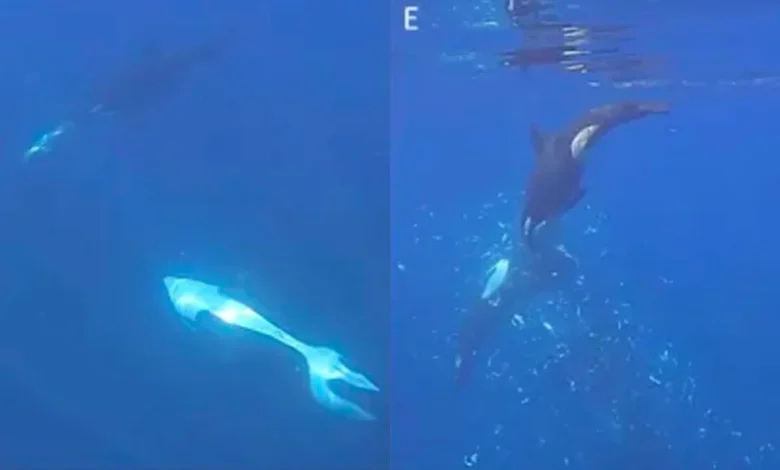
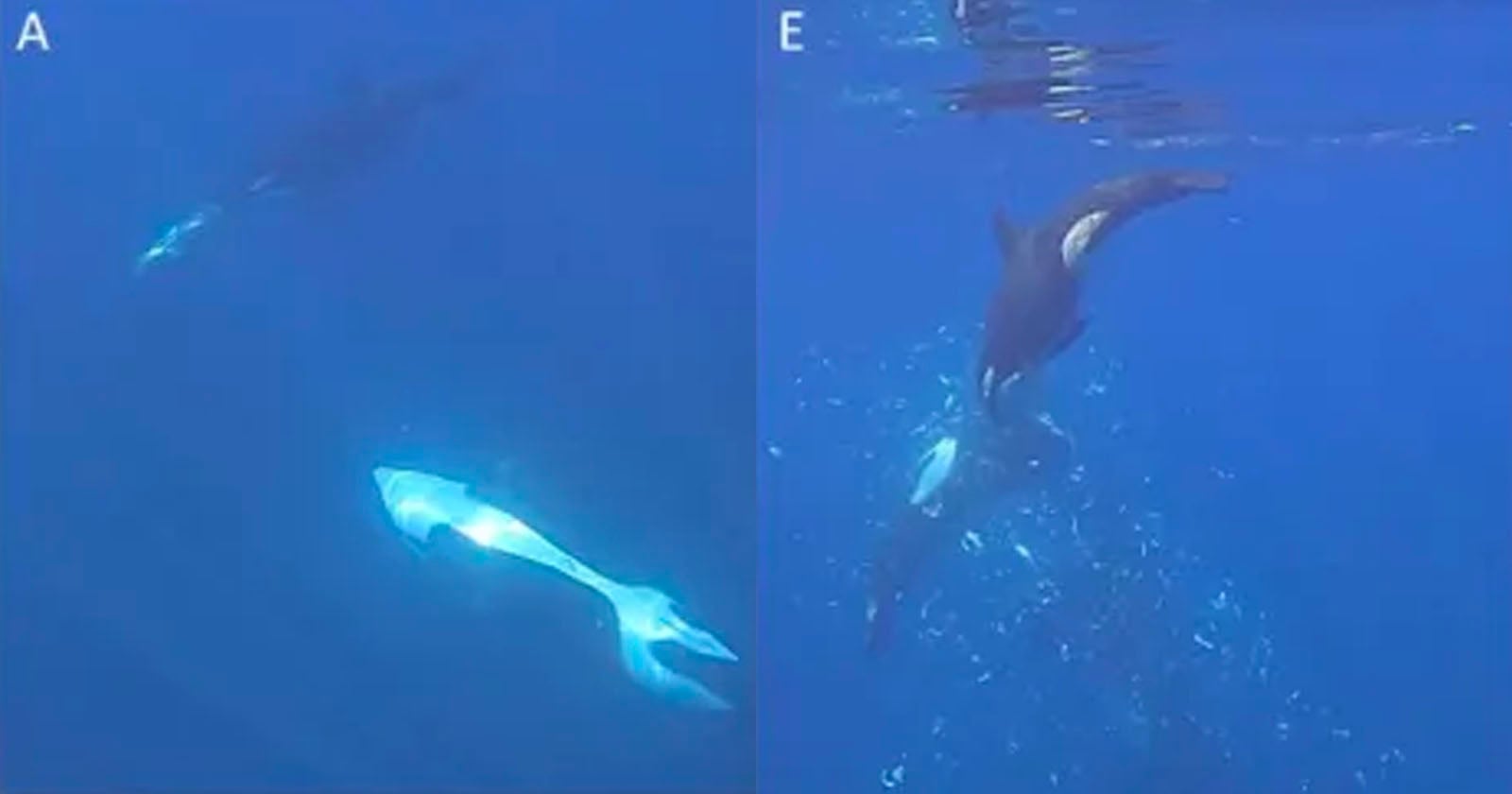
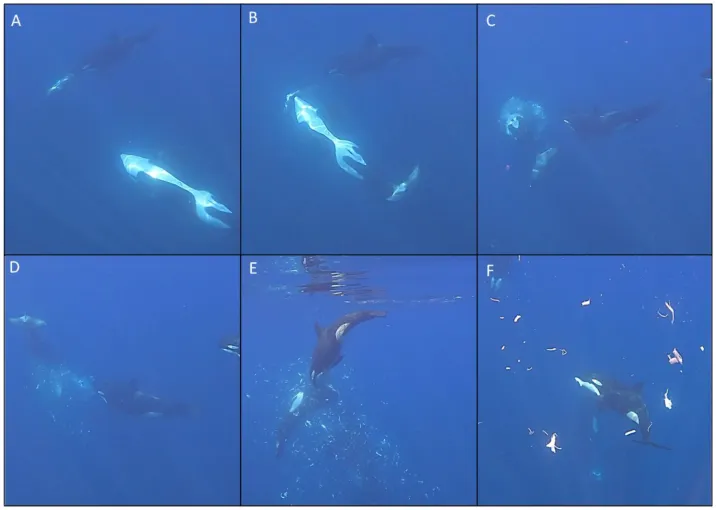
A marine biologist captured astonishing footage in the Gulf of California in July 2024, documenting an orca exhibiting a remarkable and previously unrecorded predatory behavior: the deliberate and forceful ramming of a sunfish, causing the massive creature to explode into thousands of pieces. The incident, filmed by Dr. Kathryn Ayres, a researcher specializing in marine mammal behavior, offers a rare glimpse into the complex and sometimes surprising hunting strategies of these apex predators. The visual evidence, corroborated by a peer-reviewed study published in the journal Frontiers in Ethology, suggests that this explosive fragmentation might serve purposes beyond mere consumption, potentially including social sharing or even a form of predatory play.
A Violent Spectacle in the Azure Depths
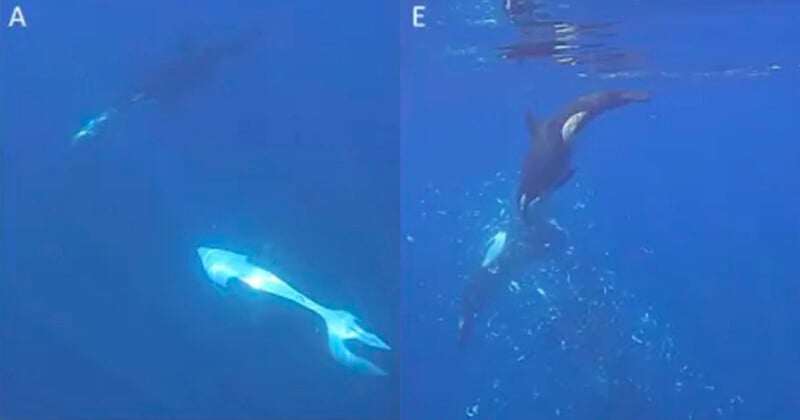
The initial encounter occurred while Dr. Ayres was participating in a shark diving expedition. Drawn by the unusual activity, she entered the water to observe the scene more closely. What unfolded was a coordinated effort by two orcas involving a large sharptail sunfish (Masturus lanceolatus). One orca was observed holding the deceased sunfish steady, a critical maneuver that allowed a second orca to approach at high speed from below, delivering a powerful, belly-first impact. The force of this collision was so immense that it generated a distinct "crunching" sound, audible even through the water, and resulted in the sunfish disintegrating into a cloud of fragments. Dr. Ayres’ audible gasps of astonishment were captured on her recording, reflecting the sheer unexpectedness and intensity of the event.
The sunfish, a species known for its substantial size and unique physiology, is one of the largest bony fish in the ocean. Sharptail sunfish, in particular, can reach lengths of up to 10 feet (three meters) and weigh over 4,000 pounds (1,800 kilograms), making them a formidable prey item. The visual evidence strongly suggests that the orcas had already consumed the sunfish’s nutrient-rich internal organs prior to the ramming event. This observation is a key factor in the researchers’ hypotheses regarding the motivation behind this explosive feeding technique.
Scientific Analysis: Unpacking the Orca’s Strategy
The groundbreaking findings were recently detailed in a formal report published in Frontiers in Ethology, co-authored by Dr. Ayres and a team of researchers. The study, titled "Fragmentation of sharp-tail sunfish (Masturus lanceolatus) caused by high-impact ramming behavior in orcas (Orcinus orca)," meticulously analyzes the observed behavior. The researchers propose several potential explanations for this unusual predatory tactic.
One primary hypothesis centers on the logistical challenges of sharing a large carcass among an entire orca pod. By fragmenting the sunfish into smaller, manageable pieces, the orcas may be facilitating a more equitable distribution of the remaining edible material amongst all members of the group, including younger or less dominant individuals. This cooperative feeding strategy is consistent with the highly social nature of orcas, which often exhibit complex group dynamics during hunts and feeding.
However, the researchers also acknowledge the growing body of evidence suggesting that orcas engage in behaviors that extend beyond immediate nutritional needs. The study references instances where orcas have been documented playing with their prey, such as tossing seals or even adorning themselves with dead salmon, wearing them like "hats." Dr. Ayres, in an interview with CNN, stated, "They had already consumed the sunfish’s internal organs, which are the most nutrient-rich parts of the prey. This suggests that causing the sunfish to explode may not have served an immediate feeding purpose and could have just been for fun." This "play" element, while challenging to quantify, highlights the cognitive complexity and behavioral repertoire of these intelligent marine mammals.
Anatomical Considerations and Predatory Adaptation
The physical characteristics of the sunfish may also play a crucial role in the effectiveness of this ramming technique. The study notes that sunfish, particularly the sharptail variety, possess a laterally compressed and flattened body shape. This unique anatomy, combined with the removal of internal organs, might render the remaining flesh more susceptible to rupture under extreme physical force. "Their bodies are laterally compressed," Dr. Ayres explained. "Once the nutrient-rich internal organs have been removed, the remaining tissues may be more accessible to rupture under high-impact ramming." This suggests a potential co-evolutionary dynamic where orcas have adapted their hunting methods to exploit the specific vulnerabilities of certain prey species.
A Pattern of Behavior: Corroborating Evidence
The footage captured by Dr. Ayres is not an isolated incident. A second video documenting similar behavior was recorded by a tour operator in the Gulf of California in September of the previous year. This independent observation reinforces the notion that this sunfish-ramming technique is a recurring, albeit rarely witnessed, predatory behavior. The second video also depicts the characteristic pattern of one orca immobilizing the sunfish while another delivers a high-speed ram. The consistency across these separate observations lends significant weight to the researchers’ findings and their hypotheses.
Broader Implications for Marine Ecology and Conservation
The discovery of this novel predatory behavior by orcas has several implications for our understanding of marine ecosystems and predator-prey dynamics. It underscores the remarkable adaptability and intelligence of orcas, highlighting that their hunting strategies are not static but can evolve and diversify. This behavior also sheds light on the ecological role of orcas as apex predators capable of significantly impacting prey populations, even in unusual ways.
The study’s publication in a peer-reviewed journal marks a significant advancement in marine ethology, providing empirical data to support previously anecdotal observations or hypotheses. It serves as a potent reminder of how much remains to be discovered about the deep ocean and its inhabitants. As researchers continue to explore and document these behaviors, a more comprehensive picture of the intricate web of life in our oceans will emerge.
Furthermore, understanding such specialized hunting techniques can inform conservation efforts. By recognizing the unique behaviors and ecological roles of different species, scientists can develop more targeted and effective strategies for protecting marine biodiversity. The continued observation and documentation of orca behavior, particularly in regions like the Gulf of California, which is a rich hub of marine life, will be crucial for ongoing research and conservation initiatives. The dramatic fragmentation of the sunfish, while seemingly violent, is a testament to the complex and fascinating adaptations that drive survival in the natural world, offering a profound insight into the power and ingenuity of the ocean’s most formidable predators.