The intersection of personal identity and traditional wedding customs is increasingly becoming a focal point for modern couples seeking to redefine the matrimonial experience. For Georgia, a British expatriate, and her American fiancé, Ryan, the planning of their upcoming autumn wedding in New Hampshire has evolved into a case study on the shifting priorities of contemporary couples. As they prepare for an October ceremony set against the backdrop of the region’s iconic foliage, the couple is actively navigating the complexities of destination wedding logistics while challenging the standard industry expectations surrounding bridal attire.
The Evolution of Bridal Fashion and Non-Traditional Choices
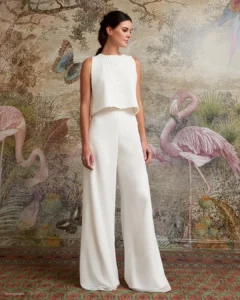
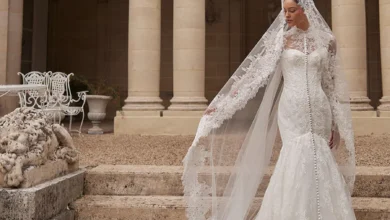
The traditional white wedding dress, a trend solidified by Queen Victoria in 1840, has long served as the industry standard. However, market research and industry reports from major bridal associations indicate a significant shift in consumer behavior. According to data from the Knot and various bridal trend analysts, approximately 15% to 20% of modern brides are now opting for non-white, colored, or alternative silhouettes, a figure that has seen a steady uptick over the last decade.
For Georgia, the decision to abandon the white gown was not merely an aesthetic preference but a conscious alignment with her personal identity. As an individual who identifies as non-traditional, the pressure to conform to white lace and tulle presented a psychological barrier. The inquiry into whether one should conceal tattoos or adhere to a specific color palette reflects a broader tension felt by many "alternative" brides—the struggle to balance family expectations with authentic self-expression.
Chronology of the Planning Process
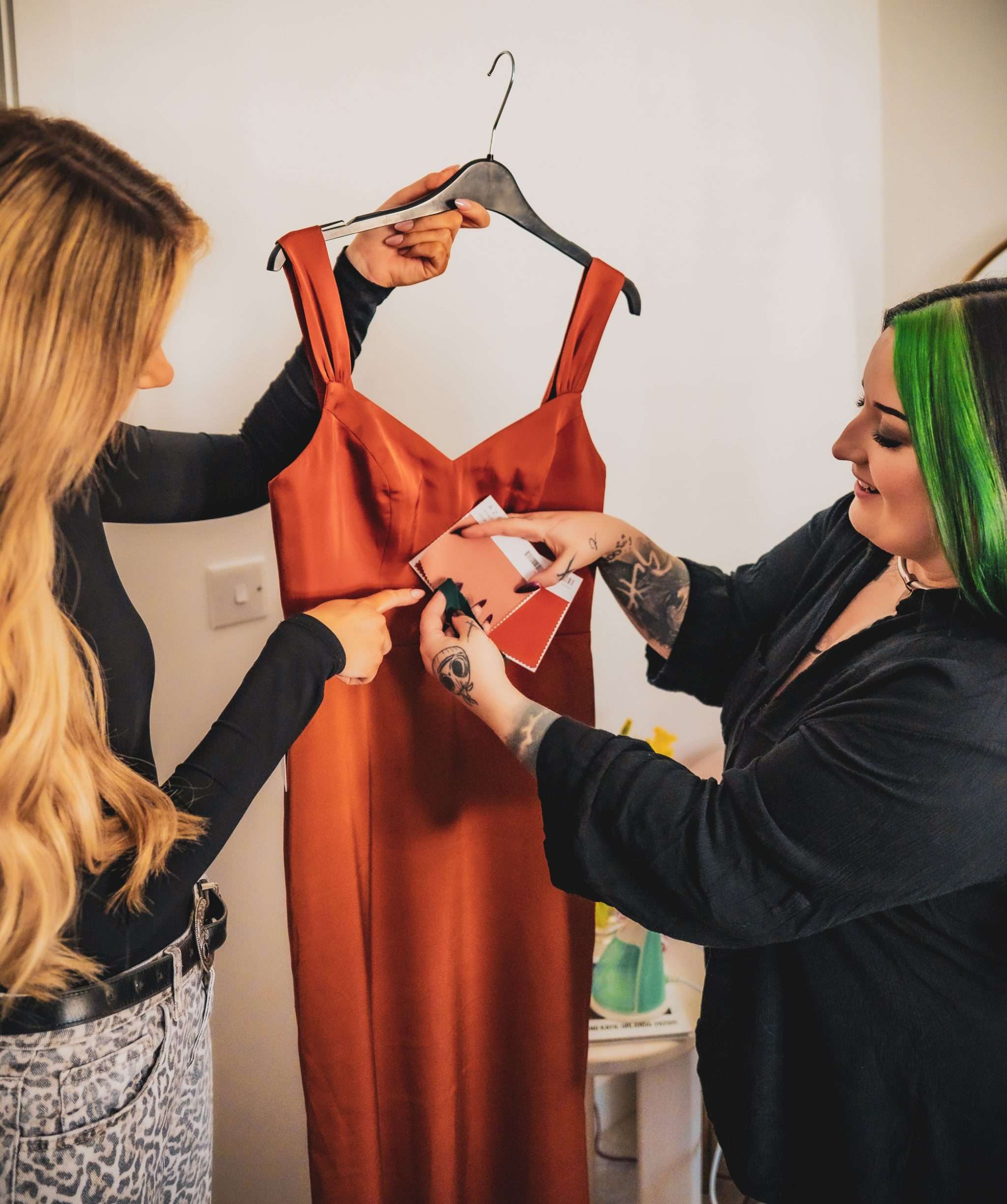
The journey to securing a wedding ensemble began with a prioritization of the bridal party’s aesthetic. In early 2026, the couple finalized the location for their ceremony: a venue nestled within the rugged, autumnal landscape of New Hampshire. The choice of locale dictated much of the aesthetic direction. Georgia focused initially on the bridesmaids, seeking colors that mirrored the seasonal shift—specifically the deep, earthy tones of rust, gold, and amber.
By mid-2026, the process shifted toward the bride’s own attire. Having ruled out conventional white, Georgia identified green as her signature color, citing its personal significance—a green streak in her hair was, according to the couple, a catalyst during their initial meeting. The search for a green gown proved difficult due to the scarcity of high-end, ready-to-wear wedding dresses in non-traditional hues.
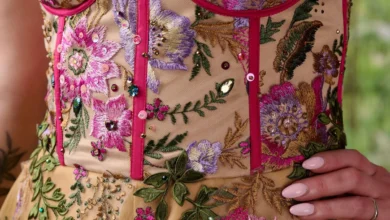
In August 2026, the search moved from online browsing to physical consultations. After identifying a specific fabric and shade, Georgia engaged in a bespoke consultation to determine the feasibility of constructing a custom gown. This period marked a transition from conceptualization to execution, involving both financial considerations and the involvement of family members in the decision-making process.
Financial Implications and Budgeting Strategies
One of the primary challenges in opting for custom, non-traditional bridal wear is the budgetary impact. Standard wedding dresses often benefit from economies of scale within the bridal industry. Conversely, custom-made garments require specialized labor and sourcing, which often commands a premium.
Industry analysts note that the average cost of a wedding dress in the United States currently fluctuates between $1,500 and $3,000, though luxury custom pieces can easily exceed this range. For the couple, the decision to allocate approximately 10% of their total wedding budget toward the dress necessitated a re-evaluation of their financial priorities. This decision-making process highlights the "value-based spending" trend, where couples prioritize items that hold personal significance over industry-standard "must-haves."
Sociological Analysis: The "Green Dress" Phenomenon
The choice of a green wedding dress carries subtle cultural connotations. Historically, green has been associated with nature, fertility, and renewal. In the context of an autumn wedding, it acts as a camouflage against the natural environment, blending the bride into the landscape.
Sociologists observing wedding trends suggest that the rise of the "alternative" wedding is a reaction to the highly commodified nature of modern nuptials. By rejecting the "white dress" archetype, couples are effectively decoupling their identity from the historical, often patriarchal, baggage associated with bridal tradition. This shift is not just about the color of the fabric; it is a declaration of autonomy. As Georgia noted during her planning, the focus remains on the marriage itself, with the attire serving as a medium for self-expression rather than a performance for onlookers.
The Role of Technology and Online Influence
The influence of digital media cannot be overstated in this narrative. The couple’s decision-making process was heavily supported by online research, digital swatch comparisons, and virtual communication with service providers. The "Nearlywed Diaries" project itself, which documents this process in real-time, represents a new genre of wedding media—one that prioritizes the "messy reality" of planning over the curated, sanitized content often found in traditional bridal magazines.
By documenting the process in real-time, the couple is providing a transparent look at the logistical hurdles of a destination wedding. This includes the management of international expectations, the coordination of local vendors in a foreign state, and the emotional labor involved in navigating potential familial pushback against unconventional choices.
Future Implications for the Bridal Industry
The industry response to this shift has been mixed. While many high-end designers continue to focus on traditional palettes, boutique ateliers are increasingly capitalizing on the demand for color. Retailers that offer custom colorways or specialized fabrications are seeing increased engagement from Gen Z and Millennial brides who prioritize sustainability and individuality.
Furthermore, the environmental impact of bridal fashion is gaining scrutiny. Many brides are now considering whether a dress will be worn again, or if it can be repurposed. By choosing a custom design that aligns with her personal style, Georgia is arguably investing in a piece that holds more long-term value than a disposable, single-use garment.
Conclusion: Authenticity as the New Tradition
As the wedding date approaches, the narrative surrounding the green dress serves as a microcosm of the broader shifts in wedding culture. The tension between tradition and individual agency is being resolved in favor of the latter. For those planning their own ceremonies, the lesson from this experience is clear: the most successful wedding is one that reflects the participants, regardless of established industry norms.
As Georgia reflects on her younger self—a person who was often self-conscious about her non-conformity—the wedding has become a form of closure. It is an opportunity to validate the choices she has made throughout her life. Whether the gown is white, green, or black, the ultimate objective remains the same: to enter into a partnership that is honest and representative of the individuals involved. By refusing to conform to the pressures of the traditional bridal industrial complex, the couple is effectively carving out a path that prioritizes their own, unique narrative over the pre-packaged expectations of the wedding industry.