The Ultimate Ethical and Eco-Friendly Christmas Gift Guide 2026: Sustainable Presents Without the Greenwash

The modern holiday season presents consumers with an annual paradox: the desire to express appreciation through gift-giving clashing directly with the environmental realities of increased consumption. As shoppers prepare for the festive period in late 2026, the retail landscape remains saturated with marketing claims of sustainability. However, distinguishing genuinely eco-friendly products from corporate greenwashing has become increasingly difficult for the average buyer. To address this challenge, sustainability experts and consumer advocates have released comprehensive, budget-conscious gift guides designed to remove the guesswork from ethical purchasing, establishing clear benchmarks for what constitutes a responsible holiday purchase.

Background and Context of the Sustainable Holiday Movement
Over the past decade, the commercial pressures of Christmas have driven a surge in single-use plastics, fast fashion, and energy-intensive manufacturing. Environmental watchdogs note that household waste increases significantly during December, driven largely by discarded wrapping paper, unwanted novelty items, and poorly made gifts that quickly find their way to landfills. In response, a cultural shift has emerged among consumers demanding greater supply chain transparency, circular economy models, and verified ethical labor standards.

Despite this growing consumer awareness, the market remains plagued by vague descriptors such as "eco-friendly" or "green" without regulatory definitions. Retailers frequently leverage these terms to market goods that offer minimal environmental benefit. To counteract this trend, independent consumer guides have established strict vetting criteria focusing on material provenance, packaging reduction, and corporate accountability, ensuring that shoppers can navigate the 2026 holiday market with confidence.
Budget-Friendly Categories and Curated Selections for 2026

Navigating inflationary pressures while maintaining ethical standards requires careful curation. Current retail guides for the 2026 holiday season emphasize that sustainable giving does not require a luxury budget, with curated recommendations ranging from £2 to £50. These selections span multiple categories designed to accommodate diverse recipient profiles, including adults, teenagers, children, and household pets.
Apparel and Accessories

The fashion industry remains one of the largest global contributors to carbon emissions and textile waste. For the 2026 holiday season, curated ethical guides prioritize certified organic materials and circular manufacturing models.
- Bags and Backpacks: Brands such as Roka London utilize vegan-friendly recycled materials, transforming post-consumer plastic bottles and industrial fabric waste into durable rucksacks and totes.
- Sleepwear and Underwear: Manufacturers like Rapanui produce 100% organic cotton pyjamas within renewable-energy-powered facilities, incorporating take-back schemes that allow worn-out garments to be recycled into new yarn. Similarly, brands like Just Wears utilize MicroModal Air, a carbon-neutral fabric derived from sustainably grown European wood.
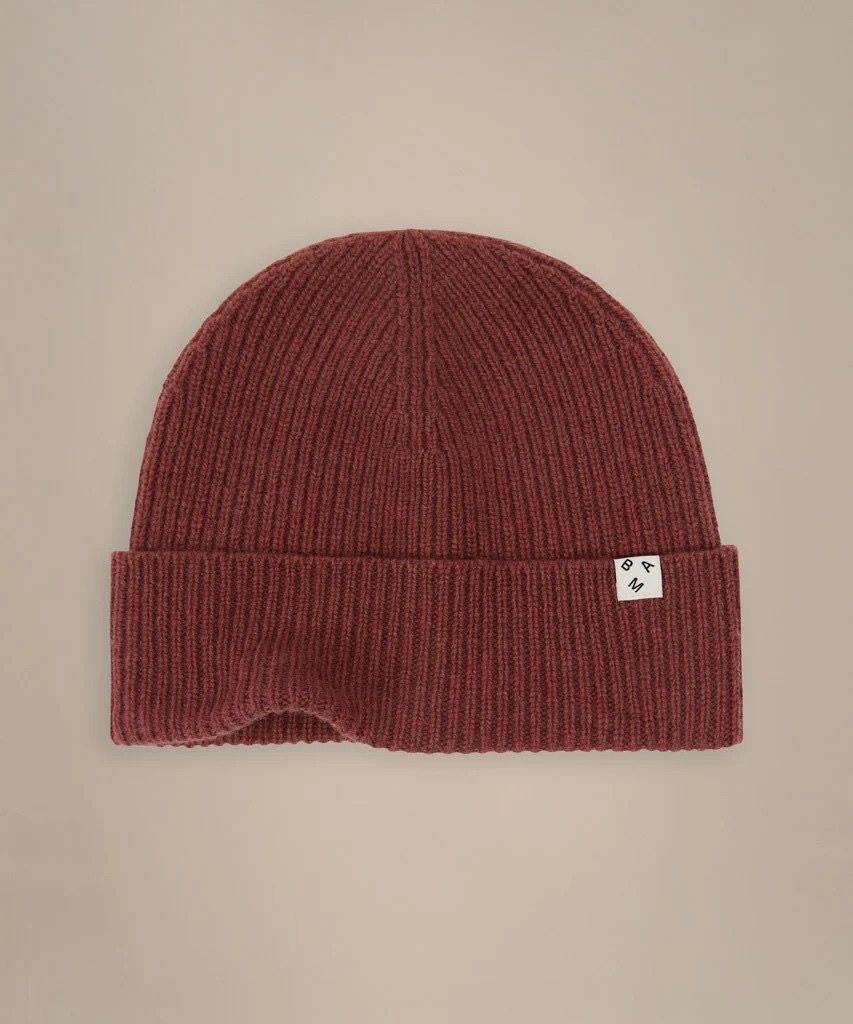
- Cold-Weather Accessories: Upcycled cashmere items, such as fingerless gloves crafted by The Nearly New Cashmere Co. from unrecoverable knitwear, offer a zero-waste alternative. Meanwhile, brands like BAM provide hats manufactured from Responsible Wool Standard (RWS) certified wool featuring closed-loop recycling infrastructure.
Beauty, Grooming, and Personal Care

The beauty sector has traditionally relied heavily on single-use plastics, complex chemical formulations, and palm oil. Ethical alternatives for 2026 focus heavily on upcycled ingredients and zero-waste packaging.
- Skincare Sets: Upcycled beauty brands, exemplified by Upcircle, formulate cleansers, serums, and moisturisers from ingredients that would otherwise enter the agricultural or hospitality waste streams, housed entirely in recyclable glass packaging free from parabens and synthetic fragrances.
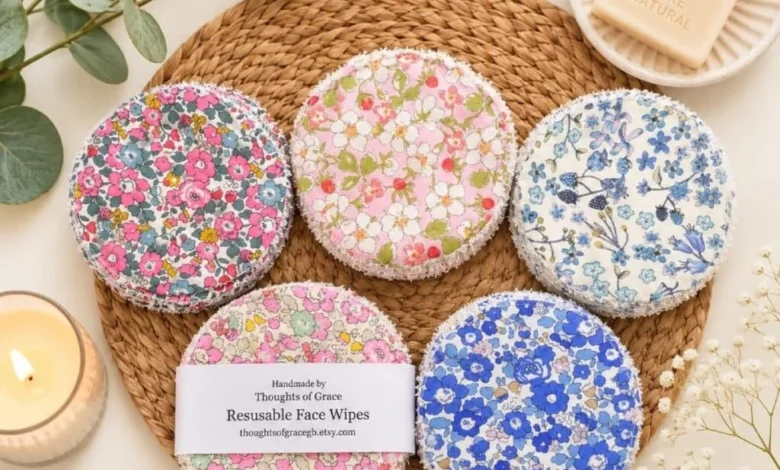
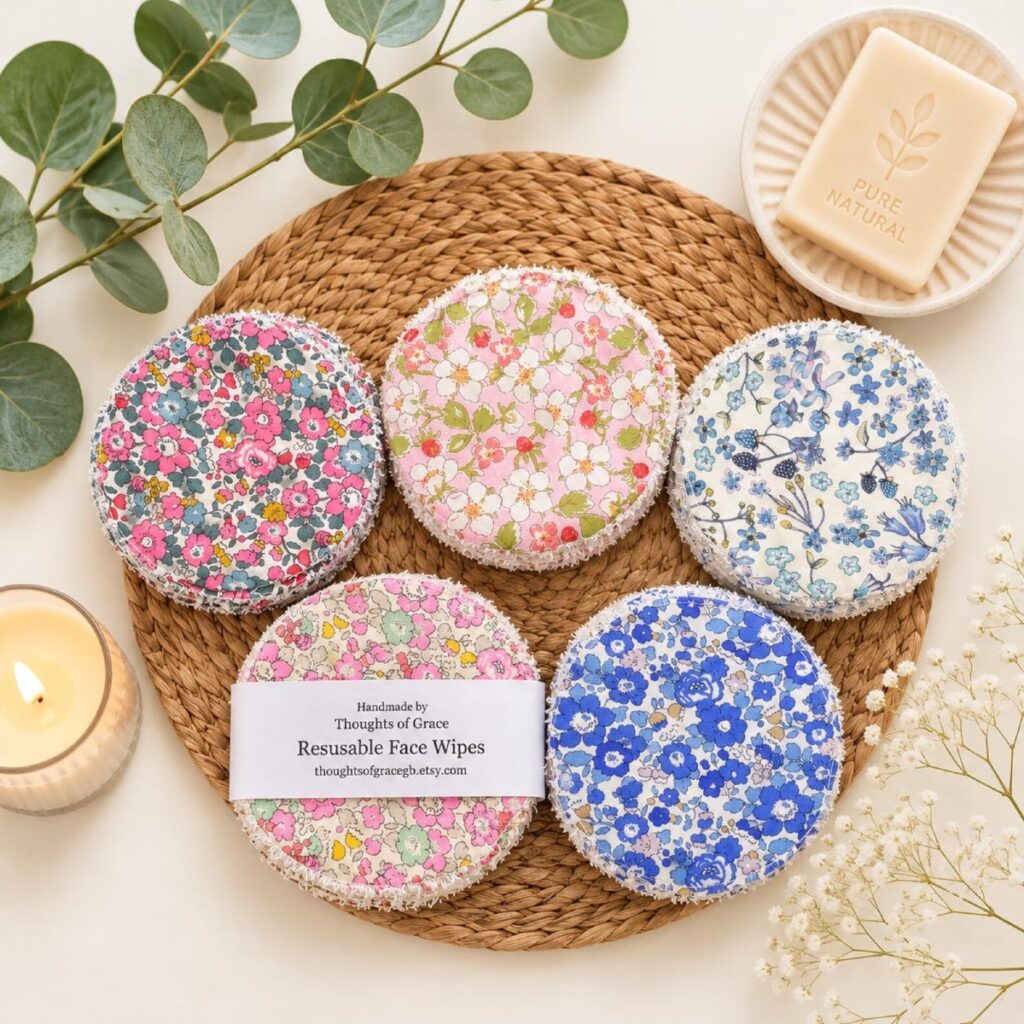
- Reusable Alternatives: The substitution of disposable cotton pads with reusable facial wipes crafted from certified organic bamboo terry and Liberty cotton provides a long-term household saving while reducing landfill waste.
- Artisanal Bath Goods: Small-batch producers across the United Kingdom deliver vegan-friendly bathing sets packaged in biodegradable or recyclable kraft materials, avoiding synthetic detergents.
Ethical Food, Drink, and Homewares

Consumable gifts remain a staple of holiday giving, offering minimal long-term clutter while supporting fair trade practices.
- Confectionery: Independent chocolatiers, including Chococo, provide palm-oil-free, vegan-friendly treats packaged in plastic-free kraft boxes, ensuring cocoa is sourced under certified fair-trade conditions.
- Artisanal Beverages: Loose-leaf tea blenders offer custom tasting packs utilizing plastic-free teabags, allowing consumers to tailor gifts from extensive botanical selections.
- Sustainable Homewares: Recycled glassware collections, produced through collaborations between European designers and traditional international artisans, transform discarded glass into durable, everyday tableware.
Children, Teens, and Pets
Buying for younger demographics often risks encouraging plastic clutter and short-lived toy trends. Ethical guides for 2026 emphasize educational value, durability, and natural materials.
- Apparel and Playthings: Brands such as Toby Tiger and Polarn O Pyret provide Global Organic Textile Standard (GOTS) certified cotton garments designed for longevity and inter-sibling hand-me-downs.
- Craft and Construction: Flat-packed 3D cardboard models inspired by nature, printed with vegetable inks, offer engaging activities without synthetic material dependency.
- Pet Accessories: The pet holiday market has expanded significantly, prompting manufacturers to produce durable dog and cat toys utilizing natural rubber, hemp, organic cotton, and solid felt wool.
Defining Criteria for Sustainable Gift-Giving

To establish editorial integrity and protect consumers from misleading marketing, experts evaluate products against a rigorous four-pillar framework. Understanding these criteria allows buyers to independently assess any retail item, regardless of its inclusion in published holiday guides.
Material Provenance and Certification

A genuine eco-friendly product prioritizes renewable, recyclable, or biodegradable materials. Standard benchmarks include:
- Organic Natural Fibres: Verified by GOTS or the Organic Content Standard (OCS).
- Animal Welfare and Land Management: Monitored through standards such as the Responsible Wool Standard (RWS) or Responsible Down Standard (RDS).
- Cruelty-Free Status: Confirmed by organizations like Leaping Bunny or Ecocert.
Packaging Minimization
The lifecycle of a product includes its packaging. Sustainable criteria penalize excessive single-use plastic, favoring unbleached cardboard, glass, aluminium, or home-compostable alternatives that minimize municipal waste burdens.
Supply Chain Transparency and Labor Practices

Environmental sustainability cannot be divorced from social responsibility. Evaluated brands must demonstrate fair labor practices, safe working conditions, and alignment with recognized ethical trade organizations. Certifications such as Fairtrade International or B Corporation status—which legally obligates companies to balance profit with social and environmental impact—serve as key indicators of corporate accountability.
Philanthropic Integration

Leading sustainable enterprises frequently reinvest a portion of their revenues into environmental restoration, community development, or social welfare initiatives, addressing systemic challenges such as deforestation, oceanic plastic pollution, and local homelessness.
Implications and Market Outlook

The continued growth of ethical holiday guides reflects a structural evolution in consumer behavior. As climate literacy improves, shoppers increasingly view purchasing decisions as an extension of personal civic responsibility. Retail analysts observe that traditional high-street brands are under mounting pressure to adopt circular business models, transparent supply chains, and verifiable eco-credentials to retain market share among younger demographic cohorts.
While premium pricing has historically acted as a barrier to ethical consumption, increased market competition and direct-to-consumer manufacturing have broadened accessibility. By centering holiday purchasing around durability, ethical labor, and minimal ecological disruption, consumers can reconcile the cultural traditions of gift-giving with planetary stewardship, setting a benchmark for commercial accountability throughout 2026 and beyond.