Inside the Regulatory Limbo of the Xtra Muse 2 Pro: A First-Hand Look at a Restricted Pocket Gimbal Camera

The current landscape of consumer imaging technology is defined by an ongoing race toward miniaturization, stabilization, and computational power. Among the most innovative segments of this market are pocket-sized, three-axis mechanical gimbal cameras equipped with large sensors, a niche that has captured the attention of vloggers, outdoor content creators, and mobile journalists alike. However, regulatory headwinds and international trade scrutiny can abruptly disrupt the commercial availability of even the most anticipated hardware. This is precisely the predicament surrounding the Xtra Muse 2 Pro, a dual-lens pocket gimbal camera that currently exists in a state of regulatory limbo within the United States.
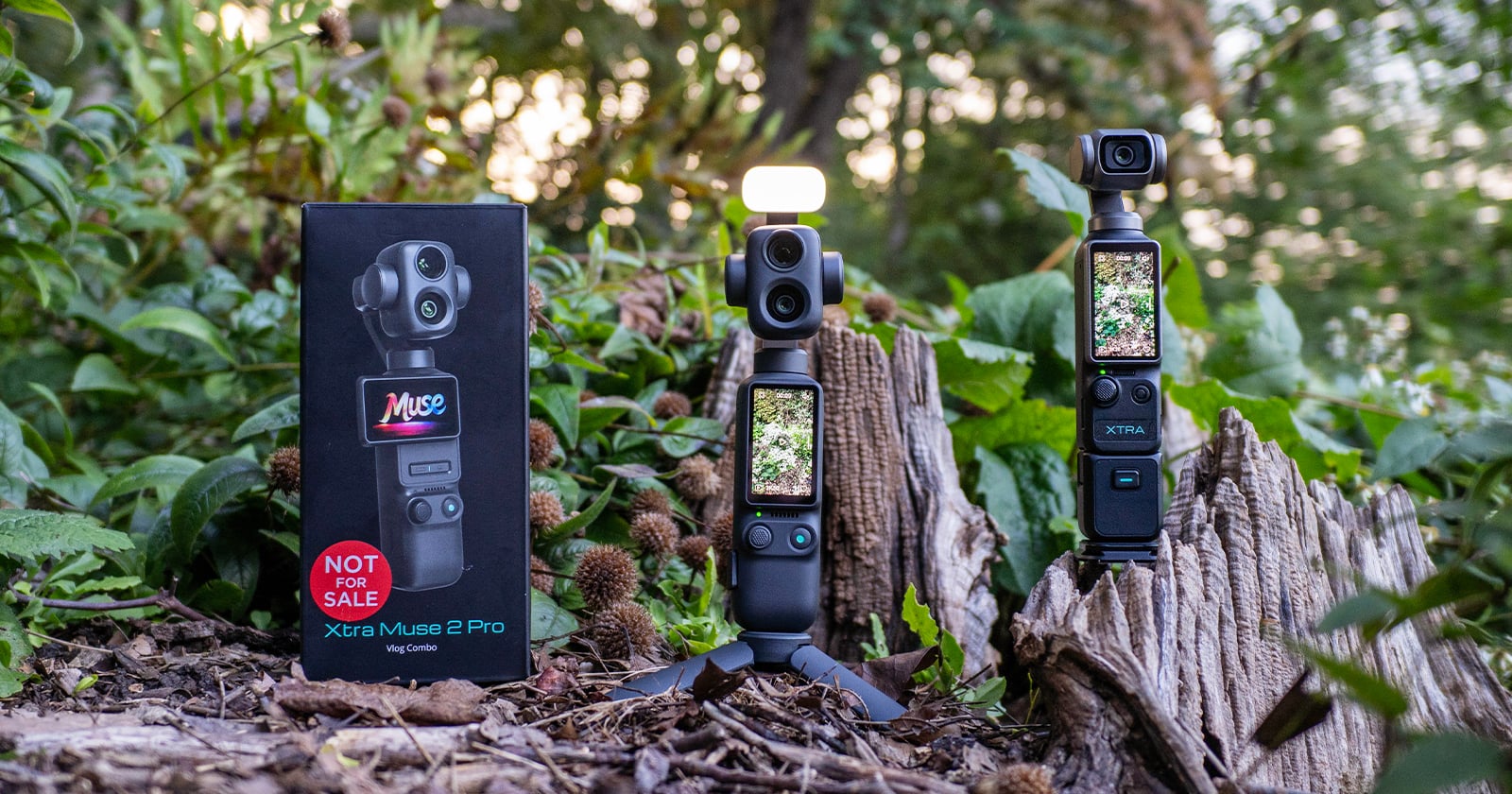
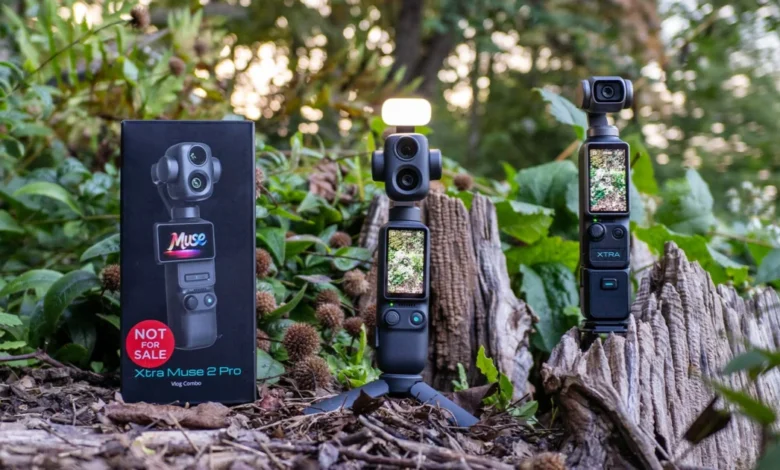
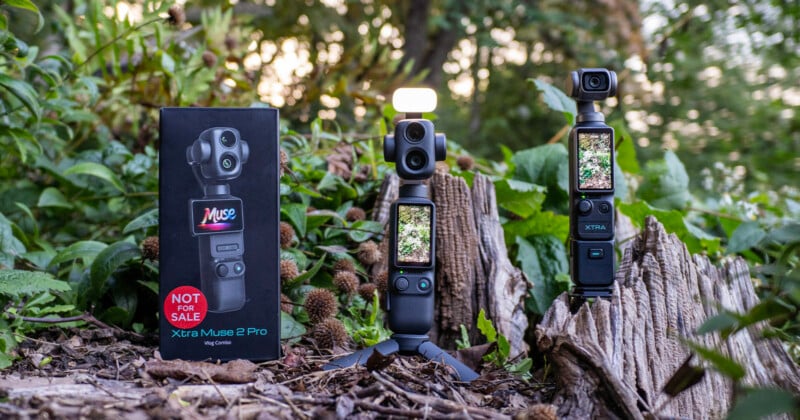
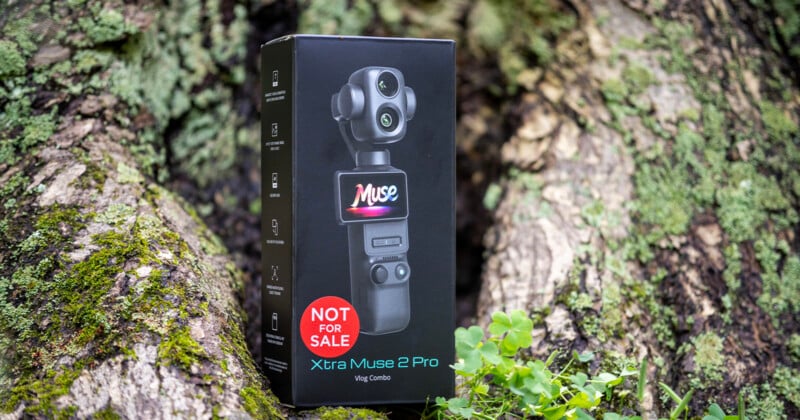
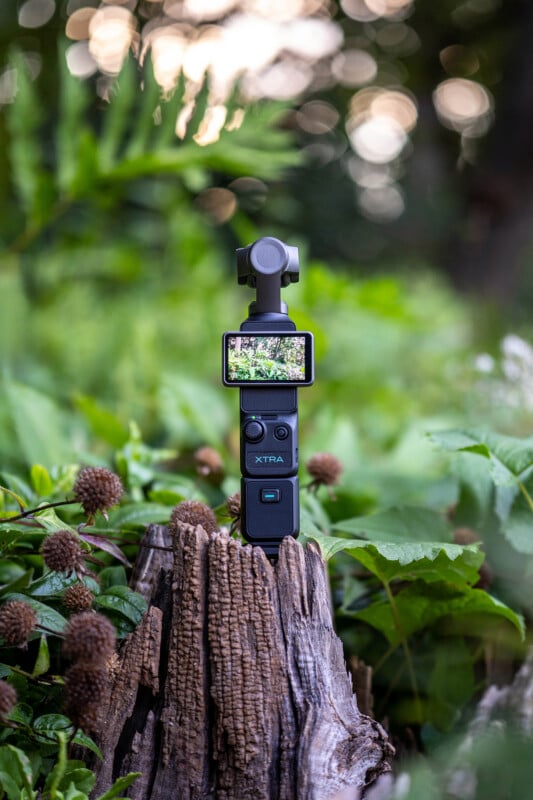
While the device remains officially unavailable for standard retail purchase across the country, a select group of content creators gained early access through promotional channels. Photographer Kate Garibaldi, named an "Xtra Aesthetic Master" during the company’s promotional rollout, received a review unit bearing a prominent red sticker reading "NOT FOR SALE." This anomaly highlights a complex intersection of international product development, creator marketing strategies, and escalating oversight by United States regulatory bodies.
Chronology of a Delayed Launch: From Anticipation to Regulatory Stagnation
The trajectory of the Xtra Muse 2 Pro in the American market began with high-profile promotional campaigns before encountering significant procedural roadblocks. The sequence of events outlines how a promising consumer product became ensnared in regulatory scrutiny:
- Late May: Xtra announces its "100 Creators for Xtra Muse 2 Pro" program on Instagram, inviting photographers and videographers to submit their work and engage with the brand. Selected participants are designated as "Xtra Aesthetic Masters" for their proficiency in lighting, mood, and style.
- June: Xtra secures an official equipment authorization from the Federal Communications Commission (FCC) for the Muse 2 Pro, following an attestation stating that the hardware was eligible for import and authorization at the time of filing. Concurrently, the company opens an Early Bird reservation program requiring a refundable $20 deposit, targeting a commercial retail launch in late July.
- July: The commercial timeline collapses. Xtra abruptly pauses the Early Bird reservation initiative and begins issuing refunds to prospective buyers, citing an inability to confirm a reliable launch date for the United States market.
- Mid-July: The FCC proposes regulatory enforcement actions against Xtra, including a $25,000 forfeiture and measures to restrict the importation and marketing of specific equipment. These actions stem from broader investigations concerning companies accused of distributing technology tied or similar to restricted DJI product lines.
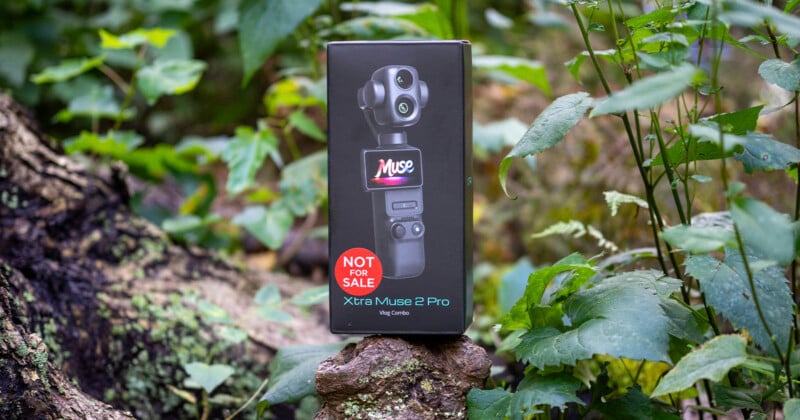
- September: Review units arrive at the doorsteps of designated creators. The retail packaging explicitly displays "NOT FOR SALE" warnings, emphasizing that while the hardware exists in the wild, standard distribution channels remain frozen pending ongoing communications between the manufacturer and federal regulators.
Hardware Specifications and Engineering Capabilities
Despite its restricted availability, the technical architecture of the Xtra Muse 2 Pro represents a notable evolution in pocket-sized imaging systems. Designed to bridge the gap between smartphones and traditional interchangeable-lens mirrorless cameras, the device integrates several high-end specifications into a portable form factor.
At the core of the imaging pipeline is a 1-inch CMOS sensor paired with an f/2.0 aperture for the primary wide-angle lens, which offers a 20mm-equivalent focal length. This configuration provides a distinct physical advantage over the smaller sensors typically found in traditional action cameras and smartphones, particularly regarding low-light performance and natural background separation. Furthermore, the Muse 2 Pro incorporates a secondary telephoto camera providing approximately a 3x optical reach (60mm-equivalent), enabling users to alter perspectives without physically swapping lenses or carrying supplementary equipment.
For video creators, the device supports high-frame-rate recording up to 4K at 240 frames per second. It includes a 10-bit X-Log 3 professional color profile designed to yield up to 17 stops of dynamic range, granting significant latitude for post-production color grading. Practical utility is further enhanced by 103GB of internal built-in storage, reducing immediate reliance on external media cards.
The stabilization system relies on a three-axis mechanical gimbal coupled with advanced subject-tracking algorithms. During field testing, the camera demonstrates rapid target acquisition, automatically re-locking onto subjects that temporarily leave the frame. This functionality caters specifically to solo creators who require autonomous tracking while navigating complex outdoor environments.
Regulatory Context and the Federal Communications Commission
The commercial roadblock facing the Muse 2 Pro is not an isolated incident within the consumer electronics sector. The Federal Communications Commission has intensified its oversight of foreign technology manufacturers, particularly those whose hardware architectures bear striking similarities to established market leaders such as DJI.
Federal investigators have scrutinized several firms over allegations of importing and marketing restricted technologies or utilizing supply chains tied to sanctioned entities. While the FCC’s proposed actions against Xtra—including a $25,000 proposed forfeiture and potential import restrictions—are part of a deliberative administrative process rather than an immediate, blanket prohibition on all company operations, the practical effect on unreleased hardware is absolute.
Industry analysts note a clear distinction between existing Xtra products already cleared for sale in the United States and unreleased pipeline items like the Muse 2 Pro. While legacy products remain supported and available while compliance discussions continue, upcoming hardware lacking final clearance faces indefinite delays. The paradox of the Muse 2 Pro receiving an FCC equipment authorization in June before its retail launch was halted highlights the fluid and unpredictable nature of contemporary trade and telecommunications compliance.
Performance Analysis and Field Evaluation
Field testing of the restricted Muse 2 Pro reveals an imaging tool that consistently challenges expectations regarding form factor versus output quality. Evaluated primarily through unedited straight-out-of-camera files and basic sequence assemblies in DaVinci Resolve, the device demonstrates robust color fidelity and dynamic range.

In controlled outdoor and greenhouse environments, the primary 1-inch sensor captures intricate details, such as complex plant venation and subtle chromatic gradients, with a natural depth of field. Unlike computational smartphone algorithms that frequently generate artificial-looking bokeh, the optical falloff produced by the Muse 2 Pro mirrors the aesthetic characteristics traditionally associated with larger mirrorless camera systems.
Low-light performance yields mixed yet impressive results for a device of its size. During civil twilight and blue hour conditions, the camera retains usable shadow detail and controlled noise levels. However, extreme low-light environments occasionally challenge the autofocus system, requiring manual intervention—a limitation shared by much larger professional imaging gear.

When compared against legacy compact cameras popular among vloggers, such as the Canon PowerShot G7 X series, the Muse 2 Pro offers superior flexibility. The integration of mechanical stabilization, automated subject tracking, internal high-frame-rate recording, and an accessory ecosystem including miniature lighting and tripod mounts establishes it as a comprehensive production suite for solo operators.
Broader Implications for the Content Creation Market
The situation surrounding the Xtra Muse 2 Pro underscores the vulnerabilities modern content creators face regarding hardware availability and supply chain geopolitics. As consumer expectations demand increasingly sophisticated features—such as multi-lens configurations, large sensors, and AI-driven tracking—in ever-smaller packages, manufacturers must navigate a labyrinth of international trade laws and regulatory compliance frameworks.

For the American market, the absence of the Muse 2 Pro leaves a temporary void in the ultra-portable gimbal category, particularly for creators seeking alternatives to dominant industry ecosystems. Whether Xtra can successfully resolve its ongoing dialogues with the Federal Communications Commission to secure a viable path for retail importation remains uncertain.
Until regulatory clearance is officially achieved, the Muse 2 Pro remains an elusive piece of technology: a capable, high-performance pocket camera widely discussed in digital spaces, yet physically restricted to a fortunate few holding review units marked "NOT FOR SALE."