Digital Edition: Make it British founder: ‘Now’s the time to focus on local manufacturing’

The landscape of the United Kingdom’s fashion, textile, and manufacturing sectors is undergoing a profound structural evolution, prompting industry leaders to reevaluate traditional global supply chains in favor of domestic resilience. At the forefront of this movement is the upcoming revival of the Make it British trade show, a premier event dedicated to showcasing domestic production capabilities. Originally shuttered in the wake of unprecedented global disruptions in 2020, the trade exhibition is staging a strategic comeback to address the contemporary challenges and opportunities facing local manufacturers, designers, and retailers.
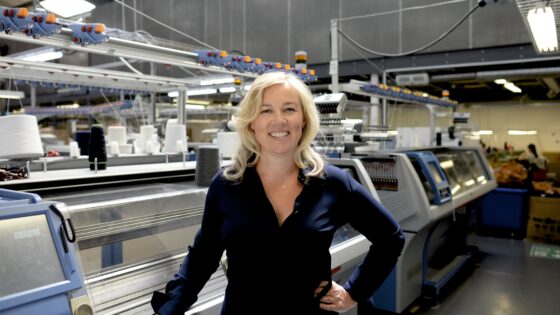
Kate Hills, the founder of Make it British and a prominent advocate for UK production, recently sat down with industry publication Drapers to discuss the compelling rationale behind the event’s return. According to Hills, the prevailing economic climate, characterized by fluctuating international trade costs, consumer demand for transparency, and persistent geopolitical instability, has created an optimal environment for brands to pivot toward local sourcing. As businesses search for agility and reduced carbon footprints, the revival of the trade show aims to bridge the gap between visionary designers and the skilled artisans, factories, and manufacturers who bring British-made goods to life.
The Evolution and Closure of Make it British
To understand the significance of the 2026 revival, it is necessary to examine the trajectory of the Make it British initiative since its inception. Founded by Kate Hills in 2011, the platform originally began as a digital campaign designed to highlight the high quality of products manufactured within the United Kingdom and to encourage consumers and retailers to buy British. Over the subsequent decade, the initiative expanded significantly, evolving from an online directory and advocacy blog into a physical trade show that served as the definitive meeting place for the UK manufacturing supply chain.
The trade show quickly established itself as a vital ecosystem for domestic brands, connecting clothing labels, textile mills, and independent designers with accredited UK-based factories. By facilitating these B2B connections, Make it British played a pivotal role in reversing decades of decline in the UK textile and manufacturing sectors, which had largely seen production outsourced to lower-cost nations in Asia and Eastern Europe during the late 20th century.
However, the unprecedented disruptions of 2020 dealt a severe blow to the events and trade exhibition sectors globally. The onset of the COVID-19 pandemic, coupled with strict lockdowns, social distancing mandates, and widespread economic uncertainty, forced the organizers of Make it British to make the difficult decision to close the physical trade show operations. For several years, the initiative maintained its digital presence, but the absence of the flagship physical exhibition left a notable void in the UK fashion and manufacturing networking calendar.
The Turning Point: Why 2026 is the Right Time for a Comeback
The decision to bring back the Make it British trade show in 2026 is far from coincidental; it is a calculated response to a series of compounding macro-economic and industry-specific pressures that have transformed the global retail landscape over the past six years.
In her discussions with industry analysts, Kate Hills emphasized that the vulnerabilities of long-haul supply chains have become too pronounced to ignore. The post-pandemic era has been marked by severe logistical bottlenecks, unpredictable maritime shipping costs, and rising labor expenses in traditional offshore manufacturing hubs. Furthermore, Brexit-related trade friction, customs complexities, and regulatory changes have added layers of bureaucracy and expense for UK brands attempting to import finished goods from mainland Europe and beyond.
Concurrently, consumer behavior has shifted dramatically. Modern shoppers, particularly within the millennial and Gen Z demographics, place a premium on sustainability, ethical labor practices, and supply chain traceability. Products manufactured locally inherently carry a significantly lower carbon footprint due to reduced transportation emissions. Additionally, UK manufacturing operates under stringent employment, environmental, and safety regulations, giving consumers confidence that the garments and goods they purchase are produced ethically.
By relaunching the trade show, Hills and her team are capitalizing on this renewed appetite for localism. The event is designed to serve as a timely catalyst, offering brands a practical pathway to nearshore or reshore their production lines before international supply chain volatility inflicts further operational damage.
Supporting Data and Economic Context for Domestic Manufacturing
The resurgence of interest in UK manufacturing is supported by shifting economic metrics within the textile and apparel sectors. Industry data indicates a growing recognition that domestic production offers unmatched speed-to-market advantages. While offshore manufacturing may offer lower per-unit production costs on paper, the total cost of ownership—factoring in long lead times, massive minimum order quantities (MOQs), high warehousing expenses, and the inability to quickly replenish fast-selling inventory—often undermines the initial savings.
According to preliminary insights from manufacturing trade bodies, local sourcing allows brands to operate on tighter inventory cycles, significantly reducing the risk of overproduction and unsold stock that ultimately ends up in landfills. In an era where sustainability regulations are tightening globally—particularly with the anticipated rollout of stricter Extended Producer Responsibility (EPR) schemes and ecodesign requirements—the ability to trace every step of the supply chain is no longer just a marketing advantage; it is a compliance necessity.
Furthermore, the UK manufacturing sector itself has undergone modernization. Many domestic factories have invested heavily in advanced manufacturing technologies, automated cutting machinery, and digital pattern-making software. This technological upgrade enables UK facilities to compete not only on craftsmanship and quality but also on efficiency and technological capability, making them increasingly attractive partners for contemporary fashion brands.
Industry Reactions and Stakeholder Perspectives
The announcement of the return of Make it British has elicited an overwhelmingly positive response from across the UK fashion and textile community. Independent designers, heritage brands, and large-scale retailers alike have expressed enthusiasm for an event dedicated exclusively to domestic supply chain solutions.
Designers who previously relied entirely on overseas manufacturing have increasingly voiced the operational challenges of maintaining oversight from afar. The return of the trade show provides these creative enterprises with a centralized venue to meet face-to-face with factory owners, inspect sample work firsthand, and build transparent, long-term partnerships. For emerging labels, the ability to work with lower minimum order quantities offered by domestic producers represents a crucial lowering of the barrier to entry, enabling sustainable business growth without the financial burden of massive overseas bulk orders.
Conversely, UK factory owners and textile mill operators have welcomed the initiative as an invaluable platform to showcase their capabilities to a broader commercial audience. For years, many exceptional British manufacturing facilities operated below the radar, lacking the dedicated marketing infrastructure required to reach national and international brands. The Make it British trade show acts as a vital commercial bridge, translating traditional craftsmanship into modern business opportunities.
Broader Implications for the Future of UK Retail
The re-establishment of the Make it British trade show carries significant implications for the future direction of the United Kingdom’s retail and manufacturing landscape. Beyond the immediate economic transactions facilitated on the exhibition floor, the event symbolizes a broader philosophical shift toward economic self-reliance and regional industrial revitalization.
If the momentum generated by the trade show translates into sustained reshoring commitments, the broader macroeconomic impacts could be substantial. A thriving domestic manufacturing sector stimulates regional economies, creates skilled employment opportunities, and helps preserve endangered heritage textile and tailoring skills that risk being lost to future generations. Furthermore, building a robust domestic supply chain enhances national security and economic resilience, insulating British businesses from future global shocks, whether caused by pandemics, geopolitical conflicts, or climate-related trade disruptions.
As Kate Hills and her team finalize preparations for the upcoming event, the overarching message to the industry is clear: the future of sustainable, agile, and resilient retail lies in looking closer to home. The return of Make it British is not merely the revival of a trade exhibition; it is the cornerstone of a new era for local manufacturing, offering a practical roadmap for brands ready to embrace the advantages of British production.