The Transformation of Fashion Retail Through Generative AI Integration


The integration of generative artificial intelligence into the global fashion industry has transitioned from experimental curiosity to a fundamental operational pillar in less than twenty-four months. This rapid evolution, detailed extensively in The Interline’s AI Report 2026, marks a seismic shift in how apparel brands manage photography, creative direction, and supply chain logistics. By analyzing the experiences of industry leaders and the shifting unit economics of e-commerce, it becomes clear that the fashion sector is undergoing a structural reconfiguration that prioritizes algorithmic efficiency alongside traditional brand storytelling.
A Chronology of Technological Adoption
The trajectory of generative AI in fashion followed a compressed timeline that began in earnest during 2024. In the early stages, the technology was characterized by significant visual artifacts—a phenomenon widely referred to as the "uncanny valley." Early AI-generated images often exhibited hyper-smooth skin textures, a complete absence of natural fabric tension, and a lack of depth in human subjects’ eyes, which frequently signaled synthetic origin to consumers.
By late 2024 and early 2025, the industry witnessed a pivot as latent diffusion models became more sophisticated. The transition from rudimentary text-to-image prompting to refined, context-aware generation allowed brands to maintain higher levels of fidelity. By 2026, the current landscape features bespoke AI platforms—often integrated with advanced models such as Google’s Gemini or specialized studio tools like ViZO Studio—that enable brands to generate high-quality campaign assets with minimal manual intervention.
Economic Realities: The Shift in Unit Costs
The primary driver for this adoption is the drastic reduction in operational expenditure. For a standard mid-sized fashion retailer, the traditional production of e-commerce imagery involves a significant investment in human capital and logistical infrastructure.
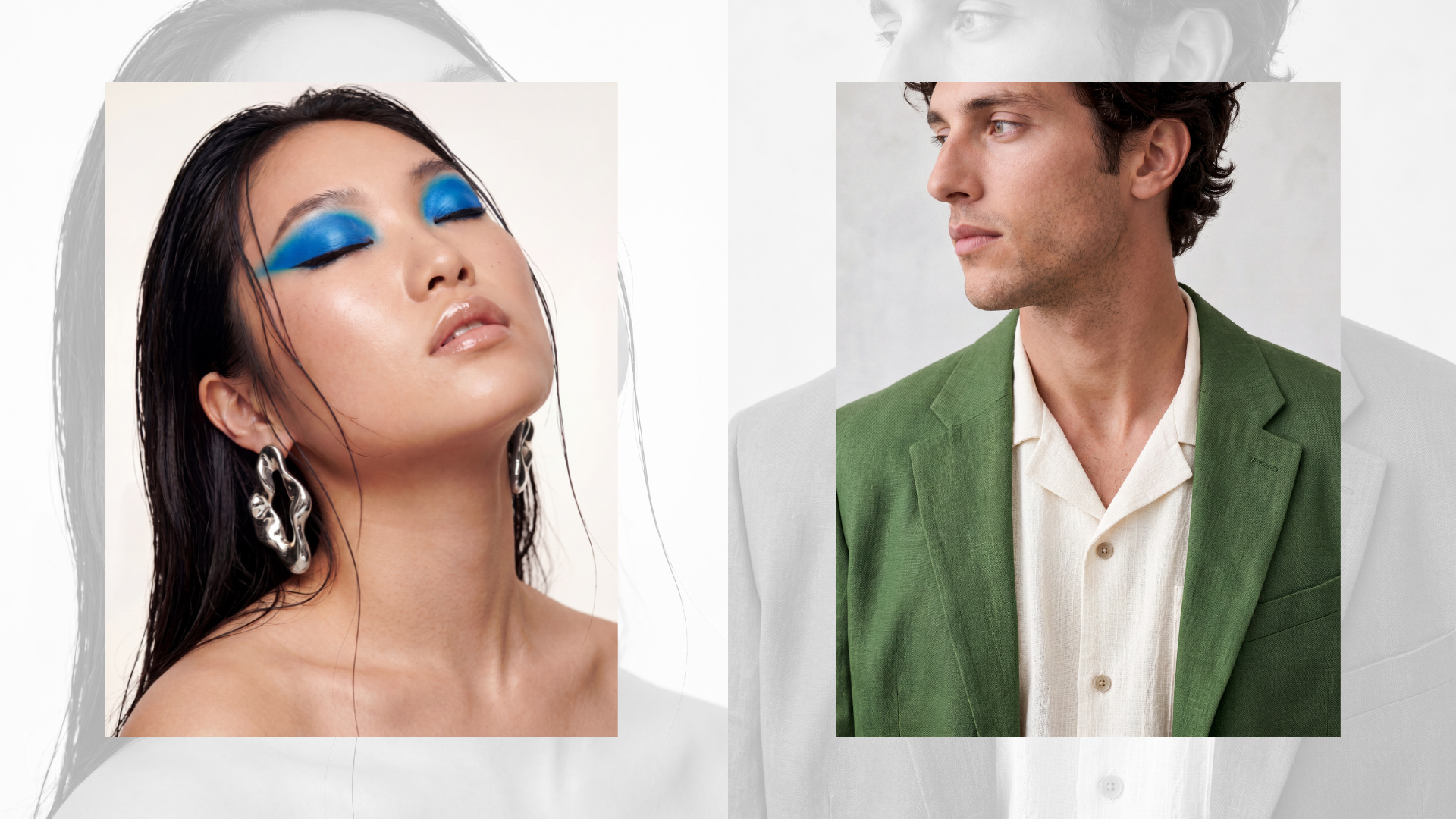
Data from the 2026 reporting period indicates a stark contrast in cost structures. A typical photoshoot involving a professional model, makeup artist, stylist, and studio rental can cost a brand between £2,500 and £3,000 for a 50-product batch, translating to approximately £50 per item. In contrast, leveraging generative AI models—where the workflow involves photographing items on a mannequin and using proprietary software to "dress" the digital model—reduces this cost to roughly £50 for the same 50-item batch, or £1 per product.
While these savings are substantial, the transition is not without hidden costs. Current generative workflows require manual oversight, as models are still prone to "hallucinations"—erroneous anatomical placements or inconsistent lighting across a single product set. Consequently, the labor force has shifted from traditional production roles toward digital art direction and prompt engineering, where professionals refine AI outputs to meet brand standards.
The Broader Impact on Retail Operations
Beyond imagery, the application of AI is penetrating the deepest levels of the fashion supply chain. Industry analysts have identified "Stage Two" of AI integration, which moves beyond front-end marketing into backend optimization.
Modern retail operations now utilize AI to analyze previous seasons’ best-sellers to generate new design iterations, which are then transmitted directly to manufacturing partners. Furthermore, integration with Large Language Models (LLMs) allows for dynamic, real-time adjustments to Recommended Retail Prices (RRPs) and automated budget allocation for digital advertising based on immediate conversion data. This creates a "closed-loop" ecosystem where design, production, and retail strategy are informed by a continuous stream of data-driven insights.
Ethical and Structural Risks
Despite the clear economic advantages, the rapid deployment of these technologies has prompted significant concern regarding institutional stability and ethics. The current affordability of these tools is, in part, attributed to the "arms race" between major technology providers who are subsidizing AI services to capture market share. Industry experts warn that this pricing model is unsustainable and that costs are likely to rise as market consolidation occurs.
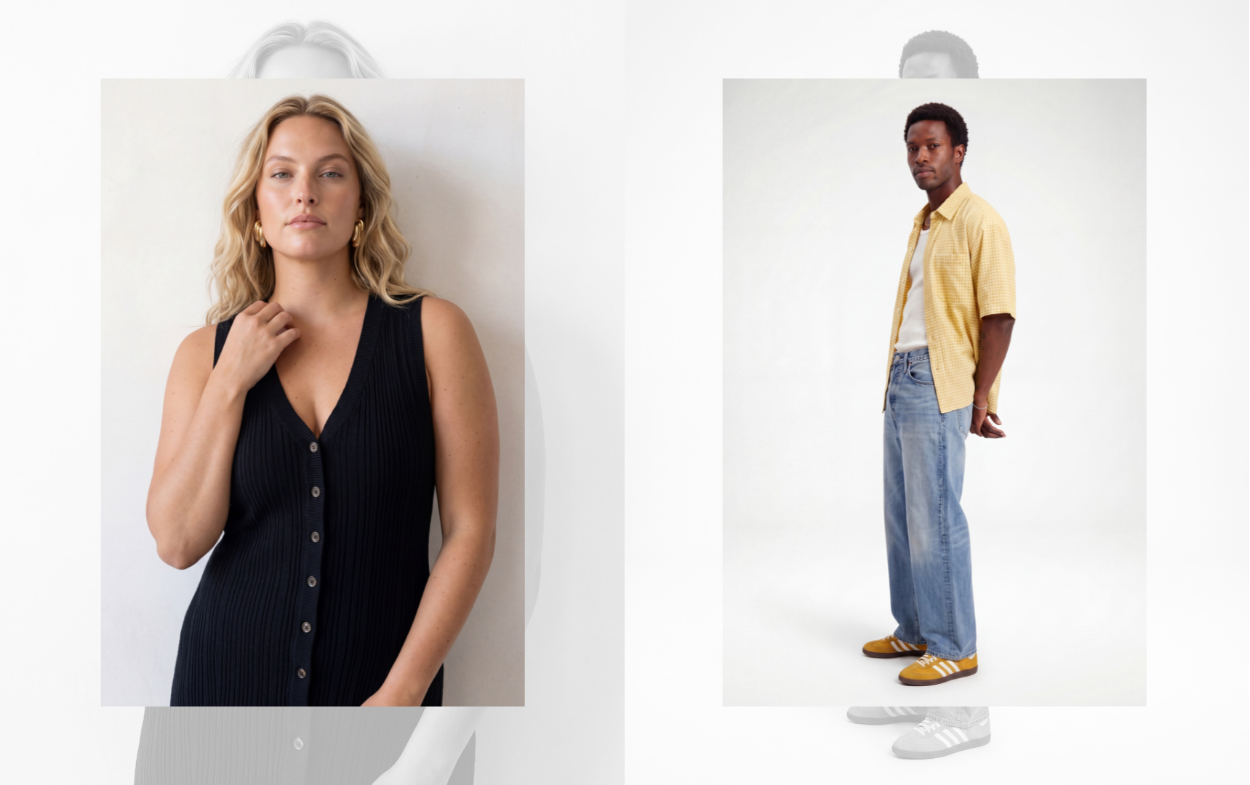
Furthermore, there is a mounting concern regarding over-dependency on external AI infrastructure. Recent precedents, such as the restriction of specific powerful AI models by major tech conglomerates, highlight the vulnerability of brands that build their entire operating model on third-party APIs. Should a critical service be rendered inaccessible or prohibitively expensive, companies lacking a diversified or internal "human-in-the-loop" strategy risk operational paralysis.
Workforce Evolution and Future-Proofing
The role of the human worker in fashion is undergoing a necessary evolution. Rather than viewing AI as a replacement for creative talent, the industry is seeing a shift toward a "hybrid" model. Professionals who once specialized in photography or styling are increasingly transitioning into roles as Digital Art Directors, responsible for overseeing the creative output of AI systems and ensuring that the final images resonate with the brand’s specific identity.
This shift necessitates a broader understanding of systems architecture. A "generalist" mindset is becoming highly valued, as the ability to connect disparate systems—such as supply chain data with customer-facing imagery—is becoming a competitive necessity.
Analysis of Future Projections
The consensus within the 2026 AI Report is that while AI provides a clear path to reducing overheads, it is not a "set-and-forget" solution. The most successful brands are those that maintain a rigorous, human-led quality control process. The potential for AI to automate demand planning and inventory management suggests that the future of fashion will be increasingly responsive to real-time market signals.
However, the industry faces an ongoing challenge in navigating the legal and intellectual property landscape. Questions regarding the ownership of AI-generated faces and the protection of proprietary models against competitive "scraping" remain at the forefront of legal discourse. As regulation catches up with technological capacity, brands must prepare for a landscape where intellectual property rights are just as important as the speed of production.

For fashion entities currently navigating this transition, the imperative is clear: the risk of inaction outweighs the risk of early adoption. By balancing the pursuit of cost-efficiency with a commitment to maintaining brand integrity, companies can leverage these tools to secure a durable competitive edge. The shift is not merely about using AI to make photos; it is about re-engineering the fashion value chain to be as nimble, efficient, and technologically integrated as the modern consumer expects.
Ultimately, the fashion industry of the late 2020s is defined by its ability to integrate the precision of silicon with the nuance of human aesthetic judgment. As AI models continue to mature, the distinction between human-created and machine-assisted content will likely fade, leaving behind a streamlined industry that operates with a degree of speed and accuracy that was unimaginable only a few years prior. The firms that prioritize the upskilling of their workforce and the diversification of their technological dependencies will be the ones that define the next era of global fashion retail.