The Evolution of Predictive AI in Fashion Retail: Bridging the Trust Gap and Transforming Profitability

The global fashion industry is currently navigating a period of profound structural transformation, driven by the integration of predictive artificial intelligence into core business operations. As outlined in The Interline’s AI Report 2026, the retail landscape is shifting from traditional, intuition-based decision-making to data-driven, automated strategies. This shift is particularly evident in how brands approach inventory management, pricing architecture, and the perennial challenge of seasonality. As companies integrate these technologies, they face a dual challenge: overcoming the internal "trust gap" regarding AI-generated outputs and synchronizing disparate departments to maximize profitability per style.
The Trust Gap: Challenges in Adoption
The primary hurdle for many retailers is not the lack of technological capability, but a fundamental disconnect between the sophisticated outputs of AI models and the willingness of human decision-makers to rely on them. While AI can process complex datasets—analyzing tens of thousands of stock-keeping units (SKUs) across multiple digital and physical marketplaces simultaneously—industry professionals remain wary of "black box" algorithms.
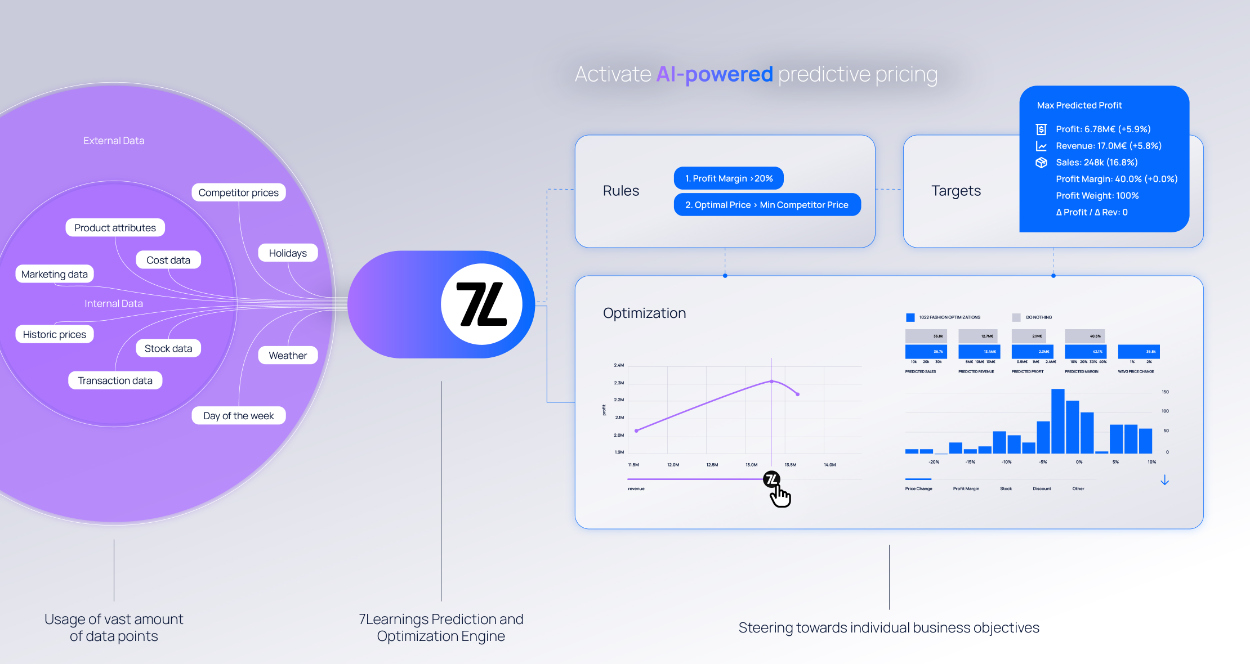
To bridge this gap, technology providers such as 7Learnings have prioritized transparency in their AI implementation. By moving away from opaque models, these platforms are now focusing on providing actionable, explainable insights. The objective is to allow merchandisers and pricing analysts to understand the rationale behind every algorithmic recommendation. When a system suggests a price adjustment for a specific garment, the software must clarify the underlying data points—such as competitor pricing, inventory levels, and historical elasticity—that led to that conclusion. This shift toward "explainable AI" is critical for user adoption, as it transforms the software from a mysterious tool into a collaborative partner.
Chronology of the Shift: From Seasonal Models to Dynamic Cycles
For over a decade, the fashion industry has wrestled with the rigid constraints of seasonal calendars. Historically, the cycle involved designing, manufacturing, and marketing products in fixed, six-month windows. This model often led to significant inefficiencies, particularly in late-season markdowns where entire product categories were discounted simultaneously, regardless of individual SKU performance.

The timeline of this transition began in the early 2020s, characterized by the rise of "fast fashion" and, subsequently, the "seasonless" model popularized by brands like Zara. Inditex, the parent company of Zara, demonstrated the power of a high-velocity supply chain, turning over inventory approximately 12 times per year, compared to the industry average of three. Predictive AI has accelerated this evolution, enabling companies to move beyond simple "constant drops" toward a more nuanced, demand-responsive lifecycle.
In 2026, the trend has solidified into a move toward shorter, more flexible ordering cycles. Instead of committing to large orders nine months in advance, retailers are increasingly utilizing AI to test small batches of products for two-month periods. By analyzing performance in real-time, firms can replenish stock based on actual consumer demand rather than speculative projections. This data-backed approach not only improves sell-through rates but also significantly reduces dead stock and waste—a key priority for an industry under increasing environmental and financial pressure.
Supporting Data and Performance Metrics
The financial imperative for this shift is clear. Data from the current market indicates that profitability per style is the top priority for fashion brands, driven by rising customer acquisition costs and heightened price sensitivity. According to industry benchmarks, the manual management of thousands of SKUs is increasingly prone to human error and suboptimal pricing.
AI-driven pricing strategies have shown a marked impact on margins. Unlike traditional broad-brush markdowns, predictive AI identifies specific products that have high velocity—requiring no price reduction—and flags lagging items for early, incremental adjustments weeks before the traditional end-of-season sales begin. This precision ensures that retailers maximize revenue on high-demand items while clearing underperforming inventory before it becomes a liability.
Furthermore, the integration of LLM-based customer feedback analysis is enabling brands to identify niche demand in real-time. By monitoring how customers interact with digital interfaces, AI can detect emerging trends—such as a specific interest in a particular cut or fabric—long before they reach mass-market popularity. This allows for a more surgical approach to product development, ensuring that inventory aligns closely with actual consumer intent.
Synchronizing Marketing and Pricing
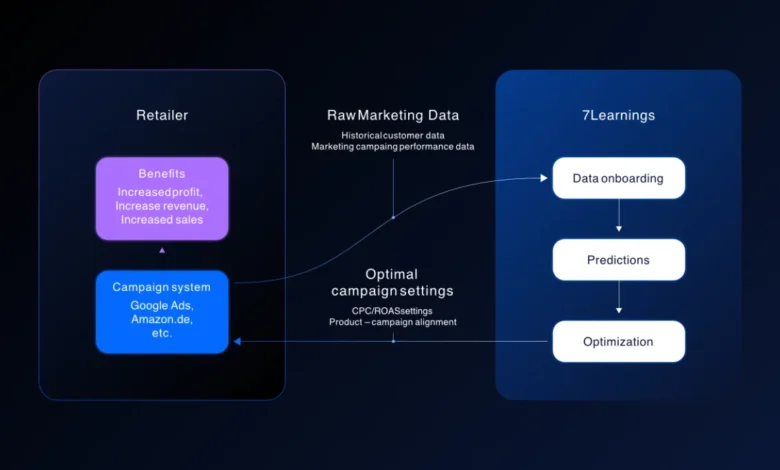
A significant finding in the recent industry report is the persistent siloed operation of marketing and pricing departments. At many firms, these teams work at cross-purposes: pricing analysts may attempt to boost margins by raising prices, while marketing teams simultaneously pour budgets into performance advertising for those same products, unaware of the pricing changes.
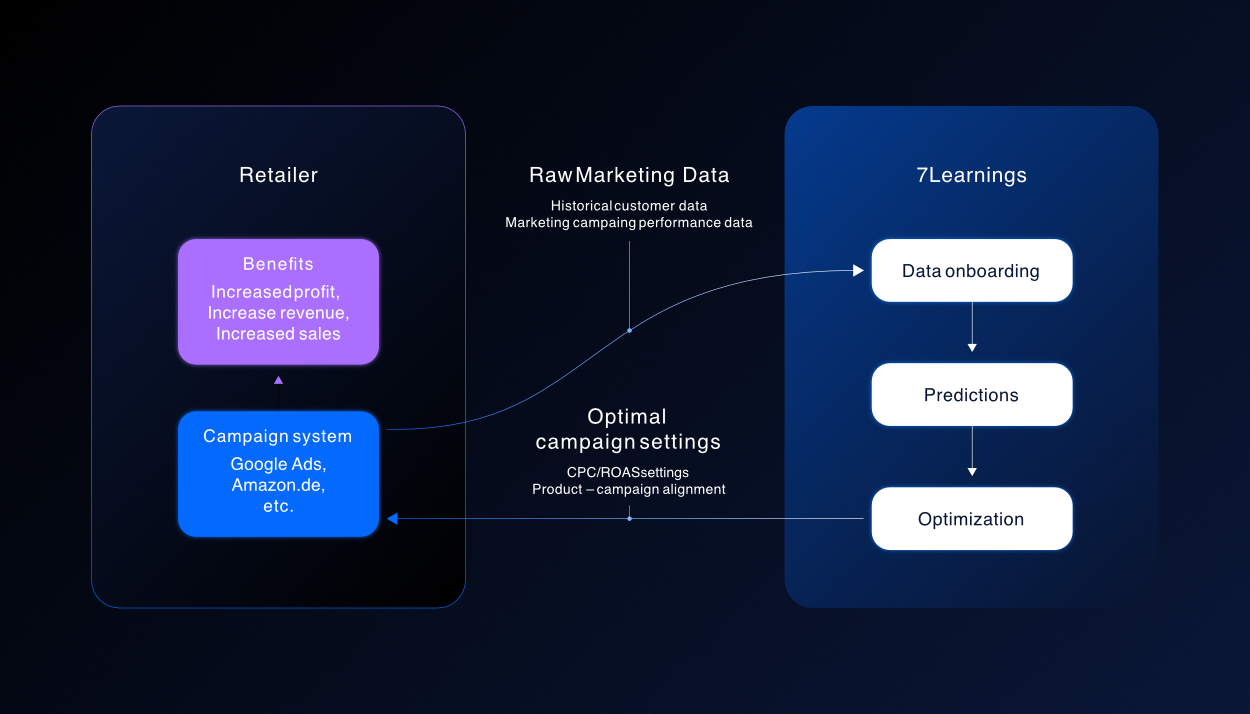
The solution, as explored by experts like Felix of 7Learnings, lies in the unification of these levers at the product level. By synchronizing pricing and marketing data, AI ensures that performance-based ad spend is automatically throttled or boosted based on the current margin and inventory status of the product. If a product is selling well at full price, the system can reduce ad spend to protect margins; conversely, if a product is lagging, the system can coordinate a tactical price reduction alongside targeted marketing campaigns to stimulate demand. This unified process represents a departure from traditional corporate structures, necessitating a more integrated, cross-functional approach to retail management.
The Future of the Merchandiser and Pricing Analyst
A common fear among retail professionals is that AI will render their roles obsolete. However, evidence suggests that the technology is acting as a force multiplier rather than a replacement. By automating the repetitive, high-volume tasks—such as updating thousands of prices across multiple platforms—AI frees human professionals to focus on high-level strategy.
The future role of the merchandiser will involve defining the "commercial guardrails" within which the AI operates. Instead of spending their day in spreadsheets, these professionals will run scenario simulations, asking strategic questions such as: "What is the impact on our total market share if we prioritize volume over margin for this product line over the next quarter?" This transition toward a more analytical and strategic function requires new skill sets, emphasizing data literacy and the ability to interpret algorithmic outputs rather than performing manual calculations.
Broader Implications and Industry Outlook
As the adoption of AI matures, the industry is entering a phase of "survival of the fittest." The competitive advantage is increasingly being defined by the speed and accuracy of decision-making. Companies that continue to rely on legacy systems and manual processes are finding it difficult to compete with firms that can adjust their entire catalog in seconds based on live market signals.
The trigger for widespread, deep-rooted adoption will likely be the necessity to navigate volatile economic conditions. With supply chain disruptions and shifting consumer purchasing power becoming the new normal, AI provides a vital, evidence-based framework for resilience. The ease of implementation—with some solutions capable of going live within weeks, provided data quality is high—makes it a low-barrier, high-impact investment for companies of all sizes.
Ultimately, the integration of AI is not merely a technological upgrade but a fundamental shift in the business model of fashion. By transitioning from the static, seasonal, and siloed methods of the past to a dynamic, predictive, and integrated approach, the industry is laying the groundwork for a more efficient and profitable future. As the technology continues to evolve, the distinction between "engine" and "steering wheel" will blur, with AI becoming an invisible yet essential component of the retail fabric, ensuring that the right product reaches the right consumer at the right price, at the right time.