Meet Jolly: How Meta’s New AI Agent Mascot Signals a Shift Toward Agentic Commerce

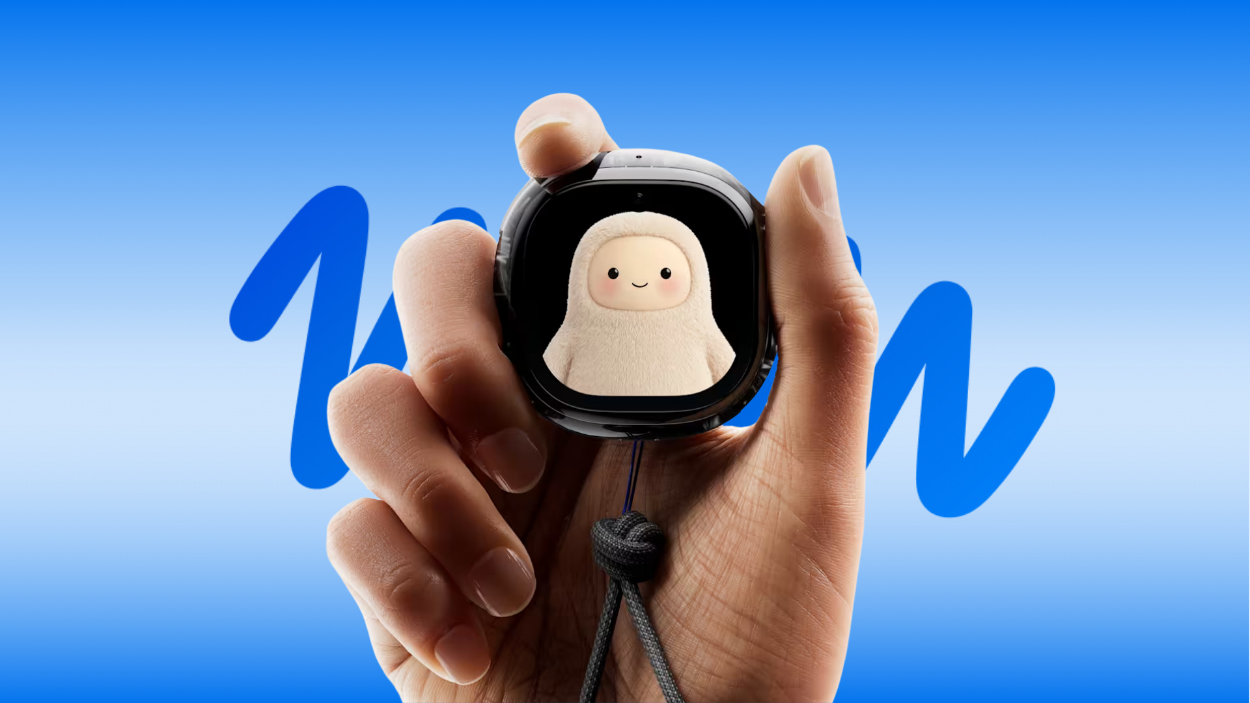
The landscape of consumer technology underwent a significant evolution this week as Meta unveiled "Jolly," the official mascot for its burgeoning AI agent platform, Muse. While the character—a friendly, fireman-outfitted digital companion—initially drew attention for its aesthetic appeal, the underlying technology marks a strategic pivot in how corporations intend to integrate artificial intelligence into the fabric of daily retail and personal commerce. Meta’s announcement, timed with its annual Connect event, underscores an aggressive move toward "agentic" software, capable of executing complex, multi-step tasks such as price comparison, inventory hunting, and autonomous purchasing on behalf of the user.
The Rise of Muse and the Meta Connect Context
Meta’s Muse agent, which launched in the United States just weeks ago, has already demonstrated rapid adoption, outpacing the initial growth trajectory of ChatGPT’s record-breaking debut. The platform positions itself as an accessible, "consumer-grade" entry point into the world of large language models (LLMs) that can manipulate browser environments to achieve real-world results.

During the Connect event, Meta showcased Muse’s ability to interface with popular digital services, including Gmail and various retail platforms. This capability is facilitated by a secure Linux-based virtual machine environment that allows the agent to navigate the web, manage authentication, and handle transactional flows. The strategy appears to be a direct response to the growing demand for "computer use" capabilities, where AI does not merely generate text or images but actively performs work within a digital workspace.
The Hardware-Agent Symbiosis
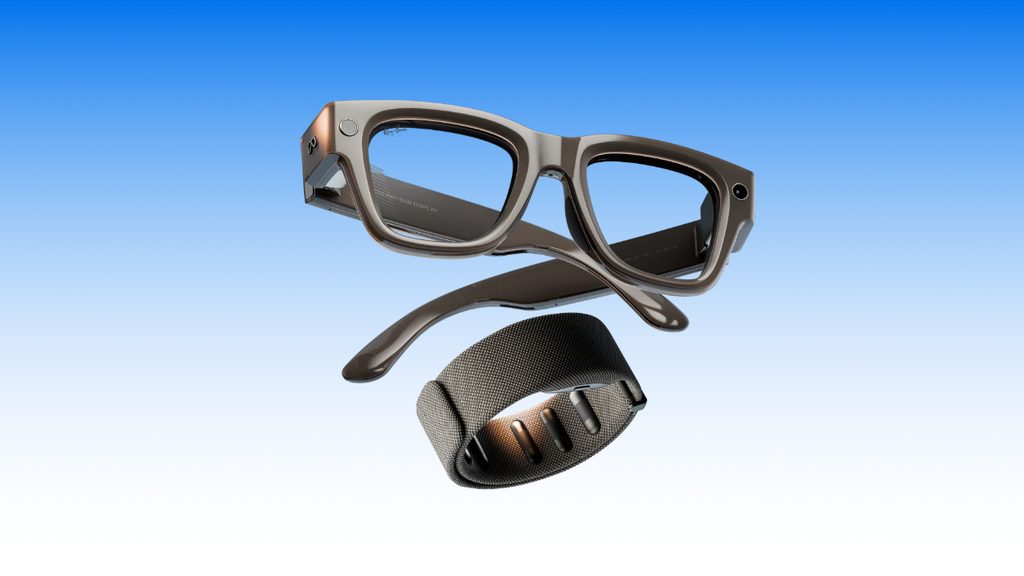
A critical component of this rollout is the integration of Muse with Meta’s hardware ecosystem. With global shipments of "AI glasses" surging by 125% year-over-year in the first half of 2026—reaching approximately 4.2 million units—Meta is well-positioned to bring AI agents out of the screen and into the physical environment.
The company is reportedly testing a 5G-enabled bag charm device, which would allow users to interact with Muse via voice commands without the need for a smartphone. This represents a significant expansion of the "wearable AI" market, suggesting a future where fashion accessories function as conduits for personal superintelligence. By embedding these agents into everyday items, Meta is effectively lowering the barrier to entry for ambient computing, creating a seamless loop between consumer desire, in-store interaction, and digital procurement.
Agentic Shopping: The New Frontier of Retail
The core value proposition for Muse lies in its capacity for "agentic shopping." Unlike previous iterations of e-commerce, which relied on user-driven search and manual checkout, Muse is designed to act as a proactive procurement agent. A user can set a specific goal—such as purchasing a pair of running shoes when they hit a $90 price threshold—and the agent will monitor the market and execute the transaction when the conditions are met.
To support this, Meta has established strategic partnerships with major payment infrastructure providers like Stripe and Shopify, as well as direct retail agreements with national brands including Walmart, Sephora, GAP, and Dick’s Sporting Goods. These partnerships are designed to bypass the friction of standard web interfaces, allowing Muse to complete secure transactions directly.
However, the technology remains in its infancy, characterized by what industry experts call the "jagged edge" of AI performance. Recent tests of similar agents have revealed significant limitations, such as an inability to navigate complex checkout pop-ups, authentication hurdles in multi-factor login scenarios, and the failure of cloud-based agents to interact with local browser environments. While Meta’s partnerships aim to mitigate these issues, the current state of the technology remains uneven, often requiring manual intervention to complete the final steps of a purchase.

Showrooming and the In-Store Experience
The emergence of agentic shopping is fundamentally reshaping the practice of "showrooming"—the habit of examining products in physical stores before purchasing them online for a lower price. Research conducted by the MACH Alliance indicates that AI already influences over 40% of in-store spending, a figure that climbs to over 60% within the Generation Z demographic.
This shift forces retailers to contend with a new reality: shoppers may be browsing their shelves while simultaneously debating product quality and pricing with an AI assistant. As these agents become more sophisticated, the battle for digital search relevance will transition from traditional Search Engine Optimization (SEO) to Generative Engine Optimization (GEO). Brands that fail to provide clear, actionable data to these AI agents risk being ignored at the very moment a customer is ready to buy.
Institutional Risks and Regulatory Pushback
The rapid deployment of these agents has not been without criticism. A coalition of banking institutions recently issued a formal warning regarding the security and privacy implications of agentic commerce. The primary concerns cited include the risk of AI agents handling sensitive payment information, the potential for steering users toward payment methods with weaker consumer protections, and the increased vulnerability to sophisticated fraud schemes.
Furthermore, major digital marketplaces are beginning to push back. Amazon recently blocked Muse from accessing its platform, citing security and terms-of-service violations. This follows a broader trend of large-scale retailers attempting to restrict the autonomy of third-party AI agents, signaling an impending conflict between the desire for open-access AI and the need for platform control.
The Advertising Dilemma
The most significant skepticism regarding Meta’s entry into this space stems from its existing business model. As the world’s largest digital advertising platform, Meta’s move into agentic shopping raises fundamental questions about bias. Critics worry that Muse, while ostensibly acting as a personal assistant, may be programmed to prioritize brands that advertise through Meta’s programmatic stack.
Unlike OpenAI, which has faced its own scrutiny for integrating "advertiser-sponsored agents" into ChatGPT, Meta possesses the entire vertical stack of the advertising ecosystem. This creates a potential conflict of interest where the agent’s recommendations may not be based on the best interest of the user, but rather on the highest bidder within the Meta ecosystem.
Future Implications for the Fashion Industry
As the holiday shopping season approaches, the fashion industry will be the primary testing ground for these agents. The ability to integrate AI into garments and accessories, coupled with the potential for direct-to-consumer automated purchasing, could redefine brand loyalty.
Fashion brands must now determine how to maintain their identity in an environment where an AI mascot might be the primary interface between the label and the consumer. The challenge will be to ensure that the "cozy" and "cute" branding of agents like Jolly does not mask the complex, profit-driven algorithms operating beneath the surface.
While the technology is currently being promoted through the lens of convenience and accessibility, its long-term impact on consumer autonomy, retail competition, and data privacy remains to be seen. Whether Jolly becomes a trusted companion or an agent of commercial surveillance will depend largely on how regulators, developers, and consumers navigate the next phase of the AI transition. As it stands, the industry is entering an era where the shopping cart is no longer a destination, but a decision made by an algorithm, and the stakes for both brands and users have never been higher.
Related posts: