Gem Gossip Summer 2026 Recap: A Seasonal Review of Design Trends and Retail Shifts

As the Nashville school district marks the completion of its first week of the 2026 academic term, the transition from summer to fall provides a definitive window for assessing the retail and design trends that defined the season. For many parents, the conclusion of the summer break serves as a period of reflection on family dynamics and logistical challenges, but for the luxury jewelry and artisanal goods sector, the season represents a significant pivot toward color-centric design and the expansion of accessible, high-quality accessories.
The Influence of Color Theory on Seasonal Design
One of the most notable developments in jewelry design throughout the summer of 2026 has been the widespread adoption of professional color analysis to inform product development. The "Bright Spring" palette, characterized by high-saturation hues and vibrant, clear tones, has emerged as a dominant influence in the luxury market. Industry data suggests that consumers are increasingly moving away from muted, grey-toned pastels in favor of "crayon-box" saturations—bright turquoise, vivid red coral, and high-intensity gemstones.
This shift in consumer preference has forced a departure from traditional, neutral-heavy inventories. Retailers who previously relied on black or desaturated precious metals and stones have reported a pivot toward palettes that prioritize luminosity. The implications for the industry are clear: color analysis is no longer an individual styling tool but a data-driven framework for retail procurement. When consumers understand their specific color seasonal requirements, they seek products that enhance their personal features, leading to higher engagement with bold, primary-colored gemstones and enamel work.

Diversification of Retail Price Points
The 2026 summer market also saw a strategic effort by independent jewelers to bridge the gap between high-end custom pieces and entry-level luxury accessories. A key example of this trend is the increased availability of artisanal glass beads. Historically, finding high-quality glass components with apertures large enough to accommodate standard gold chains has been a logistical barrier for collectors.
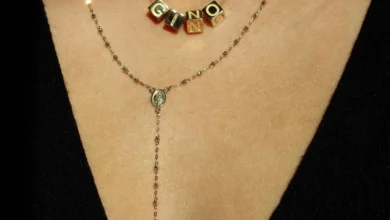
By collaborating directly with glass artisans to produce beads that fit existing gold-chain hardware, boutique jewelers have successfully lowered the barrier to entry for their clientele. The introduction of these components at a $25 price point represents a significant strategic shift. By offering a lower-cost entry, businesses are effectively increasing their customer lifetime value (CLV). Data from recent quarters indicates that when customers purchase entry-level accessories, they are statistically more likely to participate in larger, high-value transactions later in the season. The democratization of the "necklace stack"—where one affordable, colorful bead can elevate a multi-thousand-dollar piece—has become a cornerstone of the summer 2026 marketing strategy.

Chronology of Product Launches and Collaborations
The summer of 2026 was marked by a series of planned releases designed to maintain consumer engagement during the traditionally slower mid-summer months. The following timeline outlines the key product introductions that shaped the market:
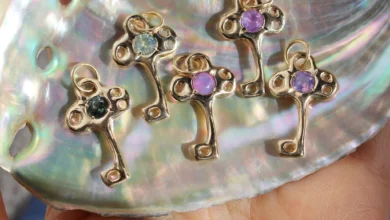
- May 2026: Re-launch of the "Danielle Seashell Key" charm, a collaboration with Sister Sister Jewelry. The re-introduction featured both all-gold iterations and a new gemstone-encrusted variant.
- June 2026: Introduction of custom-sized glass beads, designed to fit standard gold chain links, signaling a shift toward functional, modular jewelry components.
- July 2026: Expansion of the "In the Light of Day Jewelry" line, focusing on keys featuring gemstones of the same species but varying saturation levels.
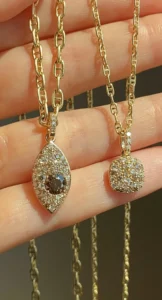
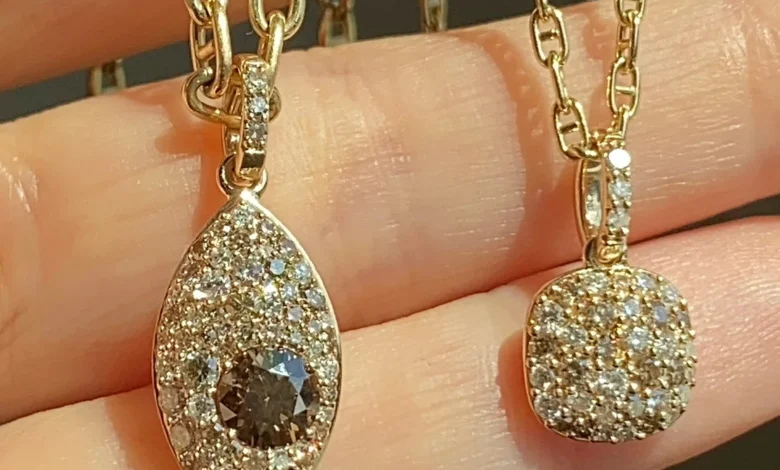
- August 2026: Launch of ombre-colored brown diamond pendants, reflecting a late-summer trend toward earth-toned, sophisticated diamond settings.
The persistence of the "key" motif in jewelry design is worth noting. Symbolic of access and narrative-building, the key has remained a staple in charm collecting. By releasing these in limited runs with varying gemstone configurations, designers are leveraging the scarcity model to maintain interest among long-term collectors.

The Role of Artisanal Partnerships
The supply chain for these goods has become increasingly decentralized. By sourcing small-scale glass animal trinkets from specialized workshops in Pennsylvania and the Ukraine, designers are adding a layer of global provenance to their collections. This reliance on small-batch production serves two purposes: it creates a unique, non-mass-produced aesthetic, and it provides a marketing narrative based on the support of independent global artisans.
The positive consumer response to these smaller items—often displayed as personal collections—suggests that buyers are increasingly interested in the "story" behind the object. In the context of 2026 retail, the object itself is only half the transaction; the other half is the history of its creation and the identity of the artisan behind the glass.

Organizational Efficiency and Domestic Management
Beyond the retail front, the summer of 2026 saw a renewed focus on domestic organization as a reflection of changing lifestyle habits. For many, the record-breaking temperatures in the Southern United States during the summer months served as an unexpected catalyst for interior reorganization. The process of auditing household storage—specifically the movement of childhood keepsakes from climate-vulnerable attics into permanent, built-in cabinetry—became a recurring theme in the broader social media discourse.
This trend toward "archiving" personal history in residential spaces mirrors the professional interest in archival jewelry and vintage preservation. The aesthetic of these domestic spaces, which often mirrors the same color palettes prioritized in personal fashion, underscores a holistic approach to lifestyle branding.

Market Outlook and Implications for Fall 2026
As the market transitions into the fall, several trends are poised to continue. The demand for "perfectly imperfect" organic gold components, such as hand-hammered gold wafers, suggests that consumers are moving away from the rigid, machine-perfect finish of mass-produced jewelry. This desire for the tactile and the unique is expected to drive sales through the end of the year.
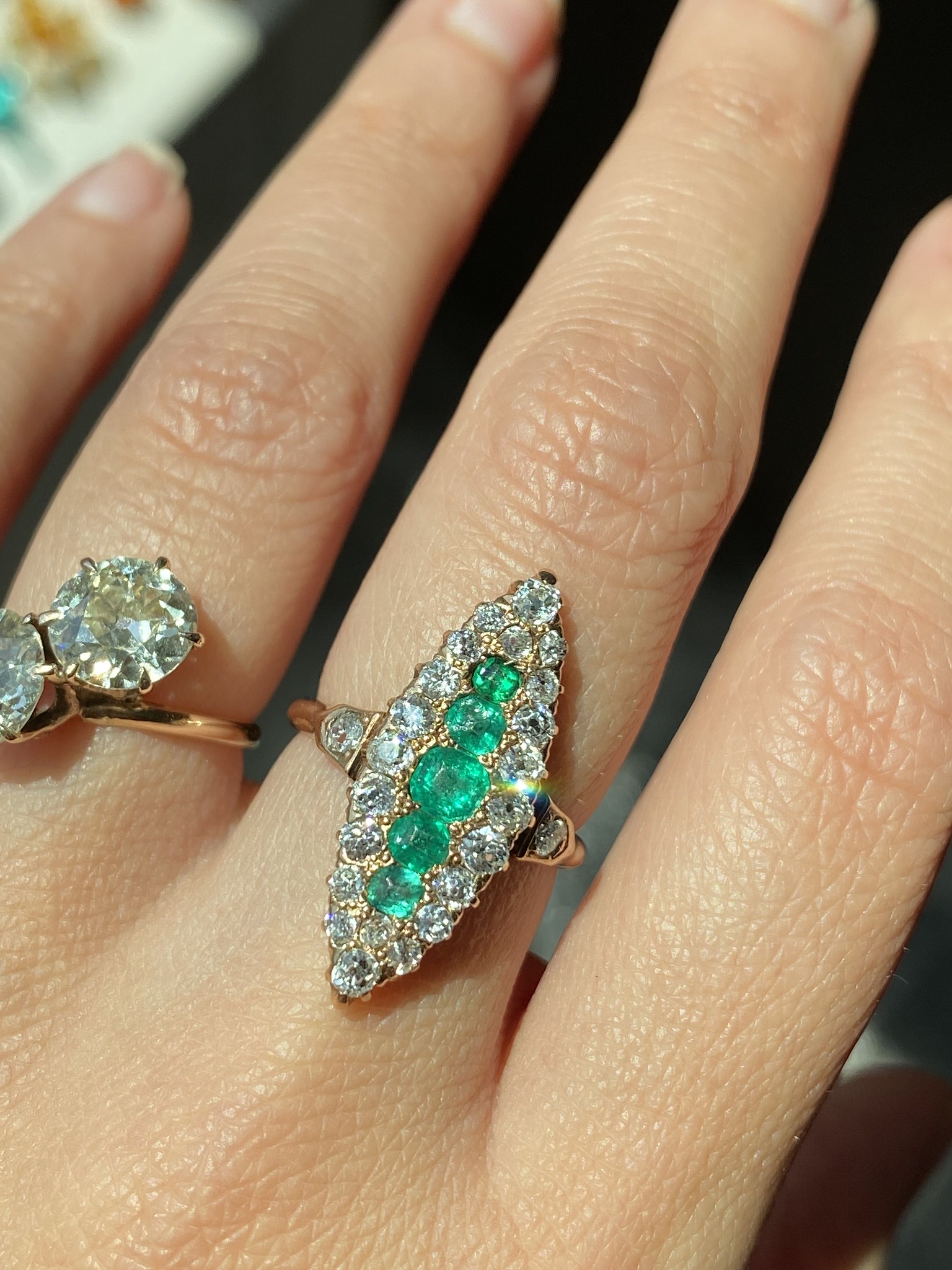
Furthermore, the rise of the brown diamond—specifically in ombre settings—indicates a move toward more nuanced, sophisticated stone choices. Brown diamonds, once relegated to the lower tiers of the market, have been rebranded through clever, off-center marquise settings and creative color gradients, effectively shifting them into the realm of luxury, high-fashion accessories.

In summary, the summer of 2026 provided a roadmap for how the jewelry industry can remain resilient in a challenging economic climate. By focusing on color theory, fostering direct relationships with global artisans, and balancing high-value investment pieces with accessible, modular accessories, retailers have managed to keep consumer engagement high. As families return to the routines of school and work, the focus shifts to how these colorful, experimental trends will hold up against the traditional, darker aesthetics usually associated with the autumn and winter months. The industry consensus, however, remains bullish: the demand for personalized, meaningful, and color-specific jewelry shows no signs of waning.