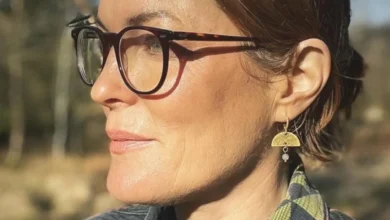
Kelli Donovan: Redefining Sustainable Fashion Through Heritage and Environmental Stewardship

The global fashion industry is currently responsible for approximately 8% to 10% of total global carbon emissions, a staggering figure that has prompted a new wave of designers to re-examine the lifecycle of a garment. Among these pioneers is Australian designer Kelli Donovan, whose three-decade career serves as a case study in transitioning from conventional fashion production to a circular, ethical model. Growing up amidst the rugged, pristine landscapes of Canberra, Australia, Donovan’s design philosophy was forged in the bushland, far removed from the hyper-consumerist cycles of modern retail. Today, her work stands as a direct rebuttal to the rise of ultra-fast fashion, emphasizing timeless silhouettes, high-quality textiles, and a zero-waste ethos.
The Foundation of an Ethical Aesthetic
Donovan’s journey began in the Australian capital, a city defined by its proximity to nature. Her childhood was characterized by frequent bushwalking and an immersion in the natural world, which fostered an early appreciation for the intrinsic value of the environment. This perspective was reinforced by her family, particularly her grandmother, Annie Muir. A skilled tailor from Glasgow, Scotland, Muir provided the foundational technical education that would later define Donovan’s business model.
Muir’s mantra—that time and skill should never be squandered on inferior textiles—serves as the cornerstone of Donovan’s label. In an era where consumers are conditioned to view clothing as disposable, Donovan insists on a return to "meaningful stitching." Her practice involves sourcing high-quality, sustainable materials that ensure longevity, a stark contrast to the synthetic, short-lived fabrics that dominate the current market. This approach is not merely aesthetic; it is an economic and environmental commitment to reducing the volume of waste sent to landfills.
Chronology of a Sustainable Vision
The trajectory of Kelli Donovan’s career reflects the broader evolution of the sustainability movement in fashion:
- Early 1990s: Donovan begins her formal training, observing the onset of the fast-fashion transition. She identifies a disconnect between design and environmental responsibility.
- Mid-2000s: As the environmental impact of textile waste becomes more visible, Donovan pivots her focus toward circular design practices.
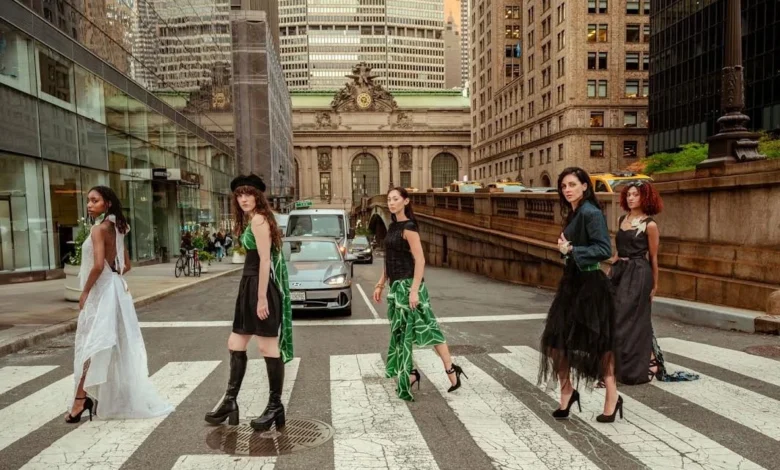
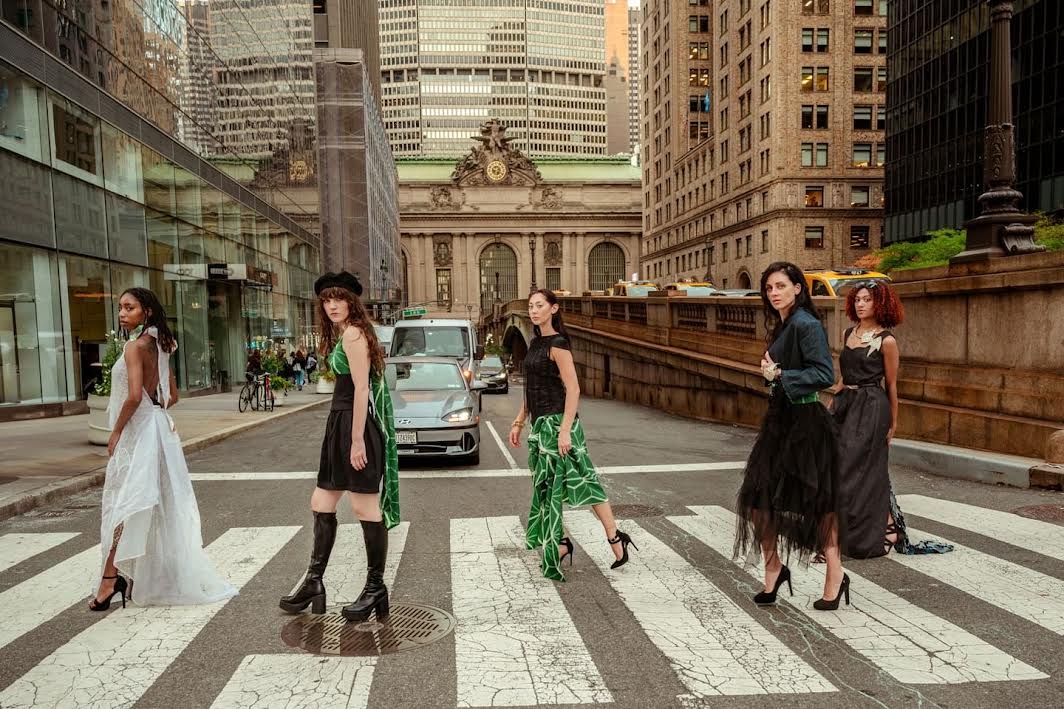
- 2020–2023: Launch of the "Manta Ray" collection, a project designed to highlight ocean conservation and the detrimental effects of microplastic shedding from synthetic garments.
- 2024: Introduction of the "Sleeping Beauties" collection. While sharing a name with the Met Museum’s 2024 costume exhibition, the collection serves as a distinct commentary on the problem of oversupply and deadstock fabric in the global fashion pipeline.
Data and Environmental Implications
The urgency of Donovan’s mission is supported by significant environmental data. According to reports from the United Nations Environment Programme (UNEP), the fashion industry is the second-largest consumer of water worldwide and is responsible for significant plastic pollution in oceans. Synthetic fibers, such as polyester, nylon, and acrylic, release approximately 500,000 tonnes of microplastics into the ocean annually—the equivalent of 50 billion plastic bottles.
Donovan’s "Manta Ray" collection was explicitly conceived to address these findings. By utilizing natural, biodegradable fibers and championing designs that require less water and energy to produce, her work provides a tangible alternative to the industrial status quo. The collection serves as an educational tool, designed to shift consumer perception from viewing clothing as a fleeting trend to viewing it as a long-term investment.
The "Sleeping Beauties" Project and Overproduction
The "Sleeping Beauties" collection represents a critical intervention in the conversation regarding oversupply. In the current fashion cycle, brands often produce collections that exceed demand, leading to massive quantities of "deadstock"—clothing that never reaches a customer and is subsequently destroyed or discarded.
Donovan’s project highlights the paradox of modern luxury: the creation of beauty through methods that simultaneously deplete natural resources. By calling her collection "Sleeping Beauties," she draws attention to the vast amounts of fabric sitting in warehouses, unused and forgotten. Her work advocates for a model of "slow fashion," where production is curtailed to match genuine demand, thereby minimizing the carbon footprint of each garment.
Analysis: The Shift Toward Circularity
The fashion industry is currently at a crossroads. Industry analysts suggest that legislative pressure, particularly in the European Union and parts of North America, will soon mandate higher standards for garment durability and supply chain transparency. Designers like Kelli Donovan are ahead of this curve. By integrating zero-waste cutting techniques—a method that utilizes the entirety of a fabric bolt to prevent off-cut waste—Donovan is demonstrating that profitability does not have to come at the expense of the planet.
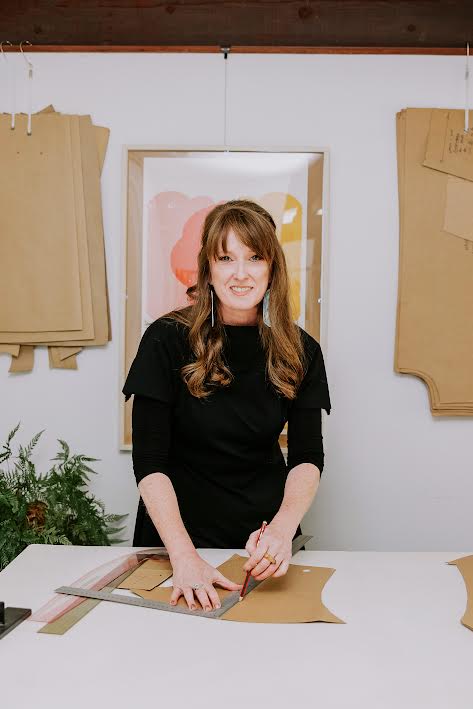
Furthermore, her focus on the "superpower" of a designer—finding a unique voice rather than chasing seasonal trends—encourages a shift in consumer behavior. When designers create pieces with high longevity and classic appeal, the consumer is less likely to discard the garment after a few wears. This reduces the overall velocity of the fashion cycle, a necessary step toward reaching global climate goals.
Expert Perspectives and Industry Response
While major multinational retailers continue to struggle with the complexities of supply chain decarbonization, independent designers are increasingly acting as the R&D wing of the industry. Industry observers note that the success of smaller, ethics-driven brands provides a blueprint for larger entities.
"The transition to a sustainable fashion industry is not just about changing materials; it is about changing the relationship between the creator and the garment," notes one analyst in the sustainable fashion sector. "Designers who emphasize the lifecycle of the product, much like Donovan, are providing the necessary proof-of-concept that high-fashion aesthetics and environmental responsibility are not mutually exclusive."
Conclusion: A Blueprint for the Future
Kelli Donovan’s work serves as a testament to the power of intentional design. By synthesizing the technical mastery inherited from her grandmother with a modern, scientifically informed approach to ecology, she has carved out a space that challenges the industry to do better.
For aspiring designers, her advice is clear: prioritize innovation and experimentation in the early stages of a career. By focusing on the material science of textiles and the ethics of production, young designers can move beyond the constraints of fast-fashion cycles. As the industry faces increased scrutiny regarding its environmental footprint, the pioneers who prioritize longevity, waste reduction, and ethical labor will inevitably define the future of the market. Kelli Donovan’s career is not merely a collection of garments; it is a call to action for a more conscious, sustainable, and responsible future in fashion. Whether through the lens of ocean conservation or the reduction of landfill waste, her contribution remains a vital narrative in the ongoing effort to align human creativity with the preservation of our natural world.
Related posts: