Daily Fashion Retail News: Government High Street Fund, Armani Investment Strategy, and Uniqlo Expansion

The global and domestic fashion retail landscape is undergoing a period of profound structural transformation, marked by significant capital injections, strategic corporate restructurings, localized expansions, and evolving consumer behaviors. Recent developments underscore a dual trajectory within the industry: while major international players and high-street coalitions are securing substantial public and private backing to fortify their market positions, independent boutique owners are navigating persistent consumer caution with calculated optimism. Concurrently, regional manufacturing partnerships and leadership shifts are redefining how fashion enterprises scale, manufacture, and connect with their target audiences in an increasingly competitive marketplace.
Government Intervention and High Street Revitalization
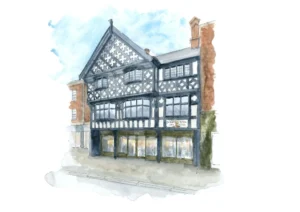
In an aggressive move to combat the prolonged decline of traditional retail hubs, the government has officially launched a comprehensive £210 million revitalization fund aimed at breathing new life into struggling high streets across the nation. High streets have faced unprecedented headwinds over the past decade, compounded by the acceleration of e-commerce during the COVID-19 pandemic, soaring business rates, and the broader cost-of-living crisis that has squeezed disposable household incomes.
The newly established £210 million package is designed to provide targeted grants and infrastructural support to local authorities and community-led partnerships. The overarching objective is to transform traditional shopping districts into vibrant, multi-use community hubs that blend retail with leisure, dining, and cultural experiences. Industry analysts have pointed out that traditional retail alone is no longer sufficient to drive sustained footfall to physical town centers. Consequently, this government funding is expected to prioritize digital integration for small businesses, public realm enhancements, and the repurposing of vacant department store spaces into residential or creative zones.
Retail property associations have broadly welcomed the initiative, though many have emphasized that long-term recovery will ultimately depend on broader fiscal reforms, particularly regarding commercial property taxation. The British Retail Consortium (BRC) noted that while the £210 million fund is a commendable and necessary injection of capital, it must be paired with permanent business rate reliefs to prevent further store closures among both independent traders and legacy high-street anchors.
Corporate Shifts: Armani Considers Multiple Investors
At the upper echelon of the global luxury market, Italian fashion powerhouse Giorgio Armani has signaled a monumental shift in its corporate governance and ownership model. In a departure from the fiercely independent stance historically maintained by its founder and namesake designer, Giorgio Armani, the luxury house has confirmed it is open to accepting multiple investors to acquire a stake in the company.
For decades, the Armani Group has operated under a tightly controlled private structure, designed to safeguard the brand’s creative vision and operational independence following the eventual departure of its founder. However, the rapidly consolidating luxury sector—dominated by mega-conglomerates such as LVMH and Kering—has placed mounting competitive pressure on independent houses to scale their digital infrastructure, expand global retail footprints, and secure robust supply chains.
Financial consultants close to the matter suggest that opening the equity doors to a consortium of institutional investors or sovereign wealth funds will provide the capital firepower necessary to accelerate Armani’s direct-to-consumer digital channels and real estate investments in prime global metropolises. While specific details regarding the exact percentage of the stake up for sale or the timeline for negotiations remain tightly guarded, the move signals a pragmatic recognition that even the most storied luxury houses must adapt to changing market dynamics to maintain their competitive edge.
Independent Retailers Build Autumn Demand Despite Consumer Caution
Far removed from the corporate boardrooms of global luxury conglomerates, independent fashion retailers are currently navigating a complex domestic landscape characterized by cautious consumer spending. Despite persistent economic headwinds and household budget constraints driven by elevated inflation and energy costs, independent boutique owners report that demand for autumn and winter collections is gradually building.
Market data from regional trade bodies indicates that independent stores are successfully capturing consumer loyalty by leaning heavily into curation, exceptional customer service, and product exclusivity—elements that mass-market chains and fast-fashion giants often struggle to replicate. Consumers who are spending less frequently are increasingly prioritizing quality, longevity, and provenance when they do make purchases, directly benefiting independent retailers who stock niche, artisanal, or sustainable labels.
Nevertheless, store owners remain vigilant. Supply chain volatility, unpredictable weather patterns delaying seasonal wardrobe transitions, and rising operational overheads continue to squeeze profit margins. To mitigate these pressures, many independents are enhancing their omnichannel capabilities, utilizing social media platforms to drive localized footfall, and hosting experiential in-store events to foster deeper community connections.
Uniqlo Continues UK Expansion with New Bath Store Opening
In the realm of international high-street expansion, Japanese apparel giant Uniqlo has announced its latest strategic store opening, choosing the historic city of Bath as the site for its newest retail destination. The expansion highlights the brand’s ongoing confidence in the physical retail market outside of London, following a series of successful regional store launches across the UK.

Uniqlo, owned by Fast Retailing, has steadily increased its footprint in the British market by capitalizing on consumer demand for high-quality, functional, and trend-resistant everyday wear—commonly referred to as "LifeWear." The upcoming Bath store is expected to occupy a prominent commercial site, bringing the brand’s signature minimalist aesthetic, innovative fabric technologies (such as HEATTECH and AIRism), and streamlined shopping experience to a new demographic of shoppers.
Real estate experts note that Uniqlo’s expansion strategy deliberately targets affluent regional hubs and university towns with strong tourism profiles. By securing prime locations in cities like Bath, the retailer effectively captures both domestic footfall and international visitors, reinforcing its position as one of the most resilient and disciplined operators in the global mass-market apparel sector.
Manufacturing and Sourcing: A New Northern Event
On the manufacturing and supply chain front, Source Fashion has announced a strategic partnership with UK-based training and manufacturing hub Fashion-Enter. The collaboration will culminate in the launch of a brand-new manufacturing and sourcing event based in Manchester, designed to bridge the gap between regional garment production and the wider fashion supply chain.
The initiative comes at a critical time for the UK fashion manufacturing sector, which has faced severe structural challenges, including skilled labor shortages, rising utility costs, and intense competition from offshore manufacturing hubs in Asia and Eastern Europe. By bringing a dedicated sourcing event to Manchester—a city with a proud and historic textile heritage—the organizers aim to champion domestic manufacturing, promote sustainable production practices, and facilitate direct networking between designers, brands, and local factories.
Industry stakeholders have lauded the initiative as a vital step toward rebuilding regional textile infrastructure. The event will focus heavily on ethical sourcing, transparency, and modernizing manufacturing techniques through automation and sustainable innovation, providing a platform for emerging brands to produce smaller batches locally and reduce their carbon footprint.
Digital Innovation and Leadership Insights
As the fashion retail ecosystem becomes increasingly digitized, platforms and industry publications continue to dissect the digital strategies defining market leaders. The ongoing "Wonderful Websites" series by leading trade publications has turned a spotlight on exemplary digital user experiences (UX) in fashion retail, analyzing how top-tier brands leverage immersive storytelling, seamless checkouts, personalized recommendations, and augmented reality (AR) to drive online conversion rates and reduce cart abandonment.
Complementing these technical insights, editorial commentaries across the industry have increasingly focused on the evolving profile of successful fashion founders. Modern fashion entrepreneurship requires a delicate balance of creative vision, rigorous data literacy, agility, and a deep commitment to sustainable values. Founders today must navigate a hyper-saturated digital marketplace where customer acquisition costs are at an all-time high, making authentic brand storytelling and community-building non-negotiable prerequisites for long-term survival.
Case Study: Global Growth Strategies for Independent Brands
Providing a practical glimpse into contemporary brand scaling, the recent "Founder’s Dairy" feature examined the growth trajectory of Swedish fashion and lifestyle brand Sisterly Tribe, spearheaded by founder Kristin Hars. The profile details Hars’ strategic roadmap for scaling the Scandinavian brand beyond its domestic borders, emphasizing the importance of international digital expansion, strategic wholesale partnerships, and maintaining a steadfast commitment to brand ethos as key drivers of global recognition.
As Sisterly Tribe and similar Nordic contemporaries illustrate, modern apparel brands can achieve rapid international scale by leveraging borderless e-commerce platforms and targeted social commerce campaigns. However, Hars’ strategic approach also highlights the enduring necessity of localized market research and cultural adaptation when introducing minimalist Scandinavian design sensibilities to diverse international consumer bases.
Broader Economic Implications and Outlook
Taken collectively, these diverse developments paint a picture of a fashion retail industry in a state of calculated reinvention. The interplay between public sector investment—such as the government’s £210 million high street fund—and private sector capital moves, like Armani’s openness to outside investors, demonstrates that access to liquidity is paramount for navigating current economic pressures.
Simultaneously, the grassroots resilience demonstrated by independent retailers, combined with the localized manufacturing pushes in regions like Manchester and the strategic store expansions by global giants like Uniqlo, suggests that physical retail is far from obsolete. Instead, it is fragmenting into specialized, experience-driven ecosystems where differentiation, agility, and sustainability determine market survival.
As the industry moves deeper into the autumn and winter trading season, retailers across all tiers will need to remain highly adaptable. Those capable of harmonizing robust digital infrastructures with engaging physical experiences, transparent supply chains, and responsive pricing models will be best positioned to weather ongoing consumer caution and secure sustainable, long-term growth in an increasingly competitive global economy.