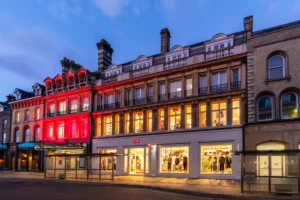
Digital Edition: Where to open a shop: the UK’s top 25 fashion retail hotspots


The British high street is undergoing a profound structural evolution, defined by tightening inventory, contracting vacancy rates, and a pronounced resurgence in physical retail demand. According to the latest comprehensive market intelligence from retail analysts and industry leaders, the race for premier brick-and-mortar locations has intensified significantly. As high street landlords regain pricing power through rising rental costs and dwindling availability, fashion retailers are being forced to refine their expansion strategies with surgical precision. This dynamic shift forms the backdrop for the release of the definitive ranking of the top 25 fashion retail hotspots across the United Kingdom, offering an indispensable roadmap for brands navigating the post-pandemic commercial real estate landscape.
The shifting fortunes of the British high street are not merely a reflection of post-lockdown consumer habits, but rather the culmination of a multi-year macroeconomic transformation. Following years of widespread closures, corporate voluntary arrangements (CVAs), and the mass migration of retail activity toward digital platforms, physical stores are reclaiming their central role in omnichannel retail strategies. Data from leading property consultancies indicates that high street vacancy rates in prime locations have dropped steadily over the past twenty-four months, dipping below pre-pandemic averages in several key regional hubs. At the same time, prime retail rents—which suffered severe corrections during the height of online retail acceleration—have rebounded, driven by intense competition for scarce commercial spaces.
Within this competitive environment, major fashion players are recalibrating how, where, and why they open physical stores. Industry heavyweights such as Mango, Sweaty Betty, FatFace, and Superdry are spearheading distinct retail property strategies that prioritize experiential shopping, localized inventory, and high-footprint flagships over sheer numerical expansion. These brands are no longer viewing physical stores merely as transactional touchpoints, but as vital marketing instruments, localized fulfillment hubs, and immersive brand environments that directly drive online conversions within specific geographic catchments.
The Chronology of High Street Recovery
To understand the current scramble for prime retail real estate, it is necessary to examine the trajectory of the UK retail sector over the past decade. The period between 2015 and 2019 was characterized by structural headwinds, including escalating business rates, rising online penetration, and sluggish consumer confidence. Department stores and legacy high street names faced severe distress, leading to prominent vacancies in the hearts of major towns and cities.
The onset of the COVID-19 pandemic in 2020 accelerated these trends exponentially, triggering an unprecedented crisis in commercial real estate. Lockdowns and social distancing mandates forced non-essential retailers to shutter for months at a time, resulting in historic drops in rental valuations and widespread lease renegotiations. During this dark period, pundits prematurely pronounced the death of the physical high street, projecting a permanent shift toward e-commerce dominance.
However, a notable inflection point emerged in late 2021 and throughout 2022. As restrictions lifted, pent-up consumer demand unleashed a wave of footfall back into city centres and shopping destinations. Retailers quickly realized that purely digital models suffered from high customer acquisition costs and exorbitant reverse logistics expenses associated with online returns. By 2023, forward-thinking fashion brands began pivoting back to physical spaces, recognizing that a physical presence acted as a powerful anchor for regional brand loyalty.
By 2024 and 2025, this recovery matured into a fierce competition for the best real estate assets. Landlords, having weathered the storm of tenant insolvencies, began exercising greater selectivity, demanding robust covenants and innovative retail concepts. Today, in 2026, the market is defined by a distinct scarcity of prime pitches. Vacancy rates in top-tier shopping destinations have fallen to multi-year lows, and rental growth has resumed across primary retail corridors, making strategic intelligence on retail hotspots more critical than ever.
Analyzing the Top 25 Hotspots: Methodology and Metrics
The identification of the UK’s top 25 fashion retail hotspots relies on a multifactorial evaluation of commercial real estate fundamentals. Analysts assess pedestrian footfall volumes, average disposable income within the regional catchment area, historical sales densities, existing retail clustering, and the velocity of lease transactions. Furthermore, the ranking takes into account infrastructural investments, such as urban regeneration projects and public transportation upgrades, which can dramatically alter consumer traffic patterns almost overnight.
While London’s West End—encompassing Oxford Street, Regent Street, and Bond Street—perennially commands the top tier of international retail interest, the contemporary ranking highlights a decentralized retail economy. Regional powerhouses such as Manchester, Edinburgh, Birmingham, Leeds, and Bristol are increasingly capturing the strategic focus of national and international fashion brands. These cities offer robust consumer bases, lower occupancy costs relative to central London, and distinct cultural identities that resonate with modern shoppers.
Secondary and tertiary towns are also experiencing a renaissance, driven by the "stay local" phenomenon and the expansion of flexible working arrangements. Consumers who spend part of the working week at home are increasingly shopping in their local high streets rather than making dedicated weekend trips to major metropolitan centers. Consequently, affluent market towns and regional commuter hubs have emerged as surprise performers in the latest retail hotspot evaluations.

Strategic Insights: How Leading Brands Are Expanding
Examining the real estate maneuvers of prominent fashion brands provides clear insight into how the top 25 hotspots are being leveraged in practice. Major international and domestic retailers are deploying highly tailored expansion blueprints rather than relying on a one-size-fits-all rollout.
Mango, the multinational fashion group, has maintained an aggressive expansion path across the UK market. Rather than limiting its focus solely to London, the Spanish brand has targeted major regional shopping centers and high-footprint high street locations in cities such as Manchester, Glasgow, and Bristol. Mango’s strategy centers on securing large-format stores that allow for the full expression of its Mediterranean-inspired lifestyle collections, supported by advanced omnichannel integration that allows local shoppers to click-and-collect or process returns seamlessly.
Similarly, premium activewear brand Sweaty Betty continues to optimize its retail footprint by targeting affluent urban catchments and upscale lifestyle destinations. The brand’s real estate choices are heavily data-driven, focusing on neighborhoods with high concentrations of health-conscious consumers, affluent professionals, and strong community engagement. Sweaty Betty stores often function as community hubs, hosting fitness classes and wellness events that transcend traditional retail interactions.
FatFace, known for its lifestyle and casual apparel, has successfully navigated the high street evolution by focusing on prominent locations in vibrant market towns and tourist hotspots alongside major regional shopping centres. The brand’s strategy emphasizes experiential merchandising and localized product selection, ensuring that inventory reflects the specific climatic and lifestyle needs of each distinct geographic location.
Meanwhile, turnaround and repositioning strategies pursued by heritage names like Superdry illustrate the cautious discipline governing current retail expansions. Brands are increasingly prioritizing lease flexibility, performance-based rental agreements, and capital-efficient store designs to mitigate financial exposure while maintaining a robust physical presence in high-traffic corridors.
Economic Implications and Market Dynamics
The tightening of vacancy rates and the upward pressure on prime rents carry significant implications for the broader UK economy and the retail sector specifically. For commercial landlords, the resurgence in demand represents a welcome stabilization after years of distress, though it also increases pressure to invest in sustainable, energy-efficient building infrastructure to meet modern corporate standards and regulatory requirements.
For independent retailers and emerging direct-to-consumer (DTC) brands, however, the current landscape presents formidable challenges. The scarcity of prime retail space, combined with escalating rents and stubborn business rates, can create high barriers to entry in the top 25 hotspots. Many emerging brands are consequently turning to pop-up retail concepts, incubator spaces, or collaborative multi-brand marketplaces to test physical retail waters before committing to long-term traditional leases.
Economists and retail analysts point out that the health of the high street remains closely tied to broader macroeconomic indicators, including wage growth, consumer price inflation, and household disposable income. While the demand for physical retail space is currently robust, retailers must remain agile and responsive to shifting consumer spending patterns amidst ongoing economic uncertainties.
Future Outlook for UK Retail Real Estate
Looking ahead, the evolution of the UK’s top 25 fashion retail hotspots will likely be shaped by several emerging technological and structural trends. The integration of artificial intelligence in customer analytics, predictive inventory management, and personalized in-store experiences will continue to redefine what makes a location successful. Retailers will demand smart spaces equipped with advanced footfall tracking, digital fitting rooms, and seamless payment infrastructure.
Furthermore, sustainability credentials are rapidly becoming a non-negotiable criterion for retail real estate decisions. Both landlords and fashion brands are under intense scrutiny from consumers and regulators to minimize their environmental footprint. Stores located in buildings with high energy efficiency ratings, utilizing renewable energy sources, and situated near major multi-modal public transport hubs will command a distinct competitive advantage in future hotspot evaluations.
Ultimately, the enduring appeal of the physical store remains undeniable. As brands continue to navigate the complexities of supply chains, digital marketing costs, and shifting consumer expectations, the high street—anchored by the nation’s premier retail hotspots—will remain the ultimate battleground for consumer attention, brand loyalty, and commercial success in the British fashion landscape.
Related posts: