Citizen-Led Campaign Seeks UNESCO Status for Select Pre-Colonial Sites in Lima, Peru

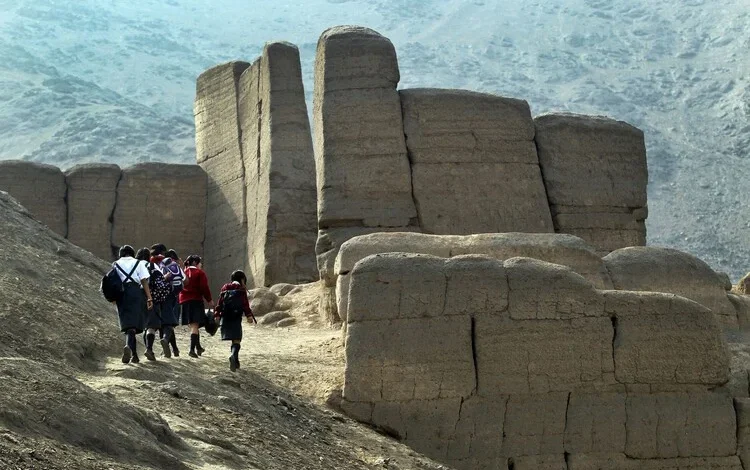
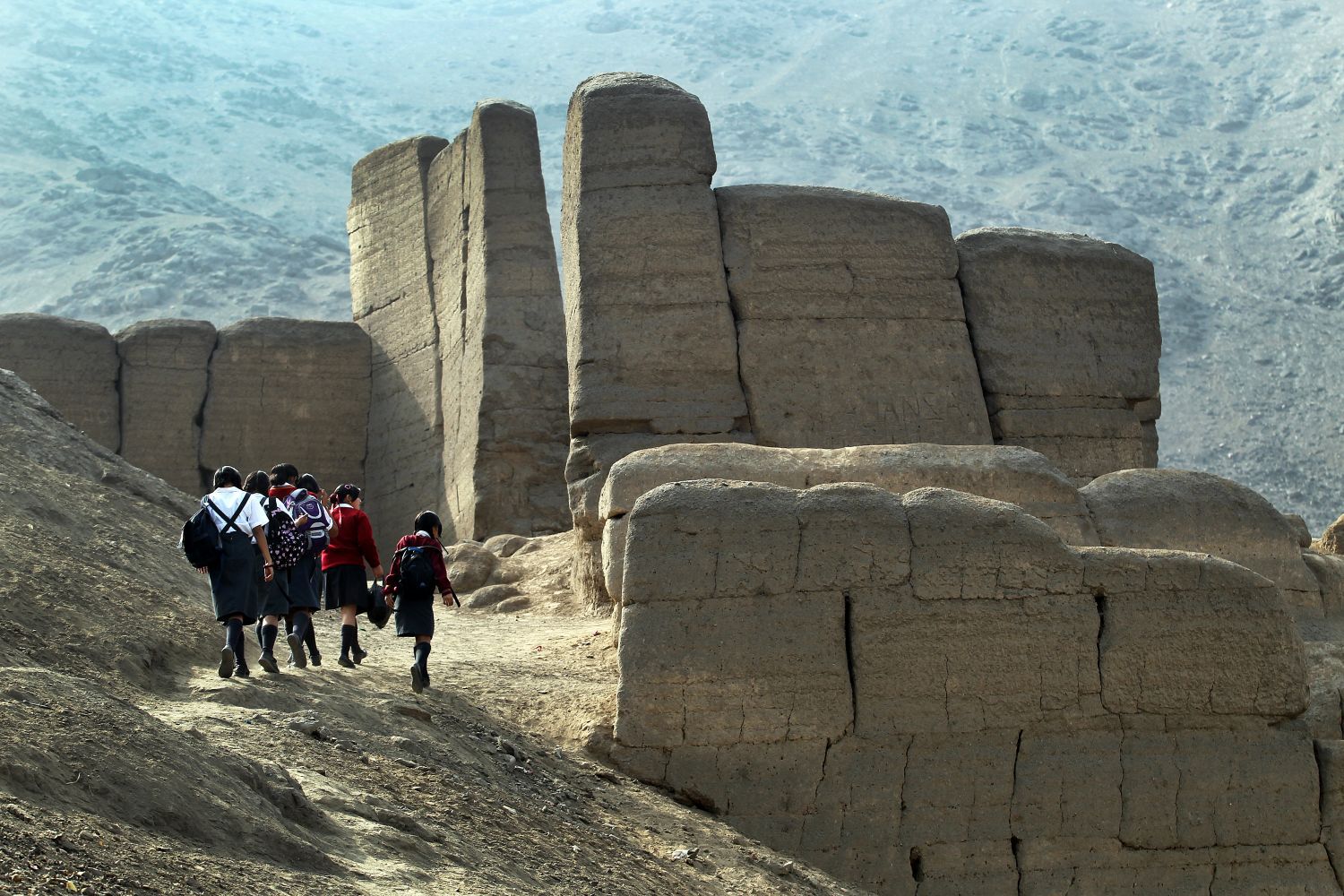
The capital of Peru, a sprawling metropolis of 11 million residents, is currently the stage for an ambitious grassroots movement that aims to reshape the urban identity of one of South America’s oldest cities. The organization Red Lima Milenaria has officially launched a campaign to secure UNESCO World Heritage status for a select group of pre-colonial archaeological sites. Known locally as huacas—sacred spaces dating back thousands of years—these structures stand as silent witnesses to civilizations that thrived long before the Spanish conquest. As the city grapples with the pressures of rapid modernization and historical erasure, this initiative seeks to elevate these sites from mere urban remnants to internationally recognized pillars of global cultural heritage.
A City Built on Ancient Foundations
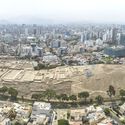
Lima is unique among global capitals for the density and age of its archaeological record. While many cities worldwide possess ruins, few have managed to maintain such a high volume of structures that predate the colonial era by millennia. Current surveys indicate that more than 600 archaeological sites remain scattered throughout the modern urban fabric. These sites are not merely peripheral; they are integrated into the daily commute of millions, often situated directly adjacent to high-rise apartment complexes, busy transit arteries, and suburban shopping districts.
The term "huaca" is central to understanding the significance of these locations. In traditional Andean cosmologies, a huaca was not just a building; it was a sacred entity, often associated with a specific locale, a natural feature, or an ancestral connection. The scholar César Itier has noted that the concept of the huaca often referred to "split" or duplicated spiritual forces, where a portable object or stone served as a physical manifestation of a larger, mythical power. By seeking UNESCO status, the current campaign aims to move beyond the technical definition of "archaeological site" and restore the understanding of these places as living components of Peruvian identity.
The Scope of the Proposed Nominations
The campaign has identified a specific selection of sites that represent the chronological and cultural diversity of the region. Among the most prominent, and potentially the most viable for a UNESCO bid, are:
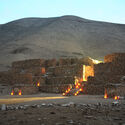
- El Paraíso (San Martín de Porres): Dating back to approximately 2000 B.C., this site represents one of the earliest monumental construction projects in the Americas. Its survival provides invaluable data on early societal organization and the mastery of earthen architecture.
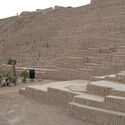
- Huaca Pucllana (Miraflores): A major ceremonial center from the 5th century A.D. This site has already benefited from significant local conservation efforts and stands as the most accessible example for the general public, demonstrating how a pre-colonial site can be successfully integrated into an urban, modern district.
- Fortaleza de Campoy (San Juan de Lurigancho): Built in the 12th century, this structure serves as a testament to the defensive and social complexities of the late intermediate period.
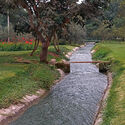
- The Surco Canal (San Borja): A 2,000-year-old irrigation system that highlights the advanced hydrological engineering of pre-colonial civilizations, a system that in many parts remains technically functional or structurally intact.
Chronology of the Struggle for Recognition
The push for UNESCO recognition is the culmination of decades of advocacy by local historians, architects, and community members.
- 1980s-1990s: Growing awareness of the degradation of huacas due to urban sprawl leads to the formation of small, localized preservation groups.
- 2010s: Increased academic interest in "Lima Milenaria" (Millennial Lima) shifts the public discourse, emphasizing that the city’s history does not begin in 1535 with the arrival of Francisco Pizarro.
- September 2026: The official public launch of the coordinated, cross-district campaign by Red Lima Milenaria, aimed at consolidating support for a formal application to the Peruvian Ministry of Culture and eventually UNESCO.
The Hurdles of the UNESCO Nomination Process
Achieving UNESCO World Heritage status is a rigorous, multi-year endeavor. The campaign must satisfy several stringent requirements set by the World Heritage Committee. First, the applicants must provide comprehensive evidence of "Outstanding Universal Value." They must demonstrate that the sites are authentic in their materials, design, and setting.
Furthermore, the nomination must show that these sites have adequate legal protection. In a city like Lima, where land value is astronomical and urban development is relentless, providing guarantees of long-term conservation is a significant challenge. The campaign is currently working to establish partnerships with both public and private entities to create a framework that ensures the sites are protected from encroachment and degradation, a prerequisite for any successful UNESCO bid.
Sociopolitical Implications and the Definition of Heritage
The initiative is occurring during a pivotal time for Peruvian politics, specifically ahead of municipal elections. By placing the future of these sites at the center of the political debate, advocates are forcing candidates to address urban planning, historical inequality, and cultural stewardship.
For centuries, the dominant historical narrative in Lima was heavily Eurocentric, focusing on the viceregal architecture of the colonial core and largely ignoring the monumental earthen structures that preceded it. This campaign is, in effect, a project of historical reclamation. Javier Lizarzaburu, the founder of Red Lima Milenaria, has articulated this sentiment clearly: "UNESCO recognition would bring greater international visibility to this extraordinary heritage. For the people of Lima, however, the real challenge is to recognize the huacas as an essential part of our identity and integrate them into the life of the city."
The broader impact of this movement extends beyond Lima. Similar to recent efforts in Latin America to redefine what is "worth" preserving—such as the ongoing restoration and expansion projects at institutions like the MALBA in Buenos Aires—the Lima campaign challenges the hierarchy of historical importance. It asks: Who decides which buildings are worthy of protection? Is it the grand, stone cathedrals of the conquerors, or the ancient, sun-dried clay temples of the indigenous populations?
Comparative Context and International Significance
Lima is not alone in its struggle to reconcile ancient history with modern urban growth. Other global capitals, including Amman, Cairo, Yerevan, and Jerusalem, have navigated similar challenges. However, the scale of Lima’s remaining sites is, by most metrics, unparalleled in the Western Hemisphere.
The inclusion of these sites in the global narrative would provide a significant boost to local tourism and education, but the primary goal remains internal. By elevating these sites to the international stage, proponents hope to ensure that future urban development projects are forced to account for these structures as assets rather than obstacles. The campaign argues that the preservation of these 4,000-year-old sites is not just an act of archaeological conservation; it is an act of civic development that fosters a sense of continuity and collective belonging in a city that has often felt disconnected from its deepest roots.
A Call to Action for Future Planning
As the campaign gains momentum, the next phase will involve a technical audit of each proposed site. This will include mapping boundaries, assessing structural integrity, and evaluating current management plans. Experts in conservation and urban planning have noted that the success of the initiative will likely depend on the ability of the movement to bridge the gap between academic interest and community engagement.
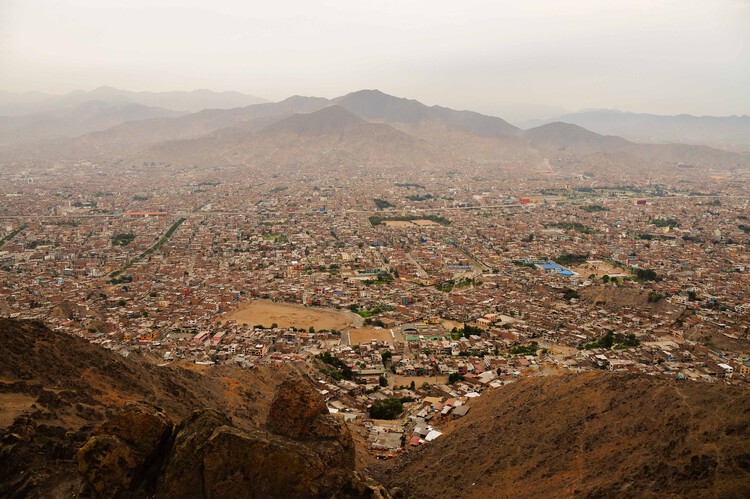
The involvement of local districts—particularly those where the sites are located—is crucial. If the people living in the shadow of a huaca view it as an asset rather than a neglected lot, the chances of the site’s survival increase exponentially. The campaign is currently working on educational programs, walking tours, and digital archives to foster this sense of ownership.
Ultimately, the goal of Red Lima Milenaria is to transform the city’s perception of itself. By securing UNESCO recognition, they hope to lock in legal and institutional protections that will endure beyond current political cycles. If successful, the move would cement Lima’s status not just as a colonial capital, but as one of the world’s longest-inhabited urban centers, capable of respecting its complex, multi-layered history while continuing to evolve as a modern 21st-century metropolis. The process ahead is arduous, but the effort to save the huacas represents a profound moment in the cultural history of Peru, signaling a shift toward a more inclusive and historically honest vision of the nation’s future.