Bridging the Accessibility Gap: Veo Introduces the Rover Electric Trike to Redefine Urban Micromobility in Denver

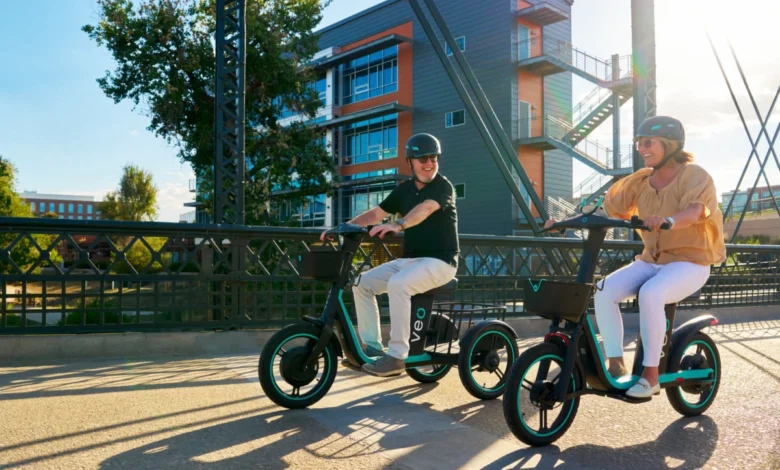
The landscape of urban transportation is undergoing a profound structural shift, yet a significant demographic has long been left behind by the micromobility revolution. While standing electric scooters and pedal bicycles have proliferated across metropolitan streetscapes worldwide, they frequently exclude individuals with physical disabilities, older adults, and those lacking the balance or agility required to operate traditional shared vehicles. In an effort to address this persistent urban planning challenge, shared micromobility provider Veo has launched the Rover: a purpose-built, three-wheeled electric tricycle designed from the ground up to prioritize universal access. Currently undergoing initial deployment in downtown Denver, the Rover represents a calculated departure from conventional urban transit design, integrating extensive community feedback, ergonomic engineering, and functional versatility into a single shared vehicle.
Main Facts and Vehicle Engineering
Sitting low to the ground on a stable three-wheel chassis, the Rover presents a distinct visual and mechanical profile compared to the standard two-wheeled scooters and e-bikes that dominate modern city streets. Designed and manufactured entirely in-house by Veo, the vehicle incorporates several specialized features engineered to minimize physical strain and maximize user confidence.
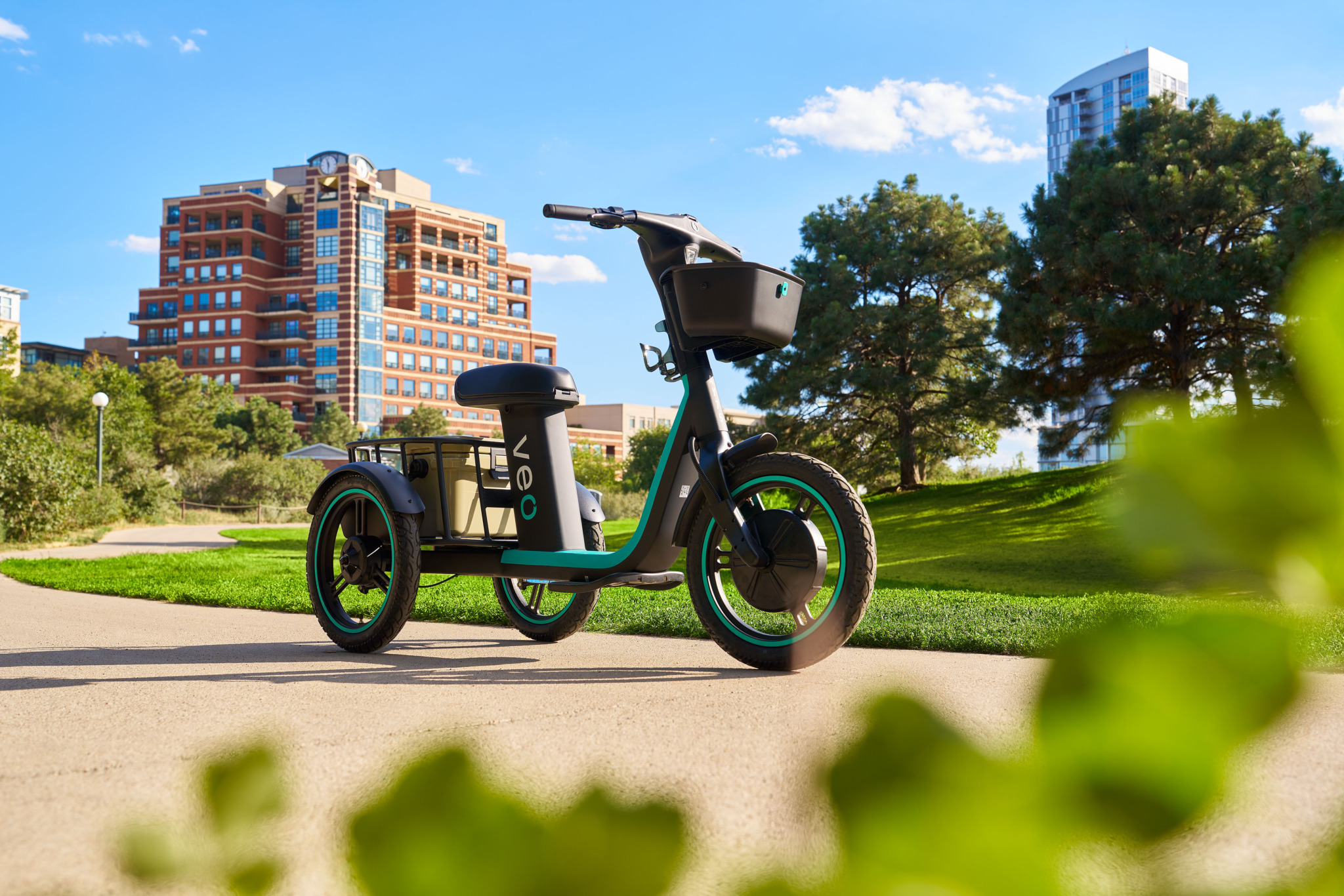
At the core of the Rover’s design is an emphasis on stability and load-bearing capacity. Unlike conventional scooters that require the operator to maintain an upright standing posture, the Rover features a comfortable, cushioned seat that lowers the rider’s center of gravity. Propulsion is managed through a throttle-assist system, eliminating the need for strenuous physical pedaling and easing navigation up inclines. To accommodate urban commuters, errands, and mobility needs, the trike is equipped with two spacious cargo baskets—located at either the front and rear—capable of supporting up to 100 pounds of combined weight. This cargo capacity not only accommodates groceries and personal luggage but also provides a secure resting place for auxiliary mobility aids such as canes, crutches, or small folding walkers.
With a capped top speed of 10 miles per hour, the Rover is intentionally calibrated for safe, manageable neighborhood travel, reducing the risk of high-speed collisions while integrating harmoniously with pedestrian pathways, multi-use trails, and protected bike lanes.
Chronology and Development Process
The realization of the Rover was not achieved in a vacuum; rather, it was the culmination of a multi-year development cycle rooted in participatory design. In early 2024, Veo initiated a collaborative development phase, partnering with hundreds of riders and more than 20 specialized organizations to test prototypes and gather actionable critiques. Key collaborators included prominent advocacy and support groups such as the Parkinson’s Foundation and Capitol Hill Village, an organization dedicated to helping older adults age in place.

These partnerships were further augmented by quantitative insights drawn from Veo’s 2025 annual rider survey. Significantly, 24 percent of the survey’s respondents formally identified as having a disability, providing the company with a robust data set regarding the physical barriers inherent in existing micromobility fleets. Feedback gathered from these demographics directly influenced the Rover’s physical architecture, dictating everything from the precise angle of the riding position to the structural layout of the cargo arrangements and the sensitivity of the throttle controls.
In late 2026, this extensive research phase culminated in the initial deployment of 50 Rover units in downtown Denver. This localized rollout serves as a live testing ground, allowing Veo to gather real-time telemetry and rider feedback before executing a broader, citywide expansion. The Rover now operates alongside Veo’s pre-existing fleet of approximately 9,000 shared bikes and scooters already licensed and circulating throughout Denver, seamlessly integrating inclusive transit options into an established municipal ecosystem.
Supporting Data and Industry Context
The introduction of the Rover arrives at a critical juncture for the urban transportation sector. For over a decade, the shared micromobility industry has experienced rapid, venture-backed expansion, transforming the ways residents navigate congested urban cores. However, this growth has frequently outpaced regulatory frameworks and inclusive design standards.

According to transportation equity studies, a substantial portion of the urban population remains entirely unserved by current micromobility models. Standing e-scooters demand baseline levels of dynamic balance, upper-body strength, and lower-extremity mobility that exclude millions of potential users, including aging populations, individuals with neurological or musculoskeletal conditions, and parents transporting goods alongside children.
Anna Zivarts, director of the Nondrivers Alliance and author of When Driving Is Not an Option, underscores the systemic nature of this oversight. "For too long, shared micromobility has excluded many disabled people and others who don’t feel comfortable using a standing scooter or pedal bike," Zivarts observes. By focusing on non-traditional riders, vehicles like the Rover challenge the industry standard that equates micromobility solely with youth, athleticism, and unassisted standing operation.
Official Responses and Corporate Vision
Company leadership has framed the Rover not merely as a new product offering, but as a philosophical shift in how shared vehicle fleets conceptualize public accessibility. Candice Xie, co-founder and CEO of Veo, emphasizes that the vehicle represents the culmination of years of iterative design milestones aimed at broadening the user base.

"The future of micromobility is about giving more people the confidence to ride," Xie states. "For years, we’ve worked to open up micromobility to new riders—from pioneering seated scooters to developing our first electric trike alongside disability advocates and older adults. Rover is our most community-informed vehicle to date, shaped in partnership with the people it was built to serve."
This sentiment is echoed by community stakeholders who participated in the developmental testing phases. Representatives from organizations like the Parkinson’s Foundation have noted that accessible transportation options are vital for maintaining social independence, combating isolation, and ensuring that public infrastructure remains genuinely public.
Broader Impact and Market Implications
The deployment of the Rover in Denver carries significant implications for municipal transportation planners, urban designers, and competing micromobility operators worldwide. As cities face mounting pressures to reduce carbon emissions, alleviate traffic congestion, and meet ambitious climate action goals, public transit networks must be complemented by first-mile and last-mile solutions that are universally accessible.

If municipal governments begin mandating accessibility compliance as a prerequisite for operating permits—as many transit advocates are currently urging—fleets comprised exclusively of standing scooters and standard e-bikes may face regulatory pushback. Veo’s proactive integration of a purpose-built, three-wheeled, cargo-capable trike positions the company favorably within an increasingly regulated municipal marketplace.
Furthermore, the dual-basket design and robust weight capacity expand the functional utility of the vehicle beyond simple point-to-point passenger transport. By accommodating up to 100 pounds of goods, the Rover bridges the gap between personal mobility and light urban logistics, offering a viable alternative for short-distance errands that might otherwise require an automobile.
As the initial cohort of 50 Rover units continues to log miles on Denver’s streets, municipal authorities and industry analysts will closely monitor adoption rates, safety metrics, and user feedback. For now, the vehicle remains exclusive to Veo’s shared municipal fleets, with no current plans for individual retail distribution. Should the Denver pilot prove successful, the Rover is expected to serve as a blueprint for inclusive micromobility rollouts in metropolitan areas across North America, signaling a permanent evolution in how cities design shared spaces for all citizens.