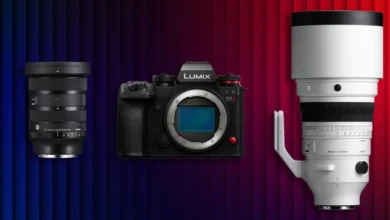
The Handheld Smart Camera Market Explosion: How DJI and Insta360 Outpace Traditional Japanese Camera Giants

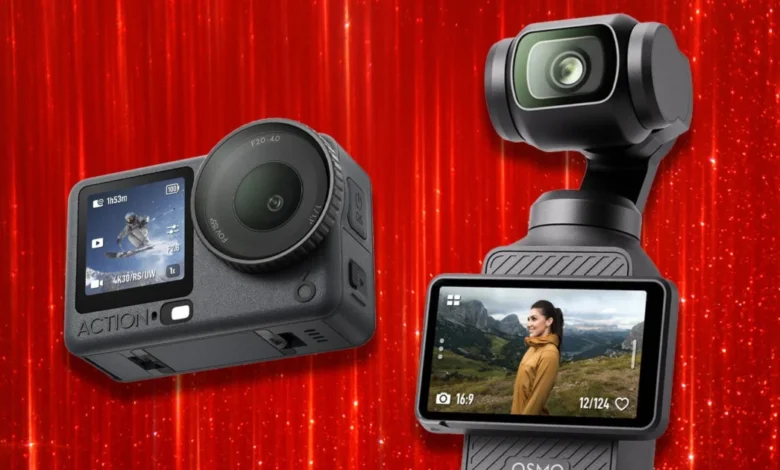
The global imaging landscape is undergoing a profound structural shift, defined by the meteoric rise of the handheld "smart camera" market. According to comprehensive new research published by technology intelligence firm IDC, the sector encompassing action cameras, 360-degree cameras, and integrated gimbal devices expanded by an astonishing 83% year-over-year in 2025, reaching a staggering 16.65 million units globally. Total market value climbed 86% compared to the previous year, surpassing 46 billion yuan—approximately $6.875 billion USD at current exchange rates. Industry forecasters project this upward trajectory will continue unabated, with IDC estimating total shipments will scale to 40 million units annually by 2030.
This explosive growth has completely altered the hierarchy of consumer imaging hardware. Market leader DJI alone shipped 10.4 million handheld cameras in 2025, marking the first time the Chinese technology giant has crossed the 10-million-unit threshold in a single calendar year. To contextualize this scale, DJI’s individual output outpaces the combined global shipments of all traditional Japanese camera manufacturers represented by the Camera and Imaging Products Association (CIPA).
A Tale of Two Markets: Handheld Tech Versus Traditional Gear
To understand the modern imaging economy, analysts emphasize the necessity of examining two distinct, parallel ecosystems: the rapid-growth handheld smart camera segment and the enduring, premium-tier traditional digital camera market.
Data compiled by CIPA—which tracks major Japanese optical powerhouses such as Canon, Sony, Nikon, Fujifilm, and Panasonic, while omitting niche European luxury brands like Leica and Hasselblad—reveals a resilient traditional market. In 2025, CIPA member companies shipped a combined 9.44 million digital cameras, encompassing interchangeable-lens systems (both mirrorless and DSLR bodies) alongside fixed-lens compact cameras. This represented the fourth consecutive year of annual growth for the legacy photo industry, achieving the highest aggregate shipment total since 2019 and recovering significantly from pandemic-era lows. Within that CIPA total, dedicated mirrorless and DSLR interchangeable-lens cameras accounted for roughly 6.1 million units.
However, the sheer volume driven by Chinese hardware innovators dwarfs these legacy figures. Alongside DJI’s record-breaking 10.4 million units, rival manufacturer Insta360 shipped an estimated 3.4 million handheld devices in 2025—a figure amounting to more than half of all mirrorless cameras shipped globally by the entire Japanese manufacturing sector combined. Combined, DJI and Insta360 accounted for approximately 13.8 million handheld cameras last year, more than double the total output of CIPA-member mirrorless systems.
Chronology of Disruption and the Fall of Pioneers
The dominance of Chinese brands in the action and vlogging categories represents the culmination of a decade-long market evolution. Historically, the action camera space was pioneered and commanded by American brand GoPro, which defined the category through rugged, wearable high-definition recorders.
Yet, a combination of aggressive hardware iteration, rapid sensor development, advanced software stabilization algorithms, and competitive pricing strategies by Asian competitors steadily eroded GoPro’s market share. By the mid-2020s, this dynamic manifested in severe financial headwinds for the American pioneer. Public financial disclosures highlighted significant quarterly net losses—including a $51 million deficit reported in late 2026—forcing GoPro into a desperate search for strategic turnarounds while DJI and Insta360 captured the imagination of global content creators, vloggers, and extreme sports enthusiasts.
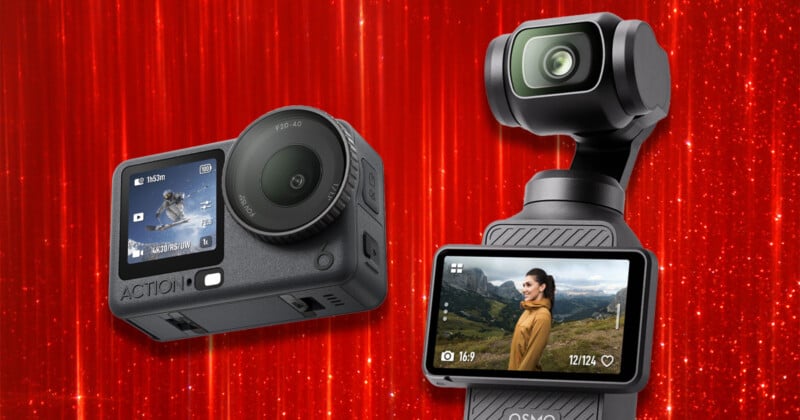
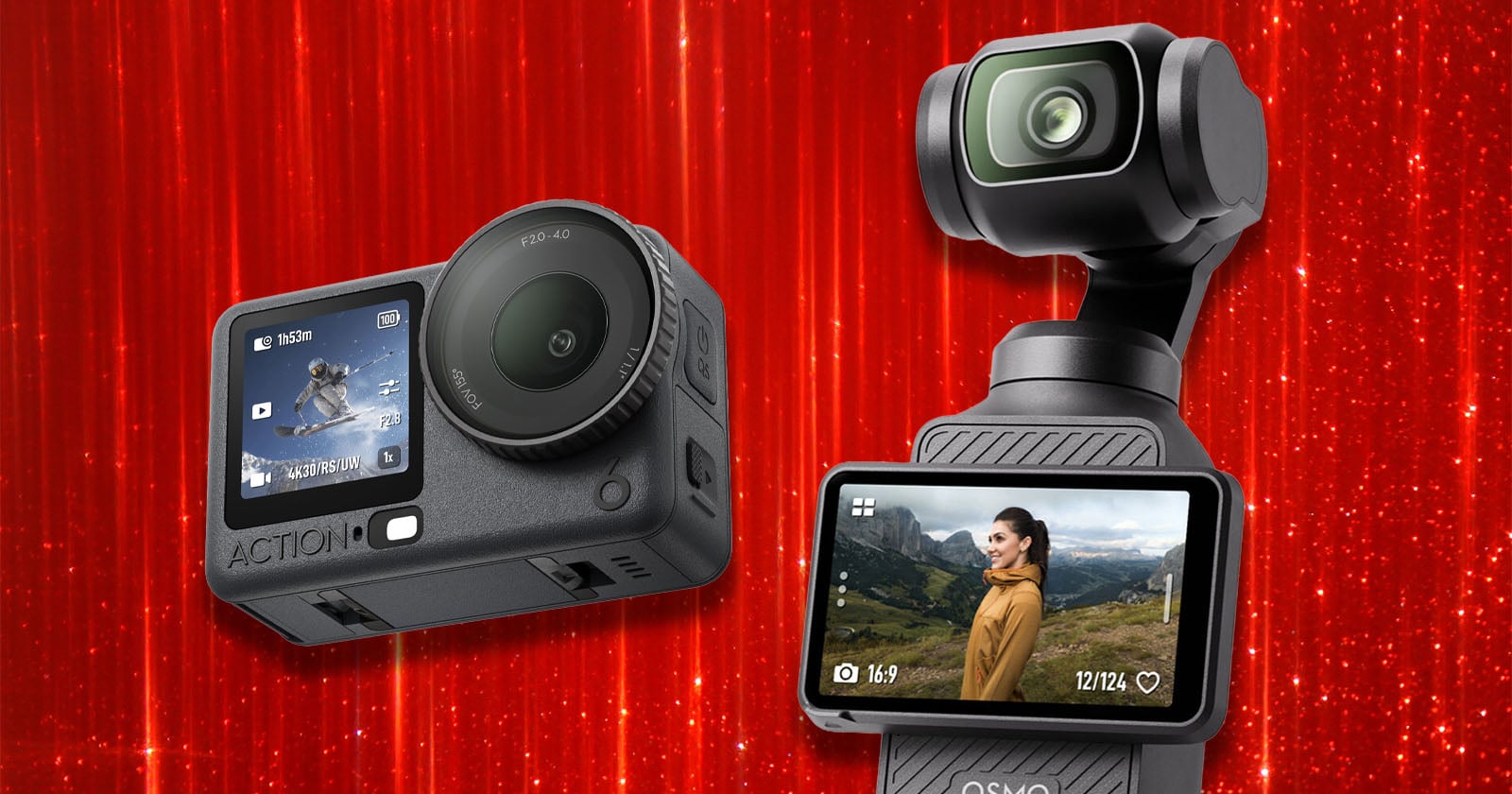
The proliferation of advanced devices such as the DJI Osmo Pocket series, the ultra-compact Osmo Nano, and Insta360’s immersive modular and 360-degree ecosystems redefined consumer expectations for stabilization, portability, and ease of use.
Economic Fundamentals: Margins, Pricing, and Consumer Demographics
Despite the stark disparities in unit volume, industry economists caution against framing the modern imaging landscape as a zero-sum conflict between handheld smart cameras and traditional interchangeable-lens systems. Both markets continue to grow concurrently because they serve fundamentally different creative use cases, with a substantial demographic of visual creators owning and actively utilizing equipment from both categories.
The underlying economic models of the two sectors also diverge sharply. The traditional digital camera market operates on a high-margin, lower-volume framework. Purchasing an enthusiast or professional mirrorless camera body frequently requires an investment of several thousand dollars, with individual high-performance lenses commanding hundreds or thousands more. Average selling prices in the traditional segment have steadily climbed as manufacturers pivot toward high-end professional and hybrid creators.
Conversely, the handheld smart camera market relies on high-volume production, rapid inventory turnover, and thinner profit margins. Pricing in this sector is intensely competitive; a marginal price variance of $50 can heavily influence consumer purchasing decisions. Flagship handheld devices, such as the Insta360 Luna Ultra, typically retail below the $800 threshold, positioning them as accessible consumer electronics rather than long-term capital investments.

Geopolitical Realities and Regulatory Pressures
As DJI and Insta360 cement their positions atop the global imaging pyramid, their operational trajectories face complex external challenges. DJI, in particular, continues to navigate ongoing regulatory scrutiny and compliance hurdles with the Federal Communications Commission (FCC) and legislative bodies within the United States—historically one of the world’s most lucrative consumer technology markets.
Industry analysts are closely monitoring whether regulatory friction, potential import restrictions, or supply chain adjustments will impact DJI’s shipment momentum in North America. Despite these hurdles, the sheer breadth of international demand across Europe, Asia-Pacific, and domestic Chinese markets has cushioned manufacturers against localized regulatory headwinds.
Future Outlook and Strategic Implications
The widening gap between handheld smart camera shipments and traditional camera production underscores a broader cultural shift in global media consumption. As social media platforms prioritize rapid, vertical, and mobile-optimized video content, the demand for pocket-sized stabilization and artificial intelligence-assisted shooting tools has skyrocketed.
Whether handheld smart cameras will eventually evolve to rival the optical fidelity, dynamic range, and creative versatility of full-frame interchangeable-lens systems remains a central debate among optical engineers and cinematographers. For now, however, the numbers tell an unequivocal story: consumer imaging has entered a dual-track era where nimble, tech-first manufacturers are defining mass-market volume, while traditional optical artisans continue to serve the specialized demands of professional creators.