Gem Gossip Summer 2026 Recap: A Seasonal Review of Design Trends and Retail Evolution

The conclusion of the 2026 summer season in Nashville, Tennessee, serves as a significant marker for the boutique retail sector, specifically within the niche jewelry and artisanal craft markets. As school calendars resume, industry analysts and boutique owners are pivoting from a season defined by hyper-localized color trends and the resurgence of tactile, artisanal collectibles toward the logistics of autumn retail. This transition period provides a window into the consumer shifts that characterized the summer months, reflecting a move toward personalization, color-theory-driven curation, and the integration of affordable luxury items into high-end jewelry portfolios.
The Shift Toward Chromatic Personalization
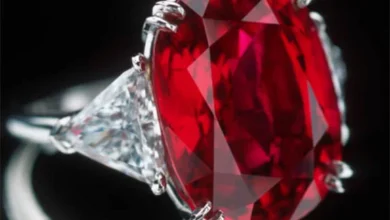
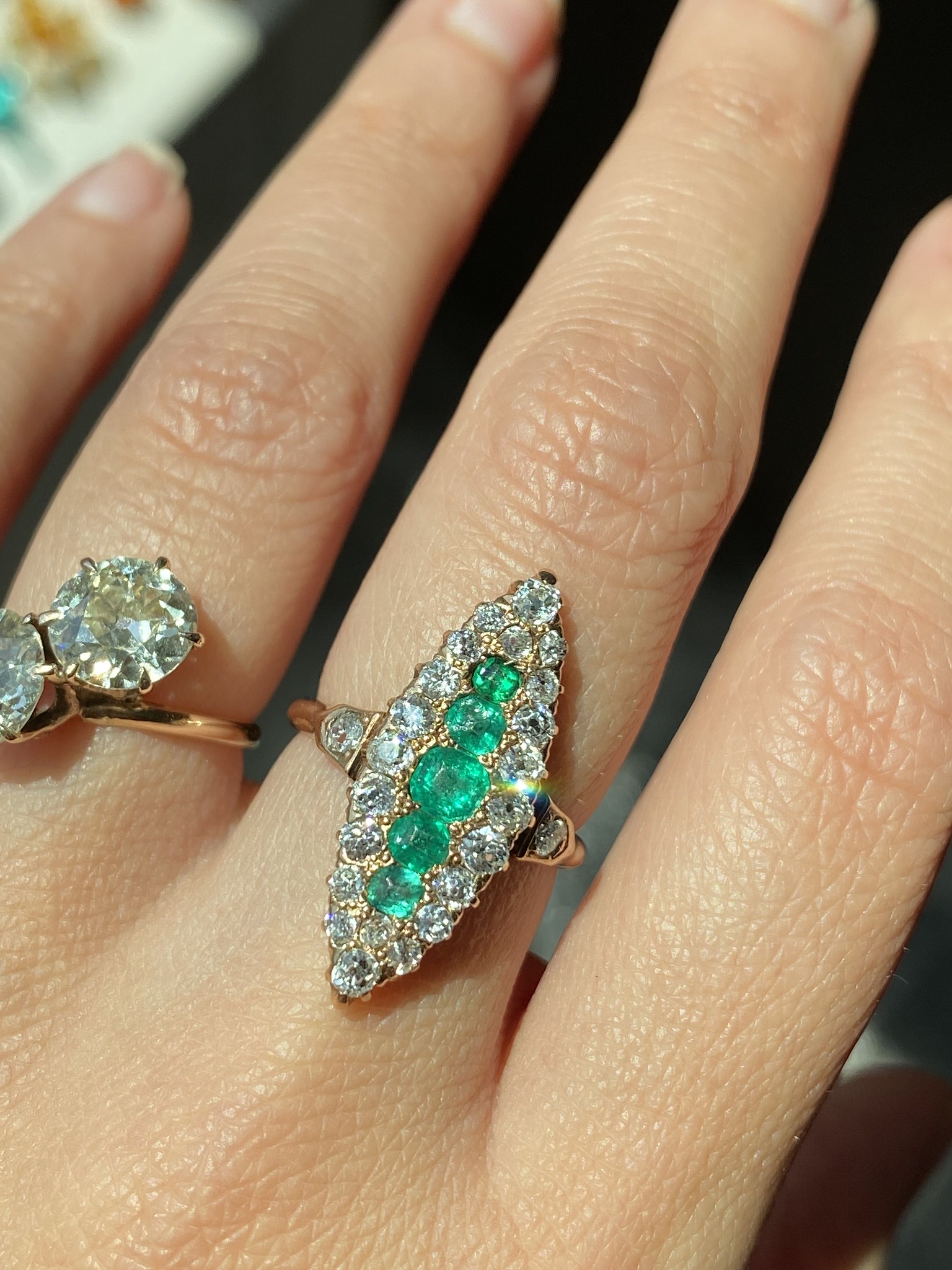
A dominant trend throughout the summer of 2026 was the influence of color analysis on consumer purchasing behavior. The "Bright Spring" color palette—characterized by high-saturation hues such as tropical turquoise, vibrant corals, and intense, crayon-box-inspired gemstones—emerged as a major driver for jewelry acquisition. Market data from independent jewelers suggests that consumers are increasingly moving away from muted, grey-toned, or pastel aesthetics in favor of bolder, more energetic color profiles.
This shift has direct implications for supply chain management within the artisan jewelry sector. Retailers are reporting a higher demand for colored stones that align with specific seasonal color profiles, forcing a departure from traditional, neutral-toned inventory. The abandonment of black and muted tones in favor of saturated, warm-spectrum gemstones represents a significant departure from the minimalist trends of the early 2020s. This movement toward personalized color palettes suggests that consumers are viewing jewelry not merely as an accessory, but as a functional extension of their personal brand and aesthetic identity.

Chronology of Retail Innovations: Summer 2026
The summer of 2026 saw a deliberate effort by independent retailers to diversify product offerings by addressing specific gaps in the jewelry market. In May 2026, the re-introduction of collaborative pieces, such as the "Danielle Seashell Key" in partnership with Sister Sister Jewelry, signaled a return to classic, thematic charm collections. This was followed throughout June and July by the expansion of the "In the Light of Day Jewelry" line, which prioritized gemstone saturation as a key selling point.
By August 2026, the retail focus had shifted toward accessibility and organic design. The introduction of handmade gold wafers—characterized by their "perfectly imperfect" organic geometry—provided a mid-market option for consumers looking to customize existing charm and bead collections. This period also saw the successful integration of lower-price-point items, such as artisanal glass beads, into high-end retail platforms. These beads were specifically engineered to address a technical oversight in the current market: the lack of high-quality glass components with apertures wide enough to accommodate standard gold chains. By bridging the gap between luxury chains and affordable artisanal components, retailers were able to engage a broader demographic of consumers.

Artisanal Sourcing and Global Supply Chains
A notable development this summer was the diversification of sourcing for artisanal collectibles. Small-scale glass animal figurines, which have seen a resurgence in popularity, are now being sourced through a complex international supply chain. Retailers are currently coordinating with workshops in Pennsylvania for domestic production while maintaining partnerships with artisans in Ukraine for specialized medium-sized figurines.
This dual-sourcing model reflects a growing consumer desire for provenance and the "storytelling" aspect of retail. The positive reception of these glass collectibles suggests that the market for nostalgic, tactile objects remains robust, even in a digital-first economy. The logistical challenge of managing international shipping from conflict-affected regions while maintaining domestic production standards underscores the complexity of modern boutique operations. Analysts note that such artisanal collections provide a hedge against the volatility of the global precious metals market, allowing retailers to maintain steady engagement with their customer base through lower-cost, high-sentiment items.

The Impact of Infrastructure and Storage Optimization
Beyond retail, the summer was marked by a necessary period of administrative and physical reorganization. The seasonal transition forced many businesses and homeowners to address the long-term storage of physical assets, particularly in climates like Tennessee where extreme heat poses a risk to delicate materials.
The process of de-cluttering attics and reclaiming childhood treasures—often composed of materials susceptible to thermal degradation—has become a common theme for small business owners who operate from home-based studios. The decision to integrate these archival items into modern storage systems, such as built-in playroom shelving, serves as a case study in the broader "circular economy" movement. By repurposing or displaying vintage items that happen to align with current color trends (such as the vibrant palettes of vintage toys mirroring current gemstone preferences), entrepreneurs are finding new ways to bridge the gap between their personal history and their professional aesthetic.

Market Outlook: Brown Diamonds and Future Trends
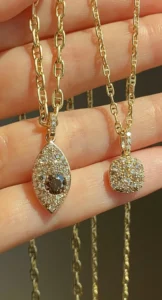
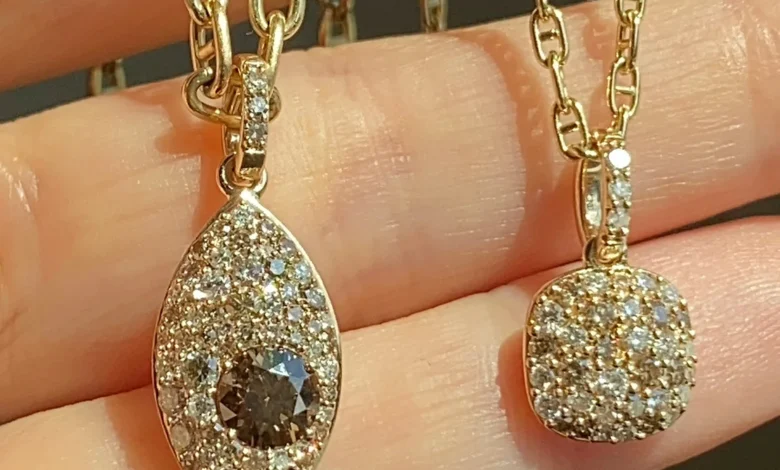
As the industry looks toward the remainder of the year, the emergence of brown-toned, ombre-set diamonds is being monitored as a potential late-season trend. These pendants, which often feature off-center settings and unconventional color gradients, represent a departure from the "bright" trend of early summer, suggesting a move toward more sophisticated, autumnal color palettes.
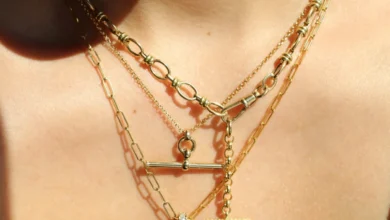
The implications for the jewelry sector are clear: the market is currently rewarding retailers who can balance the need for high-end, investment-grade pieces with the demand for affordable, highly customizable "add-ons." Whether through the introduction of versatile gold wafers or the expansion of gemstone-centric charm collections, the strategy for 2026 remains rooted in versatility.

Economic and Social Context
The challenges faced by families during this transition—specifically the logistical hurdles of balancing work, schooling, and the desire for experiential travel—are reflected in the retail sector’s own pivot toward more efficient, digital-first operations. With the youngest generation of consumers (and their parents) increasingly prioritizing experiences and personalized identity markers over static, mass-produced goods, the jewelry industry must continue to adapt.
The success of the "Bright Spring" initiative and the expansion of the glass bead line prove that consumers are not just looking for products; they are looking for solutions that fit into their specific, curated lives. As the retail sector moves into the final quarter of 2026, the focus will likely remain on maintaining this delicate equilibrium between artisanal craftsmanship and the evolving demands of a highly educated, trend-conscious consumer base. The ability of independent retailers to remain agile, as evidenced by the quick turnaround on specialized glass components and the successful re-release of collaborative seashell keys, will remain the defining characteristic of the year’s retail performance.