The Pulse of Global Culture and Fashion: A Comprehensive Overview of the Fall 2026 Season

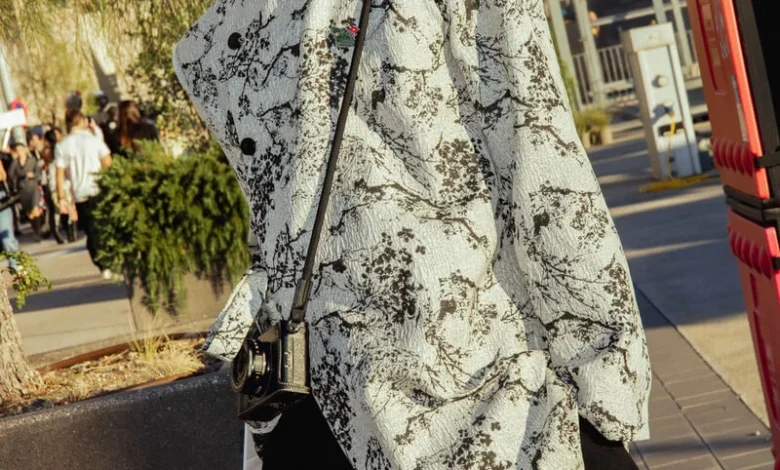
The current landscape of the global creative industry is defined by a rigorous synthesis of heritage craftsmanship and avant-garde experimentation, as evidenced by the flurry of activity across the fashion, art, and music sectors this October 2026. From the streets of Barcelona to the galleries of Paris, the creative output this season reflects a generation that is not merely adopting trends, but actively dismantling and reconstructing the frameworks of cultural production.

The New Vanguard at 080 Barcelona Fashion
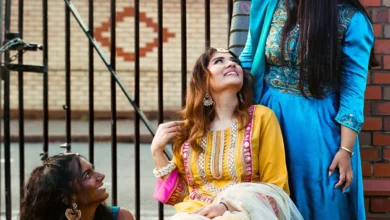
The 080 Barcelona Fashion event has once again cemented its status as a vital incubator for Mediterranean creative energy. This season, the focus shifted from purely commercial presentation to a deeper interrogation of identity. Photographer Ángela Ibañez documented this shift, capturing a street-style narrative that emphasizes the intersection of youth culture and high-end menswear.
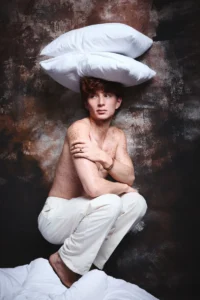
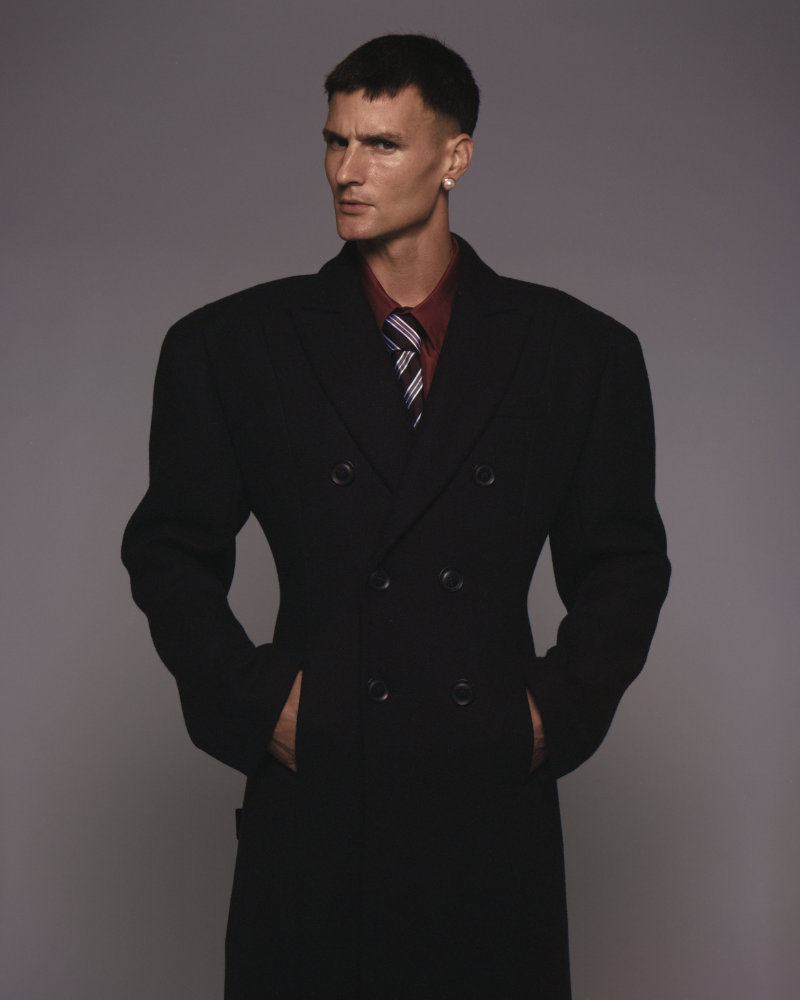
A central highlight was the presentation by the Parisian house LGN Louis Gabriel Nouchi, titled "VOLVER – A Study in Desire." Rather than introducing a collection of new garments, the house opted for a radical sustainability strategy: reinterpreting existing archives through innovative styling. This approach challenges the traditional fashion cycle of constant consumption, suggesting that the "newness" of a collection can be derived from archival reverence and creative curation rather than industrial output.
Materiality and Collaboration: The New Luxury Paradigm
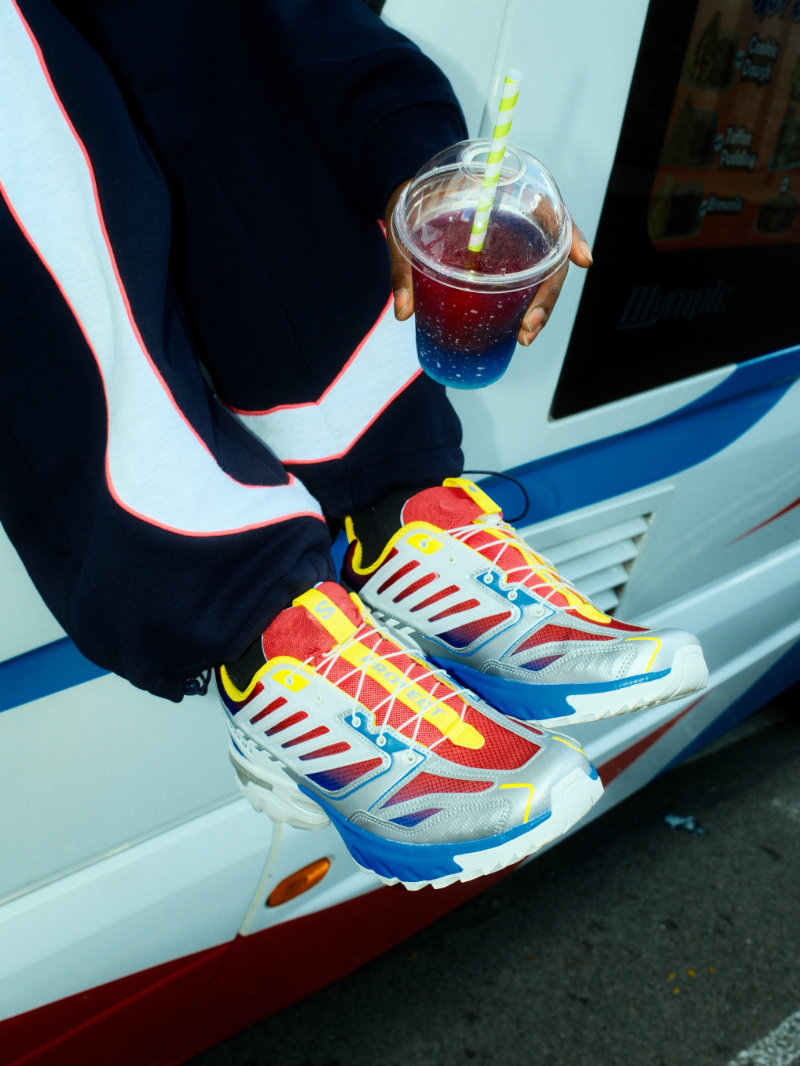
The current season is marked by an intense focus on collaborations that bridge the gap between technical performance and historical legacy. The introduction of the ACS NEXT PROTECT: SLUSHIE by Salomon and Protect exemplifies this trend. By merging archival performance specifications with a contemporary design language, Salomon is tapping into a market segment that demands functional durability alongside high-fashion aesthetics.

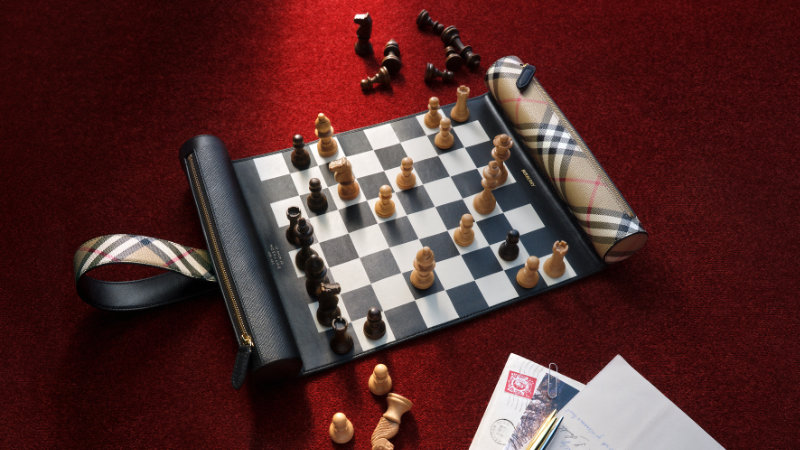
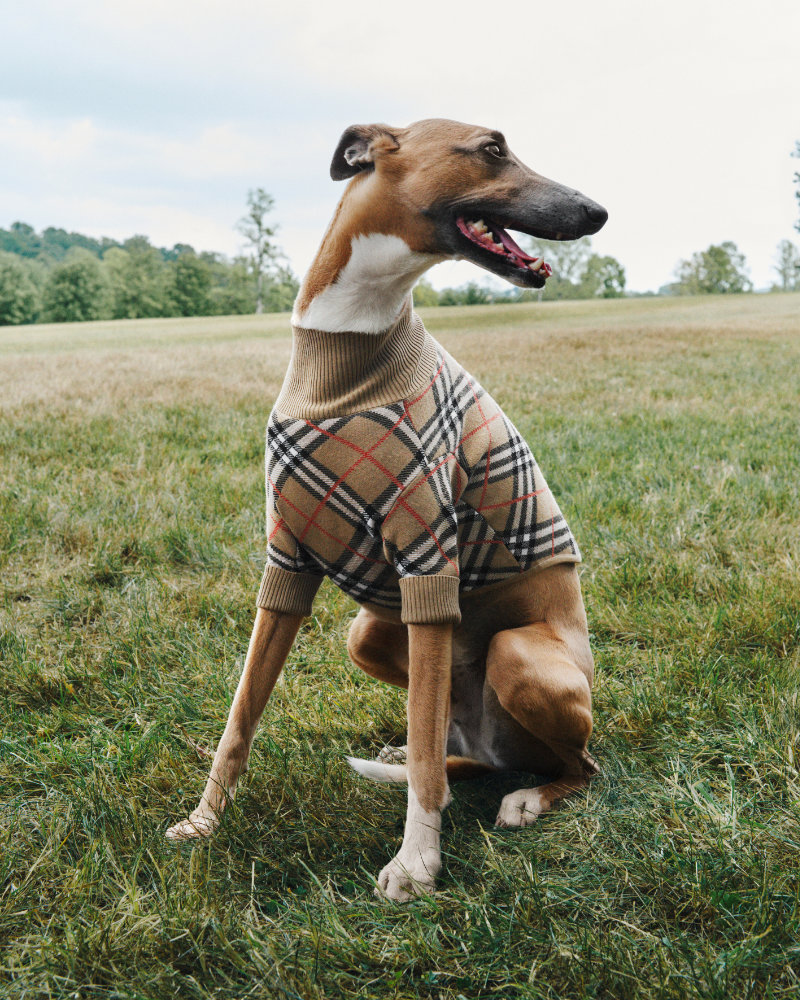
Simultaneously, the partnership between Burberry and Smythson underscores a pivot toward tangible, heritage-based luxury. Their joint collection of leather-bound notebooks and games represents a deliberate departure from the ephemeral nature of digital assets, returning to the tactile intimacy of physical craft. This commitment to longevity is further mirrored in Burberry’s current push to center cashmere at the heart of their Autumn/Winter wardrobe, reasserting the brand’s British heritage through natural, high-quality textiles.
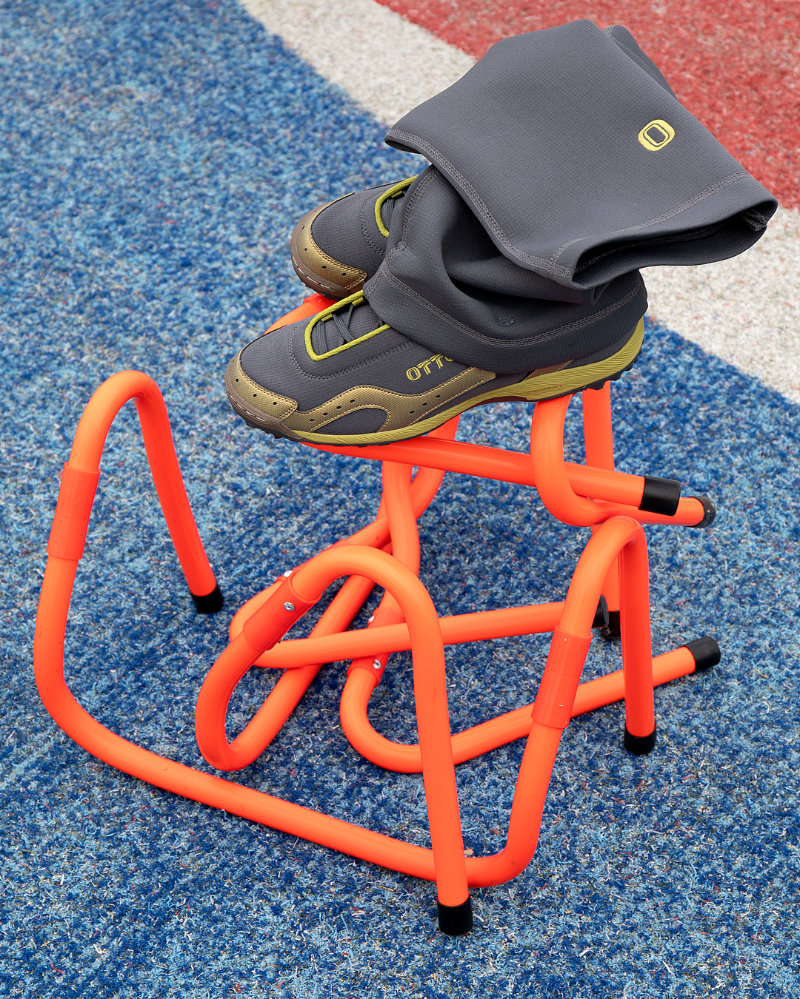
Similarly, the collaboration between ASICS and OTTO 958 on the GEL-BELARRAOTTO continues to blur the boundaries between sportswear and conceptual footwear. By utilizing archival ASICS references and applying the rigorous construction techniques of performance footwear, the partners have created an object that functions as both a tool and a statement piece.
Cultural Intersections: Art, Music, and Design
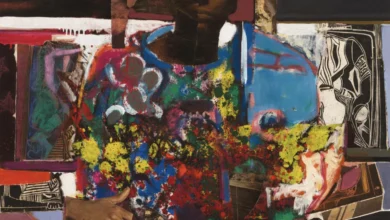
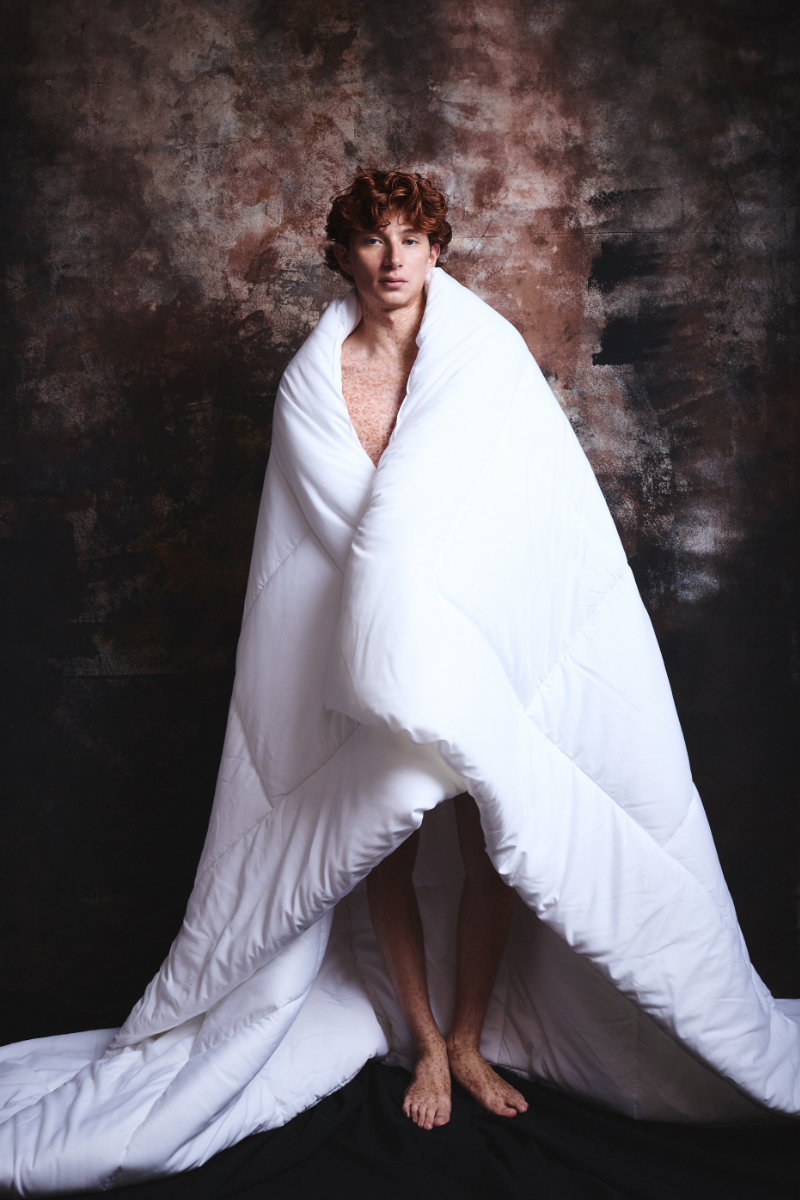
The dialogue between fashion and the broader arts has never been more fluid. At the Acne Paper Palais Royal, Nifemi Marcus-Bello’s "A Measure of the Moon" has emerged as a landmark exhibition. Exploring the themes of material identity and cultural memory, the installation provides a critical context for the objects displayed, forcing a reassessment of how we assign value to the items that populate our daily lives.
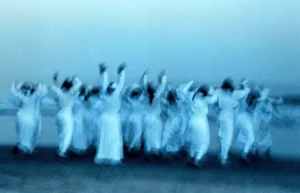
This thematic exploration of memory and sound is also present in the Guggenheim Bilbao’s presentation of Steve McQueen’s "66–76–26." The installation, which strips the iconic tracks "Wild Is the Wind" (performed by Nina Simone and David Bowie) down to their bare vocal components, serves as a meditation on the persistence of sound and the fragility of historical narratives.

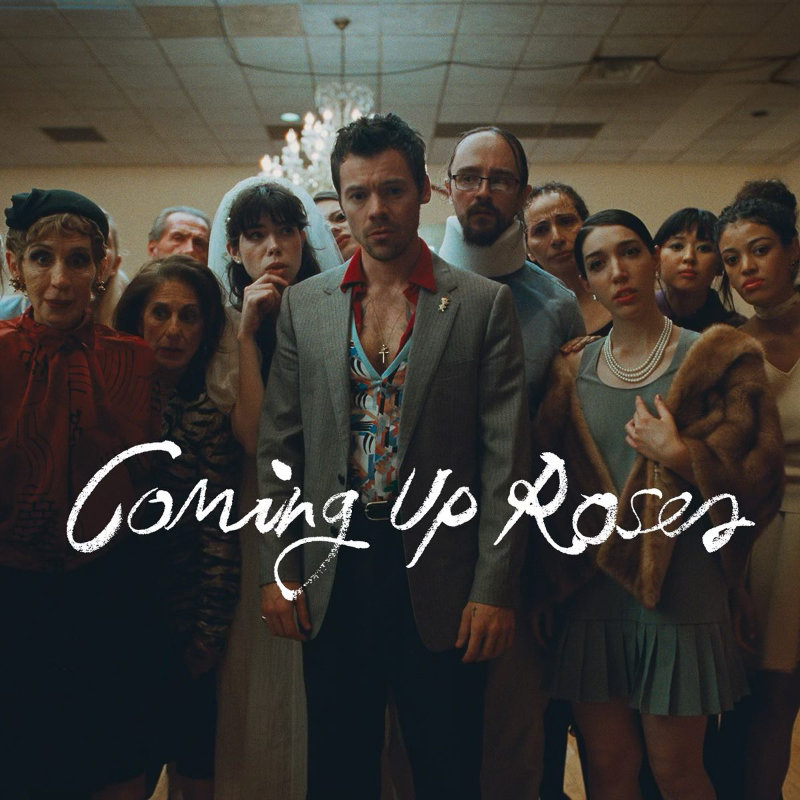
In the realm of music, Harry Styles’ release of "Coming Up Roses" from his fourth studio album, KISS ALL THE TIME. DISCO, OCCASIONALLY., indicates a continued evolution in the artist’s visual and auditory brand. The accompanying music video further aligns his public persona with the high-concept visual standards currently being set by fashion houses, illustrating the growing necessity for multi-disciplinary output in the modern entertainment industry.
Professional Recognition and Institutional Support
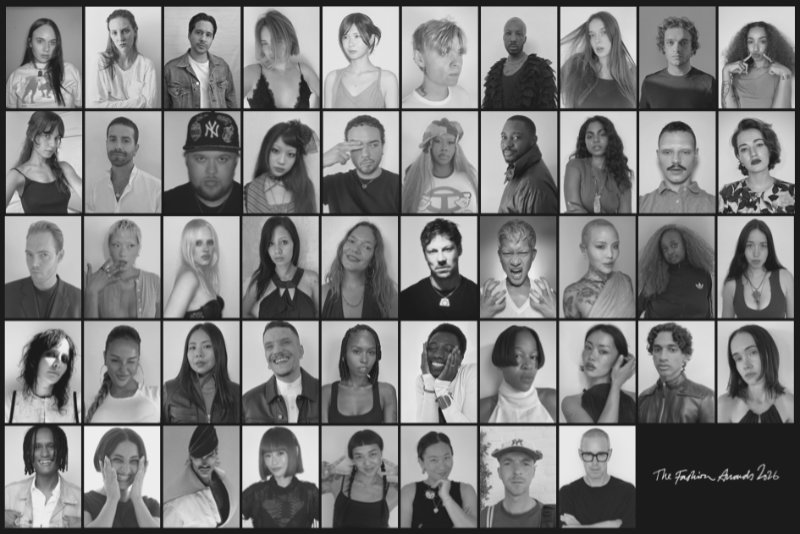
Institutional recognition remains a primary driver of industry growth. The British Fashion Council’s unveiling of the 2026 "NEW WAVE" creatives highlights the importance of the individuals who operate behind the scenes—the photographers, casting directors, and stylists who determine how fashion is perceived globally. Recognizing these roles as essential rather than peripheral is a necessary step in the industry’s maturation.
Furthermore, the 41st Hyères Festival served as a significant platform for emerging talent, with Xueling Chen securing the inaugural Pull&Bear Fashion Photography Prize. Such accolades are critical for maintaining the pipeline of fresh talent into a global market that is increasingly saturated with legacy brands.
Strategic Shifts in Sport and Global Commerce
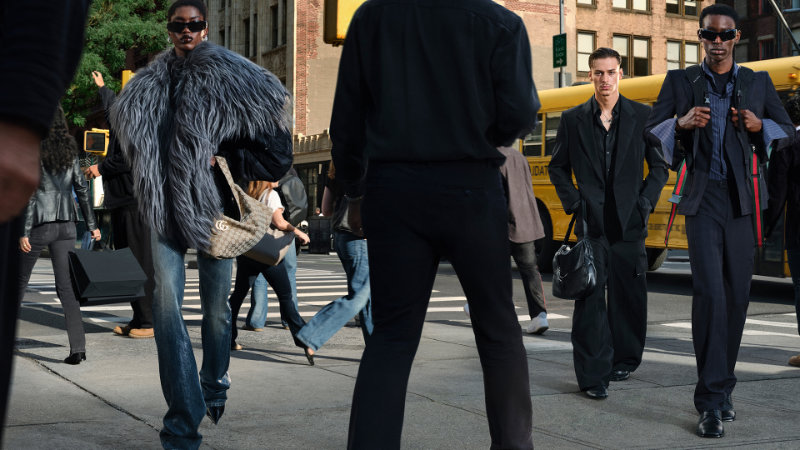
The integration of fashion into high-level sports culture continues to accelerate, most notably with AMIRI’s second season as the official formalwear partner for FC Barcelona. By dressing the squad and leadership in tailored attire that incorporates the club’s iconic stripes, AMIRI is effectively leveraging the immense reach of professional football to normalize high-end tailoring among a global, non-fashion-centric audience.
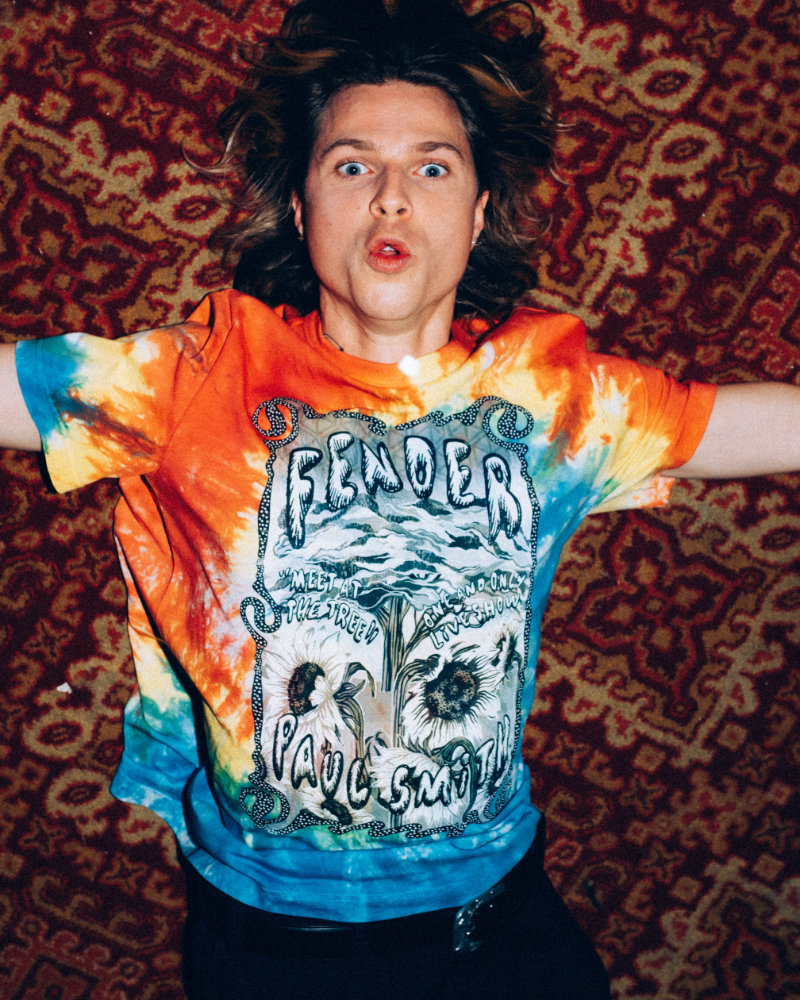
This commercial agility is also seen in the collaboration between Patta and Carhartt WIP. The "Hartt and Soul" Fall 2026 collection serves as a testament to the endurance of workwear aesthetics in streetwear. By building on over a decade of shared history, the two brands have solidified their market position by emphasizing loyalty, consistency, and a deep understanding of their core consumer base.
Emerging Trends: The "Newstalgia" Factor
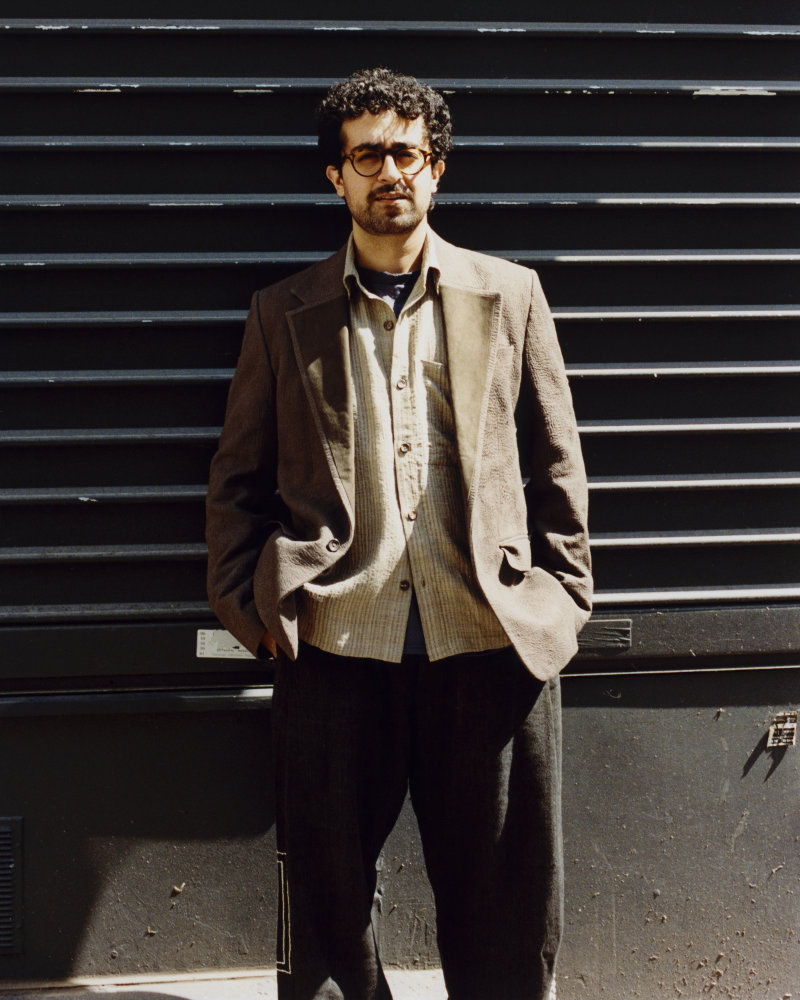
The concept of "Newstalgia"—the blending of nostalgic elements with futuristic or innovative design—has become a dominant theme for the FW26 season. This is perfectly encapsulated in the JUUN.J "NEWSTALGIA" campaign, fronted by global ambassador Ahn Hyo-seop. The campaign effectively bridges the gap between traditional tailoring and modern, oversized silhouettes, appealing to a demographic that values both historical comfort and current-day relevance.
In the art world, the return of Paris Internationale for its 12th edition reinforces Paris’s role as the nexus of contemporary art discourse. The exhibition serves as a barometer for what is considered "cool" or relevant in the art market, providing a platform for emerging artists to reach international collectors and institutional curators.

Culinary Culture and Spatial Design
The intersection of fashion and lifestyle extends into the hospitality sector, particularly during major events like Art Basel Paris. The curation of dining experiences—such as the guide to tables like Bar Nomo and Le Poisson Volant—is now an essential component of the cultural circuit. These spaces are no longer just places of sustenance; they are extensions of the exhibition experience, where art and design inform the physical environment of the meal.

Similarly, the "SEGONA RESIDÈNCIA" project by HEREU, which features the personal collection of designer Oscar Tusquets, demonstrates the power of personal narrative in design. By presenting Roman artifacts alongside the iconic Gaulino chair, the project invites the public to view design not as a series of isolated products, but as a continuous lineage of creative expression.

Conclusion and Broader Implications
The collective developments of the Fall 2026 season indicate a shift toward a more introspective and collaborative creative industry. Brands are prioritizing long-term partnerships, archival exploration, and a deeper engagement with the arts to maintain relevance in an era of rapid information consumption.

The implications for the industry are clear: sustainability, archival intelligence, and cross-disciplinary collaboration are no longer optional "add-ons" but are central to the operational viability of any creative entity. As these diverse sectors—ranging from high-performance athletic footwear to conceptual art exhibitions—continue to converge, the traditional boundaries of fashion will likely continue to dissolve, giving way to a more integrated, culture-first approach to global business. Whether through the preservation of craftsmanship or the digital distribution of music, the current creative output is a testament to an industry that remains remarkably adept at reinventing itself while honoring the historical foundations upon which it is built.