Brugnoli, The Lycra Company and Pissei Unveil Breakthrough 89 Percent Bio-Based Cycling Fabric Through PaceSetter Project

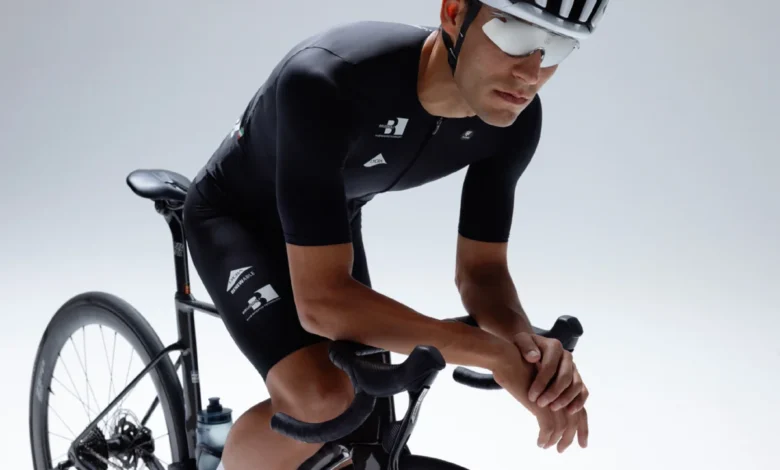
The global textile industry is currently undergoing a structural transformation as manufacturers seek to decouple performance apparel from its historical reliance on fossil-fuel-derived synthetics. On October 28, 2026, a significant milestone in this transition was announced in Busto Arsizio, Italy, where fabric manufacturer Brugnoli, in partnership with The Lycra Company and cycling apparel specialist Pissei, unveiled the results of the PaceSetter project. This collaborative effort has successfully produced a high-performance cycling kit featuring a fabric composition that is 89% bio-based, marking a potential turning point for premium sportswear sustainability.
The Technical Foundation of Br4/E1
At the heart of this innovation is the new Br4/E1 material, a textile engineered to bridge the gap between ecological responsibility and the rigorous demands of professional cycling. The fabric utilizes a sophisticated blend of two primary sustainable components: EVO bio-based polyamide, manufactured by the Italian firm Fulgar, and the newly launched Renewable Lycra fiber from The Lycra Company.
The EVO polyamide is derived from renewable sources, specifically castor beans and corn, which are converted into high-performance polymers. Complementing this is the Renewable Lycra elastane, which incorporates 70% bio-derived content sourced from industrial corn. When woven into the Br4/E1 fabric, these fibers provide the elasticity, compression, and durability expected in professional-grade kits while drastically lowering the carbon footprint of the raw materials involved.
According to preliminary lifecycle data provided by Brugnoli, the integration of these bio-based raw materials results in a reduction of up to 45% in climate change impact compared to traditional, petroleum-based nylon and elastane alternatives. This measurement specifically targets the material production phase, setting a new benchmark for sustainable procurement in the high-performance textile sector.
Evolution of the Br4 Technology
The development of Br4/E1 is the latest iteration of Brugnoli’s proprietary Br4 technology, a platform first introduced to the market over a decade ago. Initially conceived as a response to the environmental footprint of textile dyeing and finishing, the Br4 platform integrates specialized processes that reduce water and energy consumption by approximately 20% compared to conventional manufacturing standards.

By layering the new bio-based fiber technology onto this existing foundation of low-impact processing, Brugnoli has managed to retain the "Explosive Technology" characteristics of its previous textiles. These include high-compression capabilities for muscle support, enhanced moisture management, and superior odor control—essential features for athletes competing at the World Tour level. Furthermore, the incorporation of the Renewable Lycra fiber serves as a bio-based upgrade to the well-established Lycra Xtra Life standard, ensuring that the fabric maintains its shape retention and resistance to degradation despite repeated exposure to sweat, UV rays, and chlorinated water.
Chronology of the PaceSetter Initiative
The trajectory of the PaceSetter project reflects a broader trend of supply chain integration within the European textile industry. The timeline of this innovation highlights the collaborative nature of modern material science:
- Pre-2016: Brugnoli establishes the foundation for its Br4 technology, focusing on reducing the environmental impact of dyeing and finishing processes.
- 2023–2025: Research and development phase for the Renewable Lycra fiber, as The Lycra Company accelerates efforts to source bio-derived feedstock from non-food-competing industrial corn.
- Early 2026: Initial prototyping of the Br4/E1 fabric occurs, with Brugnoli testing the structural integrity of the bio-based blend against conventional high-performance standards.
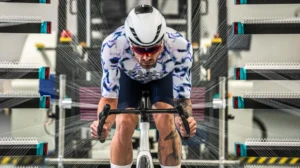
- Mid-2026: Pissei joins the initiative to translate the material research into functional garments, specifically testing the fabrics in real-world cycling conditions.
- October 13-14, 2026: The PaceSetter concept makes its debut at the Performance Days trade fair in Munich.
- October 27-28, 2026: The project is showcased at the Functional Fabric Fair in Portland, Oregon, signifying its global market readiness.
Perspectives from the Industry Partners
The collaboration has been framed by the involved parties as an essential step toward proving that sustainability and high performance are no longer mutually exclusive. Massimiliano Denna, CEO of Brugnoli, emphasized that the project is the culmination of a decade-long internal mandate. "For more than ten years, we have worked to live up to our claim of zero compromises between environment and performance," Denna stated. He noted that achieving an 89% bio-based content level in a fabric that satisfies the compression and comfort requirements of professional cyclists would have been considered impossible only a few years ago.
The role of The Lycra Company was highlighted by Ettore Manfrotto, senior strategic account manager for brand and retail. Manfrotto pointed out that the industry is shifting toward a model where raw material suppliers must work in deeper synchronicity with fabric mills. "Brugnoli has consistently shown this spirit, turning new raw materials into fabrics capable of inspiring the most demanding brands," Manfrotto remarked, adding that this partnership serves as a blueprint for future supply chain integrations.
For Pissei, the challenge was to ensure that the material advancements provided a tangible benefit to the end user. CEO Filippo Quagli noted, "Innovation means turning materials research into a concrete advantage for every cyclist. With Br4/E1 and the new renewable Lycra fibre, we can combine compression, comfort, and freedom of movement with a more conscious choice of raw materials."
Market Implications and Future Outlook
The introduction of the PaceSetter project arrives at a critical juncture for the sportswear market. Regulatory pressure, particularly within the European Union regarding textile circularity and the "Green Claims Directive," is compelling brands to seek verifiable alternatives to fossil-fuel-derived synthetics. By utilizing feedstocks such as castor beans and industrial corn, these companies are effectively hedging against future carbon taxes and potential restrictions on virgin plastic use.

However, the implications extend beyond regulatory compliance. The "premium performance" segment of the apparel industry has historically struggled to integrate sustainable materials because of the stringent mechanical requirements of the garments. Compression wear, in particular, requires a specific modulus of elasticity that bio-based polymers have often struggled to match. The success of the Br4/E1 fabric suggests that advancements in molecular engineering are closing this performance gap.
Industry analysts observe that while the cost of these bio-based materials currently remains higher than that of traditional synthetic fibers, the economies of scale are expected to improve as more manufacturers adopt bio-derived feedstocks. The PaceSetter project serves as a "proof-of-concept" that could influence procurement strategies for major sports apparel brands, potentially signaling a shift away from oil-based polymers in the high-end cycling and activewear markets over the next five to ten years.
Broader Impact on the Textile Supply Chain
The PaceSetter collaboration underscores a fundamental change in how textile innovations are brought to market. Historically, the supply chain was segmented: fiber producers, spinners, weavers, and garment manufacturers operated in silos. The integration of The Lycra Company (the fiber producer), Brugnoli (the fabric manufacturer), and Pissei (the apparel brand) demonstrates a "co-innovation" model that allows for faster iteration and tighter quality control.
As the industry moves toward 2030, the ability to trace the origin of raw materials and report accurately on the percentage of bio-based content will become a competitive advantage. With the PaceSetter project now entering the public domain at global trade fairs like the Functional Fabric Fair, the pressure on competitors to disclose similar data and pursue comparable material advancements is likely to intensify.
In conclusion, the PaceSetter project is more than a technical achievement in fabric construction; it is a strategic alignment of industry leaders aimed at redefining the standards for "conscious" apparel. By demonstrating that professional-grade cycling equipment can be manufactured with a majority bio-based composition, Brugnoli, The Lycra Company, and Pissei have set a high bar for the rest of the industry, proving that the future of high-performance sportswear is increasingly being woven from the ground up, rather than extracted from the earth.