Chancellor John Healey Unveils Autumn Budget Measures to Revitalize British High Streets Amid Economic Uncertainty

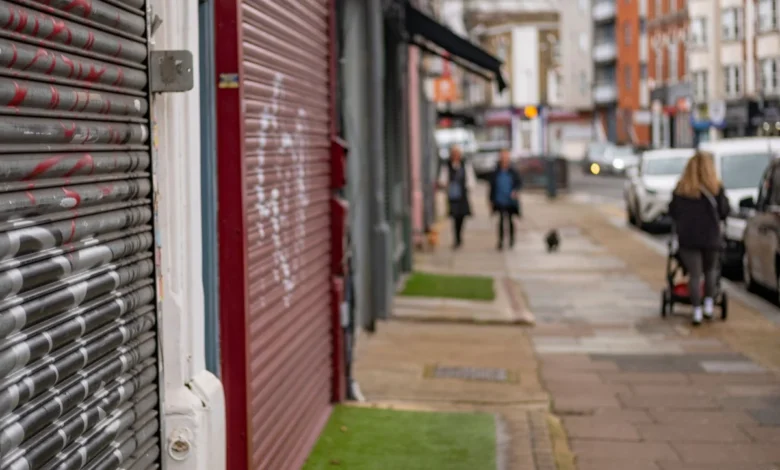
In a decisive move aimed at stabilizing the nation’s beleaguered retail sector, Chancellor of the Exchequer John Healey has introduced a comprehensive package of fiscal reforms as part of the Autumn Budget. The centerpiece of this strategy is a significant expansion of the Small Business Rate Relief (SBRR) scheme, which is intended to alleviate the mounting financial burden on independent retailers, leisure outlets, and hospitality venues. By raising the threshold for SBRR from £12,000 to £18,000, the Treasury estimates that approximately 70,000 businesses will be removed from the business rates register entirely, offering a vital lifeline to those struggling against the dual pressures of shifting consumer habits and inflationary headwinds.
To offset the revenue shortfall created by this tax relief, the Chancellor has outlined a series of revenue-raising measures. These include an increase in the duty on high-stakes gambling machines, with the rate climbing from 20% to 25%, and a more stringent approach to tax compliance for online marketplace sellers. By closing loopholes that have historically allowed some digital retailers to circumvent Value Added Tax (VAT), the government aims to create a more equitable competitive environment between traditional high-street businesses and their online counterparts.
A Chronology of Retail Policy and Economic Pressure
The state of Britain’s high streets has been a primary concern for policymakers for over a decade. Since the 2008 financial crisis, the retail landscape has undergone a seismic shift characterized by the rise of e-commerce, the decline of anchor department stores, and the post-pandemic reconfiguration of urban centers.
In 2021, the government launched the "Build Back Better" initiative, which included a review of the business rates system—a tax often criticized for its punitive nature toward brick-and-mortar stores. Despite various temporary relief measures implemented during the COVID-19 pandemic, the fundamental structural issues remained. By early 2024, persistent inflation and the cost-of-living crisis pushed many small retailers to the brink of insolvency. The latest budget announcement follows months of intense lobbying from industry bodies, such as the British Retail Consortium (BRC) and the Federation of Small Businesses (FSB), who have consistently highlighted the disparity between physical shop costs and digital overheads.
Analyzing the Small Business Rate Relief Expansion
The decision to lift the SBRR threshold to £18,000 is being viewed as a significant policy pivot. Historically, business rates—calculated based on the rental value of a property—have been viewed as a fixed cost that does not fluctuate with a business’s actual revenue. For a small café or boutique, a poor month of sales does not result in lower business rates, often leading to cash flow crises.
Warren Abbey, CEO of 365 Finance, described the move as a "big win for the private sector," suggesting that for many, the relief could mean the difference between remaining solvent and closing their doors. Similarly, Jacyn Heavens, CEO of Epos Now, lauded the policy as "welcome news for the independent shops, cafés, pubs and leisure businesses that give our high streets their heart."
However, the efficacy of this policy depends heavily on implementation. Heavens noted that the speed at which local authorities process these changes is critical. There is a tangible risk of bureaucratic delay, where businesses that are technically eligible for relief continue to pay rates while waiting for their local council to update their status. The burden of administrative compliance falls on the business owner, who must ensure their rateable value aligns with the new £18,000 limit.
The Looming Shadow of Rising Employment Costs
While the SBRR expansion offers a reduction in overheads, analysts are tempering expectations by pointing to concurrent fiscal pressures. The Chancellor’s decision to increase the National Living Wage by 3.9% represents a substantial rise in operating costs for labor-intensive industries like hospitality and retail.
Lucy Mangan, Partner and head of tax services at Menzies LLP, expressed concern that these two policies may essentially cancel each other out. "With another minimum wage rise on the way, any breathing room on business rates risks knocking the wind straight back out of the businesses it is meant to help," Mangan stated. For small businesses operating on thin margins, the ability to absorb a 3.9% increase in payroll is limited. When businesses cannot pass these costs onto consumers—who are already grappling with their own stagnant real earnings—the most likely outcome is a reduction in staffing hours or, in more extreme cases, a freeze on hiring and potential redundancies.
Furthermore, the decision to maintain the National Insurance threshold at £5,000 until 2031 creates a cumulative effect. As wages rise to keep pace with inflation, more of an employee’s salary falls within the taxable bracket for employers, increasing the total cost of employment. This "fiscal drag" is a significant concern for small enterprises that do not have the economies of scale enjoyed by large retail chains.
The "Single Store" Limitation and Structural Disparity
A notable limitation of the current SBRR expansion is its restriction to single-property businesses. Retailers who operate a small chain of two or three stores remain ineligible for the full extent of the relief. Critics argue that this creates an arbitrary barrier to growth. A business that is successful enough to expand to a second location is effectively penalized with a higher tax burden, creating a "growth trap" where owners may choose to remain small rather than risk the increased costs of multiple premises.
Mangan emphasized that the business rates system remains a relic of a different era. "Business rates were built for a different era of trading, and the system still needs urgent reform to be fair to bricks-and-mortar businesses," she noted. Without a move toward a more modern, turnover-based or site-neutral tax model, many fear that the current relief is merely a temporary bandage on a long-term structural failure.
Economic Forecasts: The Inflationary Reality
The macroeconomic backdrop for this budget is characterized by low growth and high sensitivity to inflation. The Office for Budget Responsibility (OBR) has projected that economic growth will stagnate at roughly 1% in the coming year. More concerning for the average consumer and business owner is the OBR’s forecast that there will be no real earnings growth in the near term.
The phenomenon of "wage-push inflation" remains a core concern for the Bank of England and the Treasury. If businesses raise prices to cover the increased minimum wage and the cost of national insurance, inflation may remain sticky, potentially forcing the central bank to maintain higher interest rates for longer. This would increase the cost of borrowing for businesses looking to invest in their growth or survive a lean period.
Implications for the Future of the High Street
The Chancellor is currently walking a fiscal tightrope. On one side, there is the undeniable need to support local economies that have been hollowed out by the shift to online shopping. On the other, the government is constrained by the need to maintain tax revenue and manage the national deficit.
The move to target online marketplace sellers for VAT compliance is a positive step toward leveling the playing field. For years, domestic retailers have complained that overseas sellers, often operating through digital platforms, could offer lower prices because they were not subject to the same tax requirements. By tightening these regulations, the Treasury is attempting to address a major point of contention within the retail sector.
However, as the dust settles on the Autumn Budget, the consensus remains cautious. The relief provided by the SBRR threshold change is undoubtedly helpful for the smallest enterprises, but it does not address the broader systemic challenges of business taxation in the digital age. The retail sector is currently in a state of transition, and while the Budget provides some immediate relief, the long-term vitality of the high street will likely depend on more fundamental structural reforms, continued digital transformation, and a stabilization of the broader economic environment.
For the independent shop owner, the coming months will be a period of intense financial monitoring. They must balance the savings from reduced business rates against the rising costs of labor and the reality of a consumer base that remains cautious with discretionary spending. Whether the Chancellor’s measures will be sufficient to spark a genuine revival of the British high street, or whether they will prove to be a marginal adjustment in a landscape of continuing decline, remains to be seen. The coming year will be a definitive test of the government’s strategy to balance fiscal discipline with the urgent need to support the beating heart of local communities.