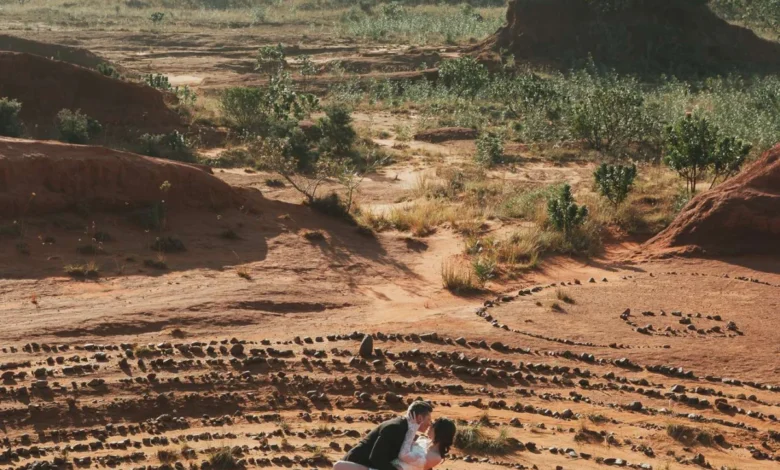
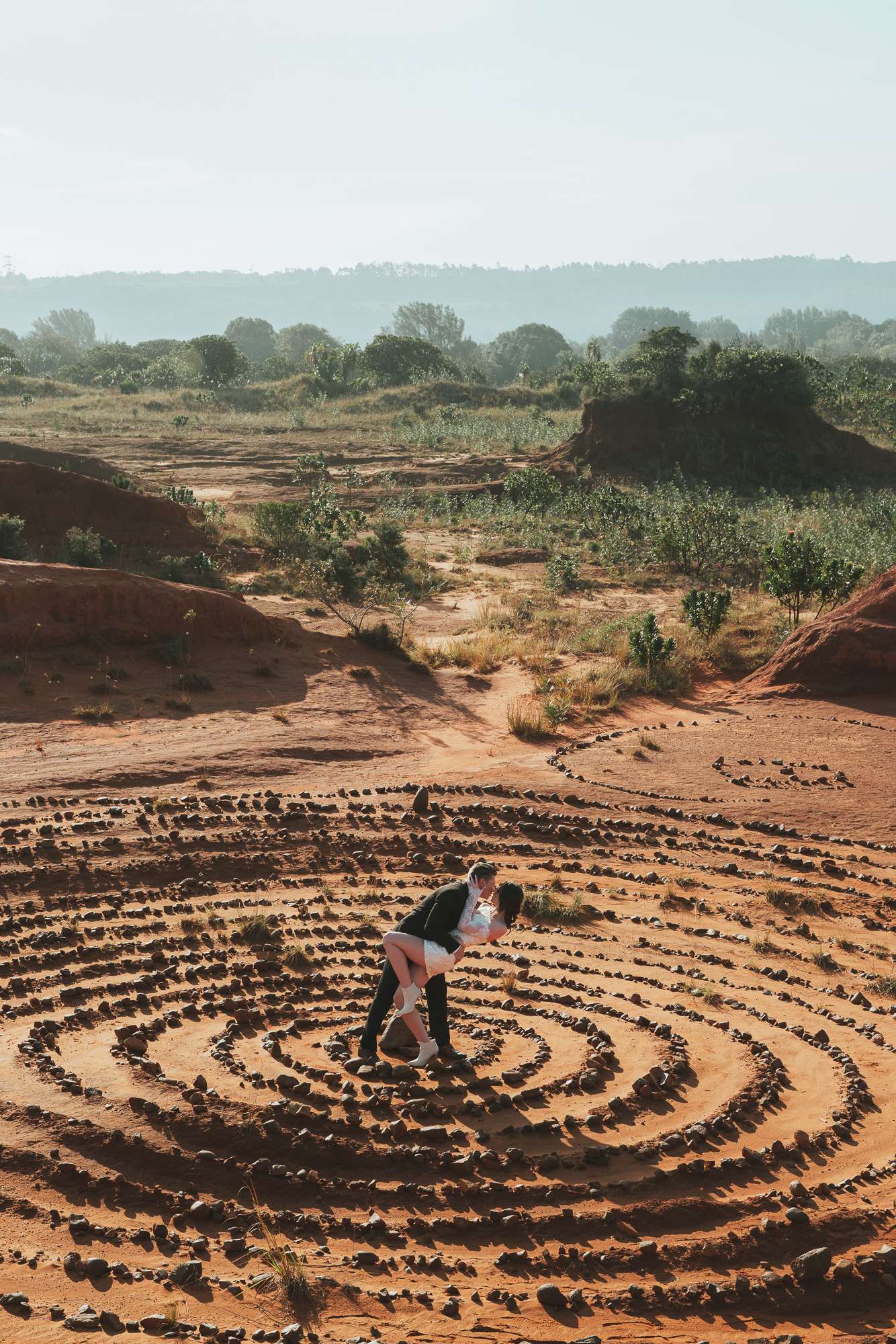
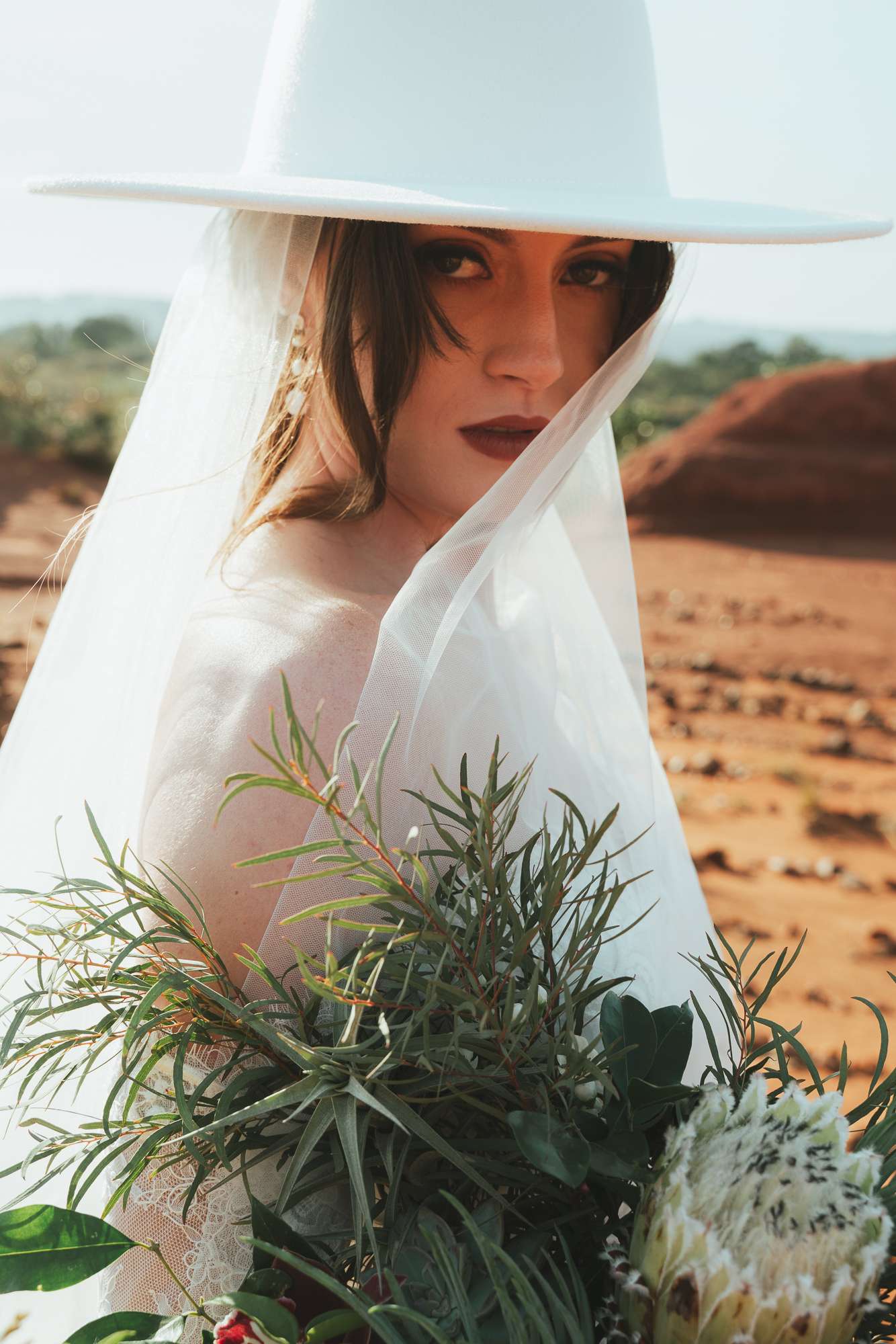
On the rugged, sun-drenched coastline of South Africa’s KwaZulu-Natal province lies a geological anomaly known as the Red Desert. Often cited as the "world’s smallest desert," this 200-hectare expanse of crimson sand and dramatic rock formations recently served as the stage for a unique nuptial experiment titled Desert Vogue. Spearheaded by Jacqui of The Marriage Meander Company, this project sought to challenge contemporary wedding conventions by blending high-fashion editorial aesthetics with the raw, unfiltered emotional vulnerability of a real-life elopement.
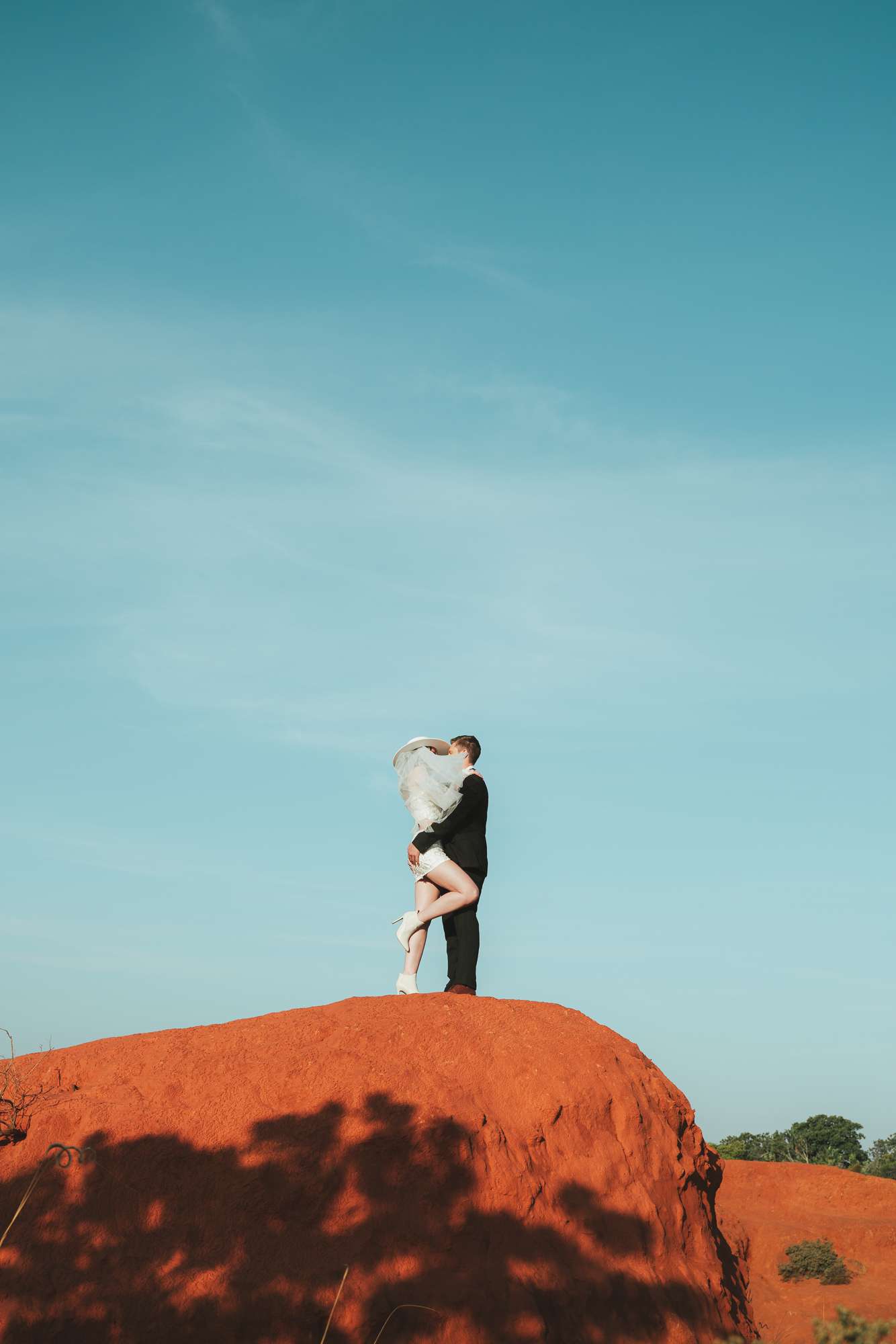
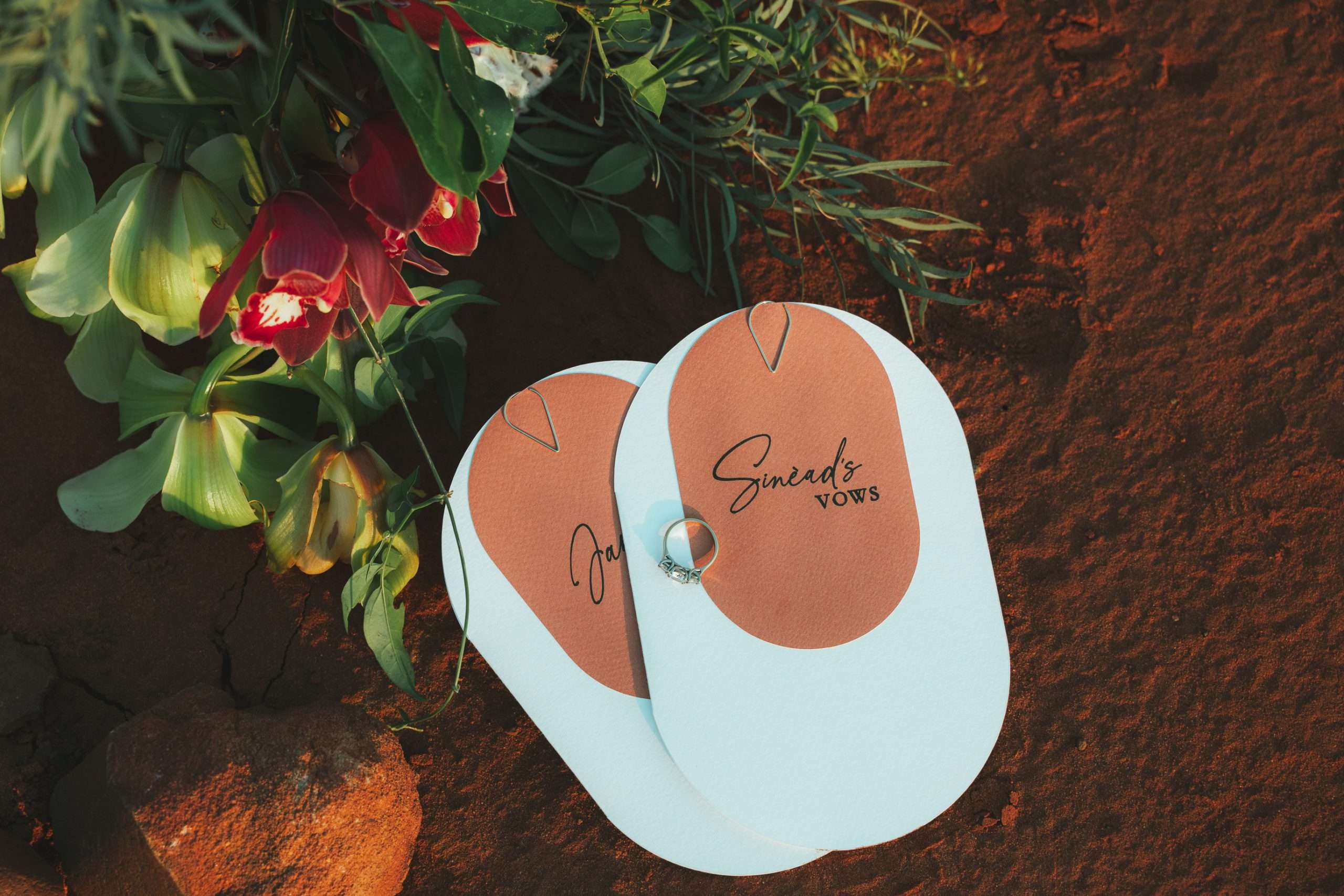
The event, which prioritized authentic human connection over traditional ceremony pageantry, featured a couple whose vows remained undisclosed to one another until the moment they were articulated within the desert landscape. While the visual and logistical framework—including wardrobe styling and site selection—was meticulously curated by a team of professional wedding vendors, the core narrative of the day was entirely dictated by the couple’s personal history and their commitment to one another.
A Study in Minimalist Landscapes and Maximalist Emotion
The Red Desert, situated near Port Edward, is a site of significant interest, characterized by its stark, wind-sculpted red dunes and sparse vegetation. In the context of the wedding industry, such unconventional locations are gaining traction as couples increasingly opt for "destination elopements" that favor environmental isolation over the traditional ballroom or church setting.
For the Desert Vogue project, the landscape was not merely a backdrop but a central participant in the narrative. The choice of location reflects a broader shift in the wedding sector toward "experience-based" ceremonies. According to recent industry data, micro-weddings and elopements—defined as events with fewer than 20 guests—have seen a sustained rise in popularity post-2020. This trend is driven by a desire for intimacy, cost-effectiveness, and the ability to personalize every element of the celebration without the social pressures inherent in larger gatherings.
Chronology of the Desert Vogue Project
The development of the shoot followed a structured timeline designed to ensure that the spontaneity of the couple’s reactions remained untarnished.

- Preliminary Consultations: Months before the event, the planning team identified the Red Desert as the ideal location to showcase a departure from standard South African wedding photography aesthetics.
- Narrative Development: Sarah of Something True Weddings conducted in-depth interviews with the couple. These sessions were designed to extract the "heart" of their relationship—key memories, shared challenges, and long-term aspirations—which would later serve as the foundation for their vows.
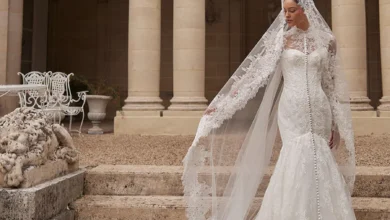
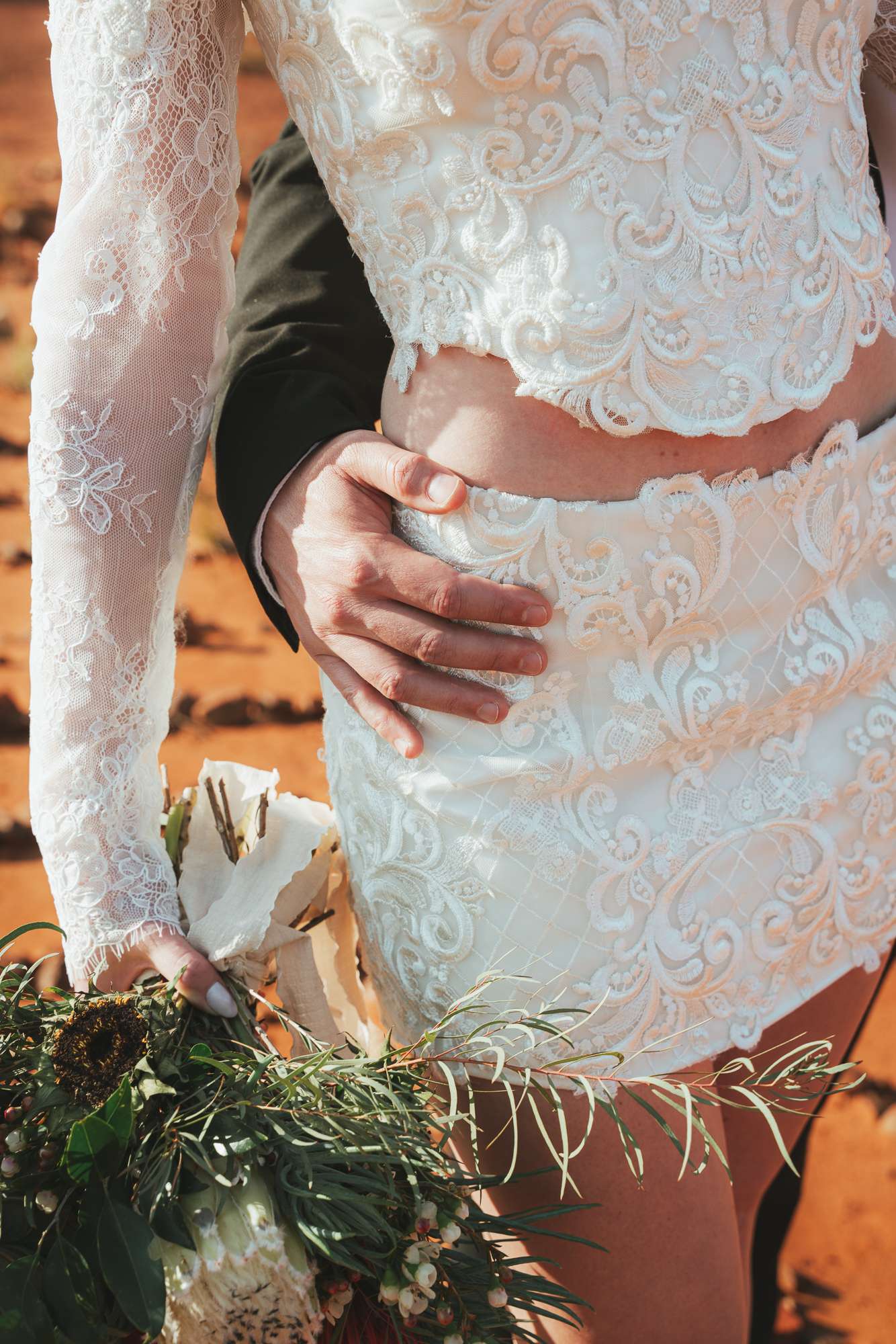
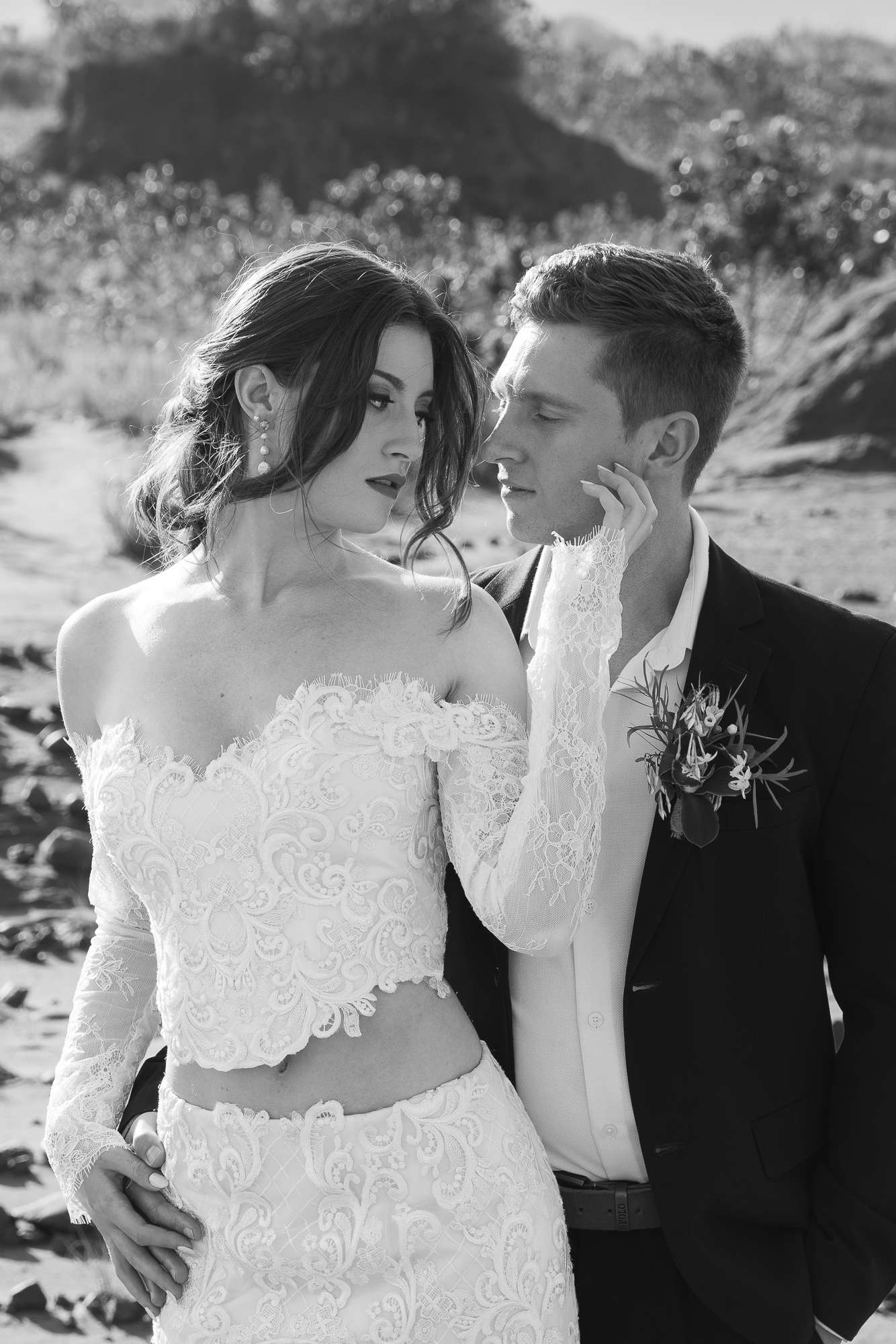
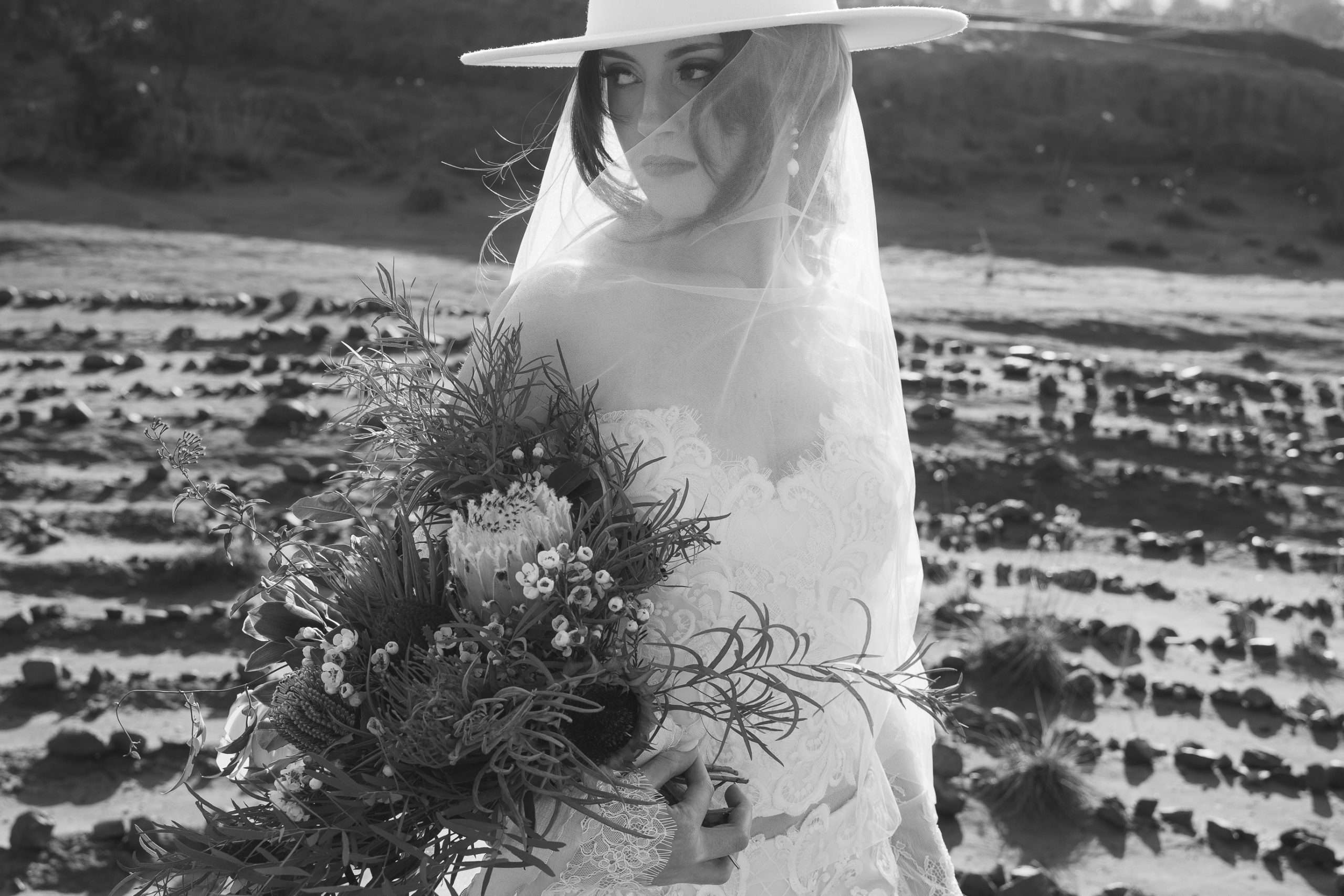
- Wardrobe Deconstruction: A key feature of the project involved the physical reimagining of a traditional wedding gown. A designer was commissioned to deconstruct a full-length, classic dress, repurposing the silk and lace into a modern two-piece ensemble consisting of a cropped bodice and a mini skirt, paired with detachable sleeves. This process was intended to demonstrate that sustainable, "upcycled" fashion is a viable and stylish alternative to purchasing new attire.
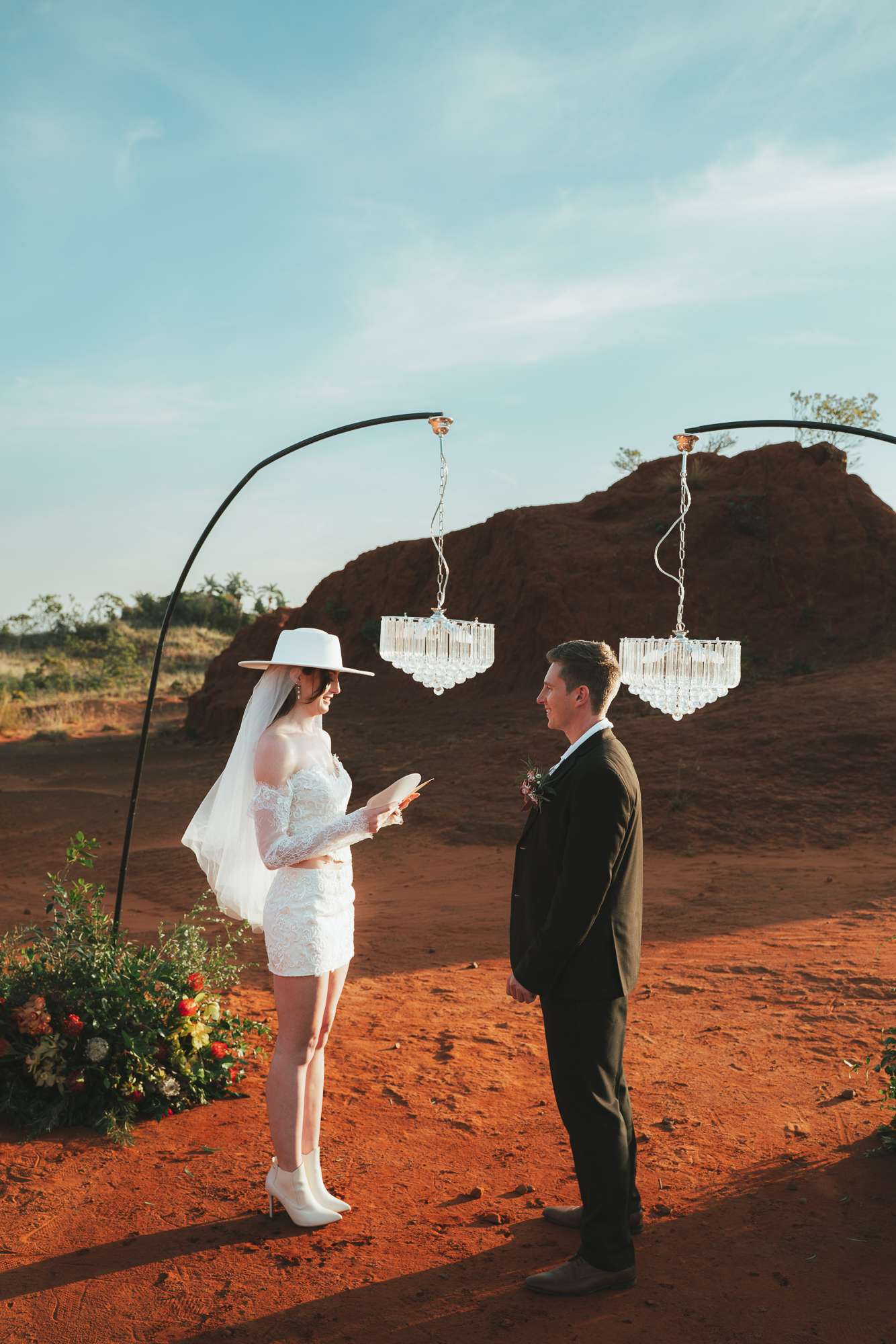
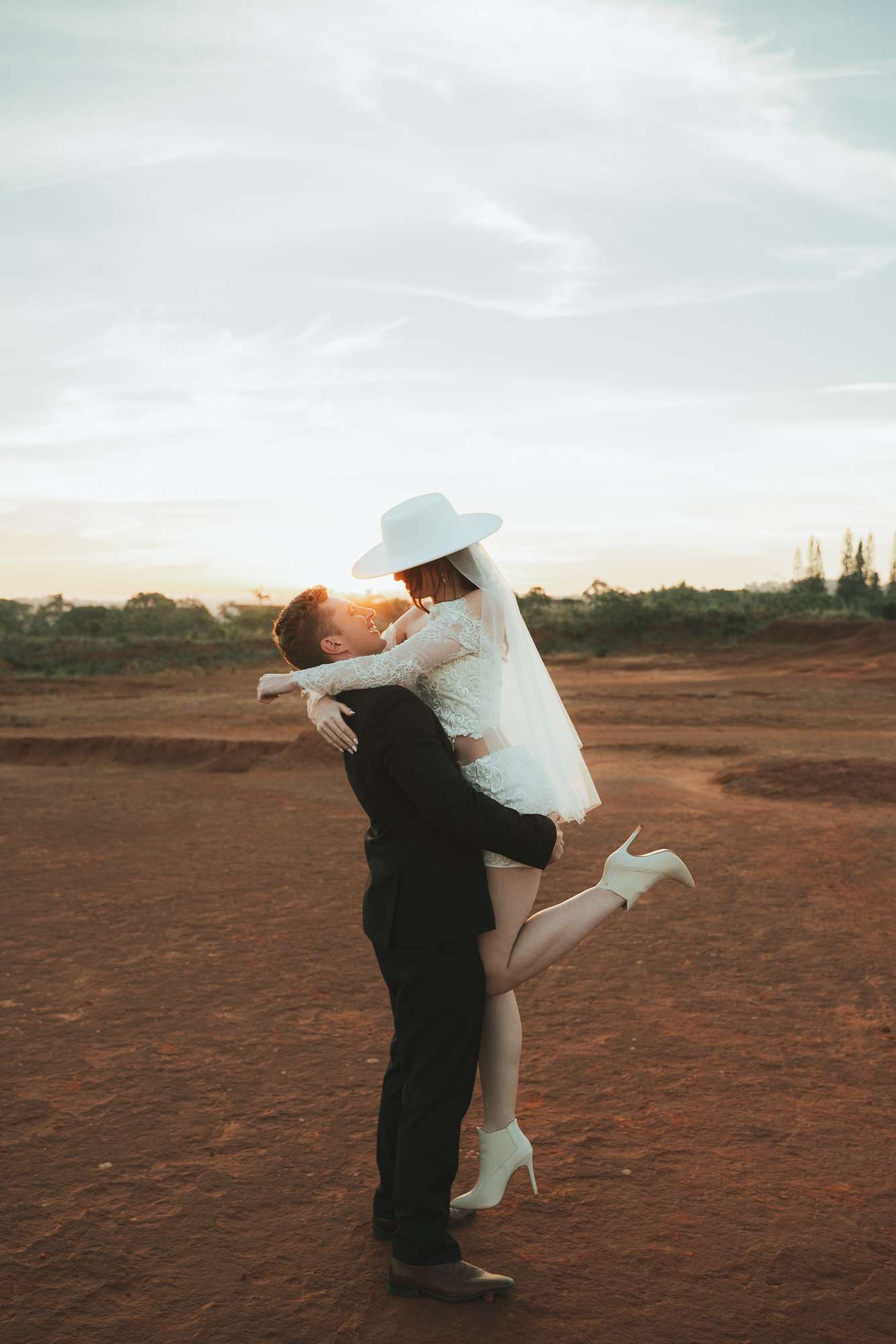
- The Ceremony: On the day of the shoot, the couple arrived at the site with no prior knowledge of the other’s prepared vows. The exchange was captured in real-time, focusing on the genuine emotional response of the participants as they navigated the landscape.
Sustainable Fashion and the "Upcycling" Movement
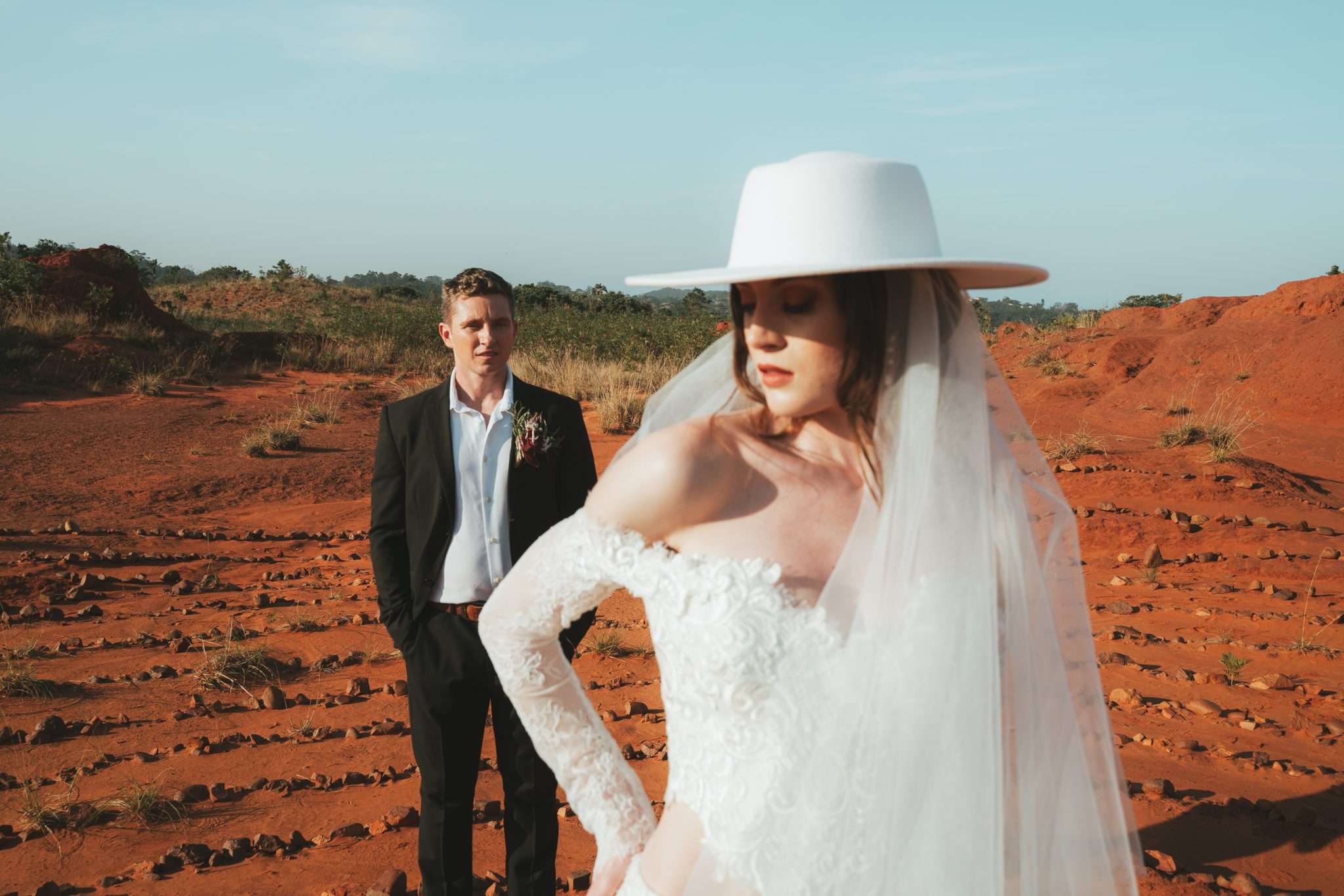
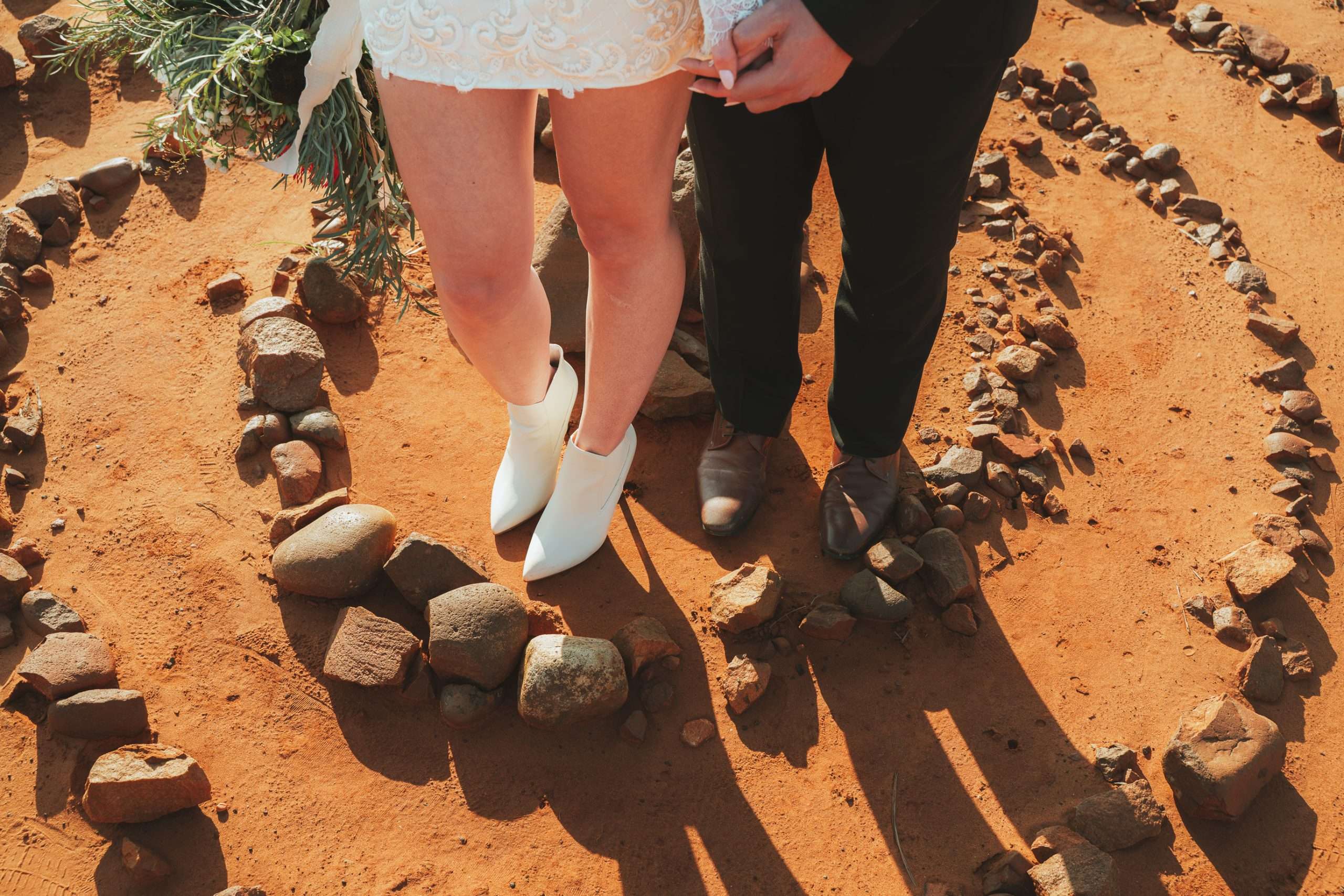
The bride’s attire, featuring a wide-brimmed hat and tactical ankle boots, underscored a shift toward utilitarian bridal fashion. By cutting down a traditional, inherited gown, the team provided a blueprint for how families can preserve the sentimental value of heirlooms while updating them for a modern aesthetic.
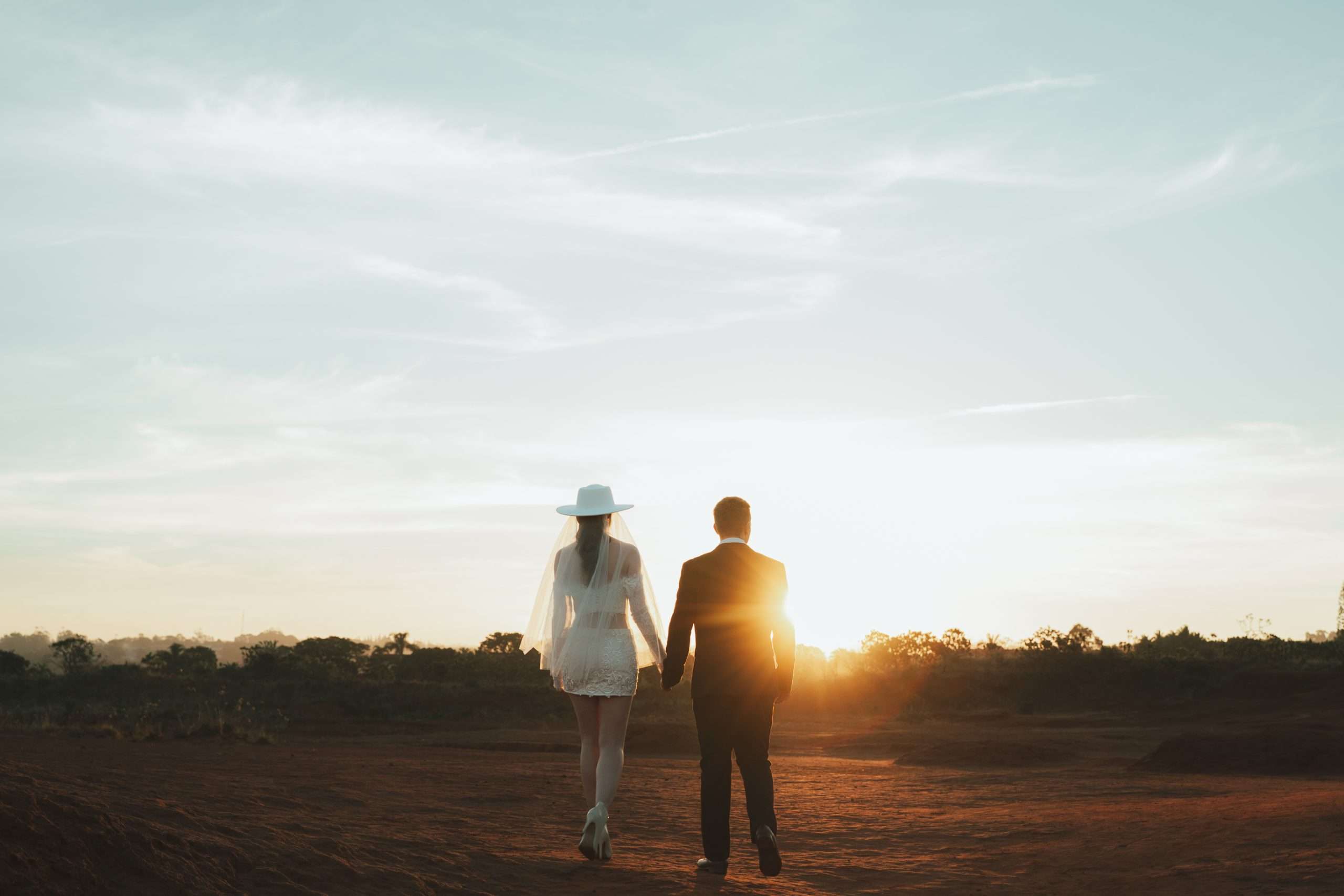
The environmental implications of this approach are noteworthy. The fashion industry, including the bridal segment, is under increasing pressure to address its carbon footprint. A typical wedding dress is worn once and often stored indefinitely. By repurposing existing fabrics, the Desert Vogue project highlights a growing movement within the luxury sector to embrace circularity. "This was about breathing new life into existing ideas," noted Jacqui, reflecting on the philosophy behind the wardrobe choice.
The Role of Technology and Human Authenticity
A central theme of the Desert Vogue project was its explicit rejection of artificial influence. In an era where AI-generated imagery and algorithmic planning tools are becoming standard in the event industry, the organizers emphasized that the emotional weight of this ceremony was entirely human-generated.
"We wanted to show that small doesn’t mean boring," said the project lead, Jacqui. "In a world increasingly filled with AI, there is a profound need for experiences that feel genuinely human. The words spoken in that desert were not synthesized; they were lived."
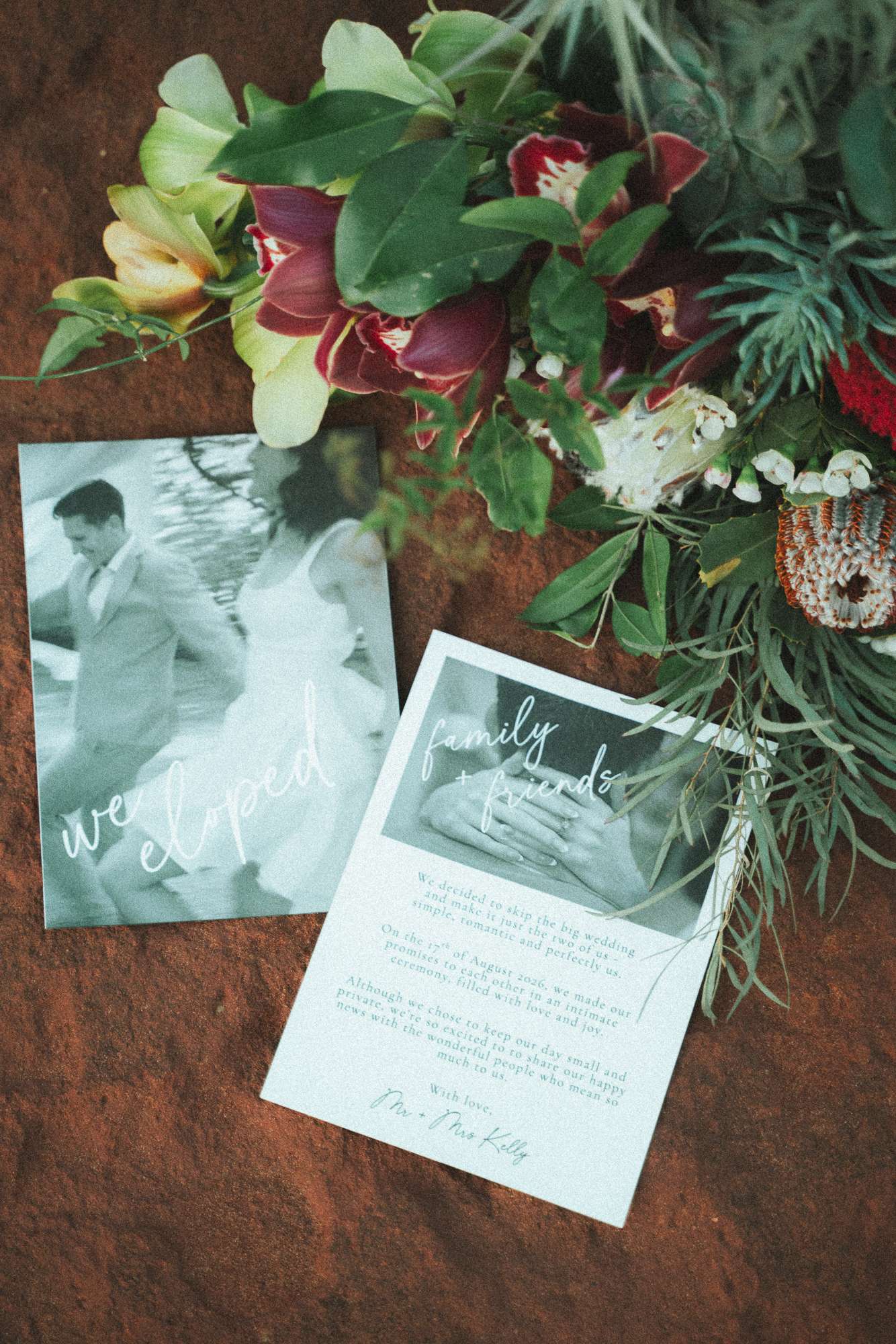
This focus on authenticity is a direct response to the "perfection trap" often perpetuated by social media platforms like Pinterest and Instagram. By showcasing a real couple with real emotions, the organizers sought to provide a counter-narrative that encourages couples to prioritize personal meaning over aesthetic perfection.
Broader Implications for the Wedding Industry
The success of the Desert Vogue project serves as a case study for the evolving expectations of modern couples. The traditional "white wedding" model is being challenged by a demographic that values mobility, sustainability, and personal narrative.
- Economic Shift: The wedding industry is seeing a transition of capital from large-scale venue rentals and catering toward specialized vendors, such as elopement planners and documentary-style photographers who can capture intimate moments in remote locations.
- Geographic Exploration: The selection of the Red Desert underscores the potential for rural areas to become significant players in the wedding tourism economy. Local authorities and environmental groups are increasingly navigating the balance between allowing access for such events and preserving the fragile ecosystems of these sites.
- Psychological Benefits: The "secret vow" model, where partners do not hear each other’s words until the ceremony, is being praised by relationship therapists as a way to enhance the significance of the union. It removes the performative aspect of the wedding and forces a moment of genuine connection between the couple.
Official Reactions and Industry Perspective
While the event was a curated production, it has drawn attention from industry experts who monitor trends in global wedding tourism. Industry analysts observe that the project serves as a successful proof-of-concept for how small-scale operations can achieve high-impact marketing. By utilizing a "real" couple rather than professional models, the production team achieved a level of emotional resonance that is often difficult to manufacture.
"The industry is currently in a state of recalibration," says one wedding industry consultant. "Couples are no longer asking how to accommodate 200 guests; they are asking how to build a memory that is entirely their own. The Desert Vogue project is a sophisticated response to this question."
Future Outlook
As the wedding industry continues to move away from rigid, inherited traditions, projects like Desert Vogue are likely to become the new benchmark for editorial inspiration. By successfully combining the aesthetic elements of high-fashion with the grounded reality of an intimate commitment, the project provides a blueprint for future ceremonies.
The Red Desert, previously a niche interest for local travelers, may see an increase in interest as a result of such high-profile exposure. However, the lasting legacy of the project is not the location itself, but the reminder that a marriage is defined by the individuals within it, not by the scale of the gathering or the adherence to long-standing industry norms. The organizers hope that their project serves as a catalyst for other couples to feel empowered to "throw out the wedding rulebook" and design a celebration that is an honest reflection of their relationship.
In summary, the Desert Vogue elopement stands as a testament to the power of deliberate, thoughtful planning. By stripping away the extraneous layers of the traditional wedding—the large guest lists, the formal venues, and the scripted ceremonies—the organizers and the couple were able to create an environment where the focus remained entirely on the union itself. As the industry looks toward the next decade, this synthesis of high-end styling and raw, authentic emotion appears to be the defining trend for the modern, discerning couple.