The Ultimate Men’s Outerwear Capsule Wardrobe: The Only Four Coats You Need for Any Climate

The modern menswear landscape is saturated with an overwhelming array of choices, leaving the average consumer to navigate a seemingly endless marketplace of jackets, parkas, and overcoats. However, as contemporary lifestyle trends pivot firmly toward minimalism, financial mindfulness, and sustainable wardrobe curation, the foundational philosophy of menswear is undergoing a significant paradigm shift. Rather than subscribing to the perpetual cycle of fast-fashion consumption, style authorities increasingly advocate for a streamlined, highly functional approach: the outerwear capsule wardrobe.
By distilling a collection down to the absolute essentials, individuals can maximize both financial efficiency and sartorial versatility. Industry analysts and wardrobe consultants suggest that every man requires a precise framework of just four distinct coats to successfully cover all meteorological and social bases. This do-it-all selection eliminates redundancy, ensuring a seamless transition from sub-zero winter temperatures to torrential spring downpours, and from casual weekend strolls to formal boardrooms.
The Evolution of the Capsule Wardrobe in Modern Menswear
The concept of the capsule wardrobe—originally popularized in the 1970s by boutique owner Susie Faux and later codified by designer Donna Karan—was designed to combat decision fatigue and consumerism. While traditionally applied to internal layers such as trousers, shirts, and knitwear, the philosophy has only recently been rigorously applied to heavy outerwear. Historically, men accumulated coats haphazardly, purchasing items in response to sudden weather changes rather than through strategic planning.
Market research from retail intelligence firms indicates that overcoats and technical jackets represent a significant portion of consumer spending within the apparel sector. By rationalizing purchases into four core categories—the winter parka, the lightweight puffer, the classic overcoat, and the technical raincoat—consumers can drastically reduce their environmental footprint while maintaining a sophisticated aesthetic year-round. This strategic curation reflects a broader cultural movement toward conscious consumption, where quality, durability, and multi-season utility reign supreme.

The Heavyweight Contender: The Winter Parka
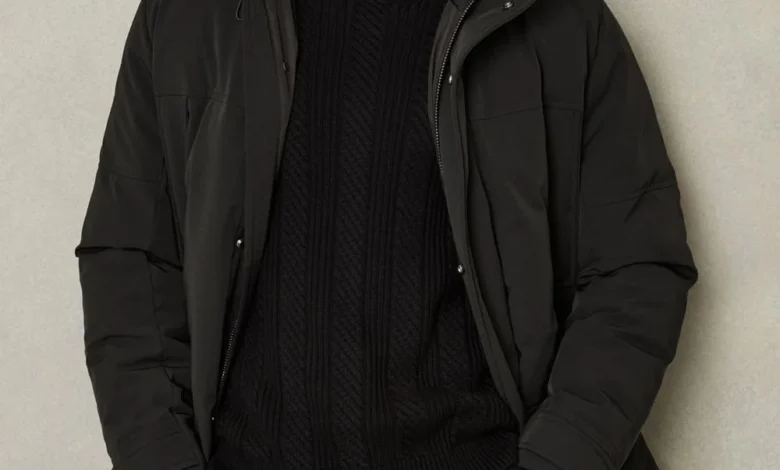
At the apex of cold-weather defense stands the winter parka, an indispensable garment engineered specifically to combat the harshest meteorological conditions. Characterized by its mid-thigh or knee-length cut, substantial insulation, integrated hood, and utilitarian pocket array, the parka is purposefully designed for temperatures dipping well below the freezing mark.
From a structural standpoint, material selection is paramount when investing in a winter parka. Experts universally recommend natural down over synthetic alternatives due to its peerless warmth-to-weight ratio. Down clusters trap body heat efficiently while maintaining a remarkably lightweight profile, preventing the wearer from feeling anchored down by excessive bulk. Furthermore, the exterior shell requires careful consideration; a water-repellent face fabric is vital for repelling sleet and light snow. However, industry insiders caution against fully impermeable technical membranes for heavy winter parkas, as trapped internal moisture from body heat can rapidly condense, leaving the wearer cold and damp.

Styling the parka for maximum versatility requires a restrained approach. Sourcing the garment in a neutral tone, such as matte black or deep navy, ensures seamless integration with a wide spectrum of outfits. Whether layered over a tailored suit during a morning commute or thrown casually atop a heavyweight hoodie and denim for weekend errands, the winter parka serves as the ultimate shield against the elements.
The Swiss Army Knife: The Lightweight Puffer
Bridging the gap between distinct seasons, the lightweight puffer jacket has emerged as arguably the most versatile piece in contemporary menswear. Utilizing high-fill-power down in a streamlined, low-profile silhouette, this garment offers exceptional thermal retention without the cumbersome volume associated with traditional winter coats.

The primary advantage of the lightweight puffer lies in its unmatched layering potential. Designed to be inherently packable and exceptionally portable, it functions effortlessly as a standalone piece during crisp autumn and spring afternoons, or as an invisible insulating layer beneath an overcoat or raincoat when winter tightens its grip. When evaluating lightweight puffers, consumers are advised to examine the fill power rating—a metric indicating the cubic inches occupied by a single ounce of down. A higher fill power signifies superior cluster quality, translating to superior warmth from a thinner garment. Additionally, opting for a hoodless variation significantly enhances its ability to slide seamlessly underneath other outerwear pieces without creating awkward bunching around the collar.
The Sartorial Anchor: The Overcoat
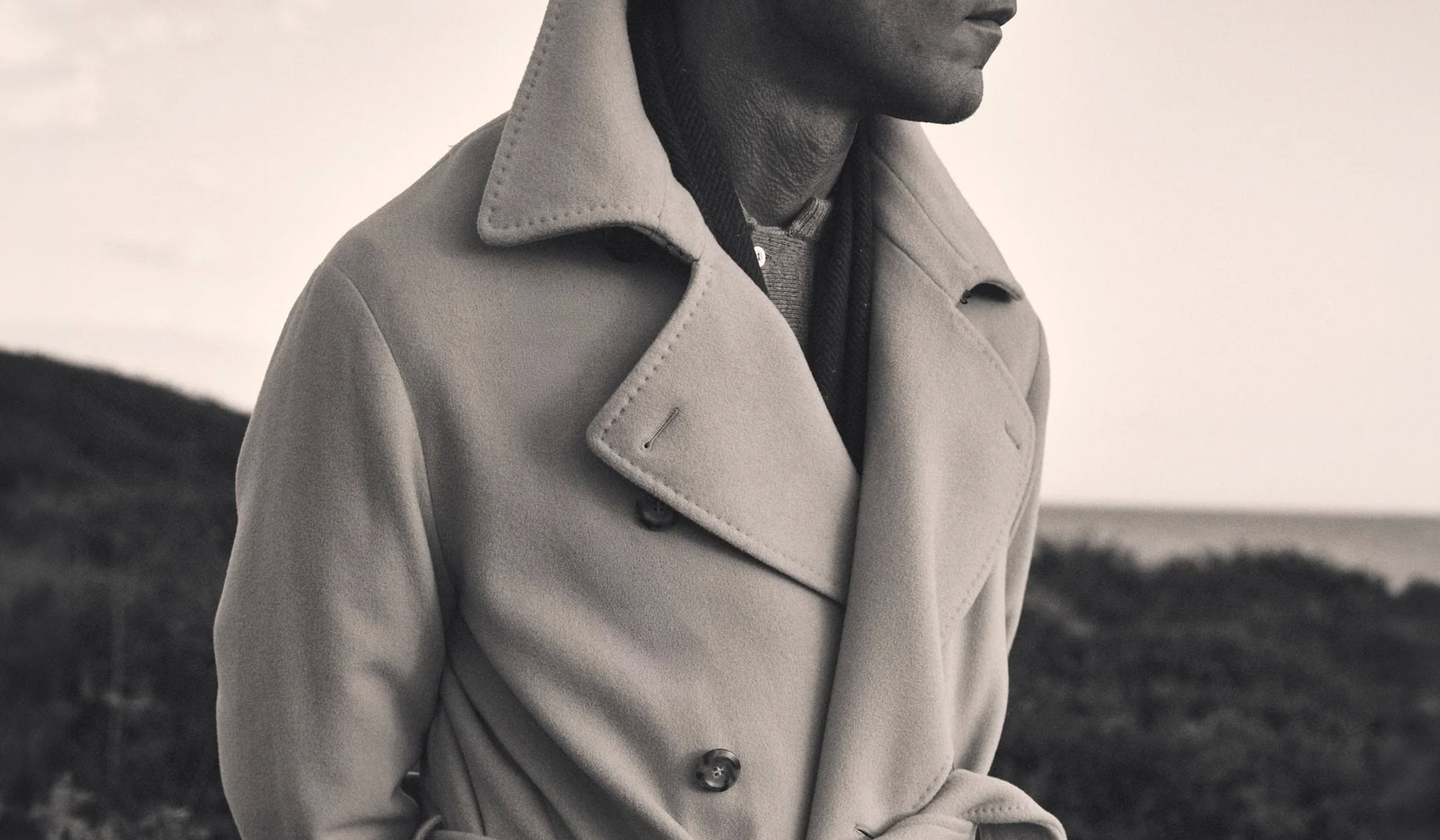
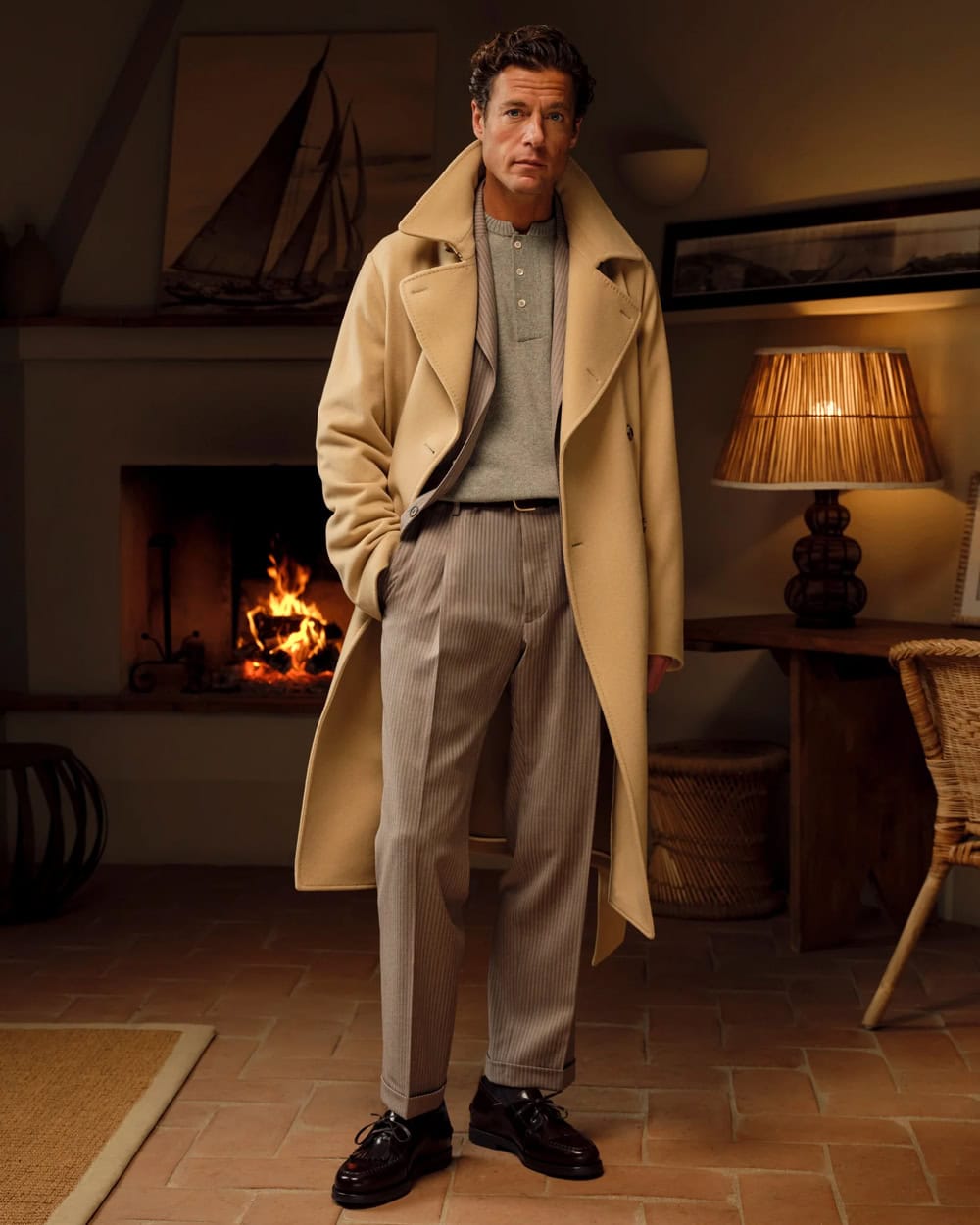
Few garments possess the transformative power of a well-tailored overcoat. Rooted in traditional British tailoring, the knee-length overcoat is deliberately engineered with a generous, roomy cut designed to drape effortlessly over a formal suit jacket. Yet, its sartorial magic lies in its ability to elevate casual attire instantly. Pairing an overcoat with casual essentials like sweatpants, hoodies, and sneakers transforms a lazy aesthetic into an intentional, high-low fashion statement.

When selecting an overcoat, style historians and menswear designers emphasize three core pillars: fabric composition, color palette, and silhouette structure. Wool remains the undisputed gold standard for fabric, offering exceptional durability, natural wind resistance, and a rich, tactile finish. For maximum chromatic adaptability, medium grey or charcoal is widely considered the most versatile choice, though a subtle Prince of Wales check can inject tasteful personality into a minimalist rotation. Structurally, modern styling favors a relaxed drape achieved through raglan sleeves—where the sleeve extends in one piece to the collar—and the complete omission of rigid shoulder padding, ensuring the coat transitions effortlessly between formal and informal environments.
The Meteorological Shield: The Raincoat
No comprehensive outerwear capsule is complete without dedicated protection against wet weather. While parkas and overcoats offer varying degrees of weather resistance, none are engineered to withstand continuous, heavy rainfall while keeping the wearer entirely dry. This necessitates the inclusion of a dedicated raincoat.
Modern raincoats generally occupy one of two distinct stylistic philosophies: technical performance or classic heritage. For consumers prioritizing outdoor utility during torrential downpours, technical shells constructed from advanced breathable membranes like Gore-Tex—offered by specialized outdoor outfitters—are the definitive choice. Conversely, individuals seeking a timeless, urbane aesthetic often gravitate toward traditional trench coats, mackintoshes, or balmacaans crafted by heritage brands. For those seeking a harmonious compromise, a growing segment of contemporary designers successfully merges high-performance waterproof textiles with classic, minimalist silhouettes, offering the best of both worlds.
Economic and Environmental Implications of the Outerwear Capsule
The adoption of a four-coat capsule wardrobe carries significant macroeconomic and environmental implications. According to environmental impact assessments within the textile industry, apparel manufacturing accounts for approximately 10% of global carbon emissions. By shifting consumer habits away from impulsive, trend-driven purchases toward durable, multi-purpose investment pieces, the overall demand for fast-fashion outerwear diminishes correspondingly.

Financial analysts note that while initial investments in premium down parkas, high-fill puffers, wool overcoats, and technical raincoats may require a higher upfront capital outlay, the long-term cost-per-wear ratio decreases substantially. When maintained correctly, these four foundational garments can easily endure for a decade or more, proving that minimalist curation is not only an aesthetic choice, but a financially prudent and ecologically responsible strategy for the modern consumer.