Bottega Veneta celebrates the turn of the year with its new campaign They Dance Too

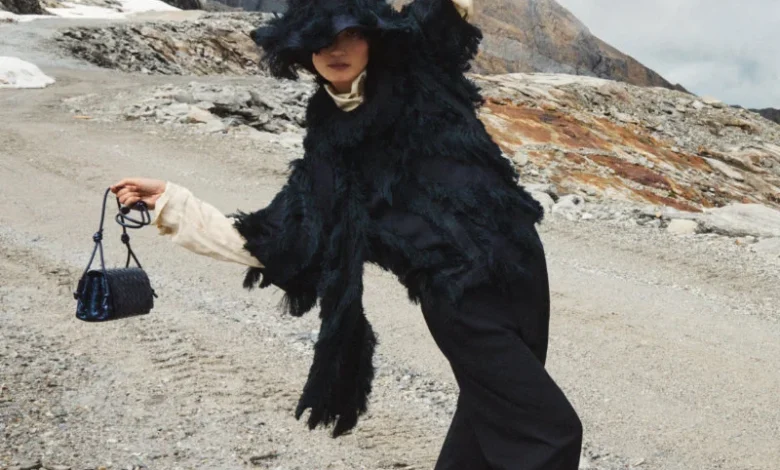
The transition between calendar years has long been a period of intense creative output for luxury fashion houses, serving as a critical touchpoint for both brand storytelling and end-of-year product placement. Bottega Veneta’s latest campaign, titled They Dance Too, marks a departure from traditional, static seasonal advertisements. Under the creative direction of Louise Trotter, the Italian heritage brand has synthesized cinematic homage, high-fashion accessory debuts, and a narrative of collective liberation to define the transition from 2026 to 2027.
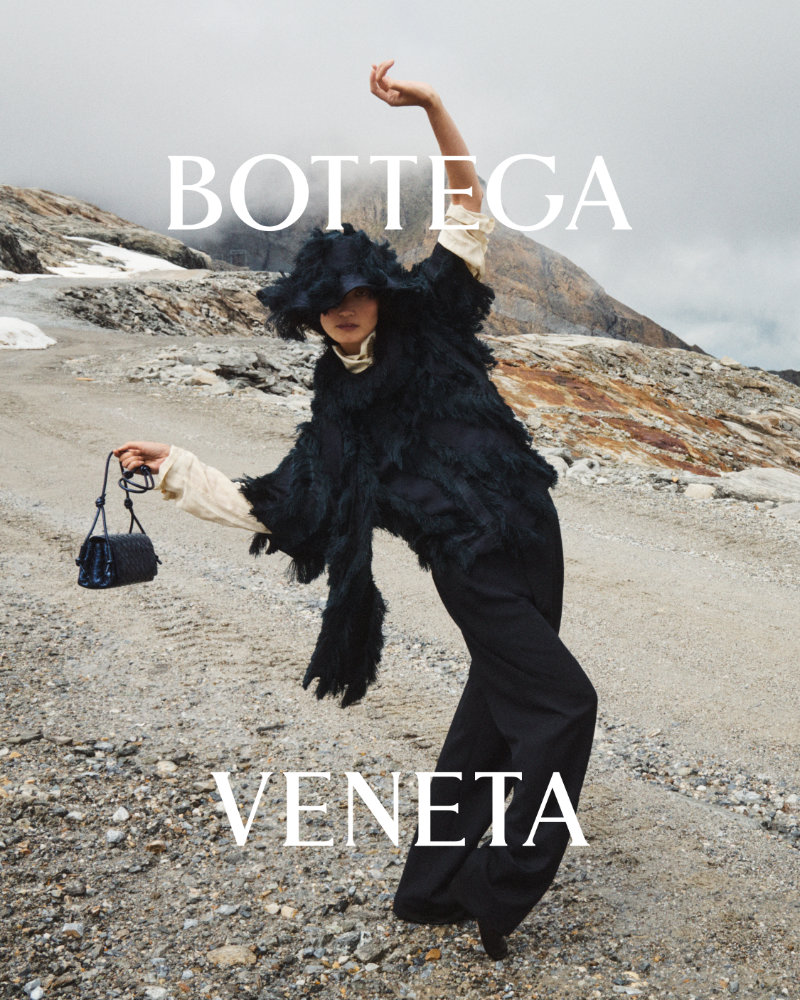
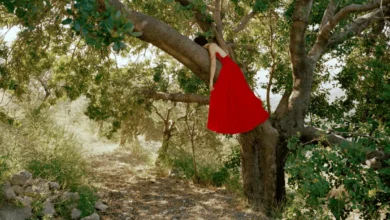
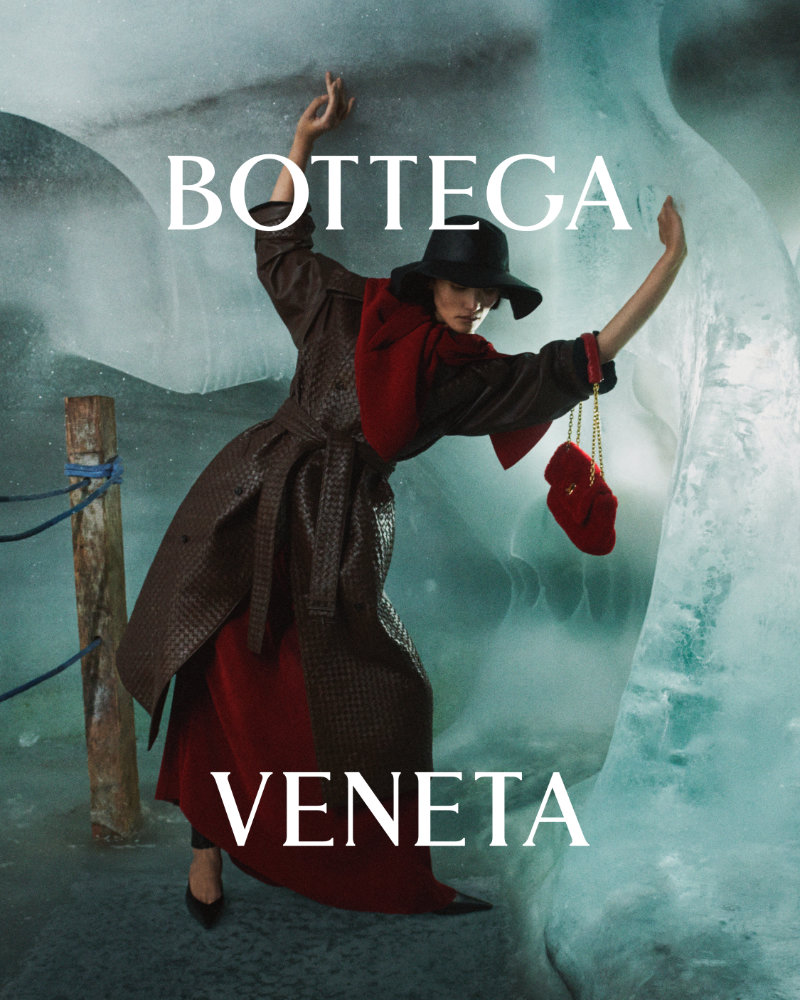
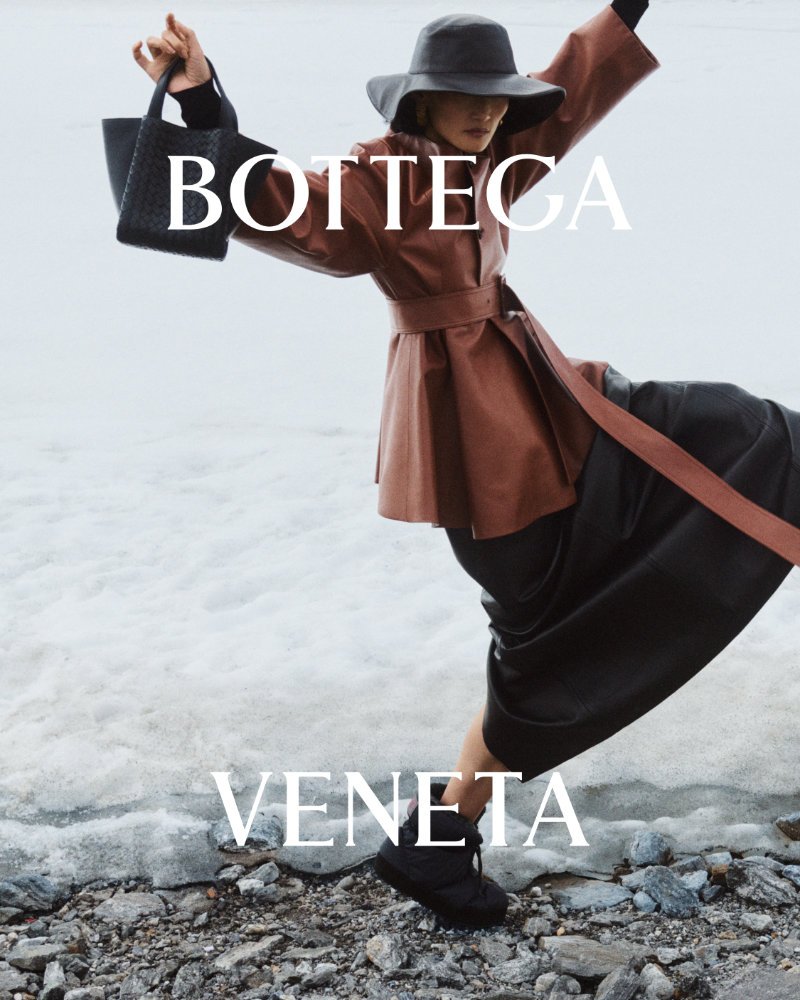
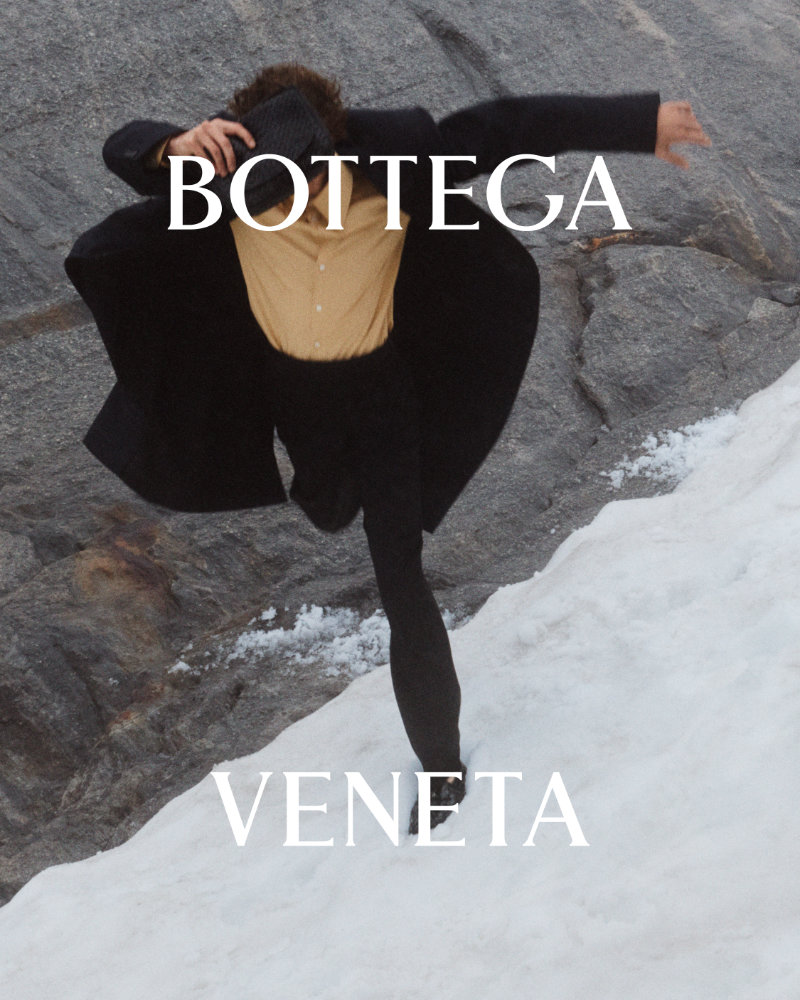
The campaign centers on a narrative of movement and spontaneous joy, set against the stark, atmospheric contrast of a secluded, mysterious nightclub nestled deep within an Alpine landscape. By juxtaposing the warmth and kinetic energy of an interior dance floor with the frozen, vast silence of the mountains, Bottega Veneta creates a visual tension that underscores the duality of the holiday season—a time defined by both introspection and communal celebration.
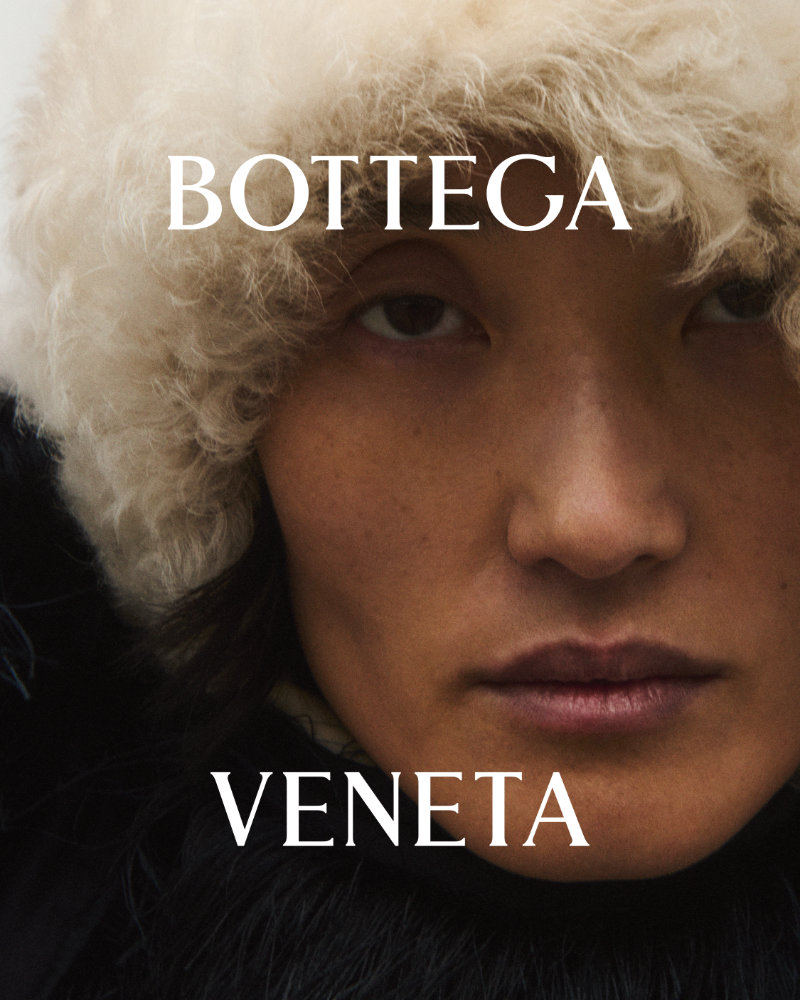
Cinematic Inspiration and Artistic Direction
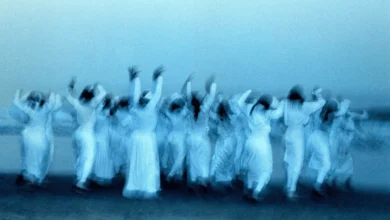
At the heart of the campaign is actress Julianne Moore, whose performance serves as the anchor for the film’s narrative arc. Moore’s movements, choreographed to the pulsating rhythm of the 1990s dance anthem "The Rhythm of the Night," evoke a distinct sense of catharsis. Industry analysts have noted that the film’s closing sequence bears a striking visual and thematic resemblance to the final scene of Claire Denis’s seminal 1999 film Beau Travail. In Denis’s work, dance is utilized as a profound medium for emotional release and the shedding of social constraints. By invoking this reference, Trotter and her creative team elevate the campaign from a mere product showcase to a commentary on human expression.
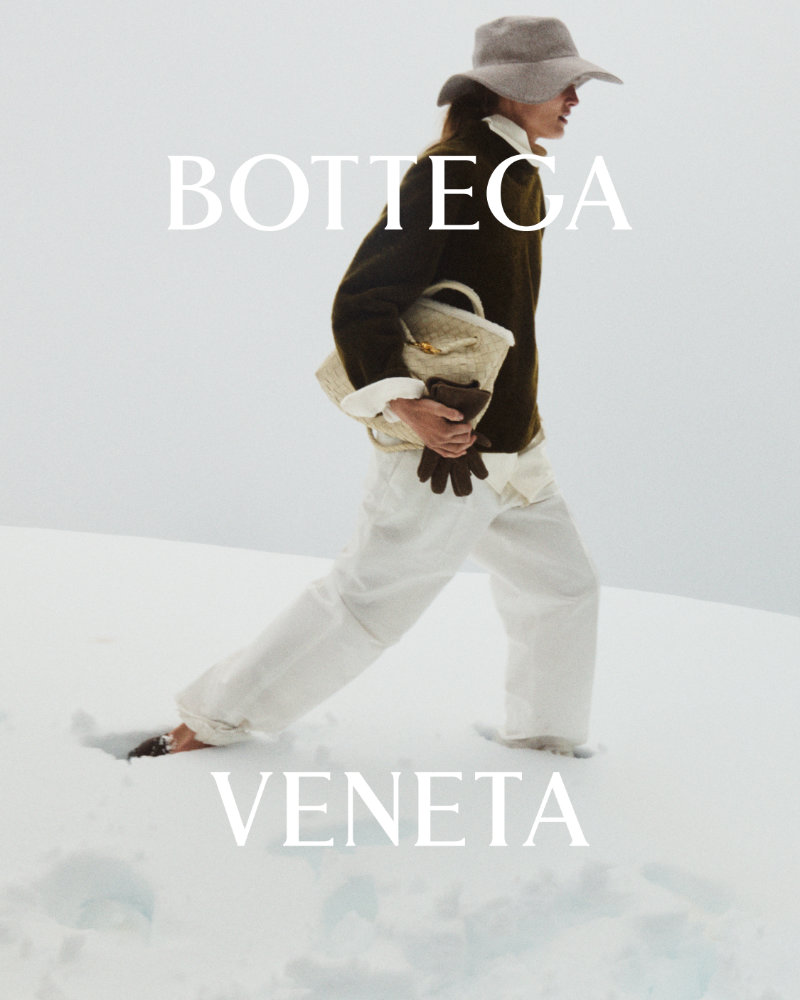
The choice of music and movement reflects a broader industry trend toward "authentic" celebration. In an era where digital content often feels curated and sterile, They Dance Too attempts to capture the messy, unscripted reality of a late-night encounter. The film does not merely feature a celebrity; it utilizes Moore as a conduit for a feeling of liberation that the brand aims to associate with its upcoming seasonal offerings.
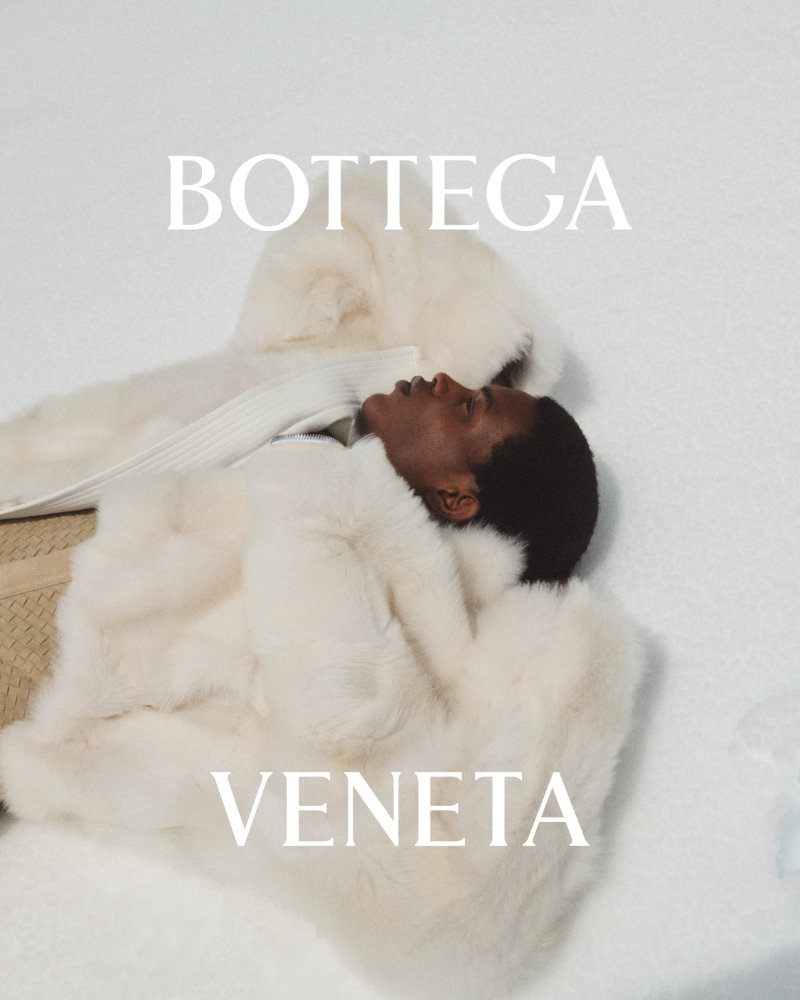
A Diverse Ensemble of Movement
While Moore is the focal point, the campaign’s emotional weight is bolstered by an eclectic cast of performers and models, including Léo Walk, Amelie Loblich, Anine Van Velzen, Gertrud Rose, Leon Dame, Lina Zhang, and Mubarak Oyewola. The inclusion of professional dancers alongside fashion-forward figures like Leon Dame—who has become a runway icon for his idiosyncratic, high-energy walk—suggests a focus on physical storytelling.
The campaign’s philosophy is predicated on the idea that an ending does not necessarily imply a cessation of progress. Instead, the narrative suggests that the turn of the year is a moment to synthesize past achievements with the kinetic energy required to move forward. This perspective aligns with Bottega Veneta’s recent strategic pivots, which prioritize craftsmanship and understated luxury over overt branding, even during the festive season.
Product Integration and Accessory Evolution
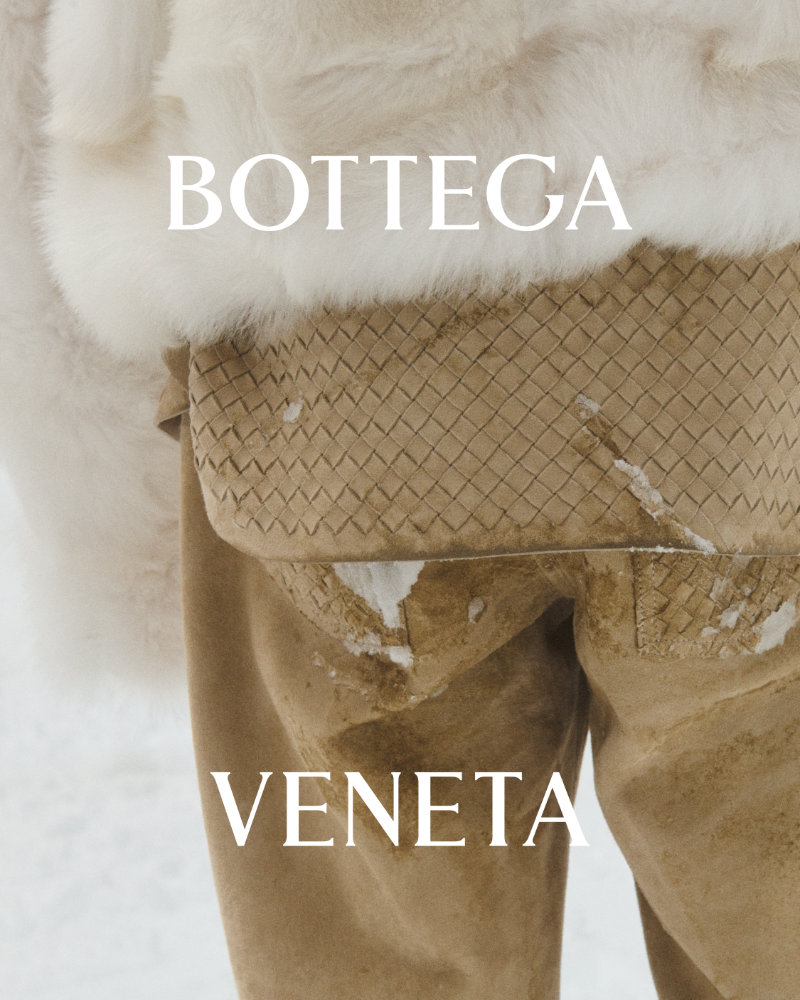
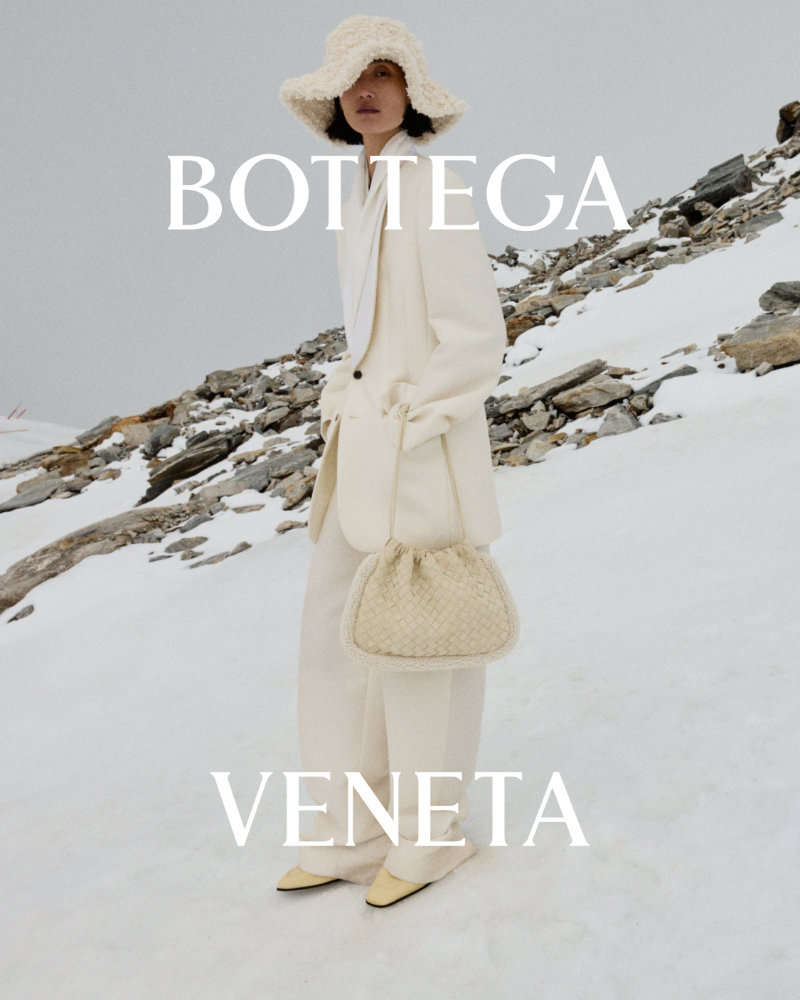
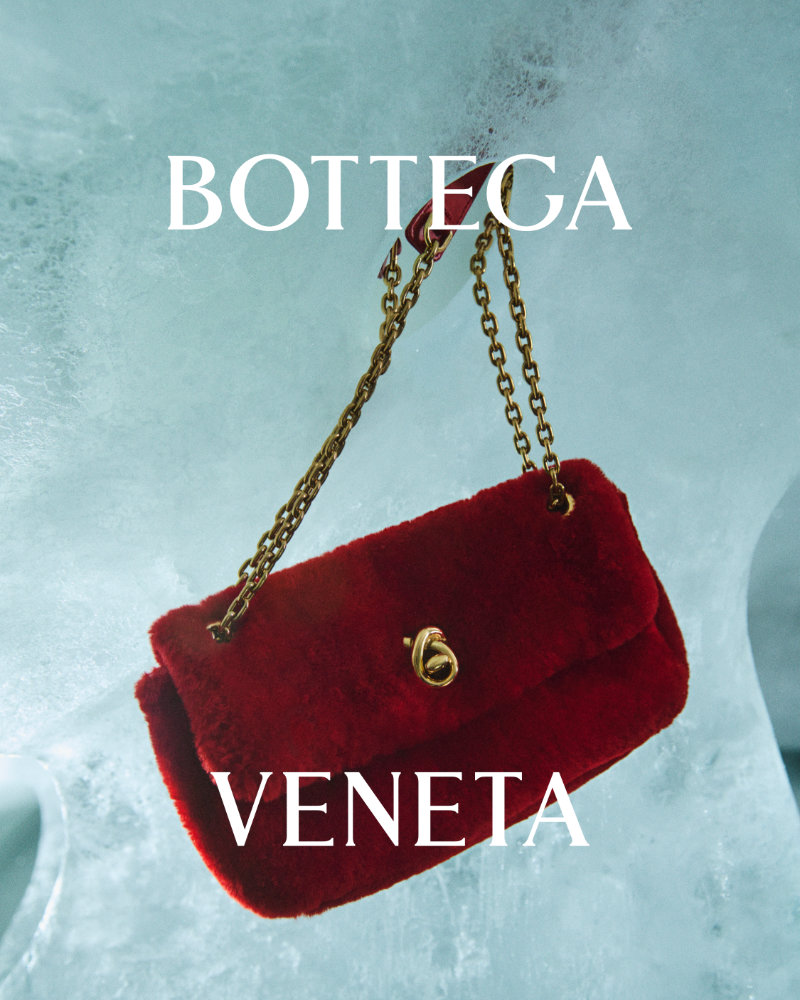
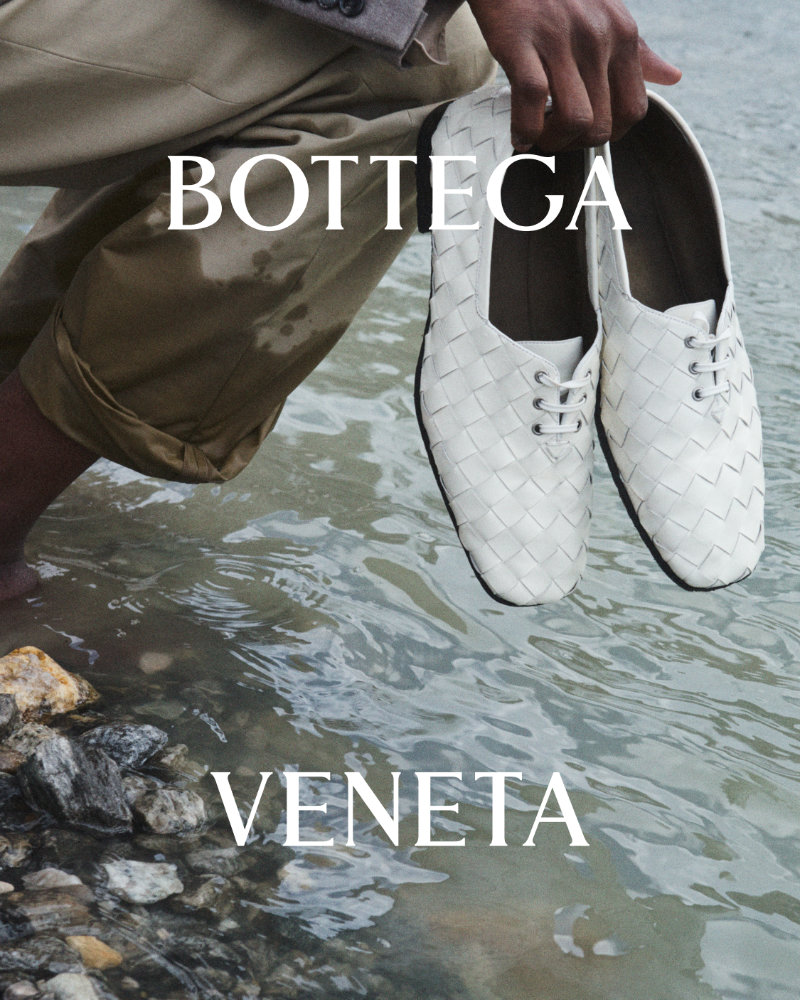
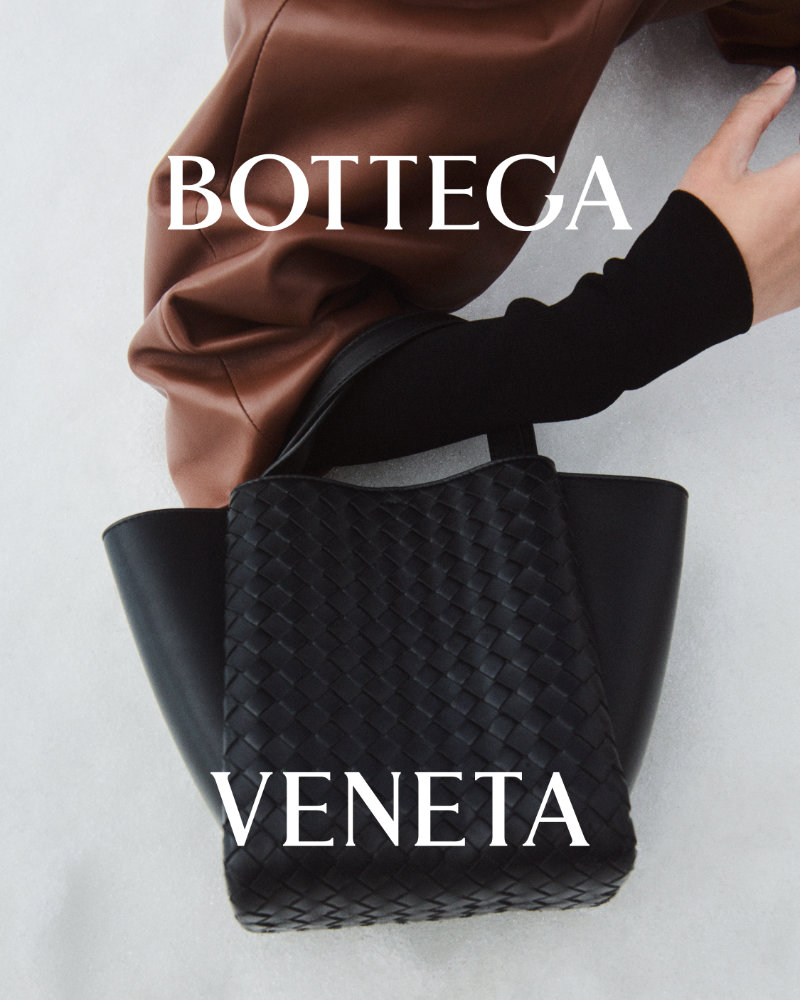
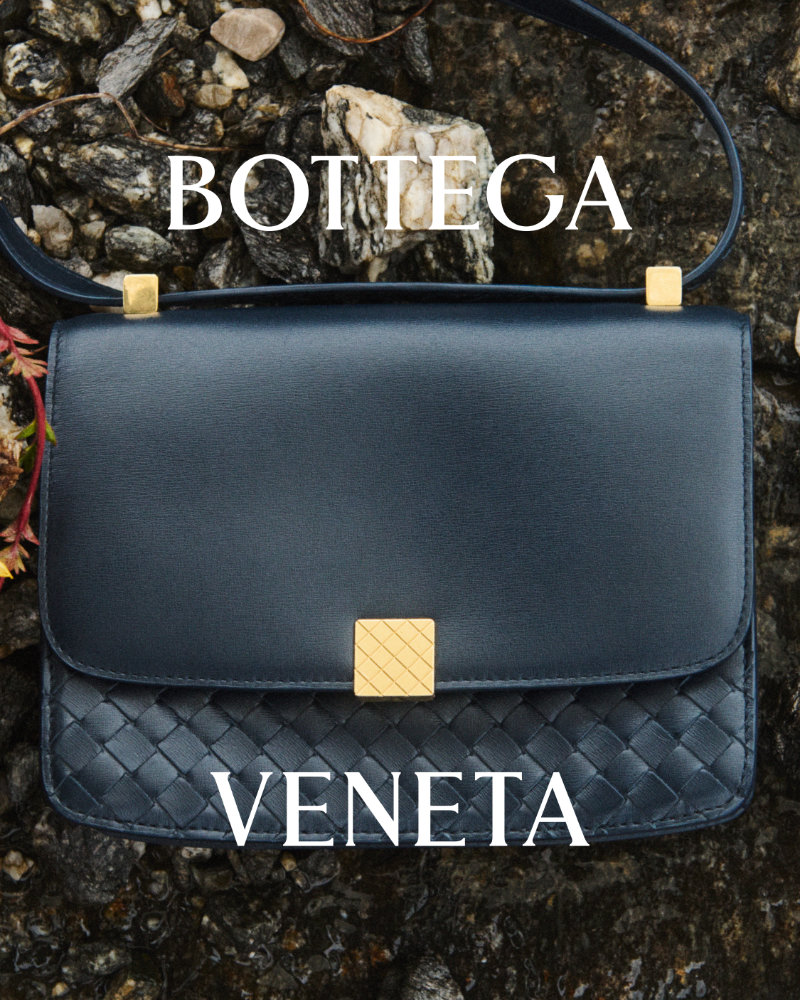
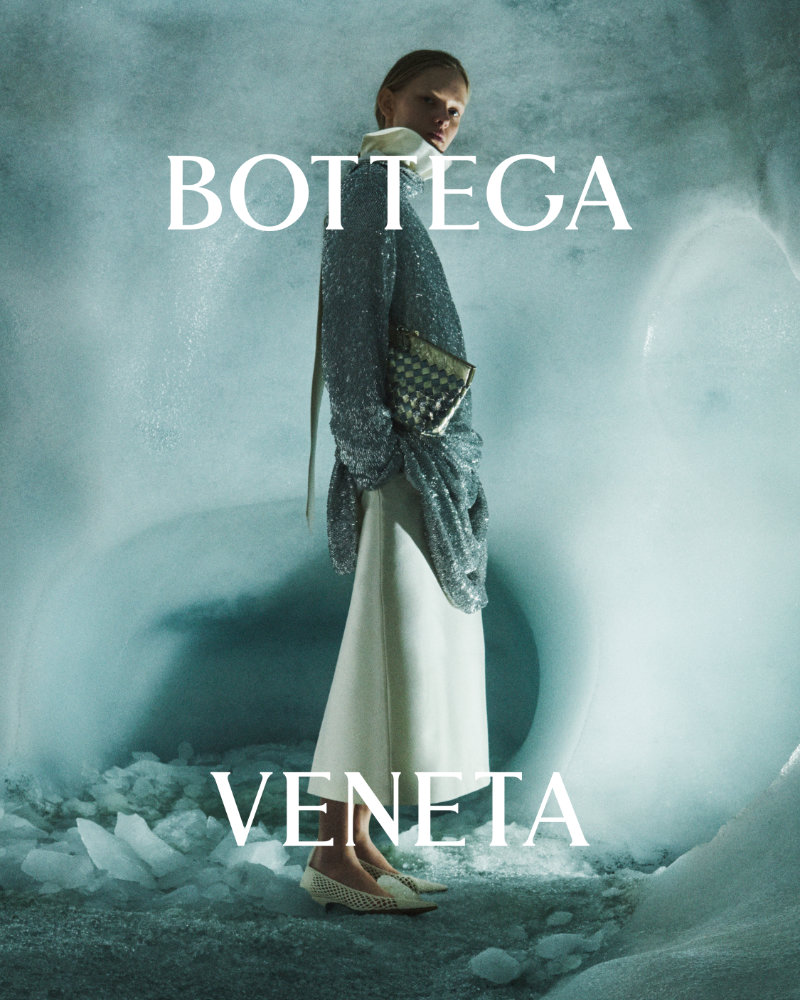
The campaign serves as a high-visibility platform for the debut of several key pieces in the brand’s accessory repertoire. The introduction of the Verde bag stands as the primary commercial objective of the campaign, complemented by refreshed iterations of the house’s most recognizable silhouettes, including the Baby Campana, the Mini Knot Lock, and the Andiamo Clutch.
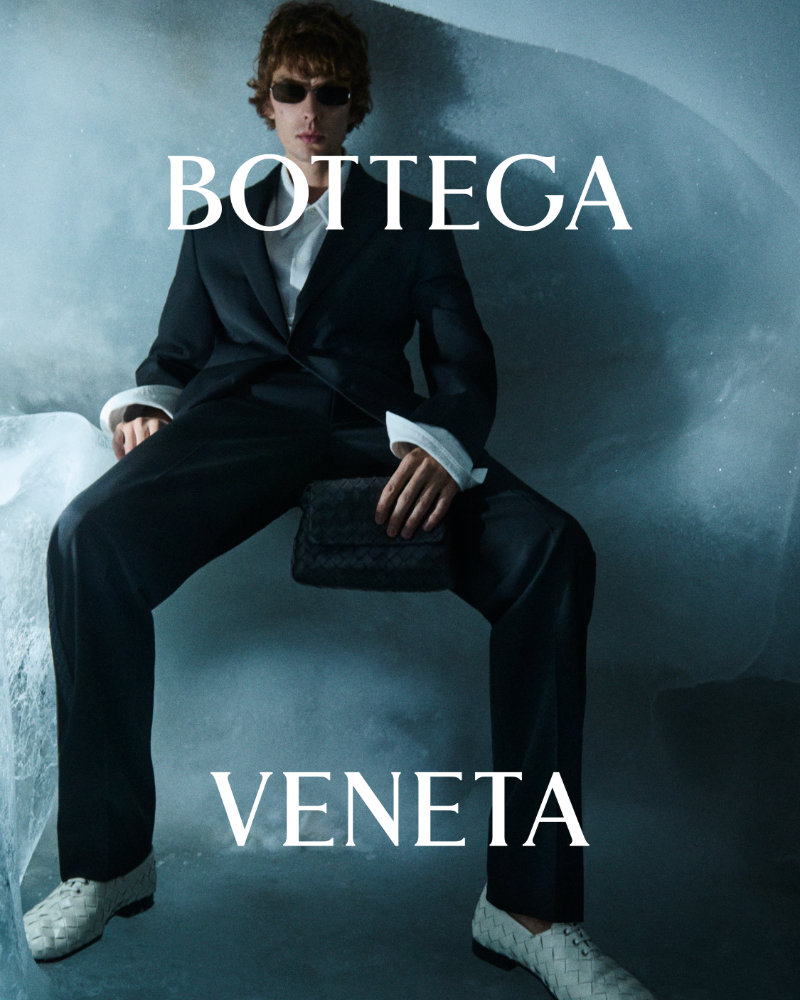
These items have been rendered in luminous metallic finishes and tactile textures, designed specifically to capture light in the low-lit, high-contrast environment of the nightclub setting. This deliberate design choice demonstrates the brand’s ability to balance its signature "quiet luxury" ethos with the more expressive, flamboyant demands of the holiday shopping cycle. Market data indicates that demand for "party-ready" luxury accessories typically spikes by approximately 30% in the final fiscal quarter, and Bottega Veneta’s focus on metallics and structured clutches is a calculated move to capture this seasonal market share.
Historical Context and Brand Strategy
Bottega Veneta, currently navigating a competitive landscape in the luxury sector, has consistently used its campaigns to distance itself from the "logomania" that dominated the early 2020s. Under its current leadership, the house has focused on "stealth wealth," a strategy that relies on the quality of materials and the uniqueness of the design language—such as the iconic intrecciato weave—to command authority.
The timeline of this campaign’s release in late November 2026 is strategic. By launching in the weeks leading up to the holiday peak, the brand ensures maximum visibility when consumer intent is highest. The Alpine setting is also a nod to the brand’s European roots, grounding its global appeal in a specific, evocative geography.
Broader Industry Implications
The fashion industry has been grappling with the "meaning" of the holiday campaign for several years. As global economic conditions fluctuate, luxury houses have been forced to rethink how they present themselves during times of celebration. Some brands have opted for traditional, family-oriented narratives, while others have leaned into the "club culture" aesthetic seen in They Dance Too.
The success of such a campaign will be measured not only by the sell-through rate of the new metallic accessory line but also by the "cultural resonance" of the imagery. By aligning with high-art cinematic references and prioritizing movement over static product photography, Bottega Veneta is signaling to its consumer base that it remains a brand of substance. The move to avoid the typical "glitter and gold" holiday tropes in favor of an artistic, mood-driven film suggests that the brand is confident that its aesthetic strength is sufficient to carry the festive season without resorting to clichés.
The Role of Performance in Modern Marketing
The use of dance as a primary communication tool in luxury marketing is increasingly prevalent. From a consumer behavior standpoint, movement conveys vitality, youth, and confidence—attributes that high-net-worth individuals seek to associate with their own identities. When combined with the high-caliber casting of an actress like Julianne Moore, the brand creates a cross-generational appeal. Younger consumers are drawn to the energy and the nod to club culture, while established collectors respond to the prestige and the artistic integrity of the campaign.
Furthermore, the integration of professional dancers like Léo Walk suggests that Bottega Veneta is investing in the "performance" of fashion. It is no longer enough for an item to simply look good; it must exist in a world where it can be seen in motion. This shift reflects a wider change in how luxury items are consumed—often through short-form video platforms where motion, rhythm, and atmosphere are the primary drivers of engagement.
Conclusion
They Dance Too is more than a seasonal advertisement; it is a carefully calibrated brand statement. By refusing to succumb to the nostalgia that often plagues year-end campaigns, Bottega Veneta has positioned itself as a forward-looking entity. The campaign effectively bridges the gap between the heritage of the house and the modern demands of the luxury market.
As we look toward 2027, the success of this campaign will likely serve as a blueprint for other houses looking to balance the tension between commercial necessity and artistic expression. For now, Bottega Veneta has succeeded in creating a moment of stillness in the middle of a crowded, loud, and often chaotic season—a testament to its continued relevance in the ever-evolving landscape of high fashion. Whether through the sheen of a new clutch or the rhythmic beat of a 90s anthem, the brand has invited its audience to stop looking at the calendar and start focusing on the movement itself, proving that in the world of Bottega Veneta, there is always a reason to keep dancing.
Related posts: