A Chilly Turn for UK Independent Retailers Boosts Winter Sales While High Street Cost Pressures Persist

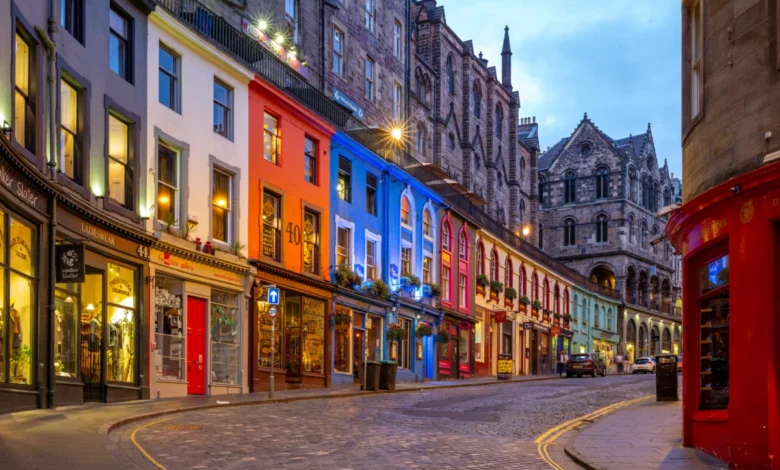
The arrival of unseasonably cold weather across the United Kingdom has finally provided a much-needed financial injection for independent retailers, breathing new life into local high streets following an extended period of unseasonably warm autumn conditions. Store owners nationwide report a sharp surge in consumer demand for heavy winter apparel, such as coats, knitwear, and faux fur items, abruptly reversing sluggish early-season momentum. However, despite this welcome seasonal uplift, independent business operators emphasize that persistent economic headwinds—chiefly escalating business rates and broader overhead costs—continue to threaten the long-term viability of small retail enterprises.
The juxtaposition of surging footfall against a backdrop of severe fiscal pressure highlights a critical juncture for the UK retail sector. While localized weather patterns have successfully prompted consumers to transition from transitional wardrobes to heavy winter garments, structural economic challenges threaten to overshadow this temporary relief. Independent merchants are calling for targeted government intervention to safeguard high street stability, warning that rising operational expenses could easily negate the commercial gains achieved through the recent temperature drop.
Main Facts and the Weather-Driven Retail Shift
The core development centers on the direct correlation between meteorological conditions and consumer purchasing behavior. Following a record-shattering summer and a remarkably prolonged warm autumn, UK consumers had delayed purchasing seasonal cold-weather stock. This behavioral delay initially extended the summer trading period, benefiting end-of-season clearance sales, but it simultaneously postponed the lucrative launch of heavy autumn-winter inventories.
When temperatures finally plummeted across the country, consumer urgency spiked immediately. Retailers reported a dramatic influx of shoppers eager to acquire winter essentials. Max Turner, proprietor of independent menswear establishment Dartagnan in Chichester, noted that the sudden shift in climate altered consumer mindsets almost overnight. After a prolonged summer that surprisingly bolstered late August trade, Turner observed that the subsequent cold snap triggered a surge in footfall that mirrored festive trading periods. He recalled an exceptionally busy Wednesday that defied traditional retail trends by rivaling peak Christmas shopping volumes in both atmosphere and transaction frequency.
In the capital, a similar narrative unfolded. Pamela Shiffer, owner of her eponymous boutique in the fashionable Primrose Hill district of London, confirmed that inventory turnover for cold-weather garments accelerated rapidly once the temperature dropped. Shiffer highlighted that key seasonal pieces, particularly faux fur jackets and coats, experienced near-complete sell-through as customers rushed to update their wardrobes for the colder months.
Chronology of the Autumn-Winter Trading Season
To fully understand the current retail landscape, it is necessary to examine the chronological progression of the 2023 and 2024 retail cycles, which have been increasingly dictated by erratic climate patterns.
During the summer months, the UK experienced sustained high temperatures and extended periods of sunshine. While this weather pattern historically benefits the hospitality sector, it yields mixed results for fashion retailers. While lightweight summer apparel moved quickly, anticipation for the autumn season remained muted.
As September arrived, unseasonably warm air masses settled over the British Isles, persisting well into October. Meteorological records consistently indicated that autumn temperatures remained significantly above the historical seasonal average. Consequently, consumers refrained from purchasing knitwear, heavy coats, and winter accessories. Independent retailers, who typically procure and pay for their autumn-winter stock months in advance, faced mounting cash-flow pressures as inventory sat idle on shop floors and in stockrooms.
The turning point occurred mid-season when a definitive cold front swept across the UK, causing temperatures to drop sharply within a matter of days. This meteorological shift acted as an immediate psychological and physical catalyst for shoppers. Within 48 to 72 hours of the temperature drop, independent stores across various regions reported a quantifiable spike in daily transaction volumes and store traffic. This sudden acceleration compensated for weeks of sluggish early-season trade, providing retailers with critical cash reserves as they head toward the vital fourth-quarter trading period.
Supporting Data and High Street Economics
The reliance of independent retailers on seasonal weather shifts underscores a broader, more fragile economic reality. Small and medium-sized enterprises (SMEs) form the backbone of the UK retail ecosystem, contributing significantly to local economies and high street vitality. According to data from trade associations and retail analysts, independent businesses account for a substantial percentage of high street employment and consumer engagement.
However, operating margins for these businesses have compressed steadily over recent years. Inflationary pressures affecting energy, logistics, and raw materials have driven up the wholesale cost of goods. Simultaneously, consumer disposable incomes have been constrained by the broader cost-of-living crisis, forcing shoppers to be more selective with their discretionary spending.
When the weather cooperates—as it has with the recent drop in temperatures—independent retailers can achieve rapid inventory turnover, which is essential for maintaining healthy cash flow. Yet, analysts point out that seasonal surges alone cannot offset chronic, structural cost burdens. The volatility of consumer demand, exacerbated by unpredictable climate patterns and broader macroeconomic instability, leaves independent boutiques vulnerable to external shocks.
Official Responses and Industry Reactions
While retail owners have expressed relief over the recent uptick in sales, their optimism is tempered by acute anxiety regarding regulatory and financial burdens imposed by the state. The most prominent among these concerns is the ongoing burden of business rates—a property tax levied on non-domestic properties in England and Wales.
Simone Kavanagh, manager and director of Spice, another prominent independent establishment in Primrose Hill, London, articulated the sentiment shared by many retail operators. Kavanagh warned that escalating operational expenses across the board, combined with the crushing weight of business rates, represent the single greatest threat to the survival of independent enterprises. According to industry advocates, the current business rates system fails to reflect the realities of modern retail, penalizing physical storefronts that must compete against online giants with lower physical overheads.
Echoing these concerns, Lisa Taylor, owner of Edinburgh-based womenswear boutique Epitome, emphasized the urgent need for targeted government intervention. Taylor argued that the survival of the high street—encompassing both retail and hospitality sectors—depends on robust, proactive support from policymakers. Without structural reform to business rates and localized economic incentives, independent traders fear that vibrant community high streets face a steady decline.
Despite these severe concerns, many business owners retain a resilient outlook. Max Turner expressed cautious optimism regarding the underlying resilience of the high street, suggesting that consumer affection for localized, personalized shopping experiences remains strong. Turner emphasized that while structural hurdles persist, positive signs of high street renewal are visible whenever external conditions align favorably, provided that government policy begins to actively alleviate undue financial pressures.
Broader Impact and Economic Implications
The recent surge in winter sales and the concurrent debate over business rates carry significant implications for the wider UK economy. High streets serve as cultural and economic hubs for local communities, and the health of independent retail is widely regarded as a barometer of consumer confidence and regional economic vitality.
Economists and retail analysts suggest that the current scenario highlights the precarious equilibrium in which independent businesses operate. On one hand, consumer demand remains resilient when prompted by appropriate seasonal triggers. On the other hand, the cumulative impact of taxation, energy costs, and property rates creates an asymmetric disadvantage for physical retailers compared to digital-only competitors.
The implications for policymakers are clear. Industry leaders are urging the government to use upcoming fiscal statements to introduce meaningful reform to the business rates regime, potentially offering permanent reliefs or transitioning toward a fairer taxation model that supports brick-and-mortar establishments. Failure to address these structural issues risks accelerating high street closures, reducing retail diversity, and diminishing the distinct character of local communities across the UK.
As independent retailers navigate the remainder of the autumn-winter trading season, the immediate relief provided by the cold weather offers a vital financial buffer. However, long-term stability will ultimately depend on whether structural economic reforms can alleviate the crushing cost burdens that threaten to overshadow even the most successful seasonal trading periods.