Abercrombie & Fitch Co. has once again demonstrated the enduring success of its multi-year turnaround strategy, reporting a robust financial performance for the third quarter of the fiscal year. The apparel retailer posted significant gains in both net sales and profitability, defying broader economic headwinds and cautious consumer spending patterns that have impacted much of the global retail sector. The positive results underscore the brand’s successful transition from an exclusive mall-based teen retailer into a lifestyle brand with a broader demographic appeal.
Main Facts of the Third-Quarter Performance
During the third quarter, Abercrombie & Fitch Co. recorded a substantial year-over-year increase in net sales, driven by strong full-price sell-through rates and disciplined inventory management. Operating margins expanded considerably compared to the same period in the previous fiscal year, reflecting lower freight costs, reduced discounting, and improved operational efficiencies across both the namesake Abercrombie & Fitch and Hollister brands.
Net income saw a remarkable uplift, significantly outperforming consensus estimates compiled by industry analysts. Management attributed the success to sustained digital momentum, effective marketing campaigns that resonated with Millennials and Gen Z consumers, and an optimized global store network. The company’s ability to protect its margins in a highly promotional retail environment highlighted the strength of its pricing power and brand equity.
Chronology of the Abercrombie & Fitch Brand Transformation
The journey toward this latest financial milestone has been structured and deliberate, marking a stark contrast to the brand’s struggles a decade prior.
Phase One: The Leadership Pivot (2017–2020)
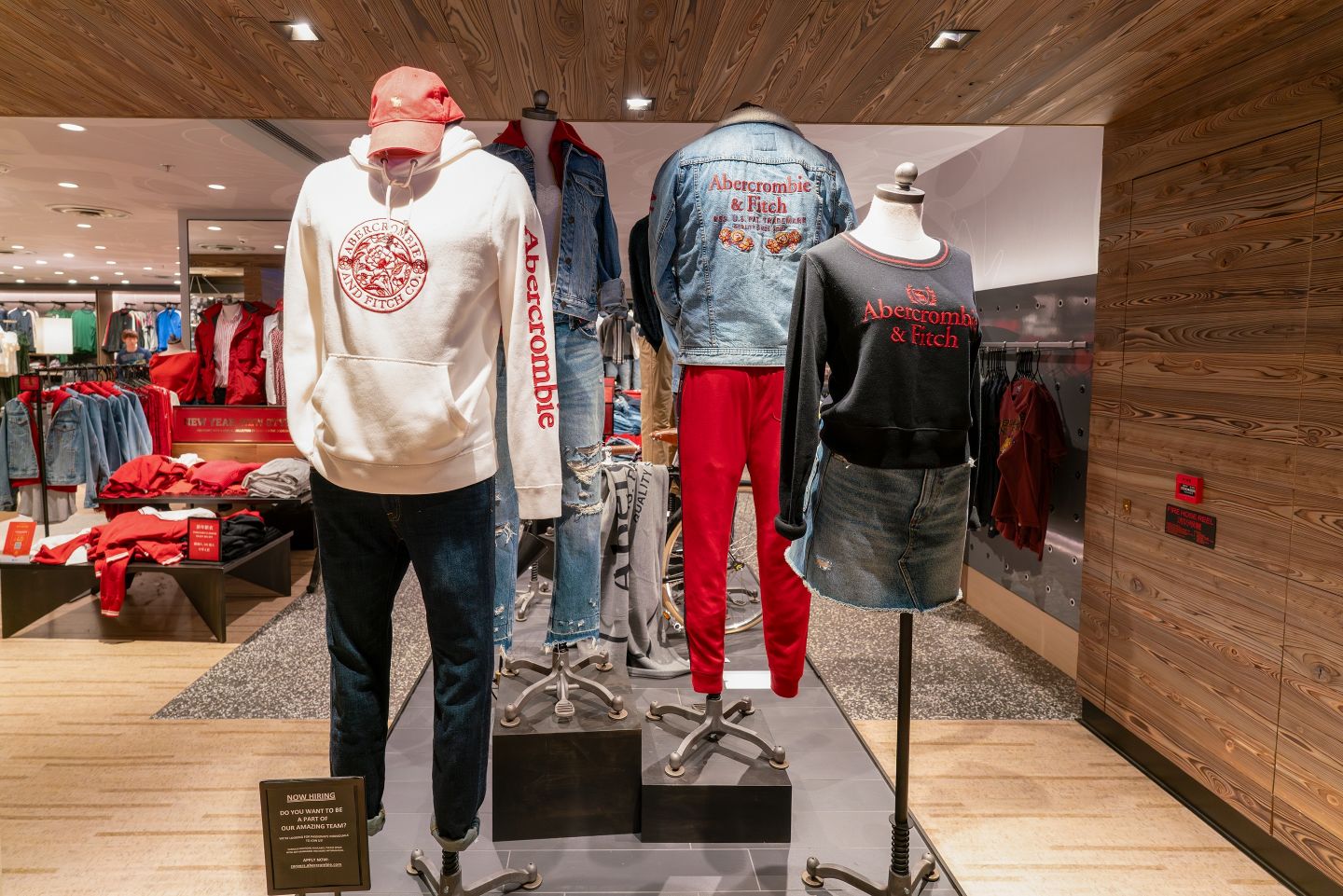
Faced with declining sales, cultural backlash over exclusionary marketing, and shifting consumer preferences away from logo-heavy apparel, the company initiated a quiet overhaul. Longtime executives departed, and a new leadership team stepped in with a mandate to redefine the brand identity. The focus shifted away from dim, heavily scented stores and large-logo merchandise toward inclusive sizing, elevated everyday wear, and a sophisticated aesthetic suitable for young adults in the workplace as well as social settings.
Phase Two: Digital Acceleration and Store Optimization (2020–2022)
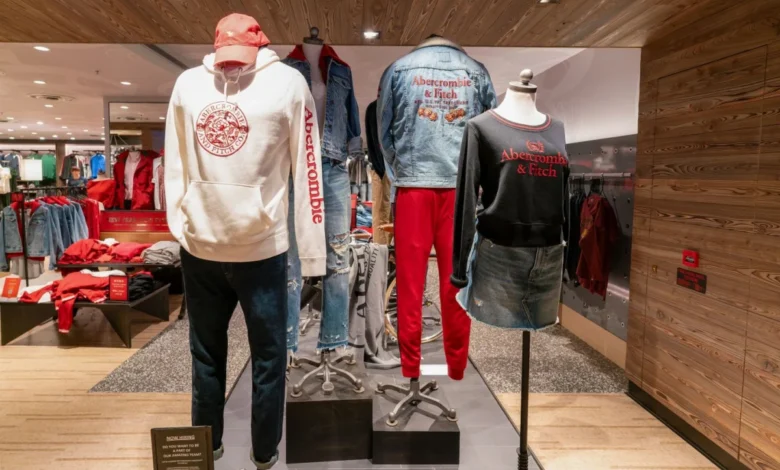
The onset of the global COVID-19 pandemic served as an accelerator for the retailer’s digital transformation. Management accelerated investments in omnichannel capabilities, including buy-online-pickup-in-store (BOPIS) and enhanced mobile shopping experiences. Concurrently, the company embarked on a strategic real estate review, closing underperforming traditional mall leases while opening smaller, experience-driven experiential storefronts and investing heavily in digital marketing partnerships with influencers.
Phase Three: Brand Segmentation and Global Scaling (2023–Present)
By 2023, the dual-brand strategy—separating the mature, elevated Abercrombie line from the trend-focused Hollister label—began yielding record financial results. The company successfully captured market share in key international markets across Europe and the Asia-Pacific region, proving that its lifestyle-focused repositioning had global resonance. The Q3 performance is the latest chapter in this ongoing era of sustained profitability.
Supporting Financial Data and Market Metrics
While the exact figures fluctuate with each quarterly filing, historical and current sector metrics contextualize Abercrombie’s outperformance. Over the preceding four quarters, the retailer has consistently beaten Wall Street expectations, leading to upward revisions of its full-year net sales and operating margin guidance.
- Gross Profit Margins: Abercrombie has maintained high gross margins, frequently surpassing historical averages due to a strategic reduction in promotional dependency.
- Inventory Levels: Leaner inventories have allowed the company to minimize markdowns, preserving the perceived value of its merchandise.
- Regional Performance: While the domestic United States market remains the primary revenue driver, international segments—particularly EMEA (Europe, Middle East, and Africa)—have shown double-digit growth rates, serving as a vital engine for future expansion.
Official Responses and Management Commentary
In statements accompanying the financial disclosure, executive leadership emphasized that the strategic focus on product relevance, customer experience, and disciplined cost control remains the bedrock of the company’s operating model.
Chief Executive Officer Fran Horowitz highlighted the dedication of the global team in executing the strategic plan. "Our third-quarter results are a testament to the clarity of our vision and the agility of our organization," Horowitz noted. "By remaining focused on our customer-centric approach, delivering compelling product assortments, and maintaining operational rigor, we have been able to capture market share and deliver sustainable, profitable growth despite a dynamic macroeconomic environment."
Management also reiterated its commitment to returning value to shareholders through disciplined capital allocation, balancing investments in digital infrastructure and supply chain resilience with strategic share repurchases.
Broader Industry Impact and Market Implications
Abercrombie & Fitch’s ongoing success carries significant implications for the broader global apparel and retail industry.
First, the turnaround challenges the narrative that traditional brick-and-mortar brands are inherently vulnerable to fast-fashion disruptors and pure-play e-commerce platforms. By reimagining its physical retail footprint and aligning its digital ecosystem with modern consumer habits, Abercrombie has proven that heritage brands can successfully reinvent themselves.
Second, the company’s ability to pass on costs and maintain high margins without sacrificing volume suggests that consumer loyalty among Millennials and Gen Z remains resilient for brands that successfully communicate quality, inclusivity, and lifestyle alignment. As inflationary pressures prompt shoppers to become more selective, retailers that fail to differentiate their offerings face severe margin compression, whereas those with strong brand equity—like Abercrombie—continue to thrive.
Looking ahead, industry analysts will closely monitor the company’s performance through the critical holiday shopping season. While challenges such as fluctuating raw material costs, wage inflation, and geopolitical uncertainties persist, Abercrombie & Fitch enters the final quarter of the fiscal year with strong momentum, a fortified balance sheet, and a proven playbook for navigating a competitive global marketplace.