Poundland collapses into administration putting 11,000 jobs at risk – Retail Gazette

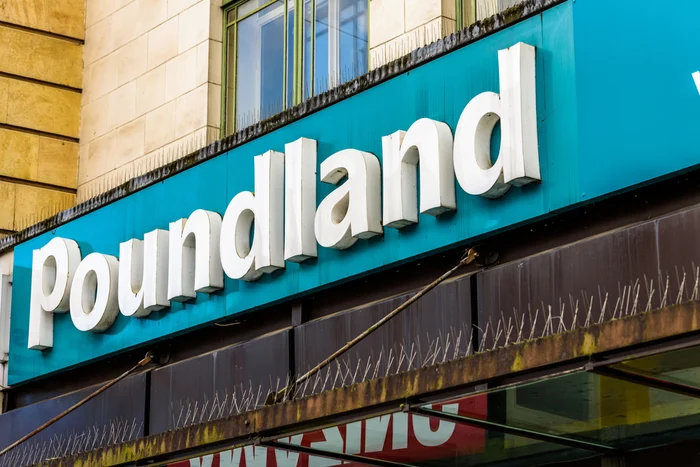
The appointment of administrators marks a catastrophic turning point for the high-street staple, just 17 months after it was acquired by the investment firm Gordon Brothers for a symbolic £1. The collapse, which follows a frantic three-month auction process, has left thousands of employees facing a bleak festive season and raises urgent questions regarding the sustainability of the discount retail model in an era of high inflation and supply chain volatility.
A Chronology of Decline and Restructuring
The descent into insolvency was not sudden, but rather the culmination of nearly two years of intensive, and ultimately unsuccessful, attempts to stabilize the company. The timeline of the retailer’s recent instability provides a window into the challenges faced by its leadership:
- July 2025: Poundland narrowly avoids insolvency after the High Court approves a radical restructuring plan. This agreement allowed the retailer to survive by shuttering 150 underperforming stores, cutting head office headcount, and closing distribution centers to preserve cash flow.
- September 2026: Gordon Brothers officially launches a formal auction process, seeking a buyer to take the business off its hands just over a year after its acquisition.
- October 2026: A management-backed rescue bid is rejected, leading the board to file a notice of intention to appoint administrators.
- November 2026: Negotiations with multiple prospective buyers—including Northern Ireland’s Martin Property Group, Xyra Group Holdings, and various retail competitors—reach a stalemate.
- Late November 2026: The formal administration appointment is confirmed, with AlixPartners poised to manage the insolvency process.
Financial Performance: A Paradox of Profit and Illiquidity
One of the most confounding aspects of the Poundland collapse is the disparity between its operational performance and its liquidity crisis. Internal, unaudited figures for the year ending September 2026 revealed a dramatic turnaround in core profitability. The retailer moved from a staggering EBITDA loss of £68.1 million to a profit of £18.1 million—an improvement of £86.2 million in just 12 months.
However, profitability on paper did not equate to cash in the bank. Strict constraints on funding, reportedly imposed during the restructuring, prevented the retailer from purchasing essential stock. As the crucial pre-Christmas trading period approached, shelves remained empty, leading to a precipitous 25% drop in sales compared to expectations. The inability to replenish inventory during the busiest retail window of the year effectively strangled the company’s recovery efforts.
The Stewardship Controversy
The role of Gordon Brothers in this downfall has come under intense scrutiny from both political figures and industry analysts. Liam Byrne, chair of the Business and Trade Committee, has been vocal in his criticism, alleging that the firm extracted millions from the business while simultaneously restricting the capital necessary for day-to-day operations.
Prime Minister Andy Burnham also entered the fray earlier this month, urging the owners to prioritize the preservation of the 11,000-strong workforce. Critics argue that the investment firm’s model prioritized short-term cost-cutting over the long-term viability of the brand. Conversely, Gordon Brothers maintains that it acted as a "white knight" during the 2025 crisis, providing £85 million in financing when no other lender would, and enabling the delivery of £100 million in cost savings.
Prospective Buyers and the Future of the Estate
Despite the administration, hope for a partial rescue remains. The administrator, tasked with maximizing the return for creditors, is now evaluating two distinct paths: finding a buyer for the entire business or breaking the company into smaller, more manageable portfolios to be sold to competitors.
Several major retail players have been linked to these assets. Firms such as B&M, The Range, Iceland, and Lidl have been identified as potential suitors for specific store locations that would fit their existing distribution footprints. Furthermore, Xyra Group Holdings, which recently secured fresh funding, has signaled its intent to maintain the brand’s identity and potentially expand its store footprint, though such a proposal remains subject to the administrators’ approval.
Broader Implications for the Discount Sector
The collapse of such a recognizable name serves as a bellwether for the wider UK retail landscape. Discounters, which historically thrived during economic downturns, are now facing the dual pressures of rising wage costs and imported inflation. When a brand that has focused its entire identity on a "£1 price point" finds itself unable to cover its overheads, it suggests a structural shift in the retail economy.
The failure to maintain supply chain fluidity, even while achieving operational profitability, highlights the danger of "over-leveraged" restructuring. For the 11,000 employees currently in limbo, the coming weeks will be characterized by extreme uncertainty. The administration process is expected to move rapidly to avoid further erosion of the company’s remaining assets, as Hilco Capital has already been approached to potentially manage a liquidation of remaining stock should a trade sale fail to materialize.
Official Statements and Industry Reaction
In a statement issued following the announcement, a spokesperson for Gordon Brothers expressed regret over the outcome: "Poundland has faced several years of instability. We recognise how difficult the continued uncertainty is for them. Efforts to preserve as many jobs and stores as possible will continue, led by the administrators."
The firm emphasized that it remains "thankful for all the hard work and effort by management and colleagues throughout," while defending its decision to provide the initial £85 million injection that kept the doors open for the last 17 months.
Retail analysts suggest that the next 72 hours will be critical. If a "pre-pack" administration deal—where a buyer acquires the business or its assets immediately upon the appointment of administrators—cannot be finalized, the prospect of a nationwide store closure program becomes increasingly likely.
Economic Context: The "Retail Winter"
The Poundland story is indicative of a broader trend of retail volatility in the UK. As legacy retailers struggle to pivot between physical store overheads and the demands of a modernized supply chain, the failure of a major chain creates a domino effect. The loss of a significant anchor tenant in town centers often leads to reduced footfall for neighboring independent businesses, creating a negative feedback loop for local economies.
As the administration process unfolds, the focus of the government and the administrators will remain on the potential for a "going concern" sale. Should this fail, the liquidation of the estate will likely lead to one of the largest retail restructurings in recent memory, leaving a void in the discount market that competitors will be eager to fill, albeit potentially at the expense of thousands of jobs and the loss of a historic high-street brand.
For the consumers, the immediate impact will be felt in the lack of stock and potential store closures in their local high streets. For the creditors, the priority is now the recovery of debt, which may necessitate the sale of the brand’s intellectual property and the systematic stripping of its physical assets. The story of Poundland is far from over, but the final chapter for its current iteration as a national chain appears to be drawing to a close.