As the calendar turns toward the final quarter of the year, major retail entities have initiated a series of strategic promotional events designed to capture consumer spending ahead of the traditional holiday rush. This mid-week shift in pricing strategy encompasses a diverse range of categories, from luxury horology and fine tailoring to seasonal knitwear and footwear. Analysts observe that these aggressive discounts, often ranging from 15% to 25%, represent an attempt by retailers to clear inventory and establish market momentum before the high-volume shopping days of November and December.
The Watch Market: Strategic Discounts at Macy’s
Macy’s has launched a targeted promotional campaign offering a 15% discount on a curated selection of timepieces, accessible via the code FRIEND. This offer is particularly notable for its inclusion of mid-tier Swiss and Japanese manufacturers, such as Mido, Seiko, and Citizen.
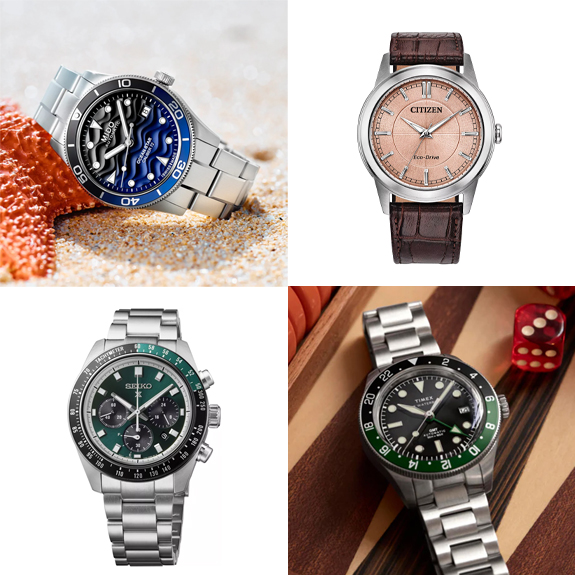
The inclusion of Mido is a significant development for watch enthusiasts. Mido, a member of the Swatch Group, historically maintains strict price controls at authorized retail partners, making widespread discounts an uncommon occurrence. By permitting this reduction, the retailer is effectively lowering the barrier to entry for mechanical Swiss horology. Industry observers note that the selection includes automatic movements, which serve as a foundational entry point for consumers moving from fashion-brand quartz watches to enthusiast-grade mechanical pieces. The promotion further extends to brands like Timex and Raymond Weil, providing a tiered pricing structure that caters to both entry-level collectors and those seeking heritage-focused designs.
Seasonal Apparel: The Shift to Fall Inventory
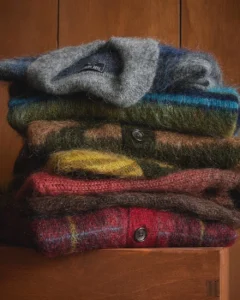
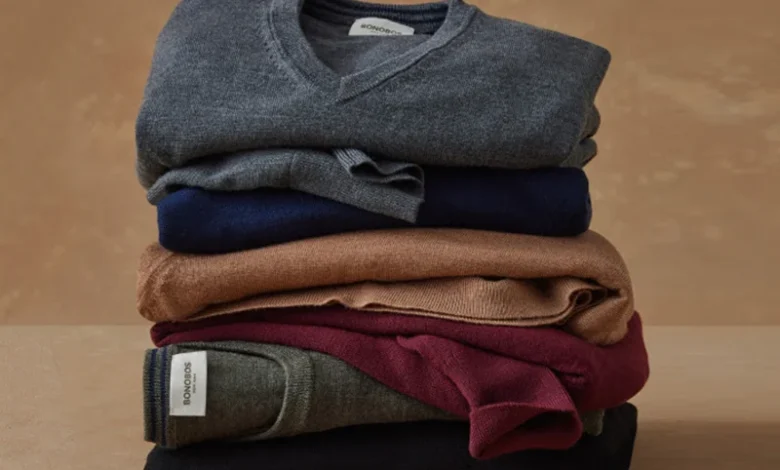
As meteorological data confirms the arrival of lower temperatures across the Northern Hemisphere, retailers have adjusted their inventory focus to address the demand for thermal insulation. Bonobos, a brand synonymous with direct-to-consumer menswear, has implemented a 25% discount across its entire sweater collection.
This move follows a broader retail trend of prioritizing inventory turnover for seasonal goods. Historically, the transition from late October to early November marks the peak period for knitwear sales. By discounting categories ranging from merino wool crewnecks to luxury cashmere blends, the company is positioning itself to capture the “sweater weather” consumer demographic. Data from the apparel sector suggests that early-season promotions on core staples are a primary driver for customer acquisition, as shoppers prioritize wardrobe building blocks before the onset of extreme winter weather.

Tailoring and the Wardrobe Event
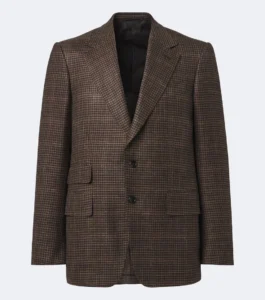
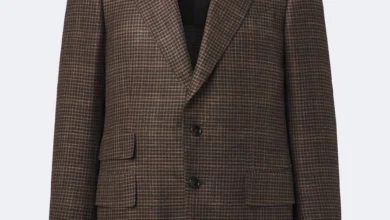
Brooks Brothers, an institution in American menswear, is currently leveraging its “Wardrobe Event” to emphasize the versatility of its Explorer collection. The brand is offering a bundle pricing structure for its Italian wool suit separates, allowing consumers to procure two sets for $1,199.
This promotional strategy reflects a shift in consumer behavior toward “suit separates”—the practice of selling jackets and trousers as individual units rather than the traditional “nested” suit. This model allows for greater customization, accommodating the diverse physiological requirements of the modern consumer who may require a specific jacket size in conjunction with a different trouser waist measurement. By focusing on the Explorer line—which utilizes contemporary, high-performance Italian wool—the brand is signaling an attempt to modernize its appeal to a younger, more mobile workforce that demands comfort and durability without sacrificing the aesthetic standards of traditional tailoring.
Nordstrom and the Secondary Market Strategy
Nordstrom has deviated from its standard pricing model by offering an additional 20% reduction on select items currently in its clearance section. Unlike its off-price subsidiary, Nordstrom Rack, this sale occurs within the mainline retail environment.

This decision is indicative of a wider strategy to manage high-end inventory in a volatile economic climate. By layering an extra discount on top of existing markdowns, the company is incentivizing the liquidation of stock that has failed to move during the initial seasonal cycle. The inclusion of free shipping and returns on these items suggests a commitment to customer retention, as the retailer seeks to maintain its reputation for service quality even while aggressively pruning its seasonal collections. This "sale-on-sale" model is frequently utilized by luxury retailers to manage the "dead stock" cycle, ensuring that shelves are cleared for incoming spring inventory without resorting to the brand dilution associated with outlet-specific products.
Spier & Mackay: Expanding Market Reach
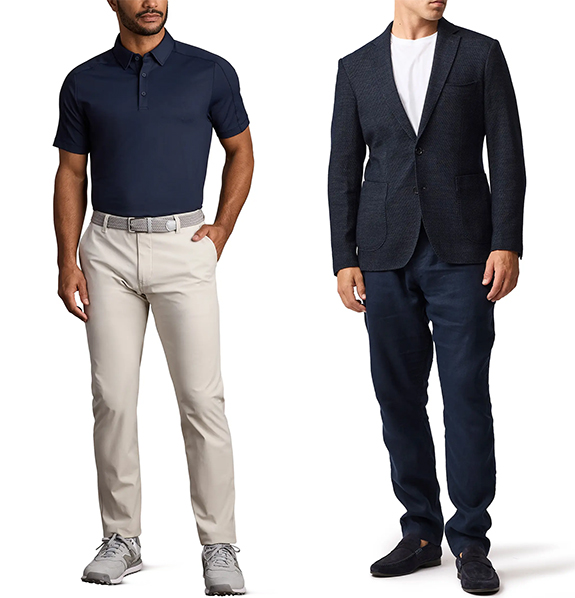
Spier & Mackay, known for its high-value-to-cost ratio, has initiated an October promotional event offering up to 20% off selected items. The brand has gained significant market share by utilizing premium materials—specifically Australian Merino wool—at price points that traditionally compete with mass-market retailers.
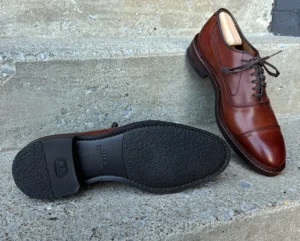
Their inclusion of footwear and the "Ellis" core suit line in this sale highlights a focus on staple items. The "Ellis" line, characterized by its structured shoulder and half-canvas construction, serves as a benchmark for entry-level professional attire. By offering these items at a discount, the company is reinforcing its competitive position against legacy retailers that maintain higher overheads. Market analysts suggest that Spier & Mackay’s growth is emblematic of a broader trend: the "democratization of quality," where consumers utilize digital research to find superior construction materials at lower prices than those offered by traditional luxury houses.
Broader Implications and Economic Context
The confluence of these sales events highlights a critical juncture in the retail calendar. Several factors are contributing to this environment:
- Inventory Management: After a period of supply chain instability, retailers are now facing an overstock situation. These promotions serve as a necessary tool to calibrate inventory levels before the year-end financial reporting.
- Inflationary Pressures: While consumer spending remains resilient, inflation has altered shopping habits. Consumers are increasingly strategic, waiting for promotional windows to make "investment purchases"—such as a high-quality timepiece or a durable wool suit—rather than making impulse buys at full retail price.
- Digital Maturity: The seamless integration of online "hotspot" maps and direct-to-consumer codes demonstrates a shift in how retailers engage their audience. The reliance on digital platforms to drive traffic to specific product categories allows for precise data collection, enabling brands to understand exactly which demographics are interested in specific types of goods.
Future Outlook
As the industry moves toward the end of the year, it is expected that these promotional events will transition into more aggressive holiday-focused campaigns. The current strategies deployed by Macy’s, Bonobos, Brooks Brothers, Nordstrom, and Spier & Mackay offer a blueprint for how retailers are navigating the current fiscal environment. By balancing the need for margin preservation with the necessity of inventory turnover, these brands are attempting to secure customer loyalty in an increasingly competitive marketplace.
The focus on "staple" items—watches, sweaters, suits, and footwear—suggests that retailers are betting on the consumer’s desire to invest in long-term, functional wardrobe additions. As the retail landscape continues to evolve, the ability to balance these short-term promotional wins with long-term brand equity will likely determine the leaders of the upcoming fiscal year. For the consumer, this window presents a strategic opportunity to acquire high-quality goods at prices that may not be replicated until the mid-winter clearance cycles begin in January.
Related posts: