Beyond the Ring Light: How Expertise, Evolution, and Strategy Are Redefining the Creator Economy in Fashion and Beauty

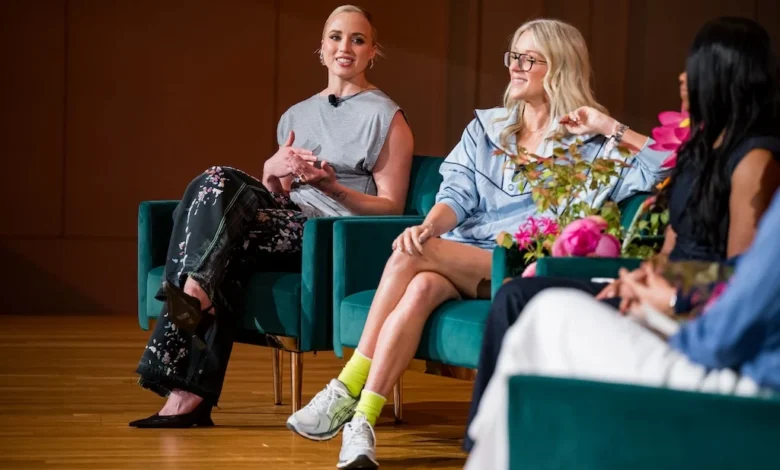
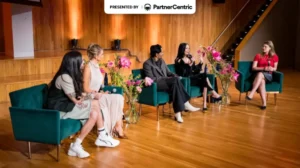
The modern landscape of fashion and beauty marketing is undergoing a seismic shift, moving away from hyper-curated, isolated digital personas toward a more nuanced ecosystem defined by deep-seated industry expertise, multi-channel career evolution, and strategic brand integration. At the Glossy Pop NYC summit held earlier this month, top-tier creators, veteran public relations executives, brand founders, and professional athletes convened to unpack the realities of an increasingly saturated digital market. As platforms lower the barrier to entry, allowing anyone with a ring light and a microphone to broadcast an opinion, the definition of what it means to be a "creator" or an "influencer" is fracturing and reforming. Industry leaders at the event emphasized that longevity in the digital space no longer relies solely on superficial aesthetics or rapid-fire viral trends; rather, it hinges on genuine domain expertise, real-world execution, and collaborative partnerships that bridge the gap between traditional industry standards and digital media.
Background and Context: The Maturation of the Creator Economy
To understand the current state of influencer marketing, one must examine its rapid evolution over the past decade. What began in the early 2010s as a cottage industry of independent bloggers and fledgling YouTubers has matured into a multi-billion-dollar global economic powerhouse. According to recent market estimates from industry analysts, the global influencer marketing market size surpassed $21 billion, fueled by brands shifting larger portions of their digital marketing budgets away from traditional print and broadcast advertising in favor of targeted social media campaigns.
However, this rapid growth has precipitated profound market saturation. Consumers are increasingly fatigued by repetitive ad reads and inauthentic product recommendations, prompting both brands and content creators to recalibrate their strategies. The Glossy Pop NYC event served as a microcosm of this industry-wide transition, tackling critical intersections such as artificial intelligence, advanced digital marketing frameworks, and product development lifecycles. Within this crowded marketplace, creators are finding that survival and growth require moving beyond basic posting schedules to embrace strategic pivots, specialized knowledge, and professional-grade execution.
The Evolution of the Content Creator: Beyond Niche Restrictions
As the digital ecosystem matures, the structural relationship between brands and creators has inevitably transformed. Creators who established their digital footprints years ago are finding that strict adherence to a single niche can ultimately stifle long-term professional growth and creative fulfillment.
This sentiment was underscored at the summit by beauty and lifestyle creator Abby Baffoe. Reflecting on her journey since launching her online career in 2019—which initially centered tightly around hair tutorials—Baffoe noted that she has since expanded her scope to encompass a broader lifestyle approach. "Having a niche works for some people, but for me, it felt restricting," she told the audience. Despite broadening her content pillars, Baffoe has successfully sustained long-term partnerships with early-stage brand collaborators such as TRESemmé and L’Oréal, proving that authentic integration into a creator’s holistic day-to-day lifestyle can yield more durable results than rigid, single-topic programming.
This structural evolution is similarly visible outside traditional beauty spaces, particularly as the worlds of professional sports and digital marketing continue to converge. Brand marketers have increasingly turned to professional athletes not merely as traditional celebrity endorsers, but as dynamic content creators capable of activating entirely distinct, highly engaged consumer demographics.
WNBA star Hailey Van Lith addressed this paradigm shift during her panel appearance, detailing her preference for deep, collaborative involvement in brand partnerships. Historically, professional athletes have been utilized by corporate entities as static billboards—contracted to wear apparel or hold products with little creative agency. Van Lith, however, advocates for a hands-on approach that integrates athletes directly into the product development and marketing strategy phases. "Some athletes love their sport so much, and the brand [partnership] side is kind of a supplement," Van Lith explained. "But for me, I like the experience of even [deciding] what the shoot is going to look like."
Authenticity Versus Corporate Guidelines in Luxury Campaigns
Despite the industry’s relentless rhetorical push for absolute "authenticity," a notable dichotomy persists between organic content creation and high-stakes corporate compliance. This tension becomes particularly pronounced when creators transition from mass-market campaigns to high-end luxury fashion houses.
Tessa Brooks, a prominent creator, dancer, and actress boasting a combined following of over 25 million across Instagram and TikTok, highlighted the operational differences required when navigating diverse brand portfolios. According to Brooks, executing campaigns for non-luxury brands often allows for greater creative freedom centered around maximizing algorithmic engagement and driving virality. Conversely, partnering with elite luxury fashion houses necessitates strict adherence to codified brand guidelines and tightly controlled visual identities. "When it comes to high-fashion brands, it’s very different because they’re so specific about who they are and their image," Brooks noted, illustrating the delicate balancing act creators must perform to satisfy corporate stakeholders while maintaining audience trust.
Expertise Reigns Supreme: The Clash Between Opinion and Experience
Perhaps the most provocative dialogue at Glossy Pop NYC centered on the dilution of terminology within the digital space. Veteran fashion public relations executive Kelly Cutrone did not mince words regarding the modern application of terms like "influencer" and "micro-influencer," asserting that the proliferation of accessible technology has rendered these labels virtually meaningless in the context of genuine authority or industry impact.
"For me, the word ‘influencer’ or ‘microinfluencer,’ it’s whatever," Cutrone stated bluntly. She elaborated on how the democratization of digital platforms has lowered technical barriers to entry, remarking that today, "it’s easy to go to Amazon and order a mic and get a cool background and have an opinion."
Cutrone argued that this widespread democratization has blurred the critical boundaries separating informed professional criticism from unvetted personal commentary. "There is a difference between an opinion and experience," she emphasized.
This critique of superficial digital commentary was reinforced by industry veterans who transitioned into product entrepreneurship by leveraging decades of foundational career experience. Makeup artist Mary Phillips, founder of the cosmetics brand M.ph by Mary Phillips, shared how her extensive, multi-decade career working behind the scenes provided the institutional credibility necessary to secure immediate retail buy-in.
When pitching her brand concept to beauty retail giant Sephora prior to the physical manufacturing of any products, Phillips encountered an immediate, enthusiastic response rooted entirely in her proven professional track record. "When we pitched our idea to Sephora before having any products, they said, ‘Great, we want it,’" Phillips recalled. "They’re [Sephora] a great partner because they want what you do and what you know."
Broader Implications and Industry Analysis
The insights shared at Glossy Pop NYC point toward a definitive maturity phase within the creator economy. As capital tightens and consumers develop sophisticated detection mechanisms for uninspired sponsored content, both brands and creators are being forced to adapt.
- The Rise of Functional Expertise: The era of building an audience purely through personality-driven lifestyle vlogging without underlying skills or professional context is facing diminishing returns. Retailers and consumers alike are placing a higher premium on demonstrated competence, whether through athletic excellence, advanced makeup artistry, or specialized industry knowledge.
- Deepened Collaboration Models: Forward-thinking brands are moving away from transactional, plug-and-play ad reads in favor of true co-creation models. As demonstrated by athlete-creators like Hailey Van Lith, giving talent a seat at the table during the conceptualization and product development phases yields more resonant, credible marketing campaigns.
- The Luxury-Mass Market Divide: Creators operating at scale must master the art of code-switching between algorithmic, viral-driven content for mass-market partners and highly regulated, heritage-focused compliance for luxury fashion houses.
Ultimately, as Kelly Cutrone noted for those looking to build lasting careers in fashion and beauty—rather than fleeting digital moments—success requires viewing the field not merely as a content vertical, but as an immersive, demanding lifestyle rooted in discipline and real-world execution. "As crazy as this industry is," Cutrone reflected, "it’s given me everything."
Related posts: