Botswana Confirms Global Diamond Consortium Led by Former CEO Gareth Penny as Preferred Bidder for De Beers Sale

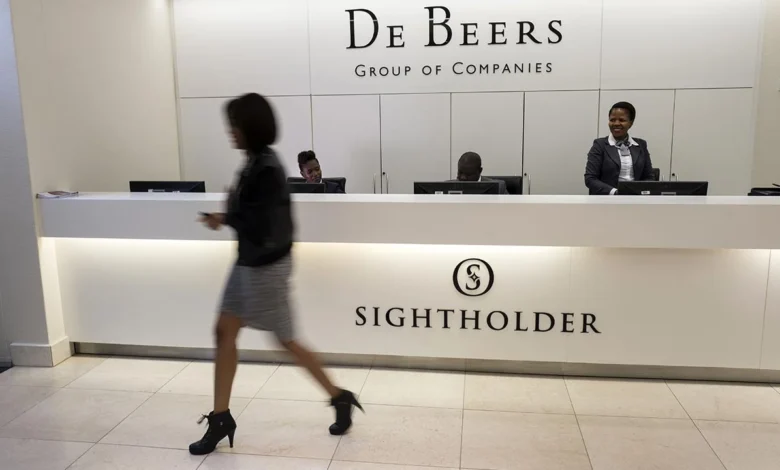
The government of Botswana has officially identified the Global Diamond Consortium, a group led by former De Beers Chief Executive Officer Gareth Penny, as the preferred bidder for the acquisition of De Beers. This landmark announcement, made by Moeti Mohwasa, Botswana’s Minister for State President, Defense, and Security, signals a pivotal turning point for the world’s most iconic diamond company and the broader gemstone industry. The selection follows a highly competitive vetting process initiated by Anglo American, the majority shareholder of De Beers, as it seeks to divest its diamond assets as part of a sweeping corporate restructuring plan.
According to official statements, Anglo American narrowed a broad field of interested parties down to a shortlist of three primary bidders before settling on the Penny-led consortium. The sale, which is expected to be finalized by the fourth quarter of 2026, remains subject to a complex series of regulatory approvals and negotiations, most notably with the government of Botswana, which holds a 15% direct stake in De Beers and remains the company’s most critical sovereign partner.
The Roots of the Divestment: Anglo American’s Radical Restructuring
The decision to put De Beers on the market was not made in isolation. In May 2024, Anglo American’s leadership announced a dramatic shift in corporate strategy, driven by the need to streamline operations and fend off a hostile takeover bid from the Australian mining giant BHP. Under the direction of CEO Duncan Wanblad, Anglo American opted to pivot its focus toward "future-facing" commodities—specifically copper, iron ore, and crop nutrients—while divesting from coal, platinum, and diamonds.
De Beers, which has been under the Anglo American umbrella for decades, found itself at a crossroads. While the brand remains synonymous with luxury and natural diamonds, the industry has faced significant headwinds. A post-pandemic slump in consumer demand, particularly in the crucial Chinese market, combined with an oversupply of polished stones and the rapid rise of lab-grown diamonds (LGDs), has pressured profit margins. By offloading De Beers, Anglo American aims to unlock value for its shareholders and insulate its balance sheet from the cyclical volatility inherent in the luxury goods sector.
The Preferred Bidder: Gareth Penny and the Global Diamond Consortium
The selection of Gareth Penny to lead the preferred consortium is seen by industry analysts as a move toward stability and "institutional memory." Penny served as the CEO of De Beers from 2006 to 2010, navigating the company through the global financial crisis. His deep understanding of the "Diamond Trading Company" (DTC) model—the system of selling rough diamonds to a select group of authorized "sightholders"—is considered a major asset.
The Global Diamond Consortium is expected to focus on restoring the "dream" of natural diamonds. Observers suggest that Penny’s leadership will likely emphasize a return to aggressive category marketing, reminiscent of the "A Diamond is Forever" era, to differentiate natural stones from their synthetic counterparts. The consortium’s bid was reportedly bolstered by a commitment to maintaining the vertically integrated nature of De Beers, which spans from high-tech exploration and mining in Southern Africa and Canada to retail through De Beers Jewellers.
While Penny leads the consortium, the group is backed by significant capital, though the full list of private equity partners and institutional investors remains confidential. The consortium emerged victorious over other heavyweight contenders, including Bruce Cleaver, another former De Beers CEO; Michael O’Keeffe, an Australian mining veteran; and Indian industrialist Anil Agarwal. Interest also came from major Indian diamond manufacturing hubs, specifically the KGK Group and Kapu Gems, highlighting the shift of the industry’s midstream power toward Surat and Mumbai.
The Botswana Factor: Sovereignty and Strategic Leverage
Botswana is not merely a bystander in this transaction; it is the heartbeat of De Beers. The country’s partnership with the company, through the Debswana Diamond Company (a 50/50 joint venture), accounts for the vast majority of De Beers’ annual production by value. For Botswana, diamonds are the cornerstone of the national economy, contributing roughly a third of its GDP and the bulk of its foreign exchange earnings.
Minister Mohwasa emphasized that Botswana holds "complete freedom" regarding its next steps. Under the existing shareholder agreement, the Botswana government possesses preemption rights. This means the state has the legal right to match any offer made by a third party to acquire Anglo American’s 85% stake, or it can choose to partner with the preferred bidder to increase its own equity.
"The government is weighing its options to ensure an optimal structure that protects the national interest," Mohwasa stated. This could involve Botswana increasing its stake beyond 15% to exert more control over downstream activities, such as cutting, polishing, and retail branding. The timing of this sale is particularly sensitive, as it follows a hard-fought 2023 sales agreement between Botswana and De Beers, which will see Botswana’s state-owned Okavango Diamond Company (ODC) receive an increasing share of Debswana’s production—rising to 50% over the next decade.
Industry Context: A Market in Transition
The sale comes at a time of profound transformation for the diamond pipeline. Data from the 2024 Rapaport Intelligence Reports indicates that wholesale prices for natural diamonds have faced double-digit declines over the past 18 months. The rise of lab-grown diamonds has disrupted the lower-end bridal market, forcing De Beers to pivot its marketing strategy toward "rarity" and "provenance."
Furthermore, the industry is grappling with new geopolitical realities. The G7 nations have introduced strict traceability requirements to ban the import of Russian-mined diamonds following the invasion of Ukraine. As the world’s largest producer of ethically sourced, non-conflict diamonds, De Beers (and by extension, Botswana) stands to benefit from these sanctions, provided they can prove the origin of every stone. The new owners of De Beers will inherit "Tracr," the company’s blockchain-based platform designed to provide this transparency.
Timeline and Future Milestones
The path to the fourth quarter of 2026 is paved with significant hurdles. The chronology of the sale is expected to follow this trajectory:
- Q4 2024 – Q1 2025: Formalization of the Sales and Purchase Agreement (SPA) between Anglo American and the Global Diamond Consortium.
- 2025: Detailed due diligence and regulatory reviews in multiple jurisdictions, including South Africa, Namibia, and Canada, where De Beers holds significant mining interests.
- Mid-2025: Finalization of the "New Deal" terms with the Botswana government, including potential adjustments to the 15% state shareholding.
- 2026: Final approvals from competition commissions and the formal handover of operations.
The prolonged timeline—extending nearly two years from the initial announcement—reflects the sheer complexity of the De Beers ecosystem. The company is not just a mining firm; it is a diplomatic entity that manages delicate relationships with four sovereign governments (Botswana, Namibia, South Africa, and Canada).
Implications for the Global Diamond Trade
The successful sale of De Beers to a consortium that understands the heritage of the brand is being viewed as a sign of confidence. If a group led by Gareth Penny is willing to commit billions of dollars to the brand, it suggests a belief that the current market downturn is cyclical rather than structural.
Analysts suggest the "Penny Era 2.0" will likely focus on three pillars:
- Consumer Confidence: Reinvigorating natural diamond marketing to Gen Z and Millennial consumers in the US and India.
- Operational Efficiency: Optimizing mining costs at aging pipes like Jwaneng and Orapa, while advancing the Venetia Underground project in South Africa.
- Technological Integration: Leveraging synthetic diamond technology through De Beers’ Element Six division for industrial and quantum computing applications, while strictly separating it from the luxury gem business.
The sale of De Beers marks the end of an era for Anglo American, which has owned a majority stake in the jeweler since 2011 (and held significant ties for nearly a century). For Botswana, it represents an opportunity to redefine its role from a primary producer to a dominant force in the global luxury value chain. As the Global Diamond Consortium moves toward the finish line in 2026, the industry watches with bated breath, hoping that this change in guard will provide the spark needed to restore the luster of the natural diamond.