Challenging the Gaze: Debora Brune’s New Photobook UNCOOL Redefines Contemporary Beauty Standards

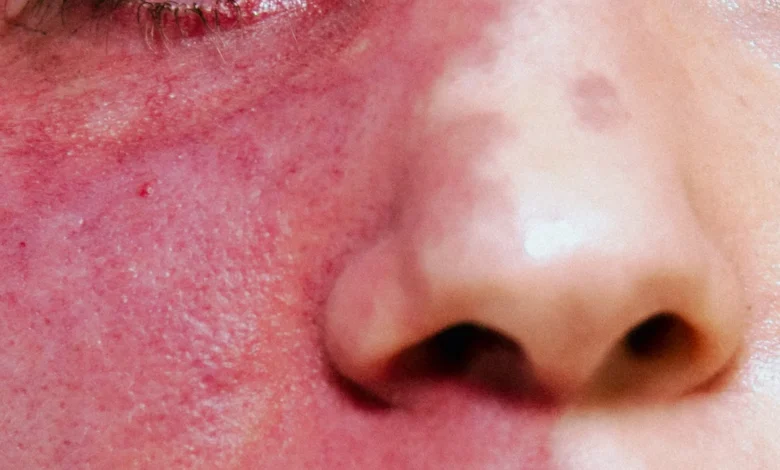
In an era dominated by hyper-curated digital self-presentation, algorithmic optimization, and the pervasive cultural obsession with physical perfection—popularly manifested in internet subcultures like looksmaxxing—photographer Debora Brune has released a profound counter-narrative. Her new publication, UNCOOL, is an uncompromising collection of portraits that dismantle conventional notions of bodily aesthetics. Featuring 27 subjects, including the photographer herself, the book offers a visceral exploration of individuality, autonomy, and the physical forms that routinely find themselves marginalized by mainstream media, fashion, and advertising industries.
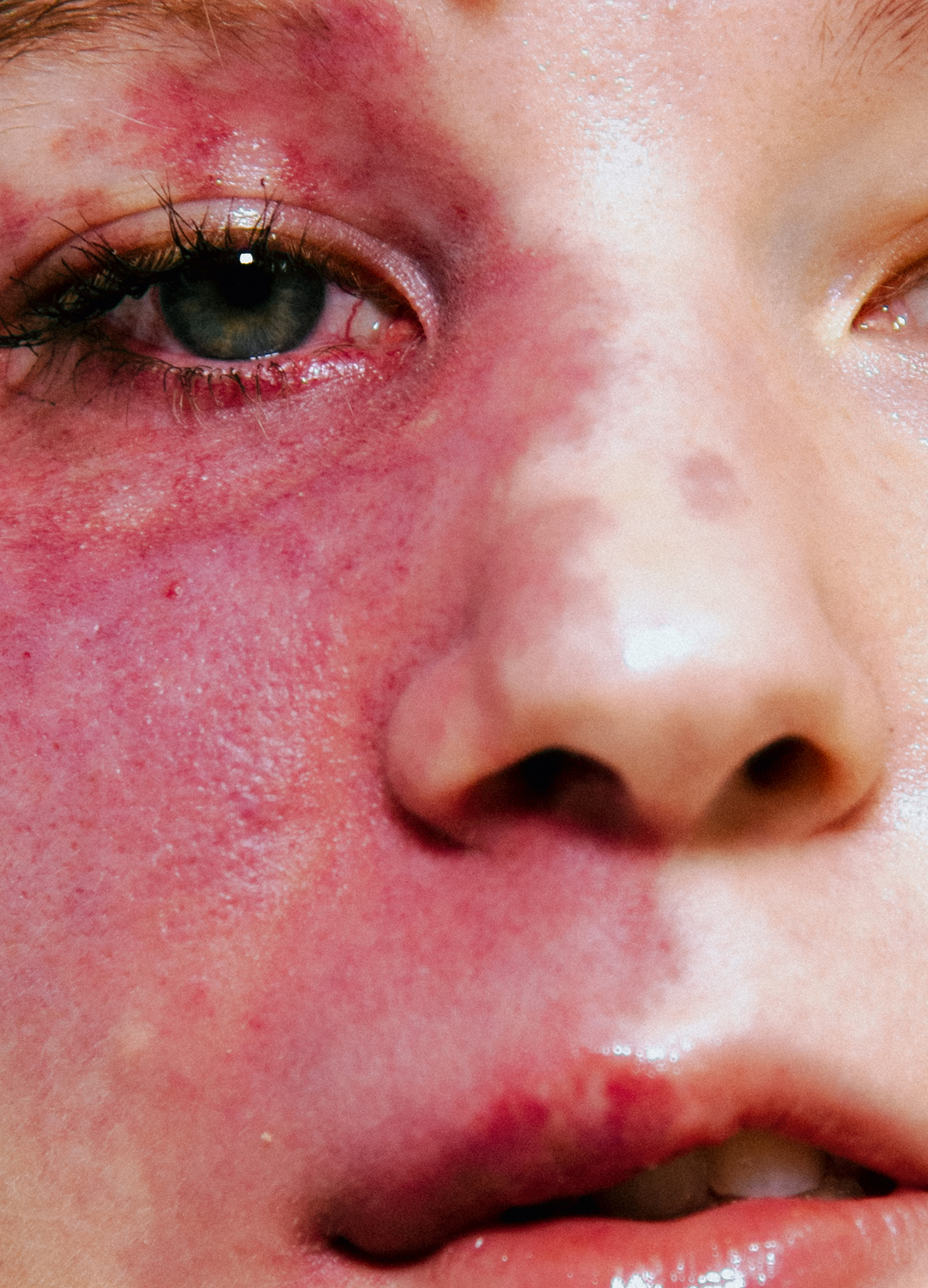
Main Facts and the Premise of UNCOOL
At its core, UNCOOL is a deliberate interrogation of visibility and representation. The subjects featured within its pages comprise a diverse group whose physical traits fall outside socially constructed norms of beauty and ability. Among them are wheelchair users, amputees, cancer survivors, and individuals living with Down syndrome, hearing loss, and visual impairments.
Rather than relying on the tropes traditionally associated with disability representation in media—such as inspirational framing, medicalized pity, or deliberate sanitization—Brune approaches her subjects with the raw, uncompromising aesthetic typically reserved for high-fashion editorials and avant-garde portraiture. The project asks a fundamental question: Which bodies are normally granted visibility, and under what conditions?

By applying the same rigorous creative ambition, dramatic lighting, and unapologetic framing to bodies that society frequently labels as disordered or flawed, Brune subverts standard photographic hierarchies. What might conventionally be misread as undesirable or "wrong" becomes a point of striking visual specificity, forming the structural foundation of the images themselves.
Background Context: The Evolution of Representation in Photography
The release of UNCOOL arrives at a critical juncture in contemporary visual culture. For decades, the representation of disability and non-normative bodies in mainstream photography has oscillated between two extremes: clinical invisibility or exploitative sentimentality. Historically, documentary photographers captured physical differences primarily through a medical or ethnographic lens, reinforcing the perception of the disabled body as "other."

In recent years, while the fashion and advertising sectors have taken nominal steps toward inclusivity, tokenism remains rampant. Campaigns frequently feature sanitized versions of diversity that fail to challenge underlying structural biases. Models with visible differences are often utilized to project corporate virtue rather than to challenge viewer discomfort or provoke genuine aesthetic appreciation.
Brune’s work steps directly into this tension. By refusing to soften, integrate, or explain away the physical realities of her subjects, she bypasses the standard expectations of charitable representation. The subjects are presented not as passive objects of sympathy, but as active participants commanding the frame with agency and presence. As subject Kjell succinctly observes, encapsulating the underlying ethos of the project: "I no longer want to explain myself as a body."

Chronology and Development of the Project
The creation of UNCOOL represents a culmination of years of artistic inquiry by Brune into corporeality and identity.
- Early Conceptualization: The foundational ideas for the project germinated from Brune’s ongoing critique of how modern visual media standardizes human form. Recognizing the saturation of homogenous imagery in commercial photography, she began conceptualizing a series that would completely upend traditional aesthetic values.
- Casting and Collaboration: Rather than sourcing models through conventional commercial agencies, Brune engaged directly with communities of individuals living with diverse physical conditions. The process involved extensive dialogue, ensuring that each portrait was collaborative and respected the autonomy of the participant.
- The Inclusion of Self-Portraiture: Notably, Brune includes herself among the 27 portraits, integrating her own physical reality into the visual dialogue. This choice collapses the traditional distance between the observer and the observed, placing the photographer within the same critical framework as her subjects.
- Publication and Distribution: Following the completion of the photographic series and accompanying interviews, UNCOOL was published internationally, quickly garnering attention within contemporary art and documentary photography circles for its uncompromising visual stance.
Supporting Data and Demographic Context
To understand the cultural resonance of UNCOOL, it is vital to examine the broader demographic landscape surrounding physical difference and societal perception. According to global health statistics, approximately 16% of the world’s population—roughly 1.3 billion people—experience significant disability today. Despite representing over one-seventh of the global population, disabled individuals remain vastly underrepresented or stereotyped in commercial imagery, fashion, and mainstream media.

Psychological studies on visual media consumption indicate that prolonged exposure to hyper-idealized, digitally altered body types directly correlates with rising rates of body dissatisfaction, anxiety, and low self-esteem among the general public. Concurrently, research in media sociology demonstrates that authentic, non-tokenistic representation of diverse bodies significantly reduces societal stigma and fosters higher levels of social inclusion. Brune’s work directly addresses this representation gap, offering a visual vocabulary that validates physical diversity as a natural and compelling aspect of the human spectrum.
Participant Perspectives and Collaborative Methodology
A defining characteristic of UNCOOL is its integration of personal narratives alongside the portraiture. The book is not merely a visual catalog; it incorporates interviews with the 27 participants, giving literal voice to those whose identities are frequently flattened by external assumptions.

Subjects such as Natalie-Amber, Hannah, Gui, Apollonia, Lauren H., Sophie, Catrian, Kjell, Helene, and the various Laurens featured in the project bring distinct lived experiences to the project. Through these interviews, the book highlights the psychological exhaustion of navigating a world built for a narrow definition of bodily normality. The subjects articulate the desire to move beyond the societal compulsion to justify their existence, manage others’ discomfort, or serve as perpetual inspirations.
By treating her subjects with artistic rigor rather than kid gloves, Brune allows their individual personalities, strength, and complexities to anchor the photography. The images do not ask the viewer to feel pity or admiration; instead, they demand direct, unmediated visual engagement.

Broader Impact and Implications
The release of UNCOOL holds significant implications for multiple fields, including contemporary art, media theory, and disability studies.
- Challenging the Digital Beauty Paradigm: In an online ecosystem dominated by "looksmaxxing" forums, facial symmetry metrics, and algorithmic filters designed to eradicate physical idiosyncrasies, UNCOOL serves as a stark antidote. It asserts that human value and visual fascination lie precisely in our deviations from the algorithmic mean.
- Shifting Curatorial Standards: Art critics note that projects like Brune’s challenge galleries, publishers, and curators to re-examine their own biases regarding what constitutes commercially viable or aesthetically pleasing art. By proving that uncompromising documentary portraiture centered on non-normative bodies possesses profound aesthetic and cultural power, UNCOOL expands the boundaries of contemporary photography.
- Redefining Cultural Empathy: Ultimately, the book encourages a shift from passive tolerance to active visual literacy. It forces viewers to confront their own ingrained discomforts and assumptions about the human form.
As UNCOOL circulates globally, it stands as a testament to the power of photography to not only reflect reality, but to aggressively reshape how society perceives beauty, agency, and human dignity.