Solid vs Semi-Hollow Fine Jewelry: A Comprehensive Guide to Material Integrity and Investment Value

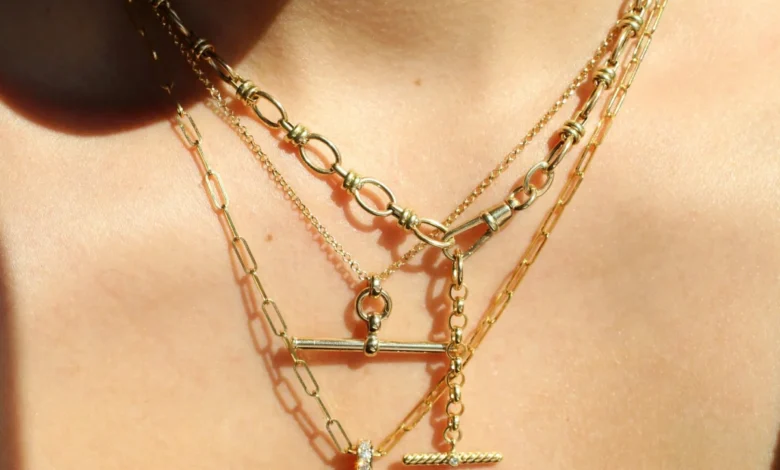
The fine jewelry market is defined by a dichotomy of construction methods that directly influence the longevity, marketability, and wearability of precious metal pieces. Consumers often navigate the choice between solid gold—jewelry composed of karat gold throughout—and semi-hollow gold, which utilizes a tube-like internal structure to reduce metal volume while maintaining an identical aesthetic profile. Understanding the metallurgical and structural differences between these two categories is essential for collectors, investors, and daily wearers, as each serves distinct functional requirements within a jewelry wardrobe.

Metallurgical Definitions and Structural Composition
In the context of the precious metals industry, solid gold is defined as jewelry constructed from karat gold—typically 10k, 14k, or 18k—where the cross-section of the metal is dense and continuous. This manufacturing method ensures the maximum amount of pure gold content by weight, providing a structural integrity that is resistant to deformation.
Conversely, semi-hollow or hollow jewelry represents a sophisticated engineering approach to metalwork. These pieces are crafted by shaping gold sheets into tubes or wire forms, creating a void in the center. While the exterior surface is composed entirely of genuine karat gold, the internal cavity significantly reduces the weight and the total gold content of the item. Historically, this technique was developed to allow for larger, bolder designs that would be prohibitively heavy and expensive if cast in solid gold.

Chronological Evolution of Jewelry Manufacturing
The shift toward semi-hollow manufacturing traces back to the mid-20th century, coinciding with the fluctuating global price of gold and the rise of fashion-forward, oversized jewelry trends. During the 1970s and 1980s, the demand for "statement" pieces—such as thick, oversized hoop earrings and chunky chains—surged. To meet this consumer demand without making the cost of entry inaccessible, manufacturers refined the process of electroforming and tube-drawing.
In the contemporary era, the rise of e-commerce and the globalization of the jewelry supply chain have made these two categories more accessible than ever. However, the distinction remains critical: whereas vintage solid pieces are frequently sought after for their reclaim value, vintage semi-hollow pieces often show signs of structural fatigue, such as indentations or "kinks," which are common side effects of long-term wear on thin-walled structures.

Comparative Analysis: Durability and Maintenance
The primary concern for collectors regarding semi-hollow jewelry is its susceptibility to physical damage. Because the metal walls are thin, they are prone to denting upon impact. Once a semi-hollow piece is dented, repair is notoriously difficult, if not impossible, because the jeweler cannot reach the interior to "pop" the metal back into place without causing further damage to the exterior surface.
Solid gold, by contrast, offers superior resistance to the environmental and mechanical stresses of daily life. For items subject to high levels of impact, such as rings worn on the hands or bracelets, solid gold is the industry-recommended standard. The "heft"—a term frequently used in the trade to describe the tactile sensation of the weight of a piece—serves as a primary indicator of quality and durability. Professional appraisals often prioritize solid construction for high-value items, as the piece can be resized, laser-welded, and polished multiple times over several decades without losing significant structural integrity.

Economic Implications and Investment Considerations
From an investment perspective, the value of fine jewelry is bifurcated into two components: the intrinsic value of the gold content and the aesthetic/brand value. Solid gold pieces function as a store of value, with their market price often tracking alongside the spot price of gold. Because the gold content is higher, the "scrap" value of a solid piece remains a significant portion of its total price.
Semi-hollow jewelry, however, carries a higher "premium for labor." Because the manufacturing process for hollow tubes is more complex than casting a solid form, the price per gram is often higher for semi-hollow items. Investors should note that when selling or liquidating semi-hollow pieces, the return on investment is lower compared to solid gold because the weight—and therefore the intrinsic melt value—is lower.

Strategic Acquisition: Choosing the Right Piece for the Context
Industry experts suggest that the decision to purchase solid versus semi-hollow should be driven by the intended utility of the piece.
- High-Stress Zones: Rings and bracelets are classified as "high-abuse" items. Given that hands are in constant contact with hard surfaces, desks, and other objects, solid gold is the preferred choice to ensure longevity.
- Low-Stress Zones: Earrings and large-scale neck chains are ideal candidates for semi-hollow construction. For large hoops or heavy-looking chains, solid gold would often be too heavy for comfortable, long-term wear. The weight reduction inherent in semi-hollow pieces allows for "big-look" fashion without the physical strain on the earlobe or neck.
- Trend-Based Purchasing: For fast-moving fashion trends, semi-hollow jewelry provides an entry point into the aesthetics of fine gold at a lower price bracket. This allows the consumer to enjoy the benefits of real gold—hypoallergenic properties, luster, and longevity—without the capital commitment of a solid gold statement piece.
Professional Insights and Market Outlook
Leading jewelers and industry analysts emphasize that neither category is inherently "better," but rather that both satisfy different consumer needs. A well-rounded collection typically features a mix of both: solid gold "workhorses" that serve as the foundation of the collection, and semi-hollow "fashion" pieces that offer versatility and comfort.

Retailers are increasingly transparent about these distinctions, as consumer literacy regarding gold weight and manufacturing processes has risen. As the market continues to evolve, the focus on "cost-per-wear" is becoming a critical metric for buyers. A solid gold ring, while expensive, may last a lifetime, whereas a semi-hollow necklace may serve a specific stylistic purpose for several years.
Conclusion: The Informed Collector
The distinction between solid and semi-hollow jewelry is a fundamental aspect of fine jewelry literacy. By understanding that solid gold is an investment in durability and material weight, while semi-hollow gold is an engineering solution for comfort and aesthetic scale, consumers can make more informed purchasing decisions. Whether seeking an heirloom-quality piece that can be resized and passed down through generations or a lightweight, bold design for daily fashion, recognizing these structural differences ensures that the value of the jewelry aligns with the wearer’s long-term expectations. In a market where craftsmanship is as important as the precious metal itself, the choice between solid and hollow is ultimately a choice of utility, longevity, and personal style.