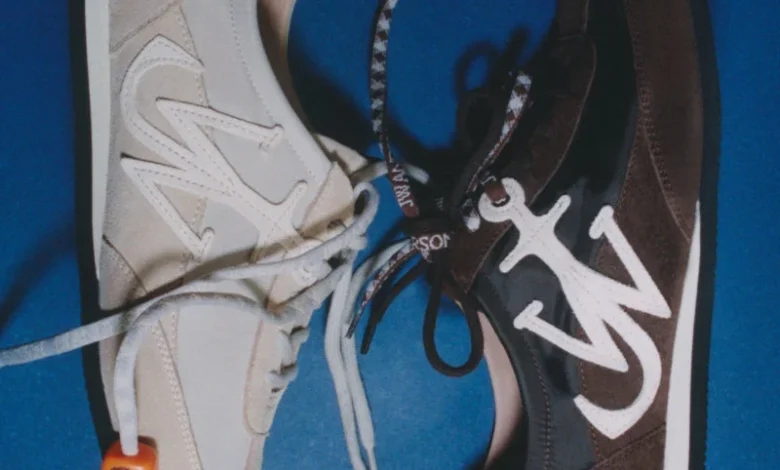
JW Anderson has officially entered the competitive landscape of proprietary footwear with the launch of the Anchor Sneaker, marking a significant milestone for the London-based fashion house. As the first sneaker produced entirely under the brand’s internal creative direction, the release signals a strategic shift in Jonathan Anderson’s vision for his eponymous label, bridging the gap between high-fashion conceptualism and technical sportswear utility. The silhouette, which debuted in late November 2026, is engineered to cater to a modern wardrobe that demands both aesthetic refinement and ergonomic functionality.

The design philosophy behind the Anchor Sneaker draws heavily upon the proportions of vintage running shoes—an era characterized by a streamlined, minimalist profile—while incorporating contemporary manufacturing techniques. By moving toward a more athletic direction, the house is diversifying its portfolio, moving away from its more traditional leather goods and runway-focused footwear to capture a broader consumer demographic that prizes comfort without sacrificing the luxury brand’s signature identity.

Design and Materiality: An Intersection of Heritage and Innovation
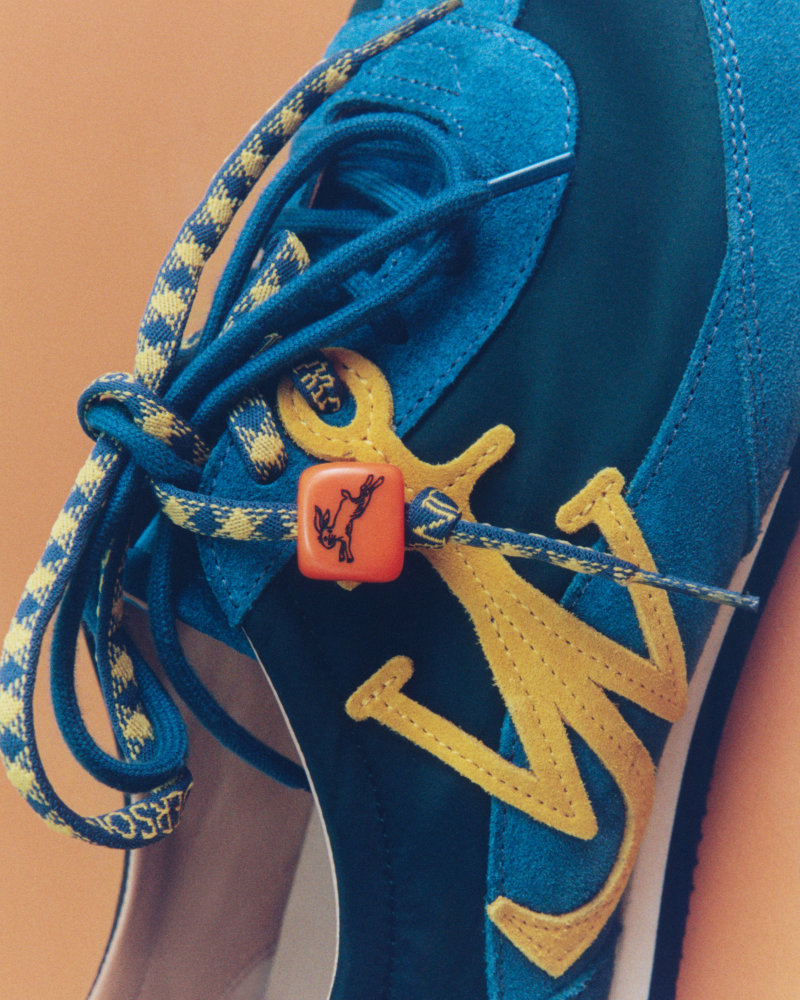
At its core, the Anchor Sneaker is a study in material contrast. Crafted in Italy, the shoe utilizes a combination of lightweight, breathable nylon and high-quality Italian calf suede. This juxtaposition of materials serves both a structural and aesthetic purpose: the nylon provides the necessary flexibility and weight reduction for daily wear, while the suede overlays offer durability and a touch of sartorial elegance.
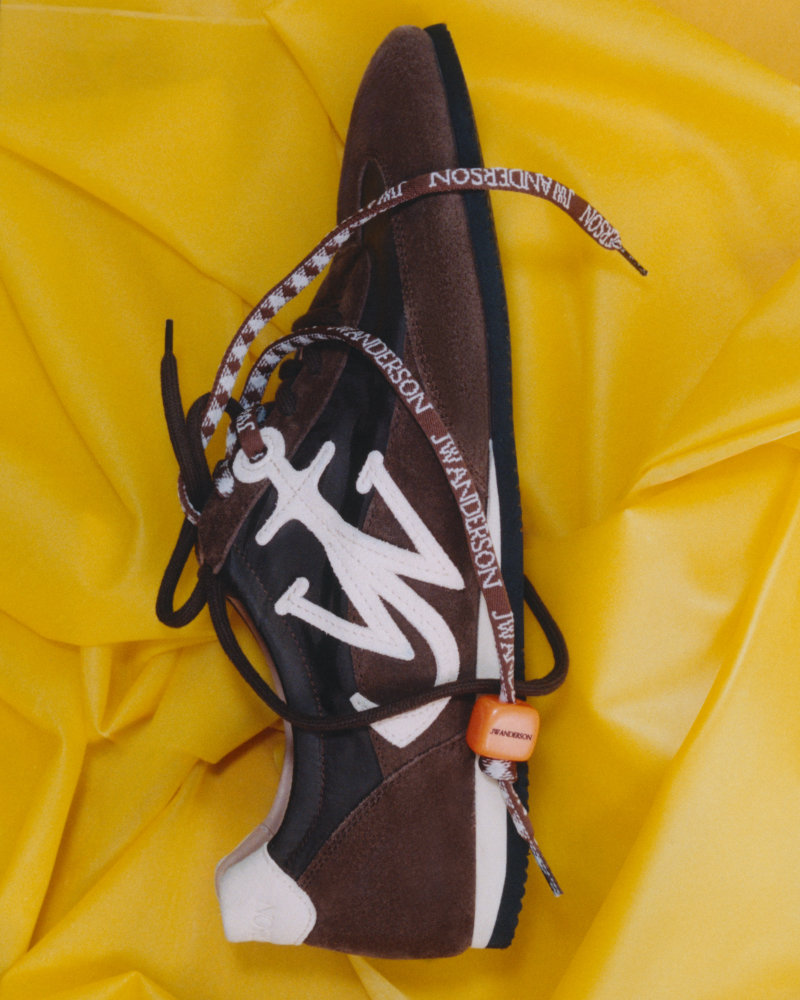
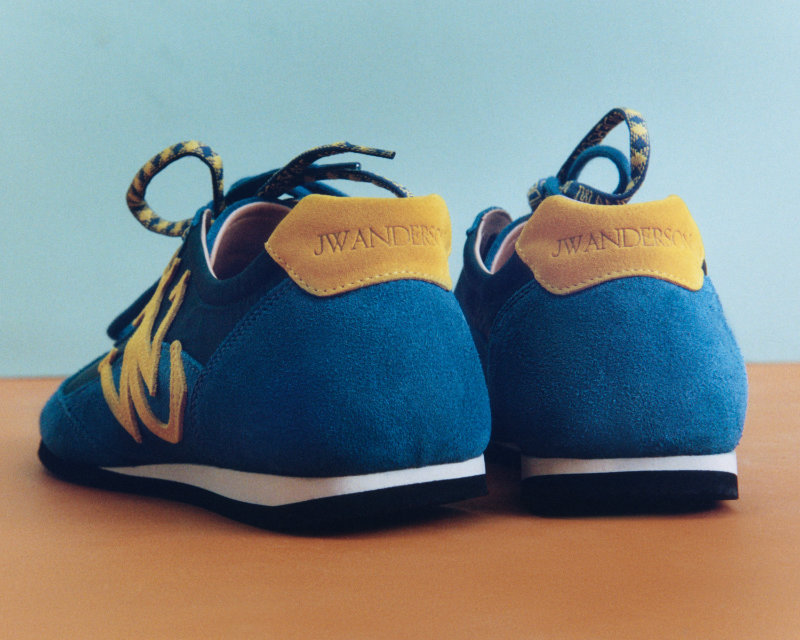
A defining feature of the design is its subtle, house-specific branding. The eponymous anchor motif—a recurring element in JW Anderson’s collections derived from Jonathan Anderson’s grandfather’s personal coat of arms—is prominently featured across the upper. This serves to ground the sneaker within the brand’s narrative history. Furthermore, the inclusion of a "Run Rabbit" charm attached to the shoelace acts as a playful, recognizable hallmark, a design quirk that aligns with the brand’s penchant for eccentricity. A blind-embossed JW Anderson logo is positioned discreetly on the heel, ensuring that the branding remains understated and sophisticated.
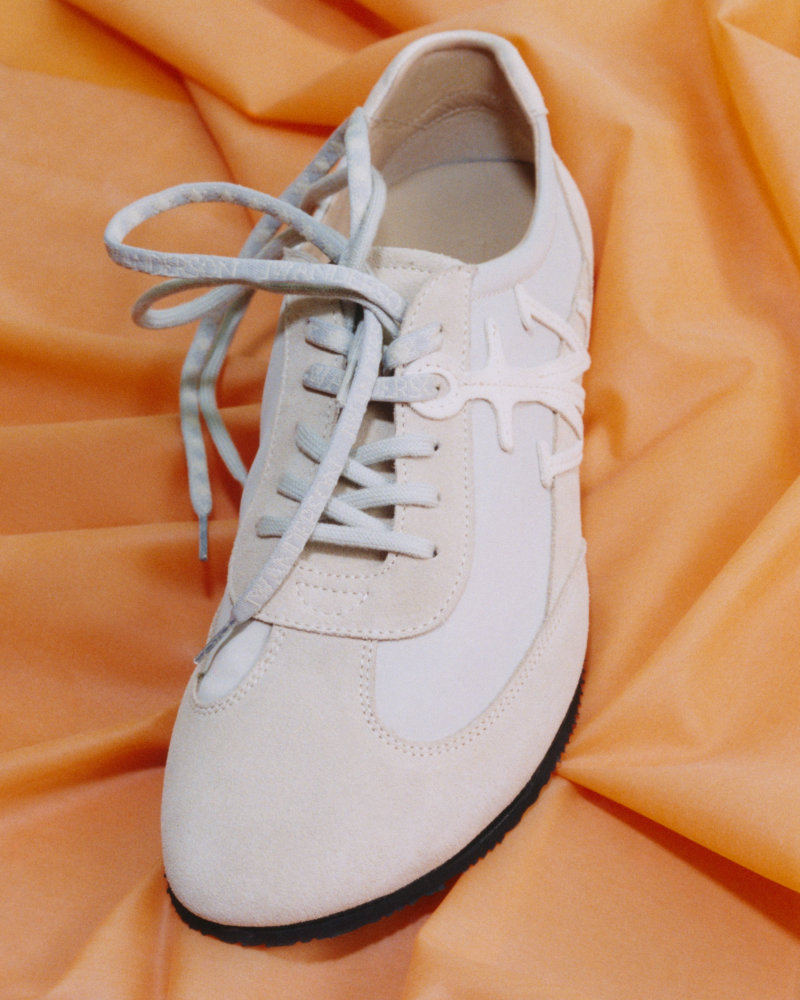
From a functional standpoint, the shoe is built on a lightweight EVA (Ethylene Vinyl Acetate) rubber sole. The choice of EVA is deliberate; it provides superior cushioning and impact absorption, which is critical for a sneaker intended for extended periods of wear. The construction is characterized by an ergonomic asymmetry, which addresses the natural gait of the wearer, reflecting the brand’s commitment to technical precision.
Chronology and Market Entry
The development of the Anchor Sneaker represents a long-term strategic investment by JW Anderson. While the brand has previously collaborated on footwear with entities like Converse and Wellipets, the Anchor Sneaker is the first instance of the house owning the entire production cycle from design to manufacturing.

- Early 2026: Initial design conceptualization begins, focusing on blending vintage athletic silhouettes with modern comfort standards.
- Mid-2026: Prototype development in Italy, emphasizing the sourcing of premium nylon and calf suede.
- October 2026: Finalization of the campaign imagery and selection of brand ambassadors Conor Sanchez and Dree Hemingway.
- November 26, 2026: The official global release date, with availability across JW Anderson flagship stores and the company’s official digital platform.
The launch strategy was supported by a campaign photographed by Sam Khoury. By selecting collaborators like Sanchez and Hemingway—individuals who are well-integrated into the brand’s orbit—the house emphasized continuity and brand loyalty. The imagery, which features the sneaker in a variety of contexts, highlights its versatility, suggesting that the product is intended to transition seamlessly from casual environments to more curated, fashion-forward settings.

Market Context and Industry Implications
The footwear market, particularly the premium sneaker segment, has seen a consolidation of power among established athletic giants and luxury houses. For a mid-sized, independent luxury brand like JW Anderson, launching a proprietary sneaker is a high-stakes endeavor. Industry analysts suggest that this move is a calculated response to the "sneakerization" of the luxury market.

Luxury consumers are increasingly moving away from formal footwear in favor of high-end sneakers that offer the same level of craftsmanship as a traditional Oxford or loafer. By producing a sneaker that is explicitly "made in Italy," JW Anderson is positioning itself to capture the segment of the market that demands the prestige of European manufacturing alongside the comfort of sportswear.
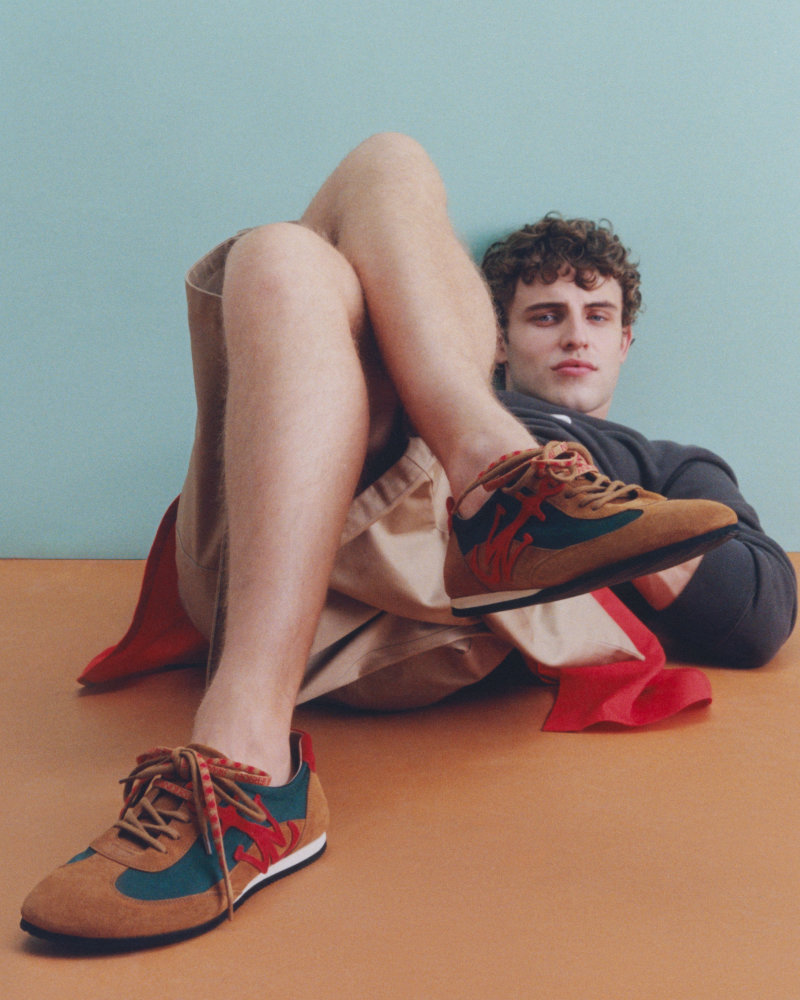
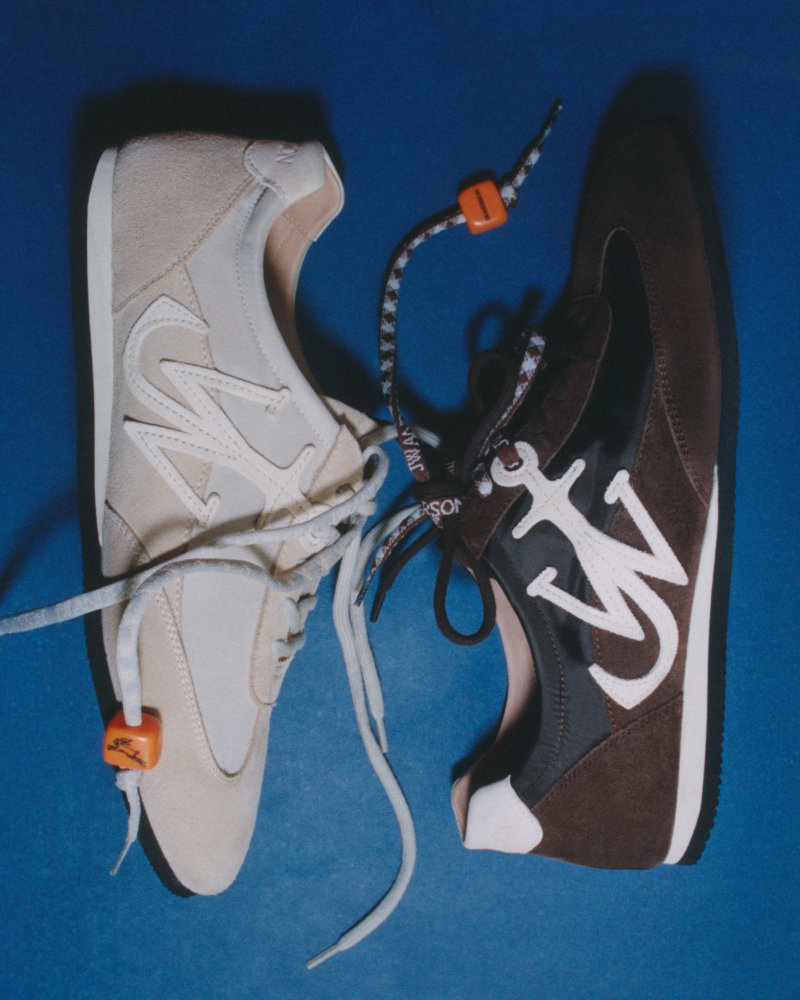
The financial implications of this launch are significant. Footwear often serves as a "gateway" product for luxury houses, allowing them to attract younger consumers who may not yet be in the market for high-ticket ready-to-wear items. The Anchor Sneaker, offered in a range of colors including Blue, Tan, Off White, and Brown, is designed to be accessible enough for a broad audience while maintaining the exclusivity associated with the brand’s name.

Strategic Shift and Future Outlook
Jonathan Anderson has long been credited with a unique ability to anticipate shifting cultural tastes. His tenure at both Loewe and his own brand has been defined by a constant interrogation of what "luxury" means in a digital, fast-paced era. The introduction of the Anchor Sneaker fits neatly into this narrative. It is not merely a piece of sportswear; it is an extension of the JW Anderson wardrobe that prioritizes the movement and pace of modern life.

Looking forward, the success of the Anchor Sneaker will likely determine whether the brand continues to expand its in-house footwear manufacturing. If the response to the initial colorways and the adoption rate among key fashion influencers remain strong, it is probable that the house will introduce additional silhouettes, potentially exploring more technical materials or high-performance iterations.

Furthermore, the emphasis on "ergonomic asymmetry" is a point of interest for industry observers. While many luxury brands prioritize form over function, the explicit mention of ergonomics in the brand’s marketing material suggests that JW Anderson is making a genuine play for the functional footwear market. This aligns with a broader trend in the fashion industry where comfort-focused design—once considered the antithesis of luxury—is now a core tenet of high-fashion product development.
Conclusion
The launch of the Anchor Sneaker serves as a testament to the maturation of the JW Anderson brand. By internalizing the production of its footwear, the label is asserting greater control over its aesthetic and quality standards. The sneaker is a calculated synthesis of the brand’s heritage, as seen in the anchor motif, and its future, as seen in the adoption of lightweight, technical construction.
For the consumer, the shoe offers a compelling proposition: the cachet of a designer label with the practical utility of a well-engineered sneaker. As the brand continues to navigate the complexities of the 2026-2027 retail landscape, the Anchor Sneaker stands as a cornerstone of its new footwear category, proving that even a heritage-inspired house can successfully pivot to the demands of modern athletic fashion. Whether the design will achieve the "cult status" of previous collaborations remains to be seen, but the initial reception suggests that the Anchor Sneaker is well-positioned to become a permanent fixture in the house’s seasonal offerings.
Related posts: