How Volvo Infused Scandinavian Nature and Sustainable Innovation into the All-Electric EX60

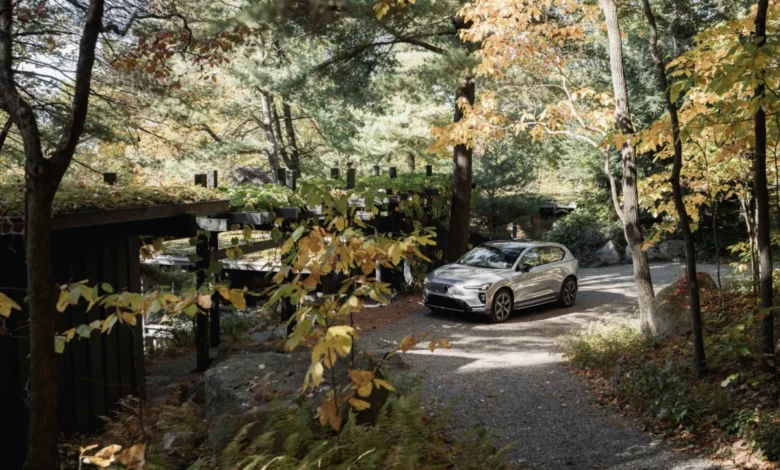
The automotive industry has long treated interior design as an exercise in manufacturing efficiency, relying on uniform synthetics, polished plastics, and mass-produced leather hides to satisfy global markets. However, as the sector rapidly pivots toward full electrification, automakers are reassessing the sensory and psychological experience of the cabin. For Volvo Cars, this paradigm shift has culminated in a deliberate return to its Nordic roots. With the introduction of the all-electric EX60 and its rugged counterpart, the EX60 Cross Country, the Swedish manufacturer is redefining modern luxury through a meticulous synthesis of organic textures, regional heritage, and sustainable manufacturing practices. Overseen by Sara Erichsen Susnjar, senior color and material design manager with a two-decade tenure at the company, the design of the EX60 turns away from sterile high-tech minimalism in favor of a deeply tactile narrative rooted in the Scandinavian landscape.
The Genesis of Nordic Materiality: A Chronology of Inspiration
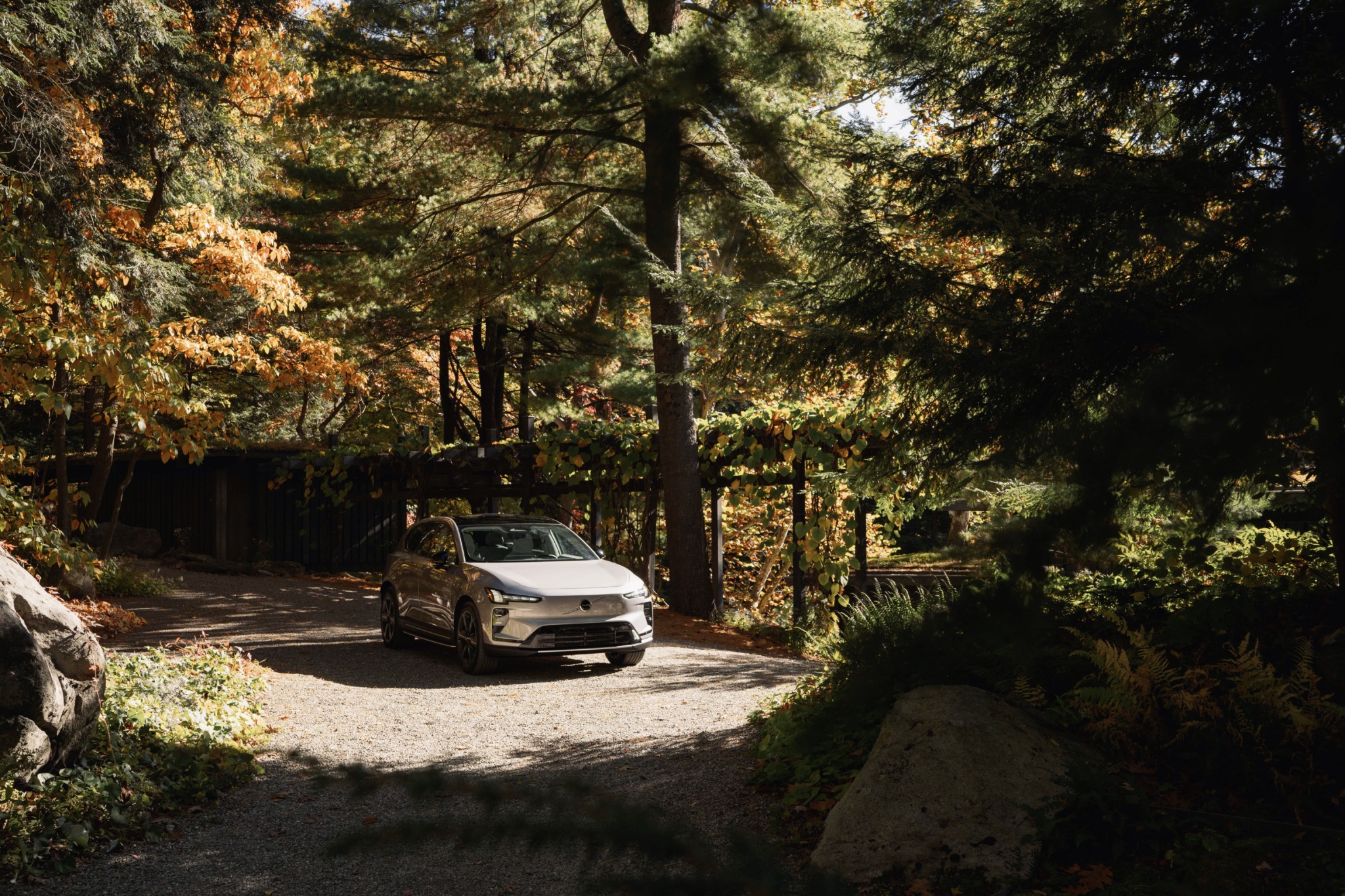
The development of the EX60 interior did not begin in a computer-aided design suite, but rather along the mossy footpaths and dense tree lines surrounding Volvo’s design studios in Sweden. For Erichsen Susnjar and her team, the creative process is intrinsically linked to the physical environment. Over a multi-year development timeline leading up to the vehicle’s production launch, the design team instituted a routine of foraging during lunch breaks, coffee intervals, and quiet moments of reflection.
What started as casual walks evolved into a formal material sourcing expedition. Designers collected mushrooms, fallen twigs, rough-hewn stones, patches of forest moss, and indigenous herbs, bringing these biological artifacts back into the studio for rigorous analysis. Each specimen was examined under microscopic lenses to catalog its unique cellular patterns, color gradients, and tactile qualities. These natural findings were subsequently cast in resin or digitized into high-resolution assets, serving as foundational prompts for the cabin’s overarching aesthetic.
By translating these biological motifs into automotive applications, Volvo successfully embedded fragments of the Swedish wilderness into the architecture of the vehicle. Traces of this empirical field research manifest in the subtle patterns etched into seatbacks and door panels, as well as the carefully calibrated shade of the base carpet, which mirrors the organic decay and earthy tones of a Nordic forest floor.

Translating Coastal Geography and Botanical Aesthetics
Beyond the immediate vicinity of the Swedish studio, the EX60 design narrative expands to encompass broader regional geography. A cornerstone of the vehicle’s visual identity is a signature motif inspired by a pilgrimage to Skagen, Denmark, where the Skagerrak and Kattegat seas converge. Stationed at the northernmost tip of Denmark, the design team observed the intricate, crisscrossing wave patterns generated by the collision of two distinct bodies of water.
This dynamic fluid dynamic was translated into a sophisticated geometric pattern. Rather than serving a purely decorative function, the motif was strategically engineered to address manufacturing efficiency and waste reduction. Perforated directly into the vehicle’s ventilated Nordico upholstery, applied to the subwoofer acoustic mesh, stamped onto the Core version’s decor panels, molded into rubber floor mats, and integrated into the knitted seats of the EX60 Cross Country, the wave pattern optimizes material cutting yields. Because the pattern adapts to the contours of the various components, no two seat interiors are precisely identical, lending each vehicle a bespoke quality traditionally reserved for coach-built automobiles.

The exterior color palette mirrors this sophisticated interplay between natural elements and industrial precision. Developed in tandem with the interior, exterior hues such as Forest Lake and Heather Bronze balance light and dark, warm and cool spectrums. Heather Bronze, in particular, draws its inspiration from the oxidation of weathered metals over decades and the warm, amber cast of blooming heather fields during the Scandinavian autumn.
Balancing High-Tech Precision with Organic Imperfection
Inside the cabin, the EX60 navigates the delicate tension between digital utility and tactile comfort. The dashboard is anchored by a sprawling 15-inch curved OLED display powered by an integrated Google operating system, offering drivers seamless access to navigation, media, and vehicle controls. Rather than allowing this heavy technological presence to dominate the cabin’s atmosphere, the design team leveraged natural materials to establish a deliberate, grounding contrast.

Tailored wool-blend upholstery and sustainably sourced ash wood decor sit in direct juxtaposition with the high-resolution glass screen. According to Erichsen Susnjar, this duality is essential for establishing an emotional connection between the driver and the machine. Natural materials inherently possess biological variations and microscopic imperfections that cannot be artificially replicated by industrial machinery. Consequently, these discrepancies impart warmth, character, and a distinct sense of soul to the vehicle, ensuring that every produced cabin remains a singular, non-replicable environment.
Furthermore, the vehicle’s ambient lighting system offers six distinct color profiles, complemented by an innovative feature known as Forest Leaves Projection. Developed by a specialist designer within the Volvo studio and expanded through collaborative team workshops, the system projects the shifting silhouettes of a forest canopy across the interior surfaces, effectively dissolving the boundary between the enclosed cabin and the outdoor environment.
Data, Sustainability, and Production Implications

Volvo’s material strategy for the EX60 aligns with broader corporate sustainability commitments aimed at achieving net-zero greenhouse gas emissions and transitioning entirely to electric vehicle production. By prioritizing bio-attributed and recycled materials—such as the Nordico upholstery, which utilizes tall oil from sustainably managed Swedish forests, and recycled PET bottle polymers integrated into the floor mats—the company addresses the escalating regulatory and consumer demand for transparent supply chains.
The integration of geometric cutting optimization, as demonstrated by the Skagen-inspired wave motif, yields quantifiable reductions in manufacturing waste. In an industry where textile and hide scrap rates can account for significant material loss during the stamping and cutting phases, algorithmic layout adjustments driven by pattern design represent a critical step toward lean manufacturing. By designing patterns that interlock seamlessly across variable sheet dimensions, Volvo minimizes the volume of raw material dispatched to landfills.
Industry Analysis and Market Implications

From a broader market perspective, the design ethos of the EX60 highlights a significant evolution in how premium automakers differentiate their products in an increasingly saturated electric vehicle landscape. As performance metrics—such as battery range, acceleration times, and charging speeds—become commoditized across competing brands, interior ambiance and material authenticity have emerged as primary competitive differentiators.
Industry analysts note that consumers purchasing vehicles in the luxury electric segment are increasingly driven by values associated with conscious consumption, holistic wellness, and understated design. Volvo’s approach, which eschews hyper-aggressive styling and ostentatious chrome accents in favor of biophilic design principles, directly targets this demographic. By rooting the EX60’s aesthetic in verifiable regional geography and sustainable material science, the manufacturer reinforces its brand equity as a purveyor of thoughtful, human-centric innovation.
As the EX60 rolls out to global markets, it stands as a testament to the viability of translating abstract environmental concepts into scalable industrial manufacturing. By allowing the natural world to dictate the parameters of color, pattern, and texture, Volvo Cars has not only honored its Scandinavian heritage but has also established a forward-looking benchmark for sustainable luxury design in the electric vehicle era.