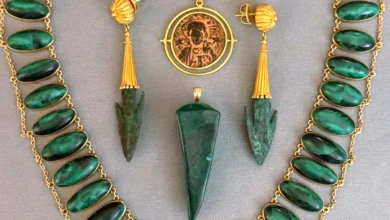
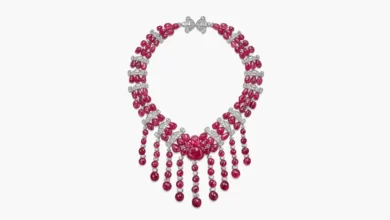
The Strategic Shift Toward Fine Jewelry: Building a Sustainable Investment Capsule Wardrobe

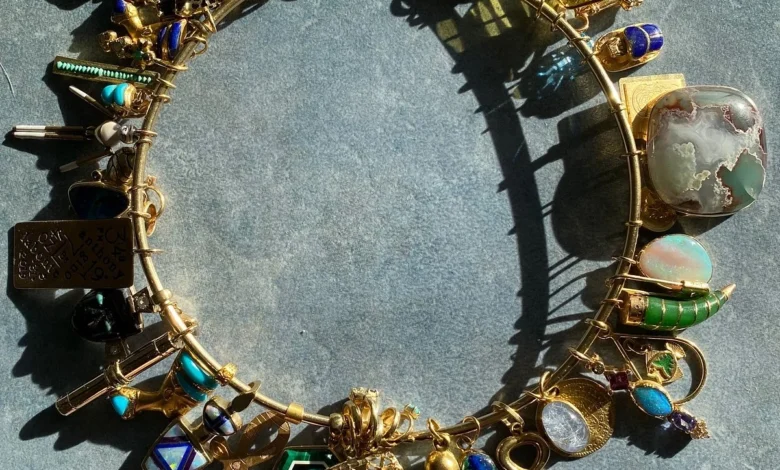
With gold prices consistently reaching record highs in global financial markets, the approach to personal accessory acquisition has undergone a significant paradigm shift. For decades, the fashion industry leaned heavily into the "fast fashion" model, where gold-plated and costume jewelry provided an inexpensive way to follow fleeting trends. However, as the spot price of gold continues its upward trajectory—driven by central bank acquisitions, geopolitical instability, and a hedge against inflation—consumers are increasingly pivoting toward fine jewelry as both a stylistic choice and a tangible asset. This transition marks a departure from transient consumerism toward a "capsule wardrobe" methodology, emphasizing long-term value, durability, and the preservation of capital.
The Economic Context of Gold as an Asset Class
To understand the current movement toward karat gold, one must examine the broader economic landscape. As of 2024, gold prices have seen unprecedented volatility that has generally favored the upside. According to data from the World Gold Council, central banks worldwide have been purchasing gold at a record pace, signaling a lack of confidence in fiat currency stability and a desire to diversify reserves. When the metal itself becomes significantly more expensive, the cost of manufacturing fine jewelry rises, effectively rendering low-quality, gold-plated items an inefficient use of capital.
While a gold-plated item may lose its aesthetic value within months due to tarnishing or base-metal exposure, fine jewelry—defined as pieces made from solid karat gold, platinum, or high-quality silver—retains an intrinsic value tied to the underlying commodity. Unlike costume pieces, which are typically discarded or relegated to waste, fine jewelry is essentially a portable store of wealth. This realization has prompted a "quality over quantity" shift, mirroring the broader sustainable fashion movement that prioritizes circularity and longevity over disposable trends.
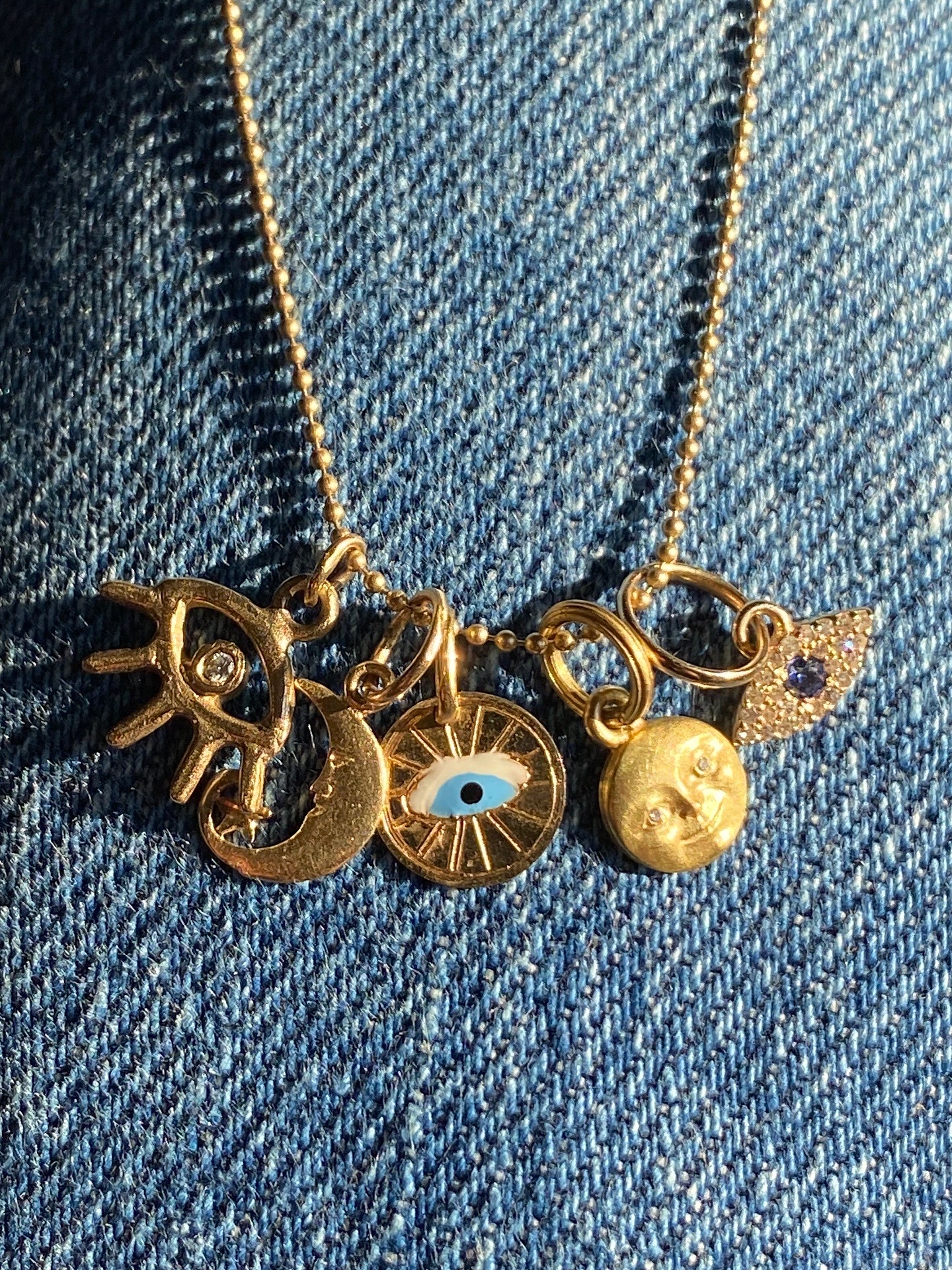
The Evolution of the Capsule Wardrobe Concept
The concept of a "capsule wardrobe" originated in the 1970s, popularized by boutique owners and designers who sought to minimize consumer clutter by advocating for a collection of interchangeable, timeless pieces. In the context of fine jewelry, this strategy involves selecting a curated set of items that can be styled for various occasions, thereby reducing the need for constant replenishment.
Historically, jewelry collections were often built haphazardly, based on seasonal whims or impulse purchases. A structured, intentional approach allows the collector to view their jewelry box as a portfolio. By identifying specific categories—necklaces, earrings, bracelets, rings, and specialized adornments—individuals can systematically fill gaps in their collection with pieces that offer maximum versatility.
A Chronological Framework for Collection Building
Building a high-value jewelry collection is a multi-stage process that requires financial planning and stylistic discernment. Experts suggest a five-phase approach to building a cohesive, investment-grade wardrobe:
- Inventory Assessment: The initial stage involves cataloging existing items to determine what serves as a "staple" and what is redundant. This stage requires an objective look at one’s lifestyle; if a person rarely wears formal evening wear, a collection dominated by high-carat statement necklaces is likely an inefficient allocation of resources.
- Defining Personal Aesthetics: Before capital is deployed, it is critical to identify the specific design language that aligns with the user’s style. This involves researching historical periods, such as Art Deco or Victorian, or modern minimalist trends, to ensure that chosen pieces will remain relevant for decades.
- Strategic Procurement: Once the roadmap is established, the acquisition phase begins. This is where quality assurance becomes paramount. Consumers are encouraged to prioritize reputable jewelers who provide certification for natural gemstones and accurate karat gold markings.
- Cyclical Review: A successful capsule is not static. As personal styles evolve, the collection should be subject to periodic review. Pieces that no longer serve a function can be sold or traded, often retaining a significant portion of their value if they are made of precious metals, unlike costume jewelry which holds zero resale value.
Categorical Breakdown of Essential Staples
For those building a foundation, industry professionals often suggest a balanced distribution across four primary categories:

Necklaces and Chains
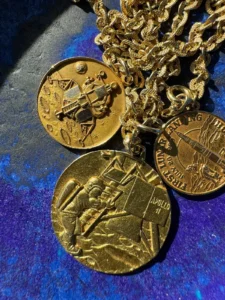
Versatility is the primary goal here. A collection typically starts with a long, solid link chain—such as a box or mariner link—which provides a base for layering. Supplementing this with a heavier, statement-driven piece allows for stylistic contrast. The inclusion of unique designs, such as those incorporating enamel or geometric links, adds character without sacrificing the inherent value of the gold.
Earrings
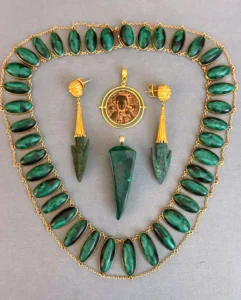
The objective in earring selection is to cover both daily wear and occasional, high-impact needs. Gold hoops serve as the standard "everyday" item, while secondary piercings can be populated with high-quality studs. A geometric or sculptural piece provides the necessary "statement" element for formal engagements.
Bracelets
A balanced bracelet collection often includes a mix of textures. A plain, solid gold bangle offers a clean, structural aesthetic, while line bracelets (often featuring diamonds or other precious stones) provide a more traditional, ornate option. The key is ensuring that the fit is precise, as structural integrity is essential for items worn daily.
Rings
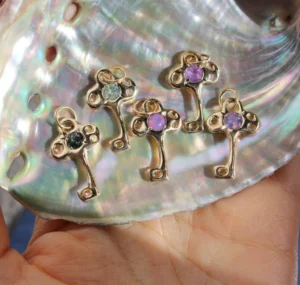
Rings are perhaps the most personal category. An ideal capsule might feature an antique or signet ring for the pinky, a statement ring for impact, and several stackable bands. The inclusion of colored gemstones or diamonds adds a layer of complexity and historical significance that plain gold pieces may lack.

The Financial Implications of Investing in Gold
The move toward karat gold is not merely a stylistic preference; it is a financial strategy. Fine jewelry acts as a hedge against inflation. While a portfolio of stocks or bonds carries market risk, gold maintains a historical track record of preserving purchasing power over centuries. When an individual purchases a 14k or 18k gold chain, they are paying for the manufacturing, the design, and the material. If that piece is well-made, the "melt value"—the value of the gold if it were to be recycled—remains a floor price that protects the investment.
Conversely, the market for "cheap" jewelry is plagued by environmental and economic inefficiencies. The production of base-metal, gold-plated accessories is energy-intensive and creates significant waste, as these items are rarely recycled. From an ESG (Environmental, Social, and Governance) perspective, consumers are increasingly aware that purchasing one high-quality, long-lasting item is more sustainable than purchasing ten inexpensive, short-lived ones.
Market Trends and Future Outlook
The current trend toward "investment-grade" accessorizing is expected to continue as economic uncertainty persists. Retailers who specialize in sustainable, fine, and vintage jewelry report that younger demographics—specifically Millennials and Gen Z—are driving the demand for authentic materials. These cohorts are less interested in "fast fashion" and more interested in the provenance and longevity of their acquisitions.
Furthermore, the rise of digital marketplaces for second-hand fine jewelry has made it easier than ever to liquidate or trade pieces. This liquidity adds a level of utility to jewelry that was previously difficult to access. As the secondary market for fine jewelry matures, the ability to "rotate" one’s capsule collection becomes a viable strategy, effectively turning a static wardrobe into a dynamic, manageable asset class.

Conclusion
The transition from disposable, gold-plated fashion to a curated, fine jewelry capsule wardrobe represents a mature response to current economic and environmental realities. By viewing jewelry as a combination of personal expression and financial asset, individuals can build collections that provide utility, aesthetic satisfaction, and long-term value. Whether starting from scratch or refining an existing collection, the focus must remain on quality, material integrity, and timeless design. As the global economy continues to navigate inflationary pressures, the decision to invest in high-quality gold is a strategy that aligns both fiscal prudence with the desire for personal style. By following a structured approach—defining categories, identifying personal aesthetics, and prioritizing karat gold—the modern consumer can create a collection that stands the test of time, both in style and in value.